
A person’s grocery cart is a private snapshot of their life. And when money is tighter than tight, that snapshot changes dramatically. The focus shifts from “what do I want to eat” to “what can I eat.” Freshness becomes a luxury, and the new priorities are calories, shelf-life, and “fullness-per-dollar.” A cart full of the following items tells a story of a shopper on a razor-thin budget, making resourceful, if difficult, choices.
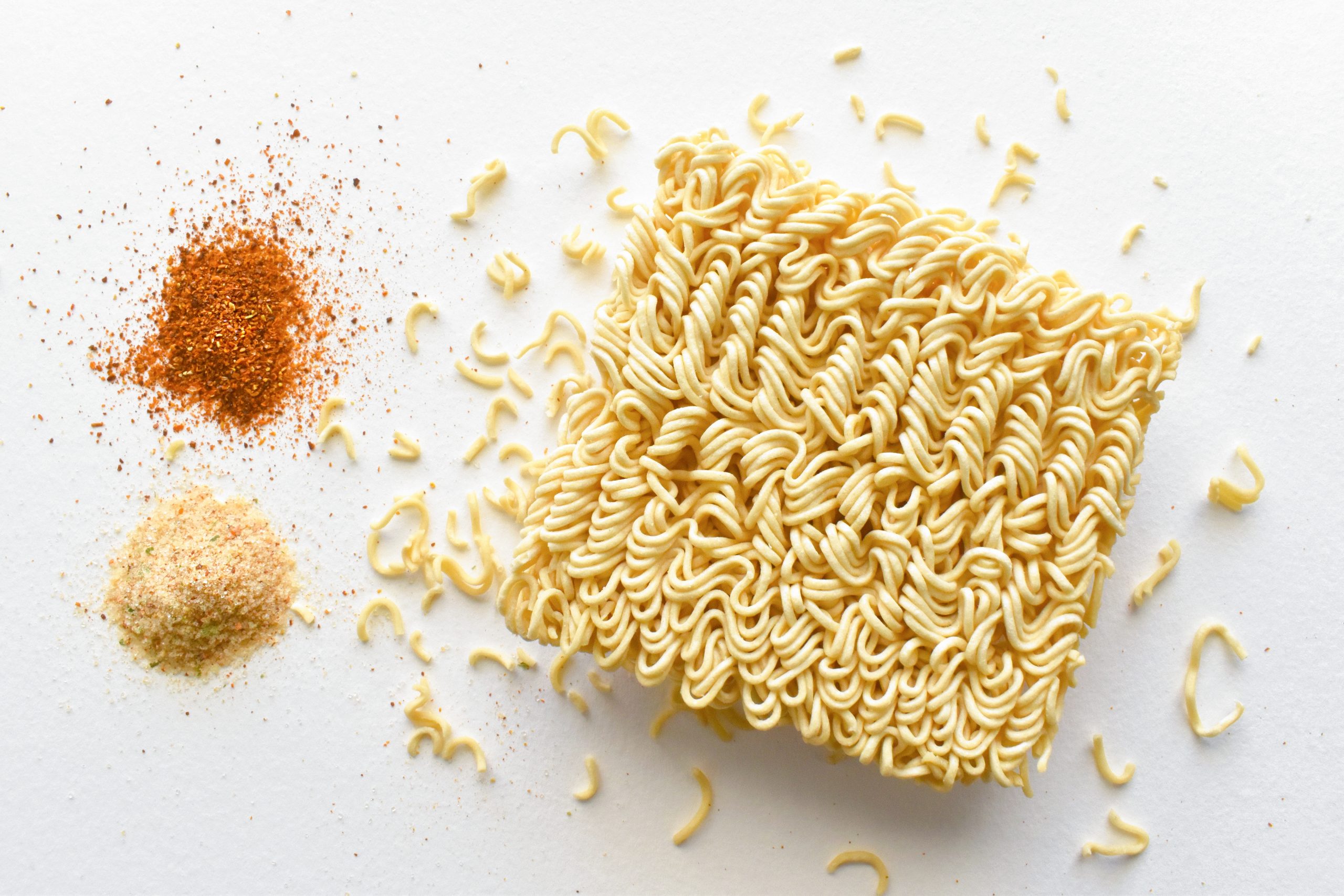
1. Ramen and Instant Noodles
This is the most famous “broke” food for a reason. It’s the ultimate in cheap calories. A single packet can be a (mostly) hot and filling meal for under 50 cents. When you see a cart with multiple 12-packs of instant noodles, it’s not a “college kid” phase; it’s a sign that someone is prioritizing maximum “hot meals” for the absolute minimum cost.
2. A Cart Full of Canned Goods
When a cart is heavy with canned green beans, canned corn, canned carrots, and canned fruit cocktail, but the fresh produce section has been skipped entirely, it’s a major sign. Fresh produce is expensive and, worse, perishable. It’s a financial risk. You can’t “waste” a dollar on a mushy apple. Canned goods are cheap, last forever, and guarantee that the food you bought will be there to be eaten.
3. The “Cheapest” Meats
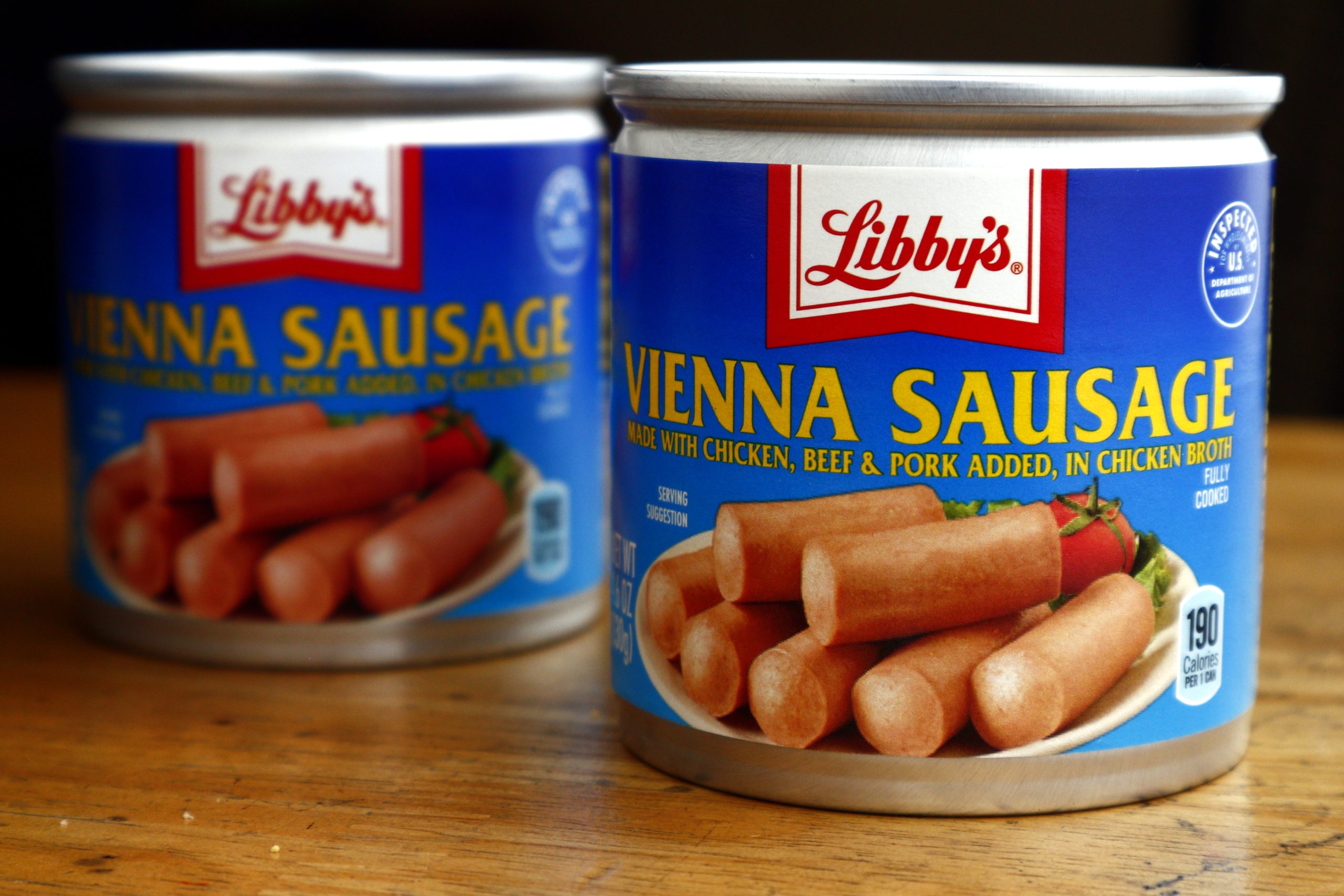
When the budget is tight, protein is the first luxury to get “traded down.” Steaks become ground beef, and then ground beef becomes chicken. When all else fails, people turn to the cheapest possible options: factory-sealed tubes of mystery ground meat, packages of bologna, cheap hot dogs, or potted meat and Vienna sausages. These items are less about “quality” and all about providing that “center of the plate” protein flavor for pennies.
4. The “Just-Add-Water” Staples
Why buy a gallon of milk (that could spoil) when you can buy a box of powdered milk that lasts for a year? Why buy a bag of potatoes (that could sprout) when instant mashed potato flakes are cheap and foolproof? Carts on a tight budget are often full of powdered drink mixes (instead of juice), instant coffee (instead of pods), and instant oatmeal.
5. White Bread, White Rice, and Plain Pasta
These are the “Big 3” of cheap, filling carbohydrates. A cart that is heavy on these three items is a cart built to “stretch” meals. That one tube of ground meat can be mixed with a box of pasta to feed a family for two days. That small amount of chicken can be served over a mountain of rice. These aren’t just “sides”; they are the bulk of the meal.
6. The “Protein Workarounds”
You’ll see a distinct lack of fresh meat, but the cart will be heavy on other, cheaper sources of protein. This is the “smart” part of a tight budget. The shopper is loading up on dried pinto beans, dried lentils, large jars of peanut butter, and dozens of eggs. They are skipping the $15/lb meat and opting for the $1.50/lb plant-based (or egg-based) alternative.
7. The Absence of Any Brand Names
This is the final, most telling sign. There are no “treats.” No brand-name cereals, no brand-name sodas, no brand-name cookies. Every single item is the “Store Brand” or, even cheaper, the “Value” brand (the one with the plain white label). It shows a shopper with zero financial wiggle-room, where every single cent is being counted, and there is no money for marketing.
A Cart of Resourcefulness
While it’s easy to look at these items as “sad,” they are actually a sign of incredible resourcefulness. This cart represents a shopper who is a master of their budget, knows the value of a dollar, and is navigating a tough situation with smart, calculated choices.
What to Read Next
- The Hidden Cost of “Organic” When You’re Trying to Stretch Your Grocery Budget
- 10 Shopper Mistakes That Wreck Monthly Budgets Instantly
- 8 Budget-Friendly Coffee Alternatives That Still Taste Great
- 8 Food Storage Mistakes That Are Ruining Your Budget
- Quit the Budget Bleed on Food Shops Near Me: 5 Simple Tweaks Today
The post 7 Groceries That Reveal a Shopper Is on a Very Tight Budget appeared first on Grocery Coupon Guide.