Winter in 2025 is bringing colder temperatures and harsher storms, and seniors are finding that small home fixes can prevent big expenses. Freezing weather often causes pipes to burst, roofs to leak, and heating systems to fail. Retirees living on fixed incomes cannot afford surprise repair bills that run into thousands of dollars. By addressing common vulnerabilities early, seniors can avoid emergencies and keep their homes safe. These preventive steps highlight the importance of preparation during the winter months.
1. Insulating Pipes
Frozen pipes are one of the most common causes of winter damage. Seniors can prevent costly bursts by insulating exposed pipes in basements, attics, and garages. Foam insulation sleeves are inexpensive and easy to install. Retirees who take this step reduce the risk of water damage and expensive plumbing bills. Pipe insulation is a simple fix with major benefits.
2. Sealing Drafts
Cold air entering through cracks and gaps can strain heating systems. Seniors should seal drafts around windows, doors, and vents to improve efficiency. Weatherstripping and caulking are affordable solutions that lower utility bills. Retirees benefit from warmer homes and reduced heating costs. Sealing drafts is a preventive measure that pays off quickly.
3. Cleaning Gutters
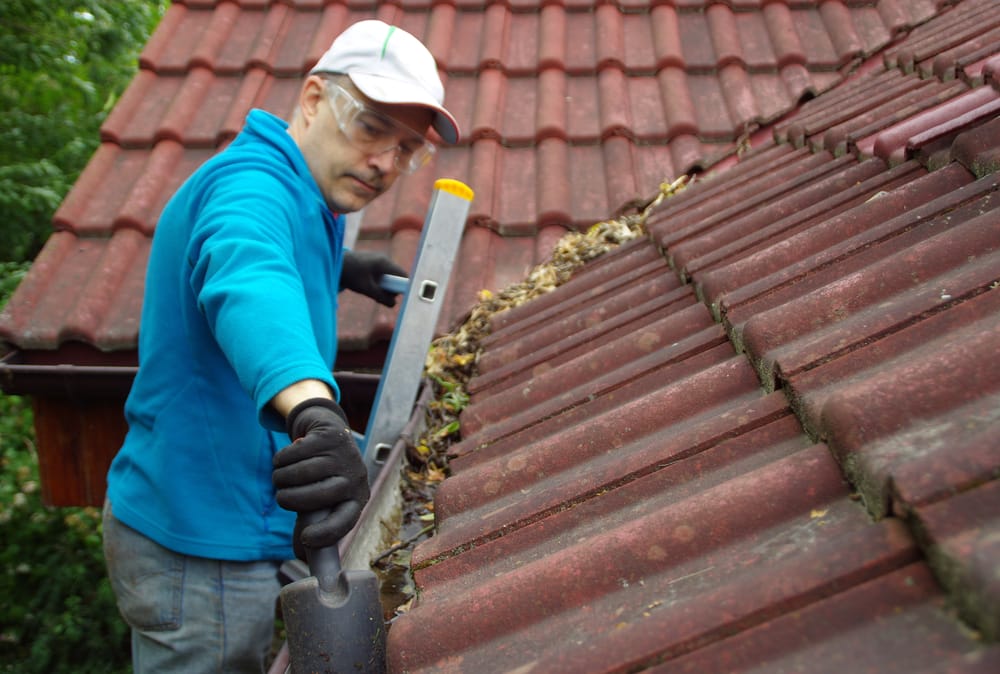
Clogged gutters can lead to ice dams and roof leaks during freezing weather. Seniors should clean gutters before winter storms to ensure proper drainage. Removing leaves and debris prevents water from backing up under shingles. Retirees who maintain gutters avoid costly roof repairs. This fix highlights the importance of routine maintenance.
4. Checking Roofs
Winter storms can expose weaknesses in roofing materials. Seniors should inspect roofs for missing shingles or damaged flashing. Addressing small issues early prevents leaks and structural damage. Retirees who schedule inspections before heavy snow reduce risks significantly. Roof checks are a proactive step toward winter safety.
5. Servicing Heating Systems
Heating systems often fail when demand peaks during freezing weather. Seniors should schedule maintenance to ensure furnaces and boilers are working efficiently. Cleaning filters and checking components reduces the risk of breakdowns. Retirees who service systems early avoid emergency repair costs. Heating maintenance is essential for comfort and safety.
6. Protecting Outdoor Faucets
Outdoor faucets are vulnerable to freezing temperatures. Seniors can prevent damage by draining hoses and covering spigots with insulated covers. These inexpensive fixes reduce the risk of burst pipes and water leaks. Retirees benefit from peace of mind knowing outdoor plumbing is secure. Faucet protection is a small step with big savings.
7. Stocking Emergency Supplies
Freezing weather can cause power outages and service delays. Seniors should stock emergency supplies like blankets, flashlights, and portable heaters. Having essentials on hand reduces stress during unexpected disruptions. Retirees who prepare in advance remain safe and comfortable. Emergency supplies are a critical part of winter readiness.
How You Can Safeguard Your Home in the Colder Months
Home repair specialists warn that freezing weather will continue to test older homes in 2025. They recommend seniors prioritize pipe insulation and heating system maintenance. Experts also stress the importance of roof inspections before heavy snow. Professional guidance helps retirees avoid expensive emergencies. Vigilance ensures homes remain safe throughout winter.
To prevent expensive winter damage, seniors should:
- Insulate exposed pipes in vulnerable areas
- Seal drafts around windows and doors
- Clean gutters to prevent ice dams
- Inspect roofs for missing shingles
- Service heating systems before peak demand
- Protect outdoor faucets with covers
- Stock emergency supplies for outages
Observers predict that winter storms will grow more severe in 2026. Seniors should expect continued risks tied to freezing temperatures and aging infrastructure. Preparing now reduces stress and ensures retirees remain proactive. Retirees who adopt preventive fixes will be better equipped to handle future challenges. The outlook underscores the importance of resilience in retirement housing.
Have you tried preventive home fixes this winter? Share your experience in the comments — your feedback can help other retirees prepare.
You May Also Like
- 9 Winter Home Repairs Seniors Should Complete Before the First Freeze
- Winter Costs Are Squeezing Fixed-Income Homeowners—Here’s How to Prepare
- 10 Home Repair Codes Changing for Winter Safety Inspections
- New Mortgage Audits Are Catching Homeowners Off Guard This Winter
- A New Wave of Utility Rate Hikes Is Hitting Older Homeowners This Winter