
Shoppers often assume winter means higher food prices due to expensive imported berries. However, the grocery market follows a supply calendar where certain items flood the aisles in January. Demand for other items plummets after the holidays, creating a surplus for retailers. Stores drop prices to move this inventory, allowing smart shoppers to capture these seasonal discounts.
1. Citrus Fruits
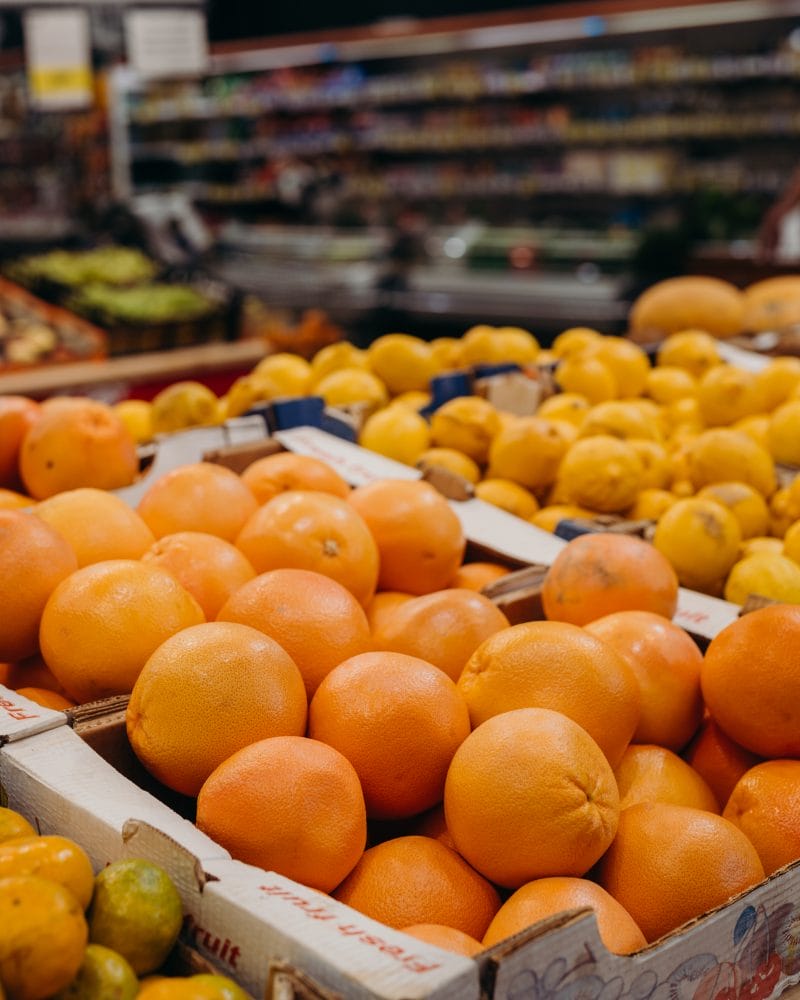
Winter is the peak harvest season for citrus, filling orchards with fresh oranges and grapefruits. Transport costs stay low because the fruit is domestic and the supply is currently high. You will see large bags of oranges for low prices during these cold months. It is the one fresh fruit category that actually gets cheaper right now.
2. Butter
Baking demand peaks in November, meaning Americans buy massive amounts of butter for holiday cookies. In January, that demand evaporates, leaving retailers with surplus inventory they must clear quickly. They lower prices to move the stock, so you often see butter hit its lowest price. Stock up while it is cheap, as butter freezes well for up to a year.
3. Root Vegetables
Potatoes and carrots are storage crops harvested in the fall and kept in climate-controlled warehouses. Supply remains stable all winter, so retailers use potatoes as loss leaders in weekly flyers. They want to encourage hearty stew cooking, making these dense vegetables the best value in produce.
4. Oatmeal
January brings health resolutions, so retailers heavily promote oatmeal and whole grains to diet-conscious shoppers. While “health food” generally goes up in price, oatmeal drops in price to drive store traffic. Stores sell it cheap hoping you buy expensive berries to go with it. Buy the plain canisters in bulk while they are featured in the weekly ad.
5. Canned Soup
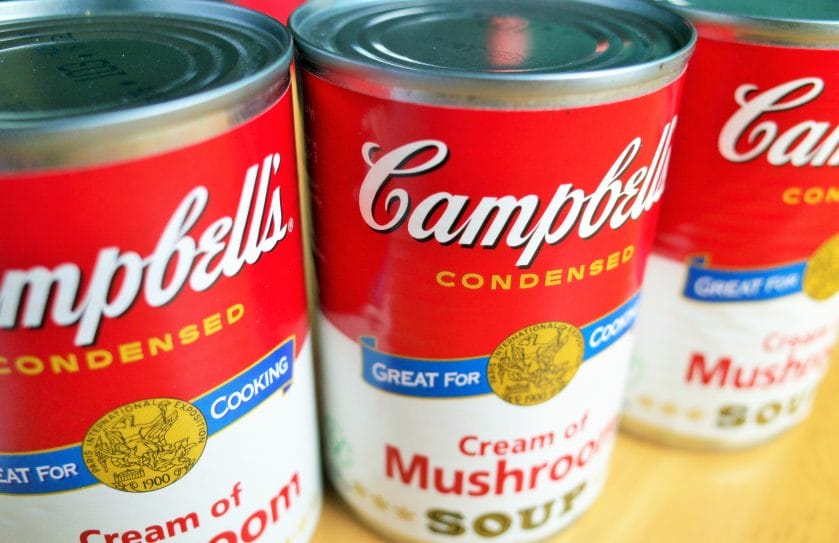
January is National Soup Month, so manufacturers fund aggressive promotions to drive sales volume. Brands offer deals like “10 for $10” because the weather drives natural demand for hot meals. Manufacturer competition drives the price down, making it the best time to fill your pantry.
6. Whole Turkeys
Retailers order turkeys months in advance and almost always end up with too many for the holidays. By January, they need freezer space and liquidate remaining birds for pennies on the pound. You can find a large bird for five dollars, making it the cheapest protein source available.
7. Tea and Coffee Blends
The holidays bring seasonal blends, but peppermint mocha loses appeal on December 26th. Stores mark these items down significantly in January, even though the coffee inside remains fresh. It just has a snowflake on the bag, so if you do not mind, you save.
Shop the Season
Align your diet with the calendar by eating citrus and roasting cheap turkeys. Bake with discounted butter to eat better food for less money all winter long. Follow the natural flow of retail cycles to keep your budget in check.
What to Read Next
6 Items That Drop in Price Once Holiday Demand Ends
7 Grocery Items That Drop in Price Right After the Holidays
Seasonal Coupon Drops That Hit the App Before They Reach the Weekly Ad
10 Retailer Price Drops That Trigger Major Coupon Opportunities
Seasonal Beverages That See the Biggest Price Drops After Christmas
The post 7 Foods That See Massive Price Drops When the Temperature Falls appeared first on Grocery Coupon Guide.