By late 2025, most shoppers have grown weary of the inflation headlines. We are told that the worst is over and that prices are stabilizing. However, a deeper look at the commodities market and supply chain data reveals a different story brewing for early 2026. While the sticker price on the shelf might look stable for now, manufacturers and retailers are quietly adjusting formulas, package sizes, and supply contracts to absorb new costs. These seven foods are currently facing “hidden” price pressure that hasn’t fully hit the consumer radar yet, but will likely result in higher receipts by spring.

1. Chocolate (The “Skimpflation” Effect)
While the panic over the cocoa shortage of 2024 has subsided, the market has not returned to normal. Cocoa prices remain historically high, hovering around double their long-term average. To cope with this permanent structural cost, manufacturers are quietly reformulating their products. Instead of raising the price of a candy bar, they are reducing the cocoa butter content and replacing it with cheaper vegetable fats or increasing the ratio of sugar and fillers. You are paying the same price for a “chocolatey” coating that technically contains less actual chocolate than it did a year ago.
2. Coffee
Coffee futures are heating up again due to persistent climate instability in key growing regions like Vietnam and Brazil. While the shelf price of ground coffee has been steady, the “hidden” increase is coming in the form of blend changes. Roasters are quietly swapping out expensive Arabica beans for cheaper, more bitter Robusta beans to keep the bag price attractive. If your morning brew tastes slightly more bitter or acidic in 2026, it is because you are paying a premium price for what used to be a discount blend.
3. Chicken (The Substitution Tax)
Beef prices have remained stubbornly high, forcing millions of families to switch to chicken as their primary protein. This massive shift in demand is creating a hidden price floor for poultry. While chicken production is efficient, it cannot scale infinitely. The “hidden” increase here is in the disappearance of sales. You will see fewer BOGO deals on chicken breasts and fewer coupons for rotisserie chickens as retailers realize they no longer need to discount the only affordable meat in the case.
4. Olive Oil (The Retailer Margin Grab)
This is a case where the price should be dropping, but isn’t. Global olive oil production has recovered significantly in late 2025 due to better harvests in Spain. Wholesale prices have plummeted. However, retailers are slow to pass these savings on to you. They are keeping shelf prices high to recoup the losses they took during the shortage years. The “hidden” cost here is the savings you aren’t getting; you are paying crisis-era prices for a commodity that is no longer in crisis.
5. Eggs
After the avian flu shocks of the past few years, egg prices were supposed to stabilize. However, new predictions for 2026 suggest another spike is coming. The hidden factor here is regulatory changes and the shift toward “cage-free” mandates in several large states. As producers spend millions to upgrade facilities to meet these new 2026 deadlines, those capital costs are being baked into the price of every dozen. The budget egg is slowly disappearing, replaced by a premium-only marketplace.
6. Imported Fruit (Bananas and Berries)
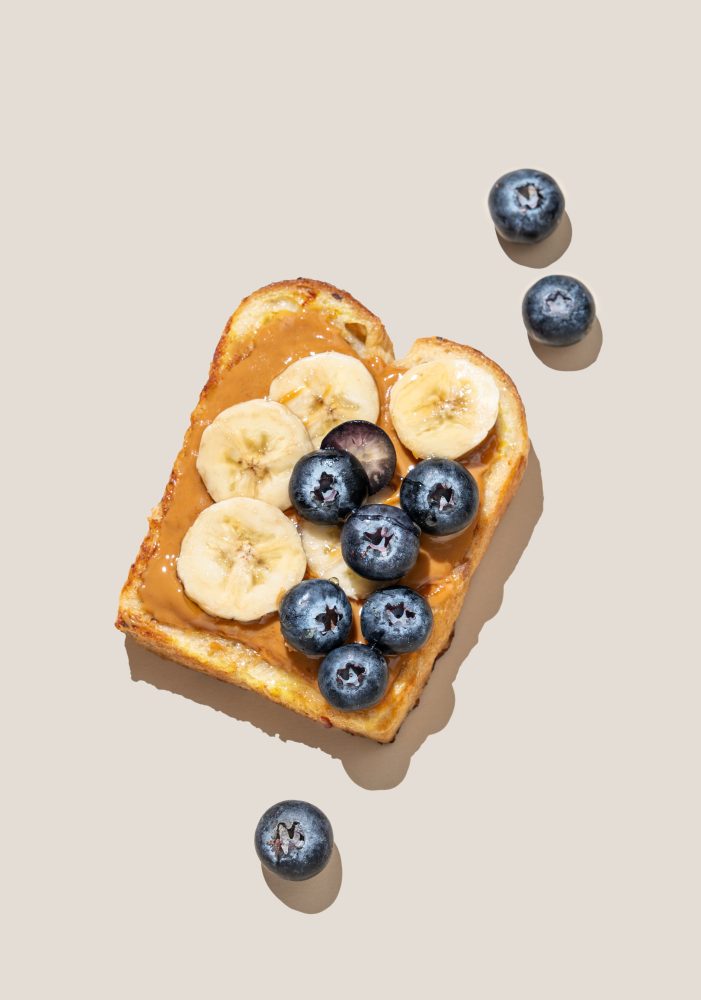
Global trade tensions and potential new tariffs in 2026 are casting a shadow over the produce aisle. Bananas and winter berries, which are almost entirely imported, are highly vulnerable. The hidden increase here is likely to manifest as “shrinkflation” in packaging—smaller clamshells of blueberries for the same price—or the disappearance of the cheap, loose bananas in favor of pre-weighed, pre-bagged bunches that force you to buy more than you need.
7. Processed Snacks
After a brief pause, shrinkflation is accelerating again in the snack aisle. Manufacturers are facing higher labor and packaging costs, and they know consumers are exhausted by price hikes. The solution for 2026 is subtle weight reduction. A “family size” bag of chips that was 13 ounces is quietly becoming 12.25 ounces. The bag looks the same, the air pocket is slightly larger, and the price per ounce sneaks up without a single price tag change.
Watching the Fine Print
The era of obvious price hikes is giving way to an era of subtle degradation. In 2026, the smart shopper needs to look beyond the price tag. You must watch the net weight, read the ingredient list for fillers, and track the price per ounce to see the inflation that is hiding in plain sight.
Have you noticed any of these changes in your weekly shop? Does your chocolate taste different, or does your chip bag feel lighter? Share your observations!
What to Read Next
Grocery Teams Note Increase in Damaged Goods Arriving From Vendors
New Year Food Categories Expected to Increase in Price
6 States Where Grocery Taxes Quietly Increased in 2025
Price Illusions: 6 “Sale” Tags That Actually Hide a Price Increase
10 Ways to Increase Your Grocery Shopping Effectiveness
The post 7 Foods Facing Hidden Price Increases Before Public Notices appeared first on Grocery Coupon Guide.