
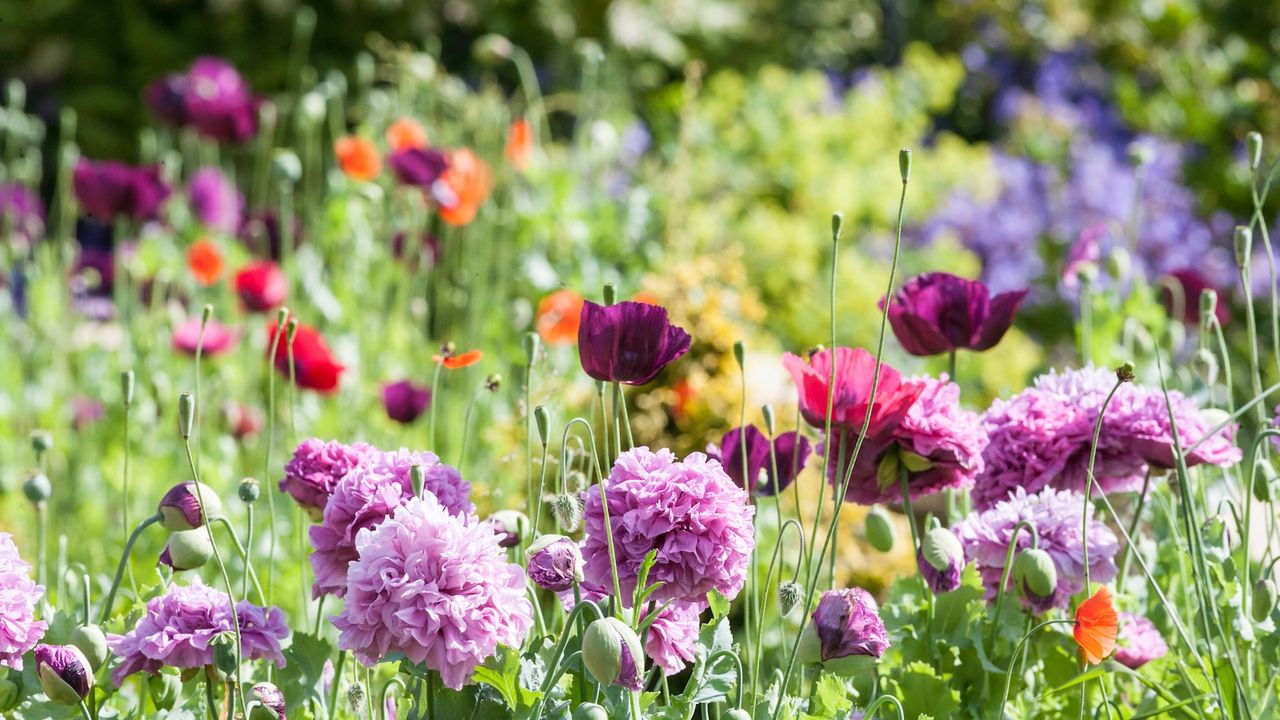
If you’re considering native perennials to plant in April, the smartest move isn’t adding more plants, it’s choosing better ones. Swap out fussy, water-hungry favorites for regionally adapted natives, and you’ll get a back yard that thrives with less effort, fewer inputs, and far more life.
April is when the garden stops whispering and starts talking back. Soil warms, buds stretch, and suddenly everything feels possible, including a few questionable purchases. This is precisely the moment to pause, edit, and plant with intention.
If you’re still finding your footing, it helps to understand the thinking behind native planting, our expert guide to understanding this vital gardening trend, which explains why these choices are not just easier, but ecologically essential.
1. Swap Peonies For Prairie Smoke (Geum triflorum)
Peonies are glorious for a fortnight and then… rather a lot of leaf. They demand staking, sulk in poor drainage, and resent being moved.
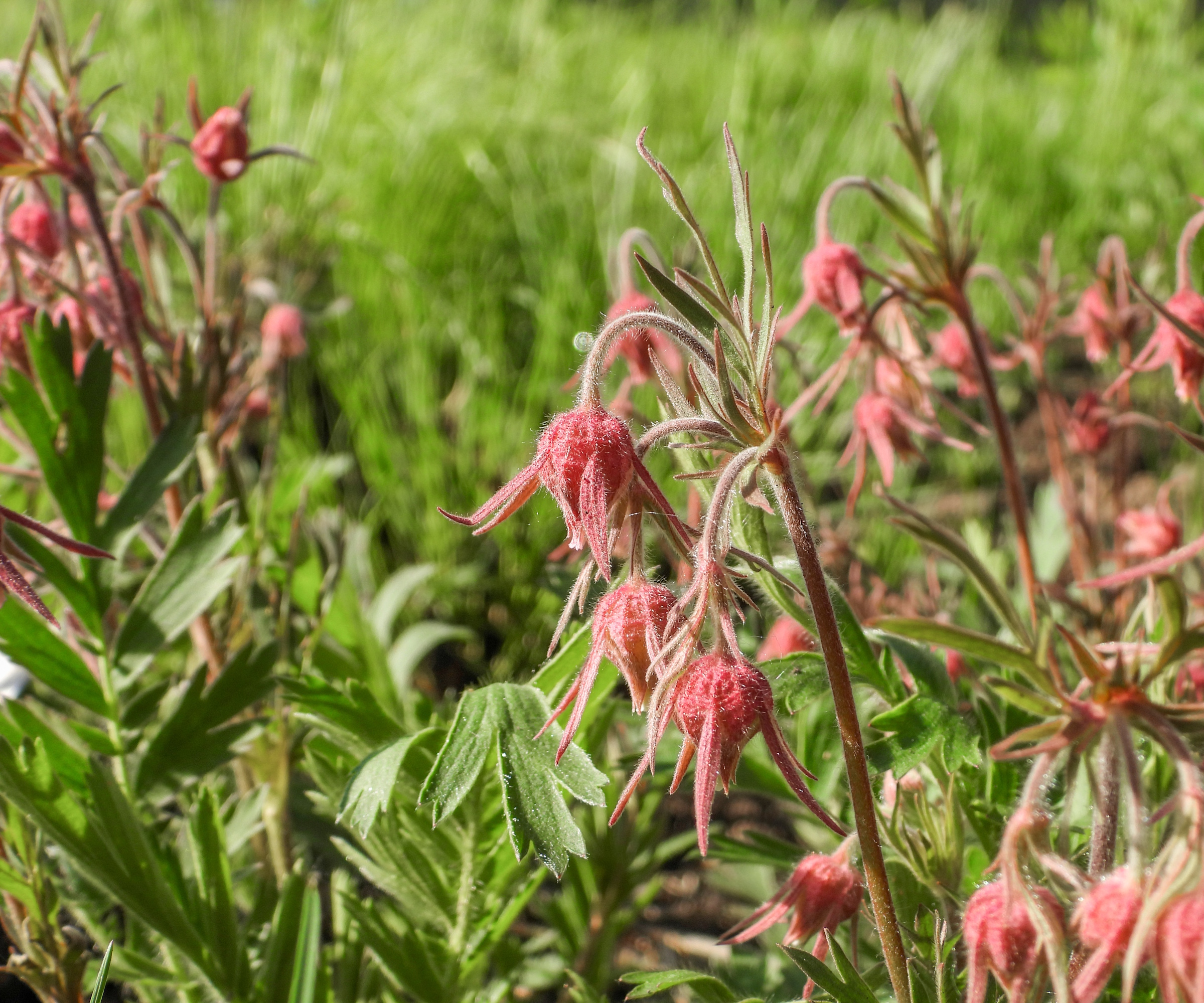
Prairie smoke (Geum triflorum), by contrast, is a plant with personality and none of the drama. Native to North American prairies and hardy in zones 3–7, it produces nodding pink flowers in spring, followed by feathery seed heads that hover like wisps of silk above the foliage.
It thrives in full sun and sharply drained soil, making it ideal for gravel gardens or dry borders. Once established, it asks for almost nothing - a rare and admirable quality.
If you’re revisiting your flower bed design, consider weaving prairie smoke through planting schemes where peonies once ruled. The effect is looser, lighter, and far more interesting over a longer season.
For planting, a sturdy Berry&Bird digging fork from Amazon will help break up compacted soil, especially after winter rains.
2. Swap Tulips For Camas (Camassia quamash)
Tulips are the great April gamble. One year splendid, the next mysteriously absent, as if they’ve slipped away in the night.
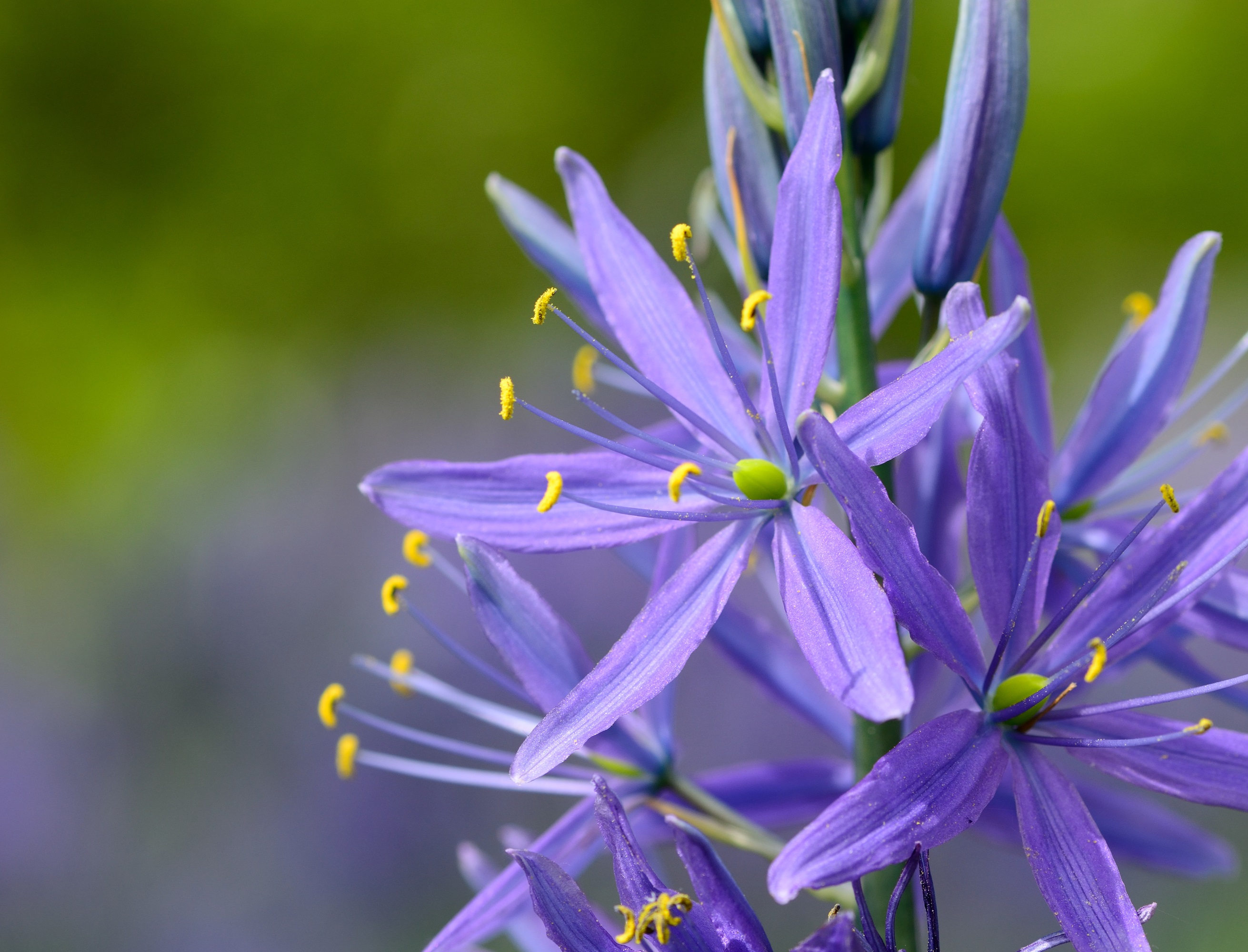
Camas (Camassia quamash), a North American native hardy in zones 4–8, offers a far more reliable spring show. Its starry blue flowers rise in elegant spires, returning year after year without the need for replanting.
It’s particularly happy in moist meadows or alongside lawns that are allowed to grow long through spring. In fact, camas was once a staple food crop for Indigenous peoples; a reminder that beauty and usefulness often go hand in hand.
For those looking to introduce more spring bulbs, camas brings a softer, more naturalistic look than regimented tulip displays. You can source bulbs from Burpee, where native varieties are increasingly available as gardeners shift toward more sustainable choices.
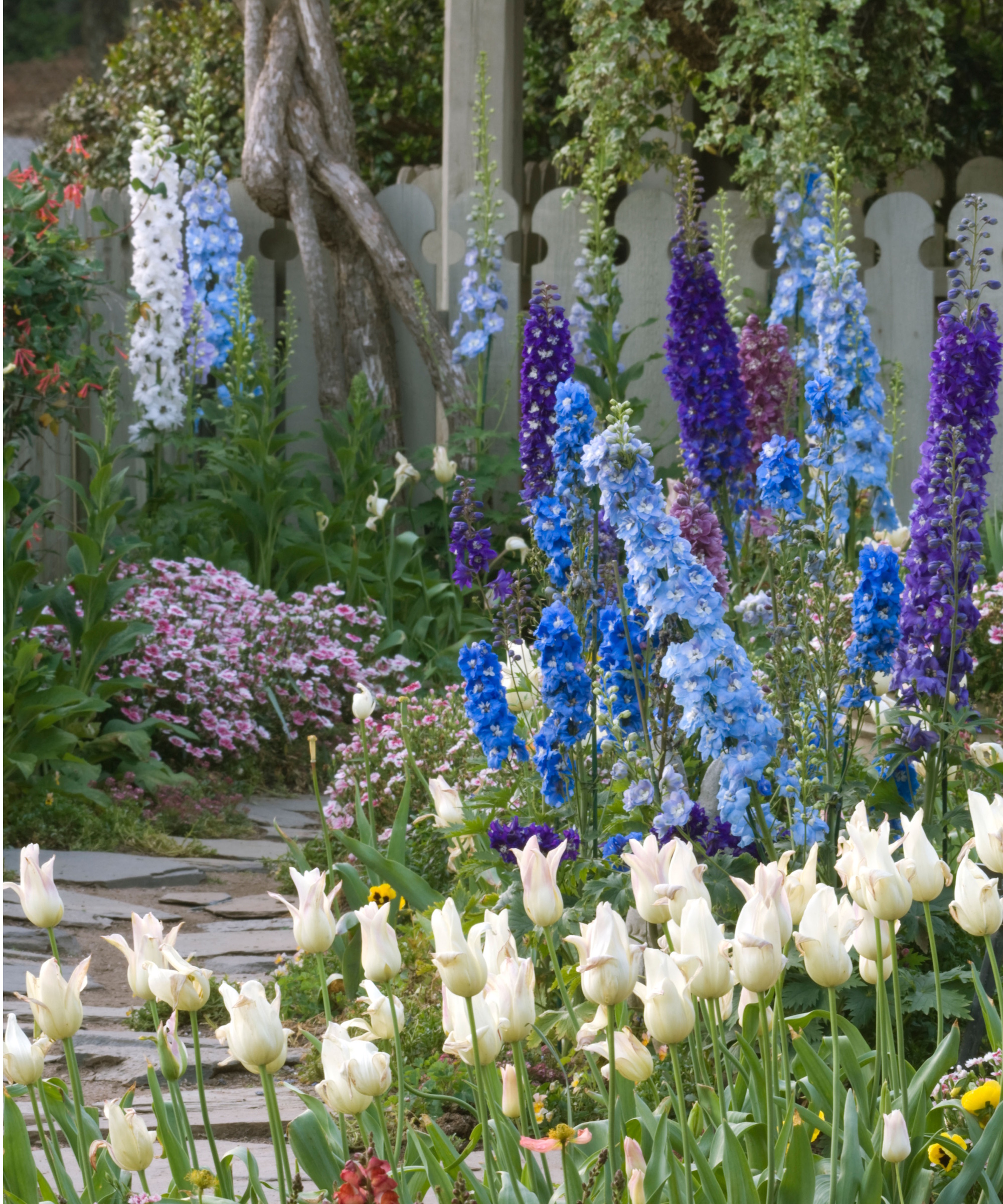
3. Swap Delphiniums For Blue False Indigo (Baptisia australis)
Delphiniums are heartbreakers. Tall, stately, and maddeningly prone to collapse, slugs, and general disappointment.
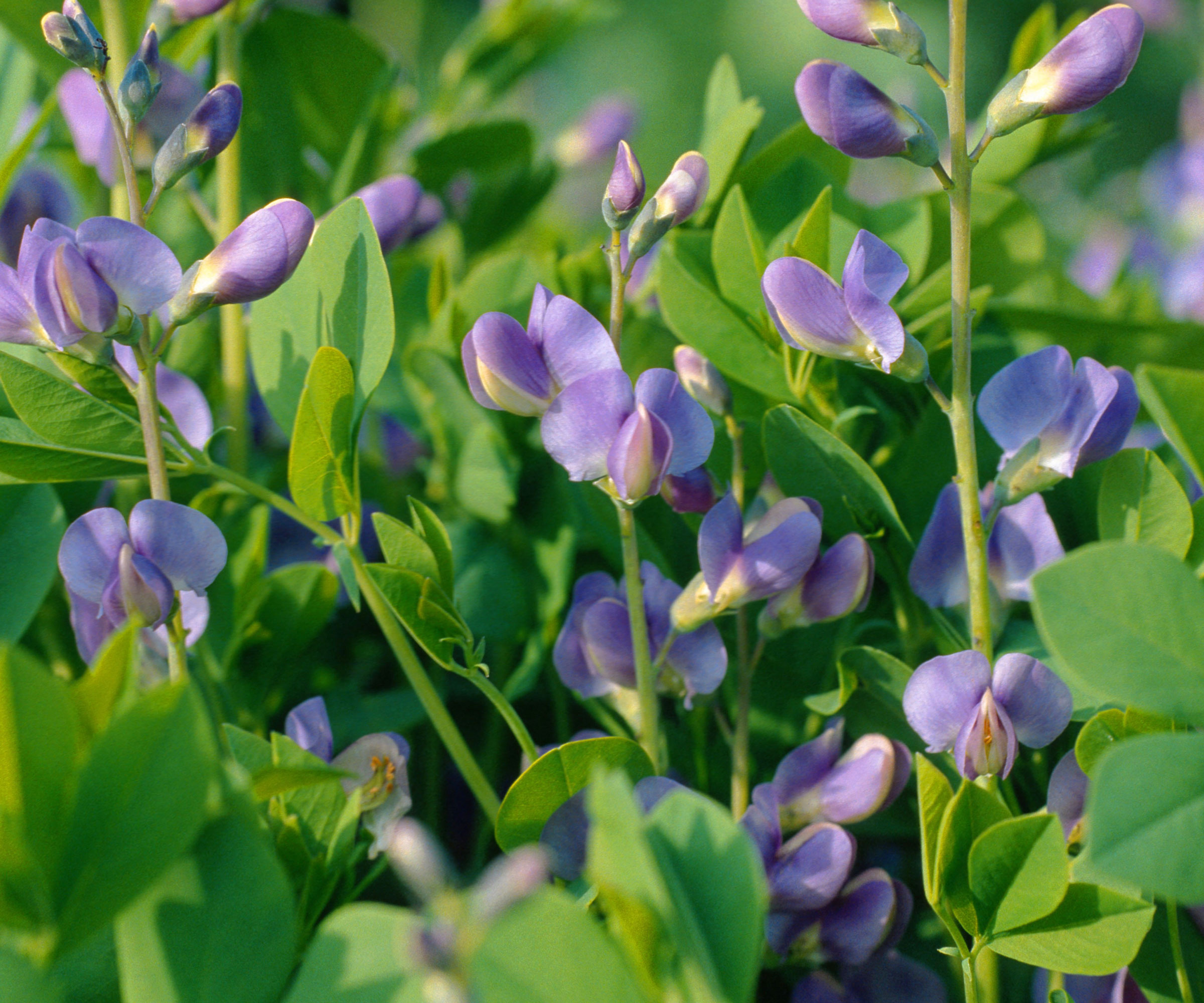
Blue false indigo (Baptisia australis), hardy in zones 3–9, delivers that same vertical drama but with the constitution of an athlete. Its indigo-blue flower spikes rise in late spring, followed by handsome seed pods that rattle in the breeze.
It prefers full sun and well-drained soil, and once established, its deep roots make it remarkably drought-tolerant. It’s not a plant for fussing over - plant it, step back, and let it get on with things.
If you’re refreshing your cottage garden, baptisia provides structure without the need for staking or constant intervention. Young plants establish best when given a good start so consider enriching soil with compost from Lowes to encourage strong root development.
4. Swap Exotic Daylilies For Blanket Flower (Gaillardia aristata)
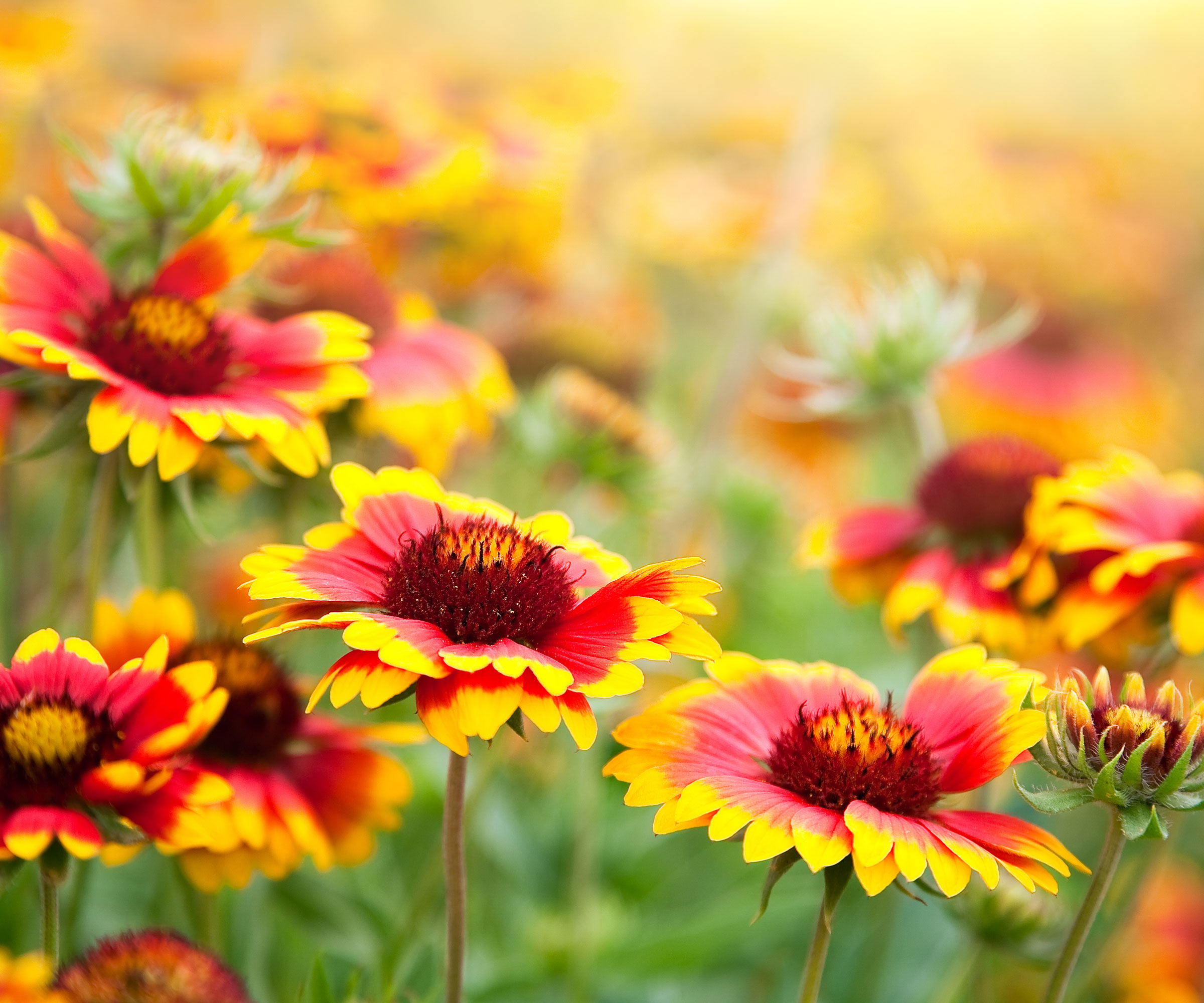
Daylilies are dependable, yes, but often verge on the municipal; great swathes of identical blooms that feel more roadside than romantic.
Blanket flower (Gaillardia aristata), native to much of the US and hardy in zones 3–8, brings a more spirited performance. Its red and gold daisy-like flowers bloom for months, shrugging off heat and poor soil with cheerful indifference.
It thrives in full sun and sandy or well-drained conditions, making it ideal for those tricky, dry patches where other plants falter. For anyone considering drought-tolerant planting, gaillardia is an essential addition - vibrant, long-flowering, and gloriously unfussy.
Blanket flower plants and seeds are available from Burpee, perfect for planting out or sowing directly as soil temperatures rise in April.
5. Swap Hostas For Wild Ginger (Asarum canadense)
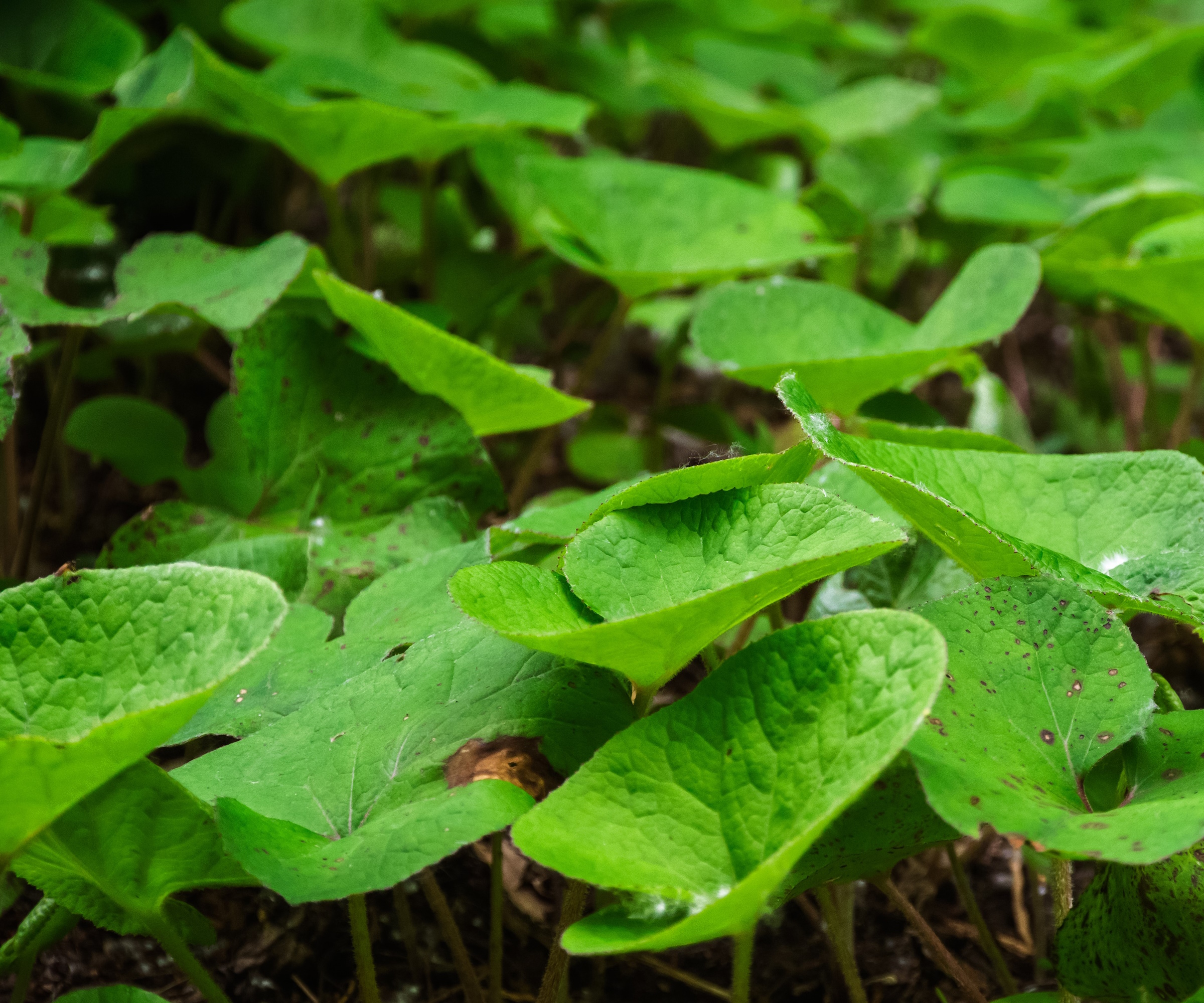
Hostas, beloved though they are, are essentially an all-you-can-eat buffet for deer and slugs.
Wild ginger (Asarum canadense), hardy in zones 3–8, offers a far more resilient alternative for shady corners. Its heart-shaped leaves form a dense, glossy carpet, quietly suppressing weeds while adding texture.
The flowers are hidden beneath the foliage (a secret for those who care to look) but the real appeal lies in its ability to thrive where others struggle.
If you have a shade garden, wild ginger provides a native solution that feels both refined and robust. To help it settle, a generous mulch layer using bark from Amazon will conserve moisture and mimic the woodland conditions it prefers.
6. Swap Hydrangeas For New Jersey Tea (Ceanothus americanus)
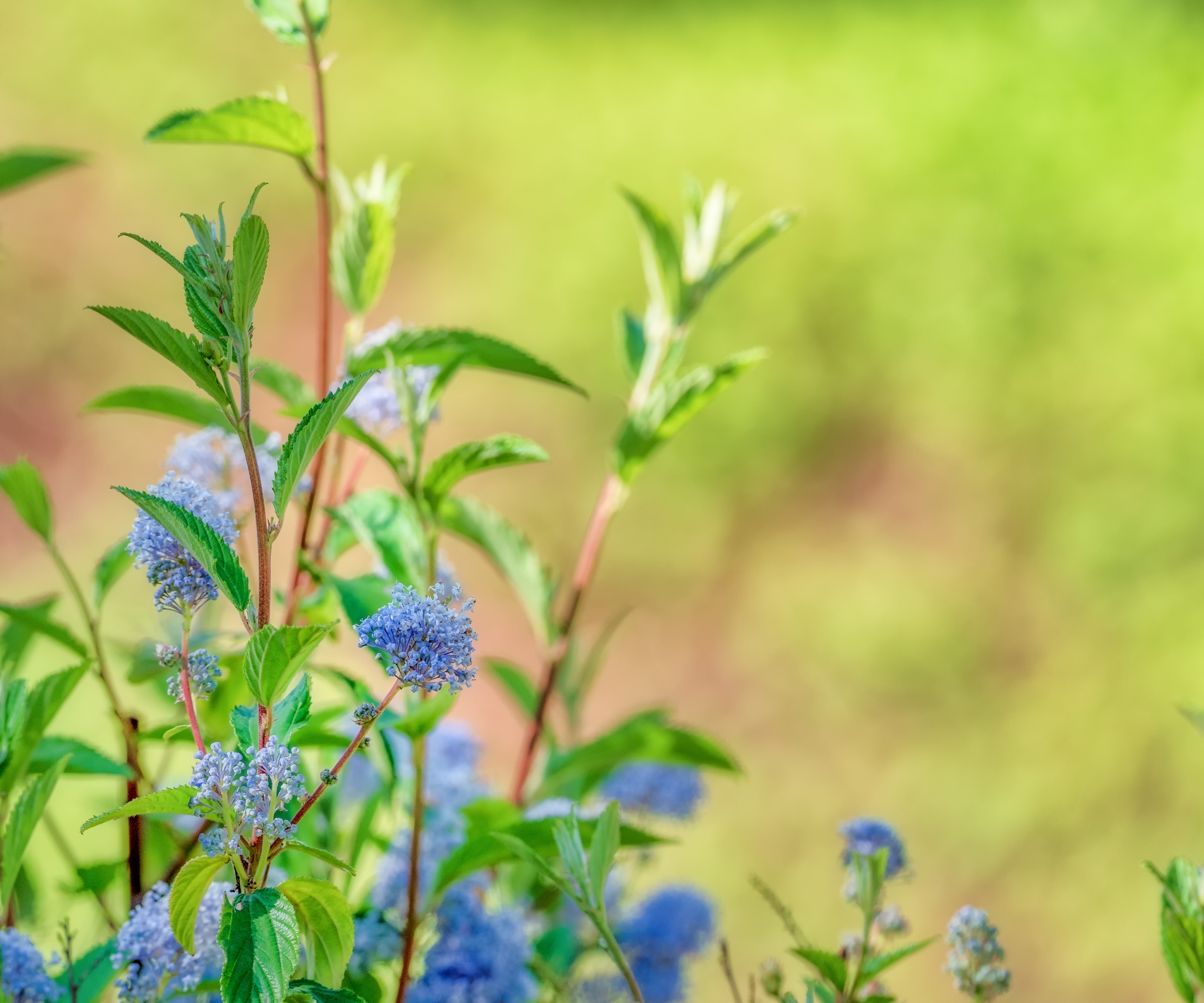
Hydrangeas have a certain grandeur, but they can be thirsty, temperamental, and oddly unsuited to increasingly hot summers in some regions.
New Jersey tea (Ceanothus americanus), hardy in zones 4–8, is a native shrub with quiet charm. Its frothy white flowers appear in early summer, attracting pollinators in droves, while its deep roots make it exceptionally drought-tolerant.
Historically used as a tea substitute during the American Revolution, it carries a certain understated patriotism, a plant that belongs. For those exploring a low-maintenance backyard, this is a shrub that earns its place without constant care or irrigation.
New Jersey Tea plants are available from Amazon.
7. Swap Boxwood For Little Bluestem (Schizachyrium scoparium)

Boxwood hedging, once the backbone of neat design, is increasingly troubled by blight, drought stress, and general discontent.
Little bluestem (Schizachyrium scoparium), hardy in zones 3–9, provides structure of a different, more contemporary sort. Its upright blue-green stems turn coppery-orange in fall, catching the light in a way no clipped shrub ever could.
It thrives in full sun and poor soils, requiring little more than an annual cutback in late winter. The effect is looser, more dynamic; a garden that moves rather than sits still.
If you’re considering ornamental grass garden ideas, this native species offers year-round interest with minimal effort. For trimming and seasonal maintenance, a cordless trimmer from Amazon makes the job satisfyingly quick.
Why April Is The Perfect Time To Make The Switch
April sits at that sweet spot in temperate zones (generally USDA zones 4–8) where soil is warming, rainfall is still reliable, and plants can establish before the heat of summer arrives.
This is the month to be bold, to lift, divide, replace, and rethink. Remove struggling non-natives, improve soil with organic matter, and plant with an eye toward resilience rather than fleeting perfection.
Water deeply after planting, mulch generously, and then, crucially, step back. Native perennials are not high-maintenance divas; they are quiet collaborators, content to grow in rhythm with their surroundings.
If you’re working through your April gardening checklist, these swaps offer a way to reduce effort while increasing impact - fewer inputs, more reward.
There is, perhaps, a subtle shift happening in gardens. A move away from control and toward collaboration. These native perennials to plant in April are not just easier choices, they are better ones.
They hum with life. They belong. And, most importantly, they allow you to garden with a lighter touch, which, in the end, is where true beauty tends to lie.
And if you love inspiring garden ideas, outdoor advice, and the latest news, why not sign up for our newsletter and get the latest features delivered straight to your inbox?