
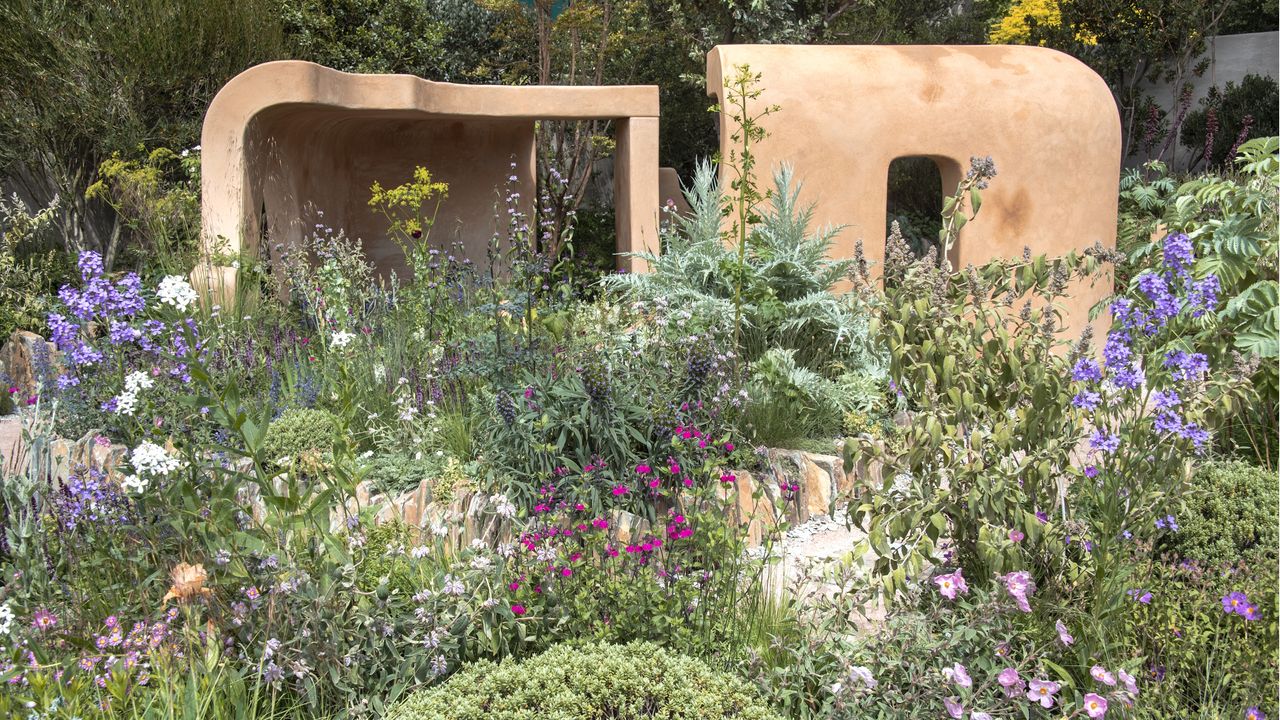
With scorching summers becoming the norm, it's harder to justify giving precious garden space to thirsty plants that wilt as soon as the sun comes out. That's why I've been considering drought-tolerant alternatives to hydrangeas.
It's no secret that growing hydrangeas in summer is challenging. These cottage garden blooms require consistent moisture to stay bright and full, with the slightest bit of drought (and intense sunlight exposure) crisping up their flowers. But, the good news is there are drought-tolerant plants that will give you just as beautiful and colorful blooms in the midst of a heatwave without any fuss.
From bright bee balm that pollinators love, to showy spirea blooms, there are plenty of low-maintenance options to replace your hydrangeas. Even though they need much less water, it's still important to check their soil moisture regularly to keep them sufficiently hydrated (I like to use my soil moisture meter from Amazon). Here are our top seven picks.
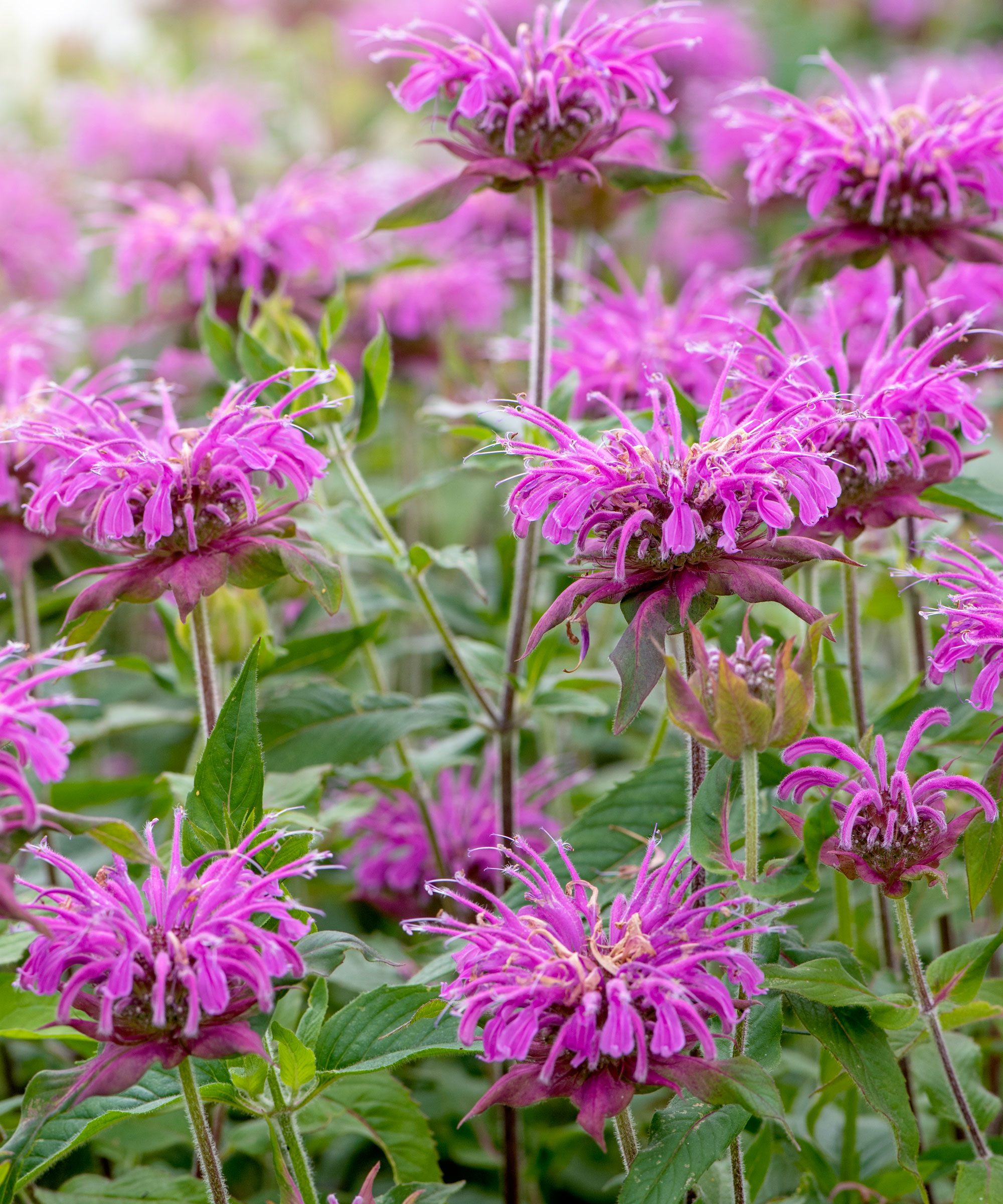
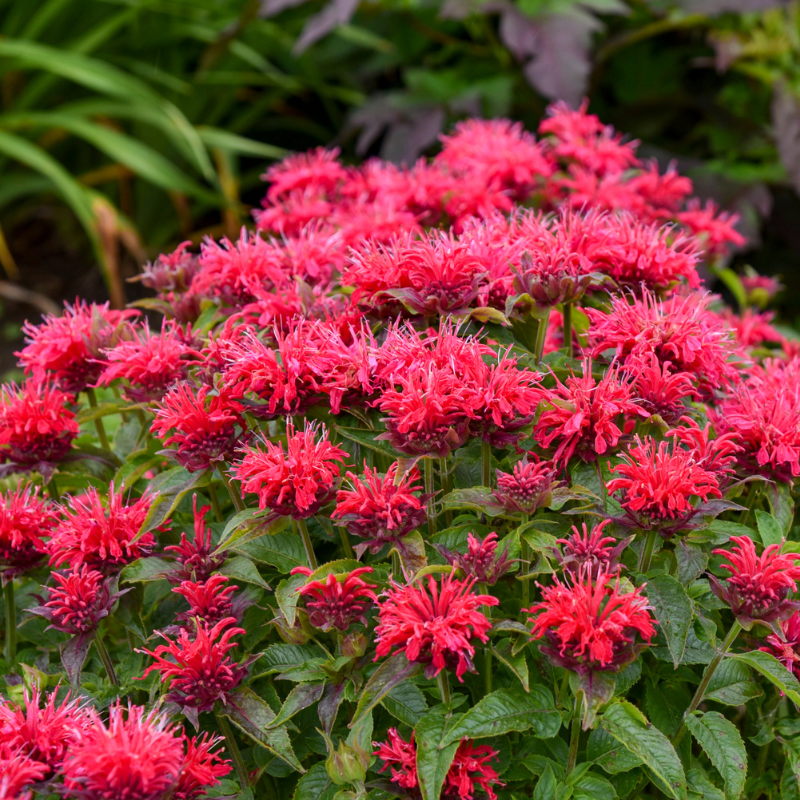
1. Bee Balm
- USDA: zones 3-9
- Blooms: July-September
One of the things that makes hydrangeas most attractive in the garden are their bright and sometimes unusual colors. But, when under heat stress, their bright blues and pinks can fade and become paler, and hydrangeas can wilt.
That's why Rachel Bull, Homes & Gardens' Head of Gardens, suggests opting for bee balm instead:
'I'm growing bee balm for the first time this year and I'm delighted with how low-maintenance it's been,' she says. 'It's starting to put out bright blooms for summer and hasn't been demanding of water at all,' Rachel continues.
While not the most drought-tolerant perennial you can grow, bee balm does tolerate short dry spells and it thrives in direct sun.
Where hydrangeas need daily watering during hot spells, you can get away with watering bee balm every few days. In milder summer conditions, you can reduce watering frequency to once a week, when the top couple of inches of soil have dried out.
The best part about bee balm is that pollinators love it, especially bees (hence its name) and hummingbirds.
There's a bee balm color for every garden, with the likes of this Bubblegum Blast Bee Balm from Plant Addicts making a great alternative to bright pink hydrangeas.
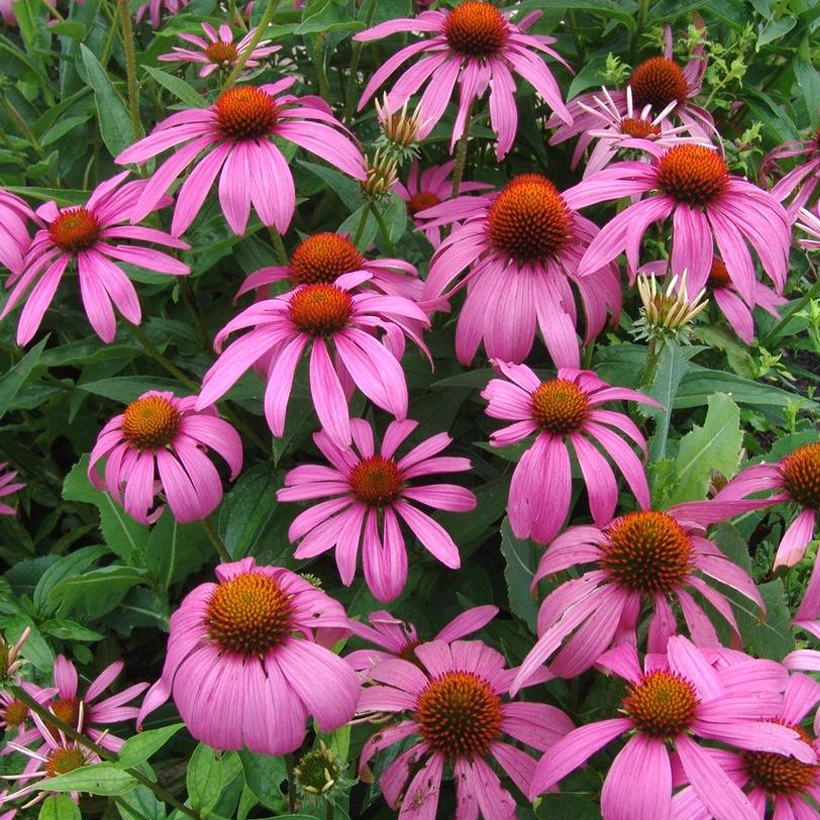
2. Coneflower
- USDA: 3-9
- Blooms: July-September
One of the best places to look for drought-tolerant alternatives to hydrangeas is prairie planting and wildflower meadows, where bright blooms thrive in poor conditions.
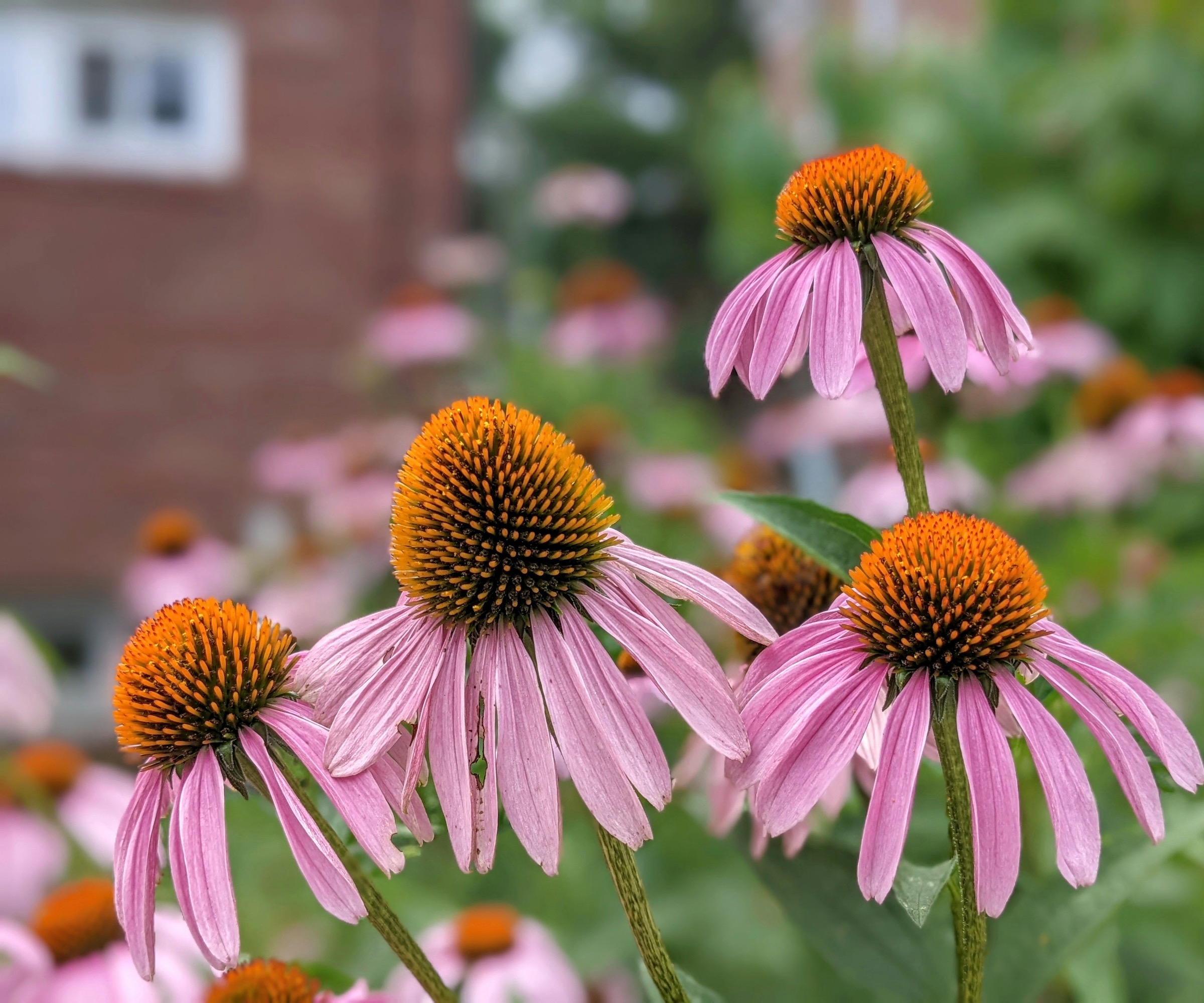
Coneflower is one of the most recognizable perennials among these flowers. With pink daisy-like flowers, they're not a direct replacement for the showy blooms of hydrangeas but they do effortlessly slot into a cottage garden scheme.
Thanks to coneflower's deep root systems, these blooms can survive extended period of drought. Though, they will bloom most prolifically when provided consistent moisture.
It's a great addition to a drought-tolerant pollinator garden, with bees and butterflies frequenting them often.
Just like hydrangeas, when coneflowers come to the end of the season, the dried seedheads make beautiful, architectural silhouettes. You'll find this helps feed garden birds as fall arrives.
Walmart offer a three pack of coneflower plants for $40.97. You can also grow coneflowers with these Botanical Interests seeds.
3. California Lilac
- USDA: 8-10
- Blooms: May-July
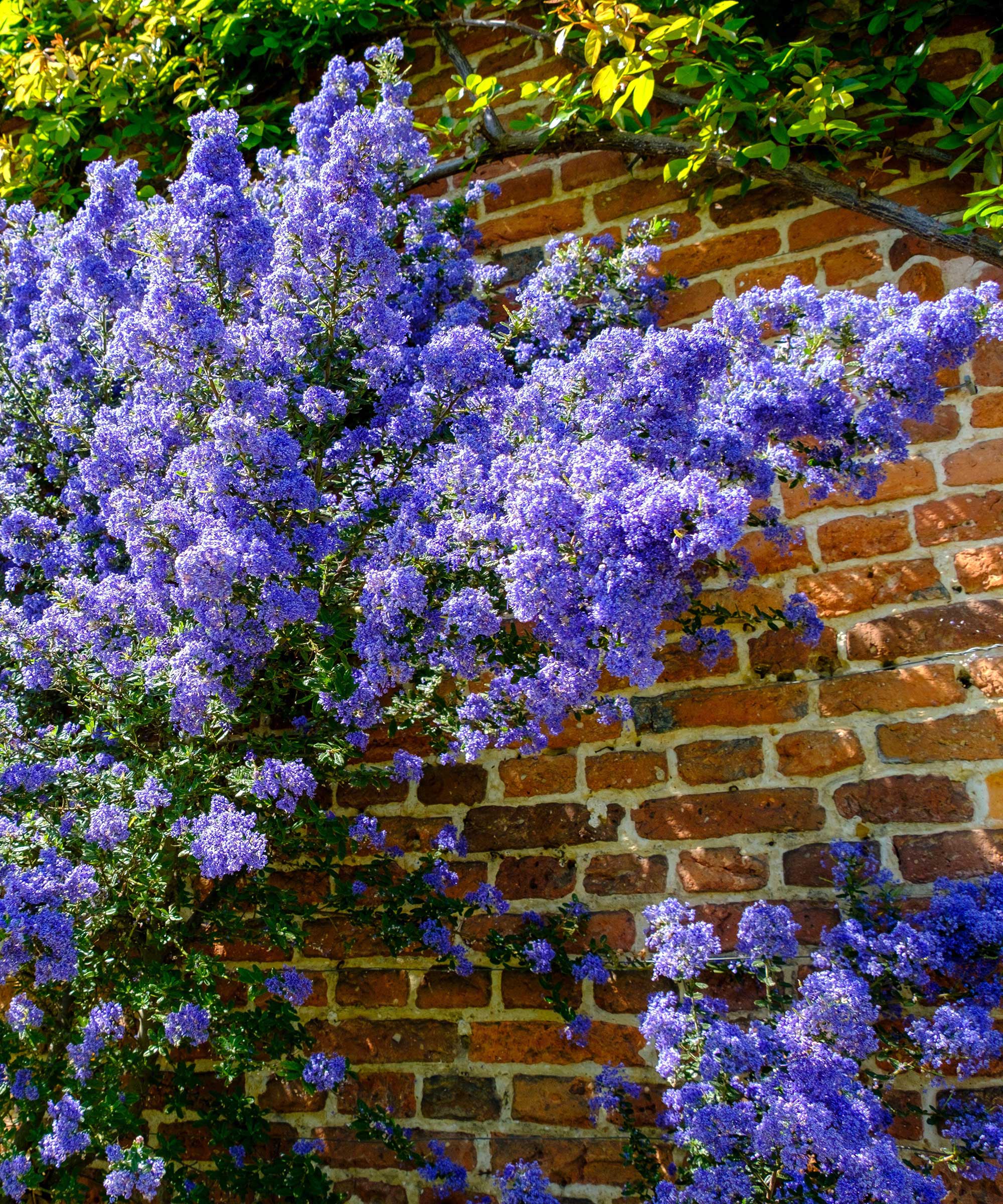
If you're looking for a blue flower to replace blue hydrangeas and reduce the need to water in the garden, then I recommend California lilac, or ceanothus.
It's a flowering shrub for full sun and sandy, well-draining soil type. It's commonly found in California, as its name implies, thriving in hot conditions with little rainfall in summer.
Unlike hydrangeas, however, California lilac produces dense clusters of small flowers that enjoy 6-8 hours of direct sun daily.
What I love in particular about California lilac is the fact you can grow it as a shrub or a tree, so you can choose the right one for the space you have available.
You can use these California lilac seeds from Amazon to challenge yourself to growing it from scratch.
Shop Drought-Tolerant Plants
4. Yarrow
- USDA: 3-9
- Blooms: June-October
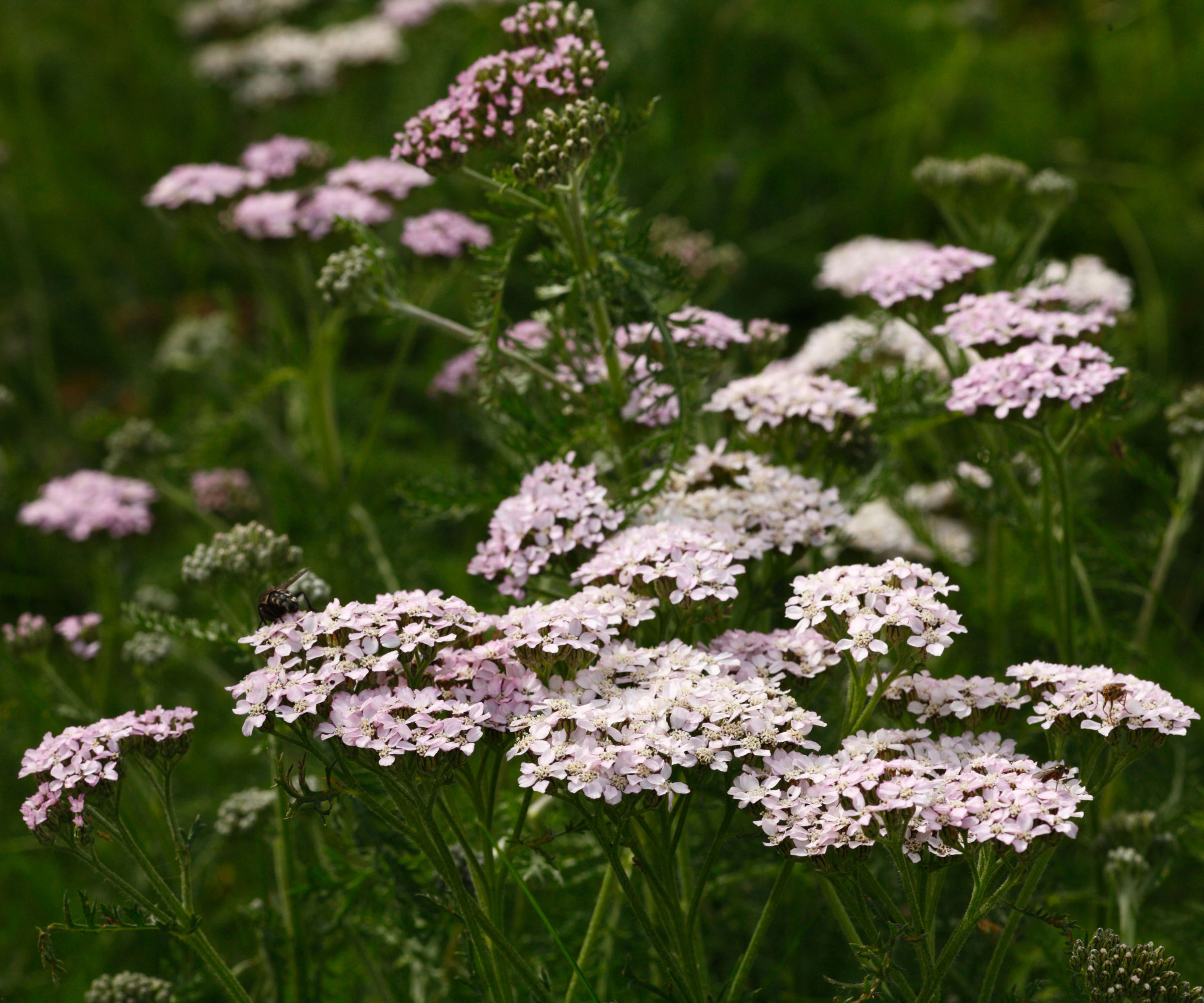
Yarrow, or achillea, is a beautiful US native wildflower with clusters of blooms that last through summer. They even make great cut flowers.
It's one of the most reliable drought-tolerant plants to have in your garden border. Plus, it's a pollinator magnet and resilient to rabbits and deer.
The one thing to note is that it's a herbaceous perennial and will dieback in winter, unlike some hydrangea foliage which is evergreen.
Nevertheless, there is a yarrow for every garden, as it comes in all colors of peach, white, yellow, pink, red, and more. Explore the full range of yarrow at Nature Hills.
To keep yarrow blooming right until fall, you can deadhead it with these Fiskars micro snips from Amazon.
5. Spirea
- USDA: 4-8
- Blooms: June-September
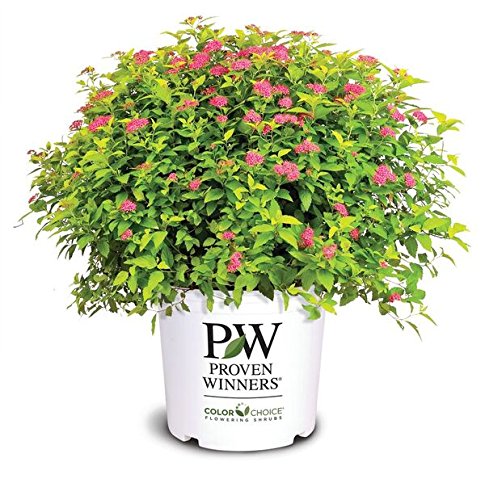
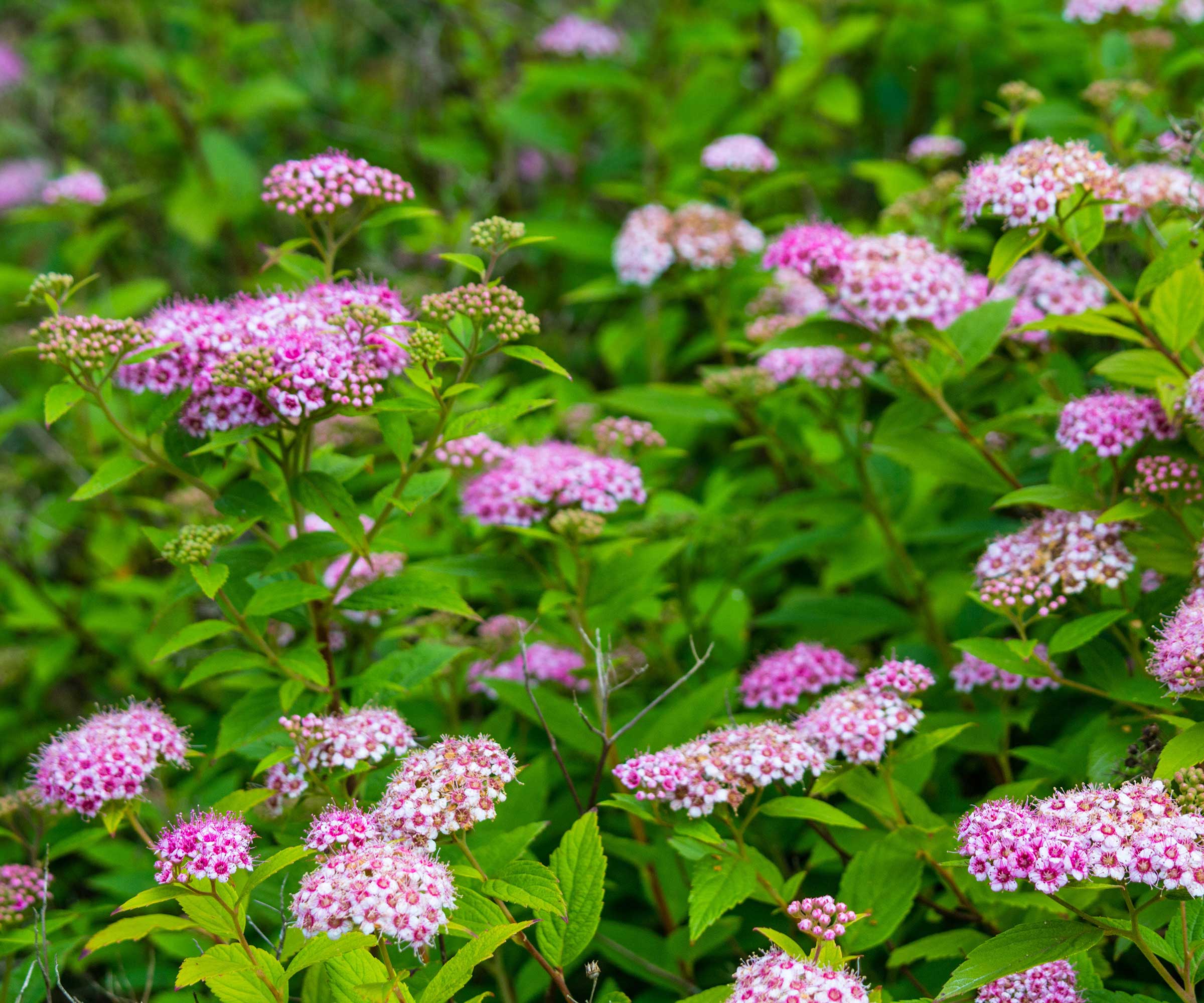
Spirea is another drought-tolerant alternative to hydrangeas to consider.
'There is a wide variety of spirea to choose from, with lots of colorful blooms from white to deep pink, and cultivars that offer glorious fall foliage,' describes Drew Swainston, Gardens Content Editor at Homes & Gardens.
'Spirea can handle periods of drought thanks to its tap roots, which allow it to find water deep down in the soil. They are adaptable, low-maintenance shrubs that can handle sun or part-shade, as well as poor soils,' he continues.
As seen among Plant Addicts' spirea collection, there are shrubs with blooms of all sorts of colors. They cluster flowerheads provide an impactful display, similar to hydrangeas but much easier to maintain.
'It is not just you who will love the blooms, they are also popular with bees, butterflies, and hummingbirds,' Drew adds.
Don't forget to prune spirea after blooming to tidy it up and get it in shape for an equally impressive returning display next year. These Felco F2 pruning shears from Amazon will make clean cuts to keep your shrub in top condition.
6. Rock Rose
- USDA: 6-9
- Blooms: May-July
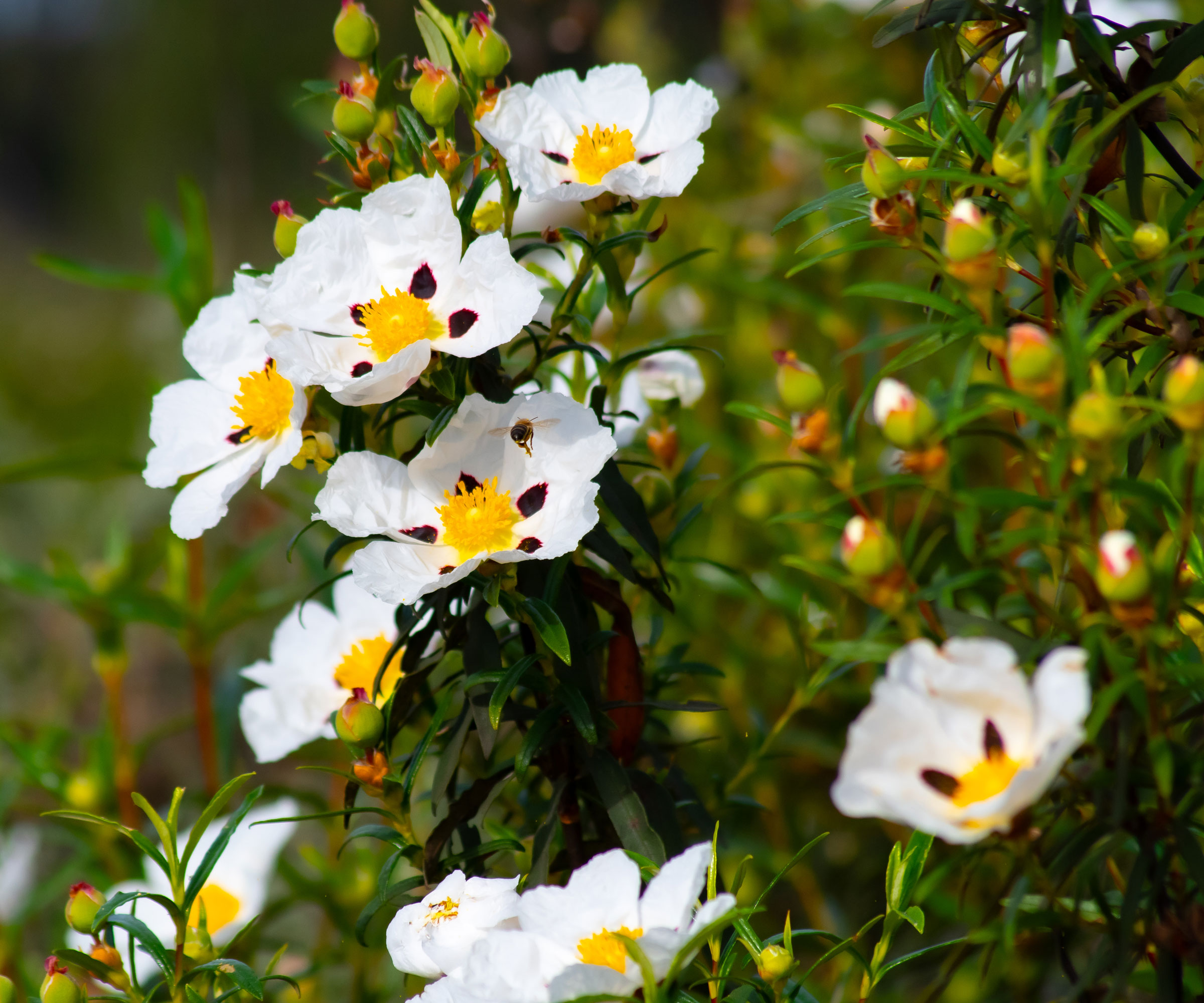
Rock rose, or cistus, is a great alternative to hydrangeas because it forms a dense, rounded shrub with papery flowers. It also has silvery, dark green foliage to provide year-round structure.
Cistus varieties are best suited to coastal gardens, where they thrive in poor, sandy soils. It doesn't demand supplemental water to rain, and it thrives in sunny conditions.
Its flowers are reminiscent of roses, but the catch is each individual bloom lasts for just one day. Nevertheless, it will keep putting out flowers until mid-summer.
The main thing to watch out for with rock rose is overly wet soil in winter, which can kill off the shrub. You can improve your garden soil and its drainage to help with this, for example by aerating and putting down compost.
You can find a cistus shrub in all sorts of colors, from white and pink (like these rock rose seeds on Amazon), to purple-red.
7. Russian Sage
- USDA: 3-9
- Blooms: July-October
While it's not a direct substitute for hydrangea shrubs, Russian sage is a reliable, drought-tolerant plant you can be reassured will last through summer heatwaves.
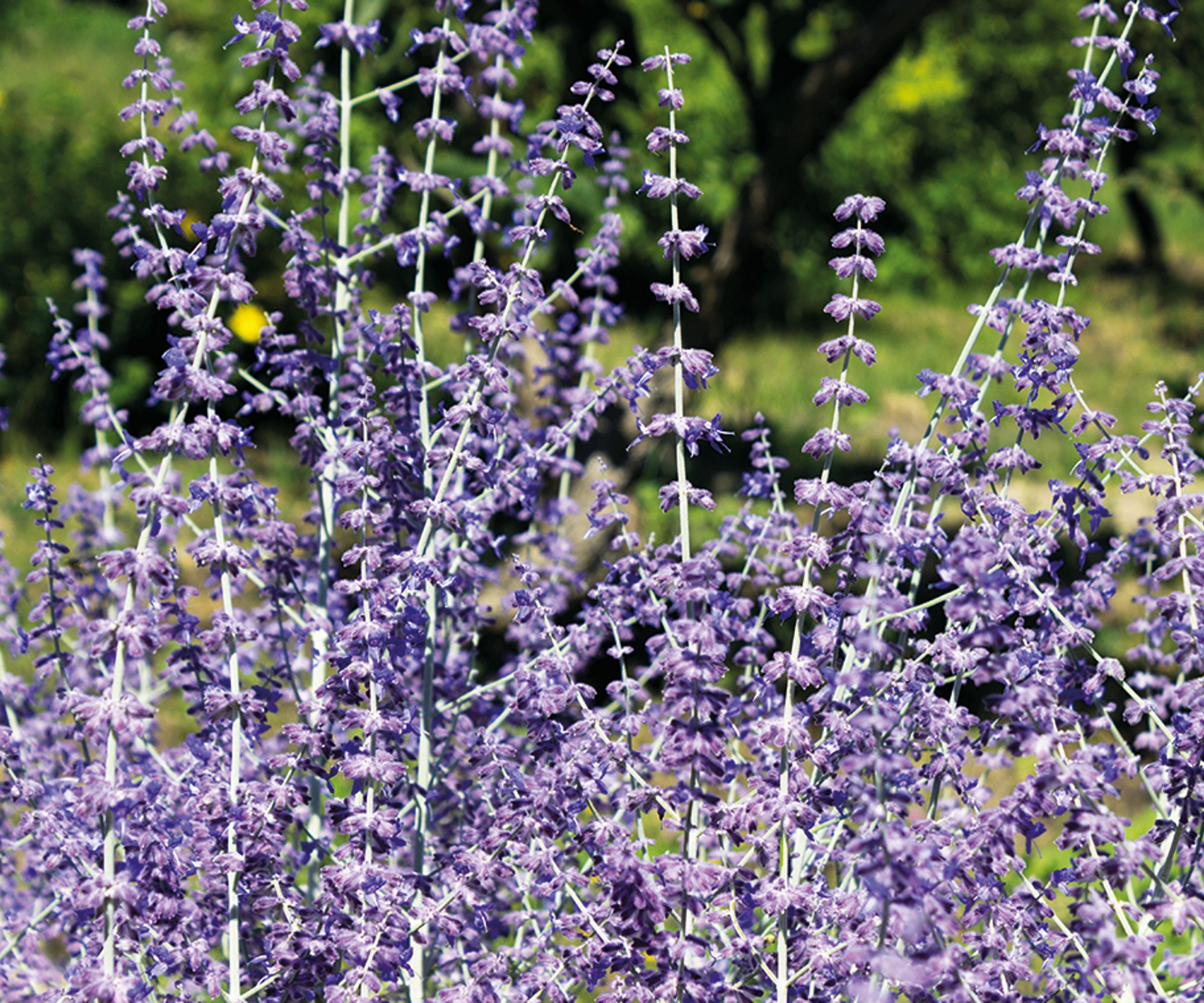
With tall purple-blue flower spikes, Russian sage offers an airier look than the dense foliage of hydrangeas. However, it packs just as much in color with vibrant blooms that last for weeks on end.
Plus, it's hugely aromatic, with a classic sage fragrance and a hint of lavender. Though, it should be noted it isn't edible and its leaves and flowers are actually toxic.
Once established, it's incredibly low-maintenance, coping well with dry spells. Its appearance is reminiscent of lavender, though it tends to have much more silvery foliage which helps it reflect sunlight and conserve water.
It also doesn't require lots of attention, other than cutting back Russian sage in late winter or early spring to ensure a vigorous display in the next season.
This is also a great plant for pollinators, so you'll spot lots of bees and butterflies around it.
You can find a Russian sage plant at Plant Addicts.
What to Shop
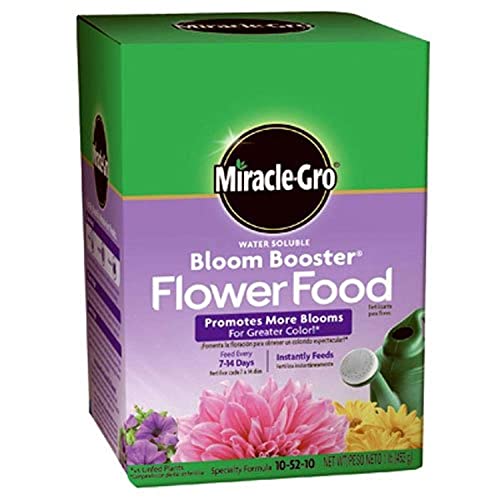
This bloom booster fertilizer is a special formula to support prolific flowering. It's water soluble to apply with ease when you water your plants.
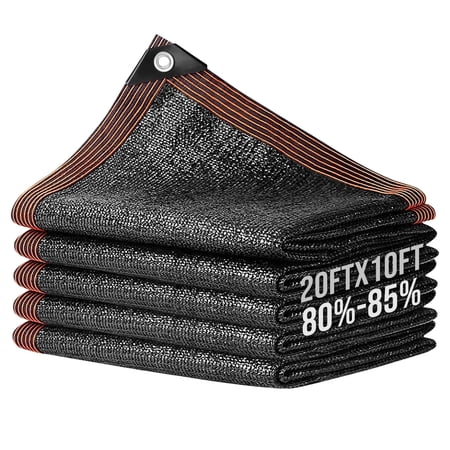
Use this shade cloth to protect your plants from intense direct sun during summer. It's an 80% shade cloth that measures 10x20ft in size.
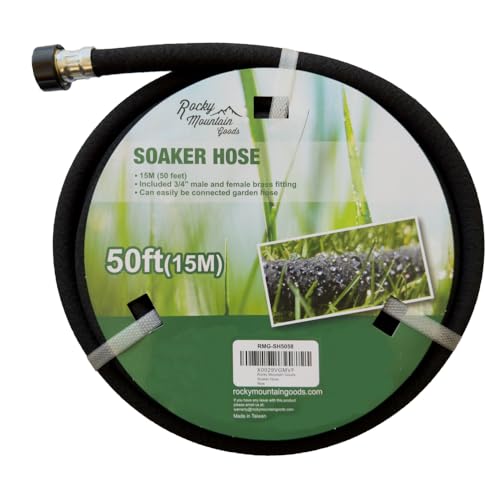
This soaker hose is 50ft in length. Its porous material allows wate to seep through and hydrate roots directly. Ideal for protecting plants in a heatwave.
As well as making strategic swaps to make your garden more resilient in extreme weather, there are plenty of things you can do to protect your plants in a heatwave. This includes moving potted plants to shade and installing an automatic irrigation system (like with this kit on Amazon) to ensure plants stay hydrated.
If you love inspiring garden ideas, outdoor advice, and the latest news, why not sign up for our newsletter and get the latest features delivered straight to your inbox?