
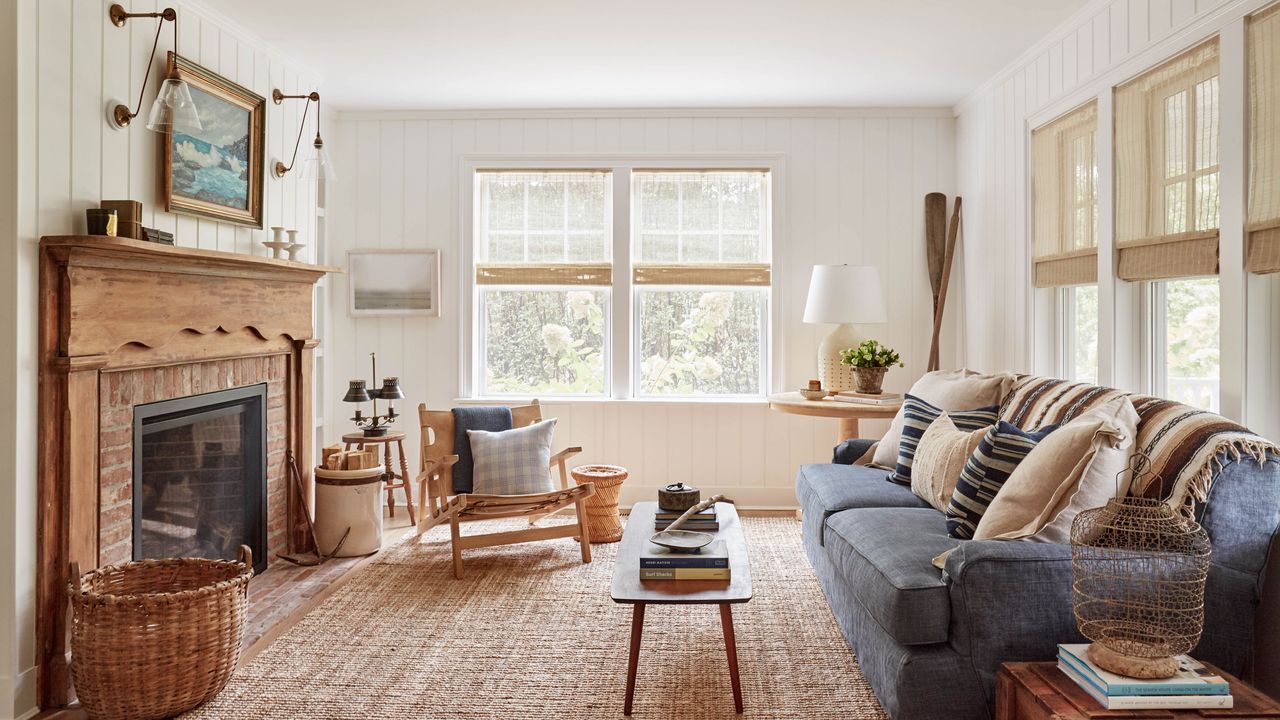
Maximizing space and style in a small room is a challenge everyone wants to solve, yet outdated decorating rules still linger in our minds. Limited furnishings, muted colors, and small-scale furniture have long made small spaces feel restrictive – but not anymore.
Today, interior designers are rewriting the small space playbook. The following rooms break every ‘rule’ you’ve been told about decorating compact spaces. Each tiny space proves that, when done right, you don’t need a lot of square footage to create a home that is both functional and beautifully styled.
Rules That Are Worth Breaking in a Small Space
Small rooms may be limited in size, but they don’t have to be limited in style. We’ve curated our favorite strategies to make a tiny space look bigger and better – clever tricks to transform even the most awkward, tiny room into a sophisticated, functional haven, no matter its shape or proportions.
Myth 1. Don’t Use Dark Colors
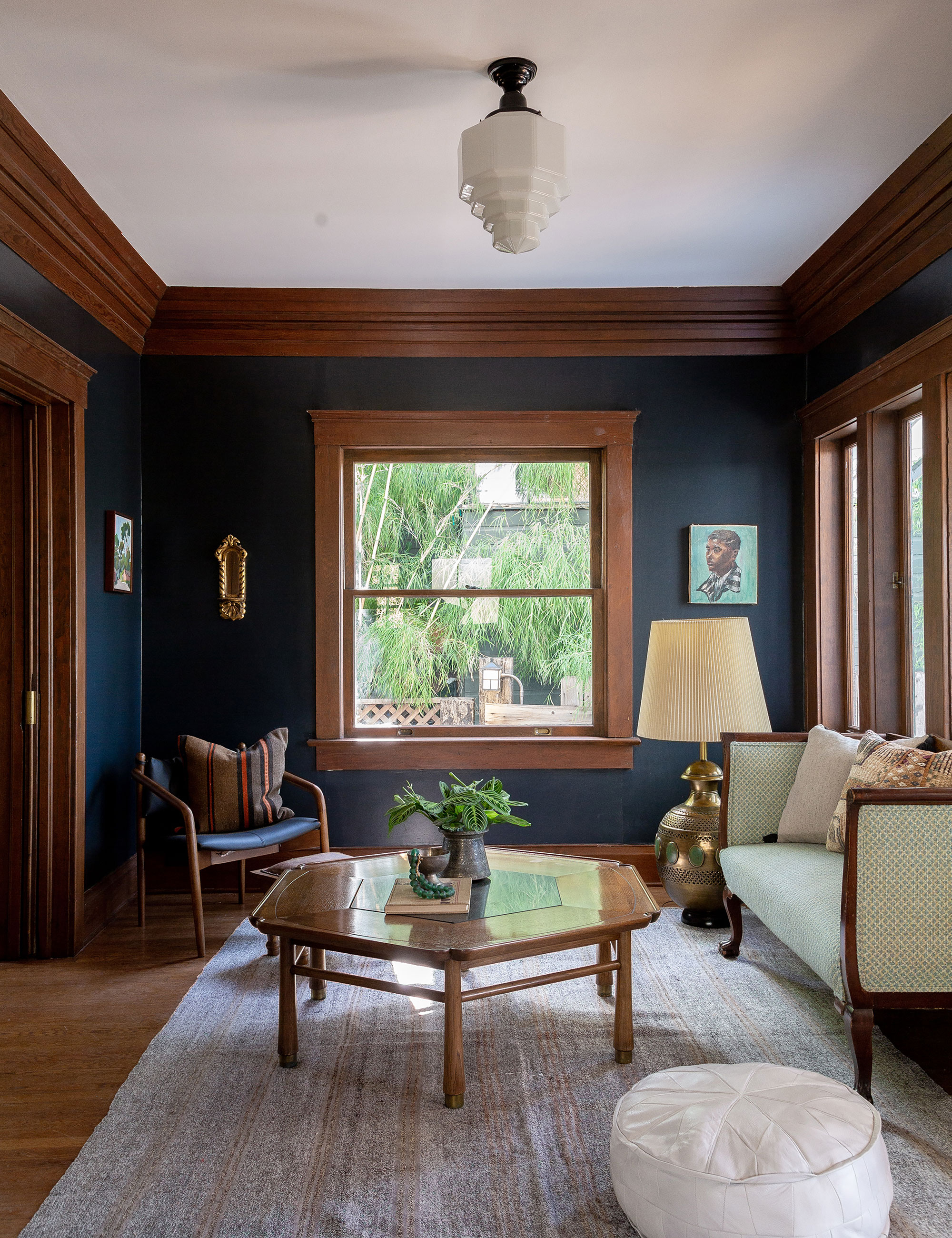
It’s a myth that dark colors don’t work in small spaces. In fact, light colors alone won’t automatically brighten a room – what matters are the right colors used well. Vibrant mid-to-dark shades can create depth and interest, and with the right lighting, they can feel warm and inviting.
'When dealing with a small or dark room, it’s best to embrace what you have rather than fight it,' says Joa Studholme, Color Curator at Farrow & Ball. 'Choose a strong color that excites you and your guests. It can make adjoining rooms feel bigger and lighter while giving the space personality.'
Using thoughtful room color ideas is also a clever way to refresh a small space on a budget, adding style and character without major renovations.
Myth 2. Use Only Small-Scale Furniture
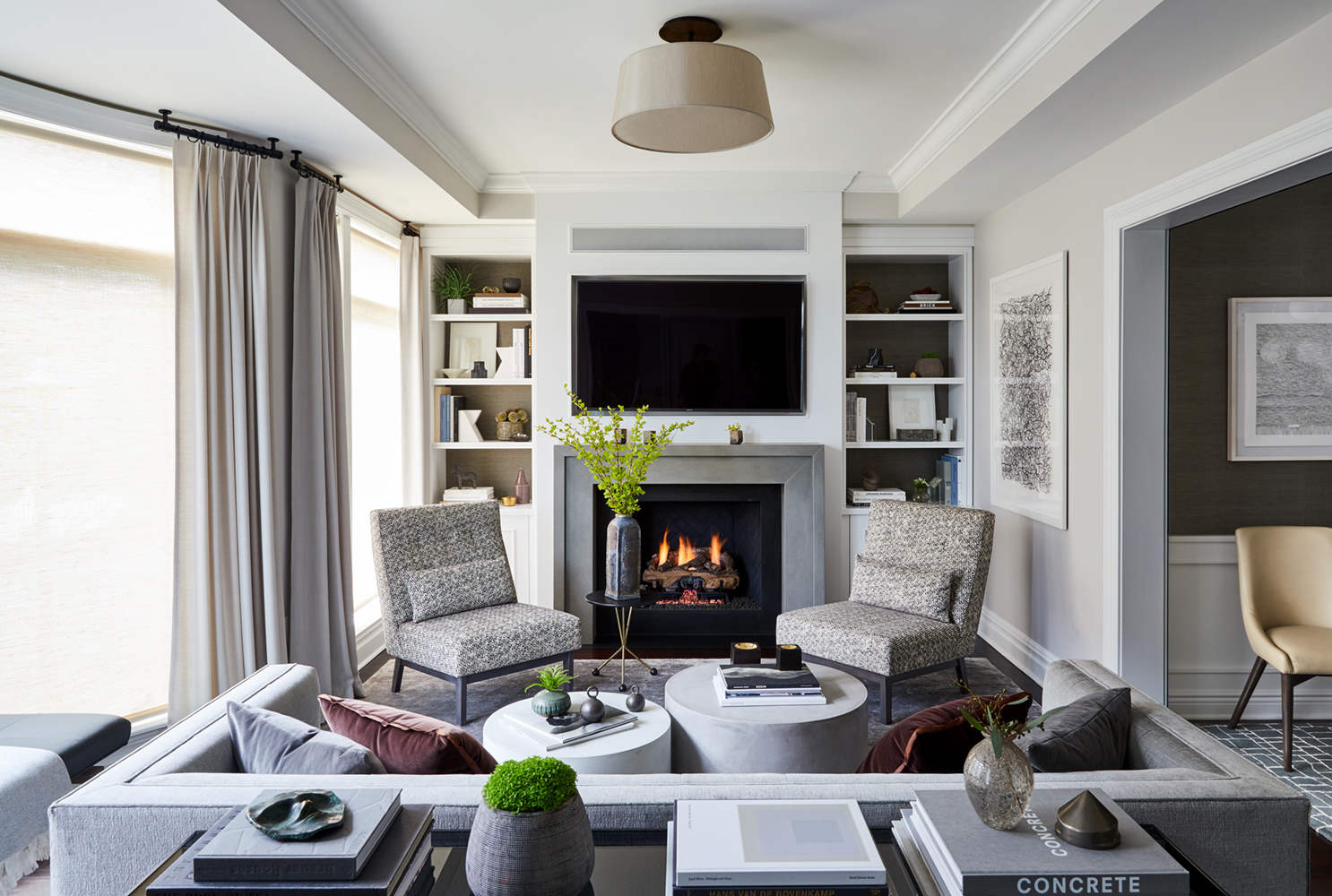
‘People often assume they should buy small-scale furniture for small rooms, but that actually makes a space feel smaller,’ says Joan Enger, Principal Designer of J. Patryce Design.
‘Don’t be afraid to fill the room – get a rug that fully sits under all your furniture, and don't buy a love seat if you can actually fit a three-seater sofa in the room. Not only will buying larger-scale furniture look better, but it will also make your experience of the space so much more comfortable: win-win!’
Choosing the right furniture is all about scale and placing the perfect pieces in the right spots. To maximize space, consider bespoke furniture or invest the time to find an antique with the ideal proportions – it can make a small room feel balanced, functional, and effortlessly stylish.
Myth 3. You Need to Keep It Minimal
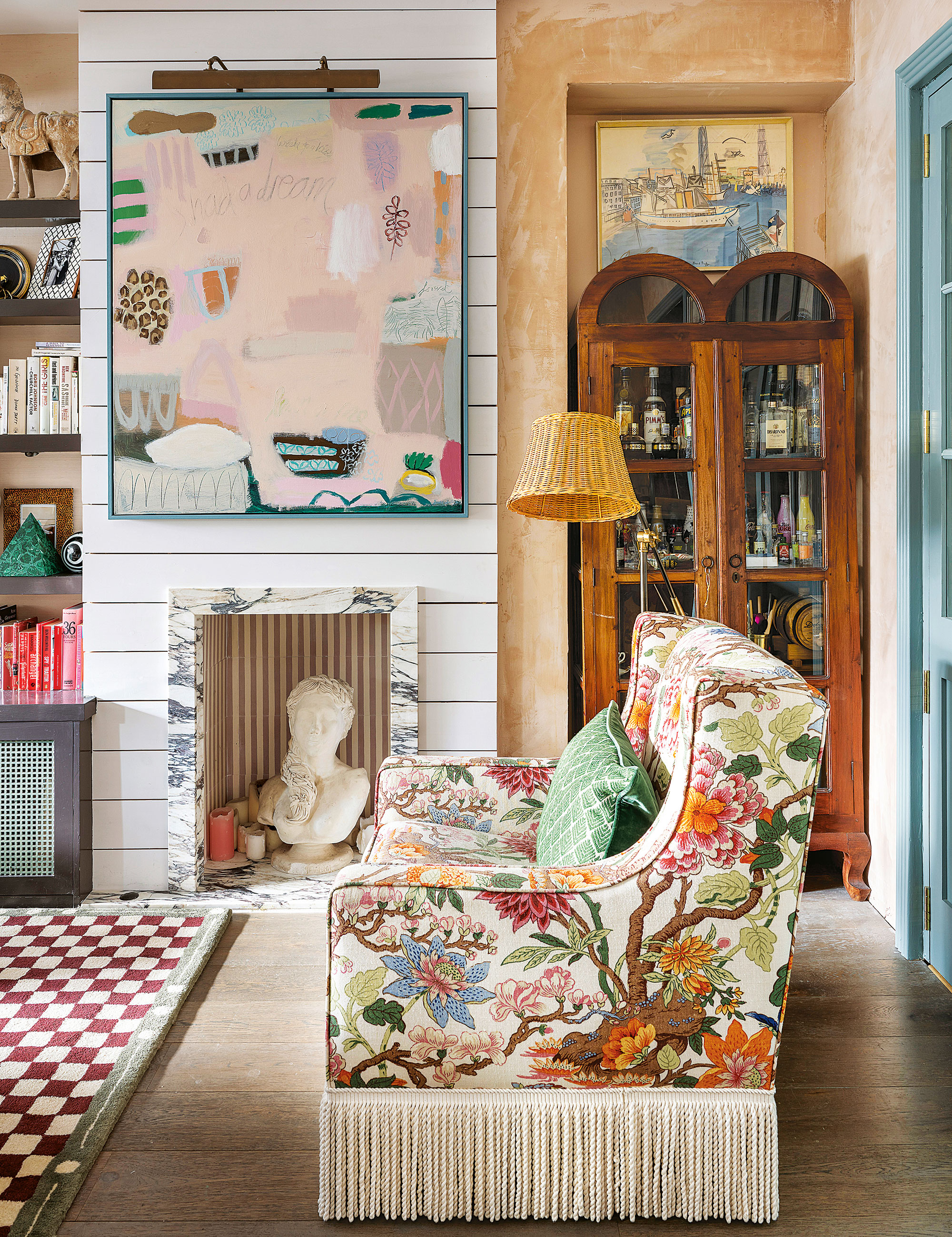
Traditionally, decorating rules favored subtle, restrained interiors – but today, designers are happily tossing the rule book aside, embracing maximalist looks in spaces that were once dominated by colorless, pattern-free design. In a small room, especially one that’s all yours, you have the freedom to be bold and playful.
I absolutely love color and maximalist decor ideas, and small spaces are the perfect place to experiment with both – every vibrant hue, patterned wallpaper, or layered accessory can make a huge impact.
‘I like to treat small rooms like an exquisite jewelry box and paint the walls a wonderful color or put up a pretty wallpaper,’ says design icon Nina Campbell. It’s the perfect opportunity to infuse personality, drama, and charm, proving that even the tiniest room can pack a big style punch.
Myth 4. Don’t Use Heavy or Statement Window Treatments
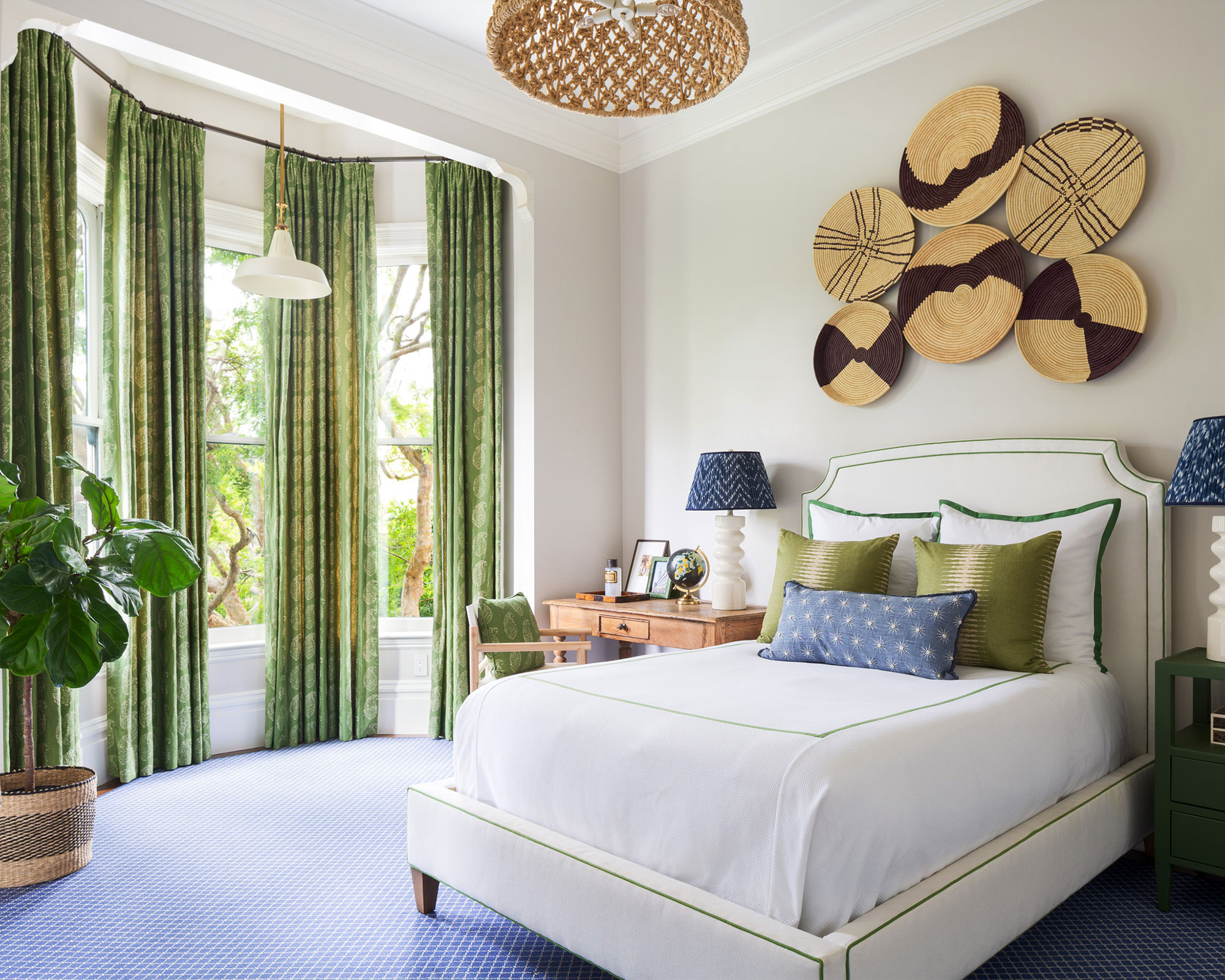
Rethink everything you thought you knew about window treatments in a small room. Statement curtains, blinds, or shutters can become one of the defining features of a home, transforming even the tiniest space into something stylish and memorable.
‘One of the easiest ways to create a decorative feature from window treatments is to choose a bold, large-scale design for curtaining,’ advises Hayley McAfee, design director at Villa Nova. ‘This can create a striking focal point and will work best on large windows where the full pattern repeat can be appreciated. If you have smaller windows, opt for a small-scale pattern for a more refined look.’
In this scheme, designed by Margaret Ash, founder of Margaret Ash Design & Home, the green curtains echo other soft furnishings in a similar palette, creating a cohesive, considered look that elevates the small bedroom into a calm yet characterful space.
Myth 5. Don’t Mix Patterns or Colors
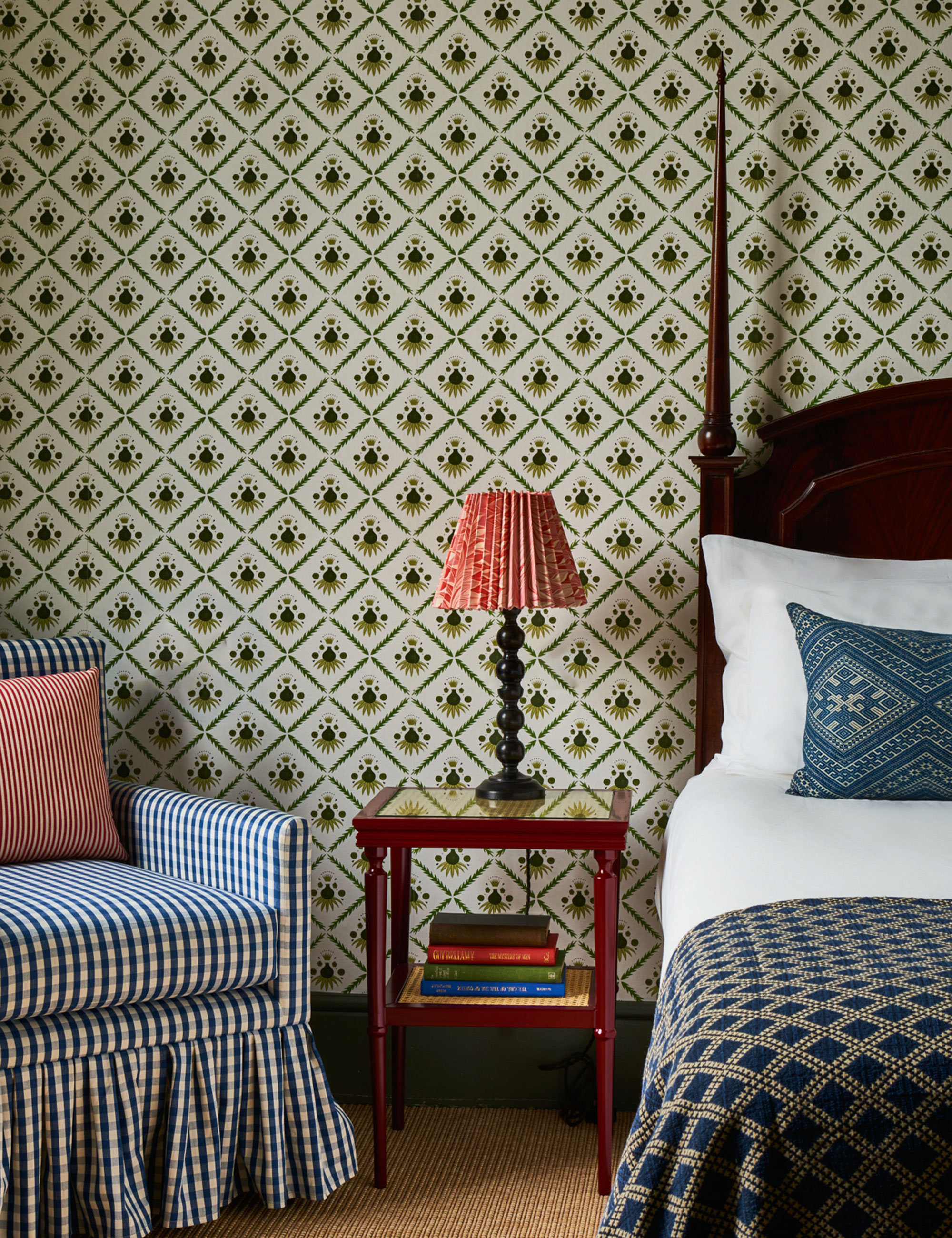
Simple, minimalist decor certainly has its place, but in a compact room, it can make a space feel flat and uninspiring. For over a decade, I’ve been mixing colors and patterns in small spaces with great success, proving that even the tiniest rooms can be lively, layered, and full of personality. Drab corners come alive with color accents, whether through a carefully curated tonal scheme or a bold, stand-alone accent for a more maximalist effect.
‘The key to mixing pattern and color in a small space is repetition, scale, and form. Hitting the same print a few times within an interior is crucial,’ says Sean Symington, director of Sean Symington Design.
‘I love using the same fabric for different applications. Scale in interior design is equally important. I think it is important to play with varying scaled patterns within a room. Finally, form is probably the most important rule of pattern mixing. Nothing makes me more excited than seeing a bold geometric next to a feminine floral. This contrast is key.’
Myth 6. Leaving Ceilings Featureless and Painted White
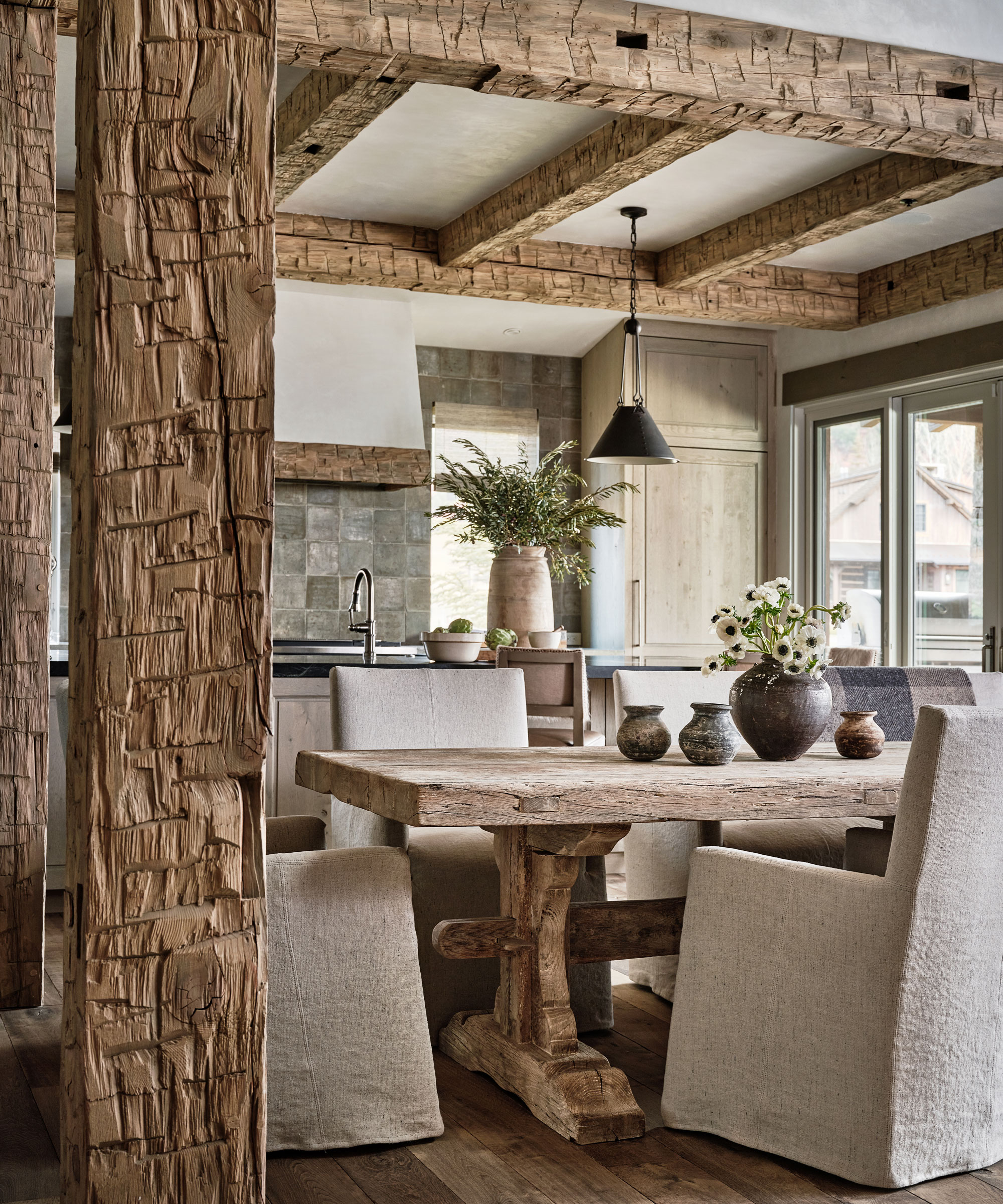
Enhancing the sense of space in a small room is important, but it’s equally wise to give the room character. Small rooms, in particular, benefit from a characterful 'fifth wall' – a ceiling that adds personality without encroaching on floor space. In older properties with visible beamed ceilings, leaving them exposed can create visual interest and open up opportunities for creative design beyond the four walls.
For a cozy and inviting take on ceiling design, interior designer Kara Childress incorporated aged timber beams and pillars, allowing the historic wooden structure to take center stage. The effect is a warm, welcoming atmosphere that celebrates the timeless beauty and strength of wood, demonstrating that a thoughtfully designed ceiling can be just as striking and influential as any other element in a small space.
Myth 7. Avoid Large or Dominant Area Rugs
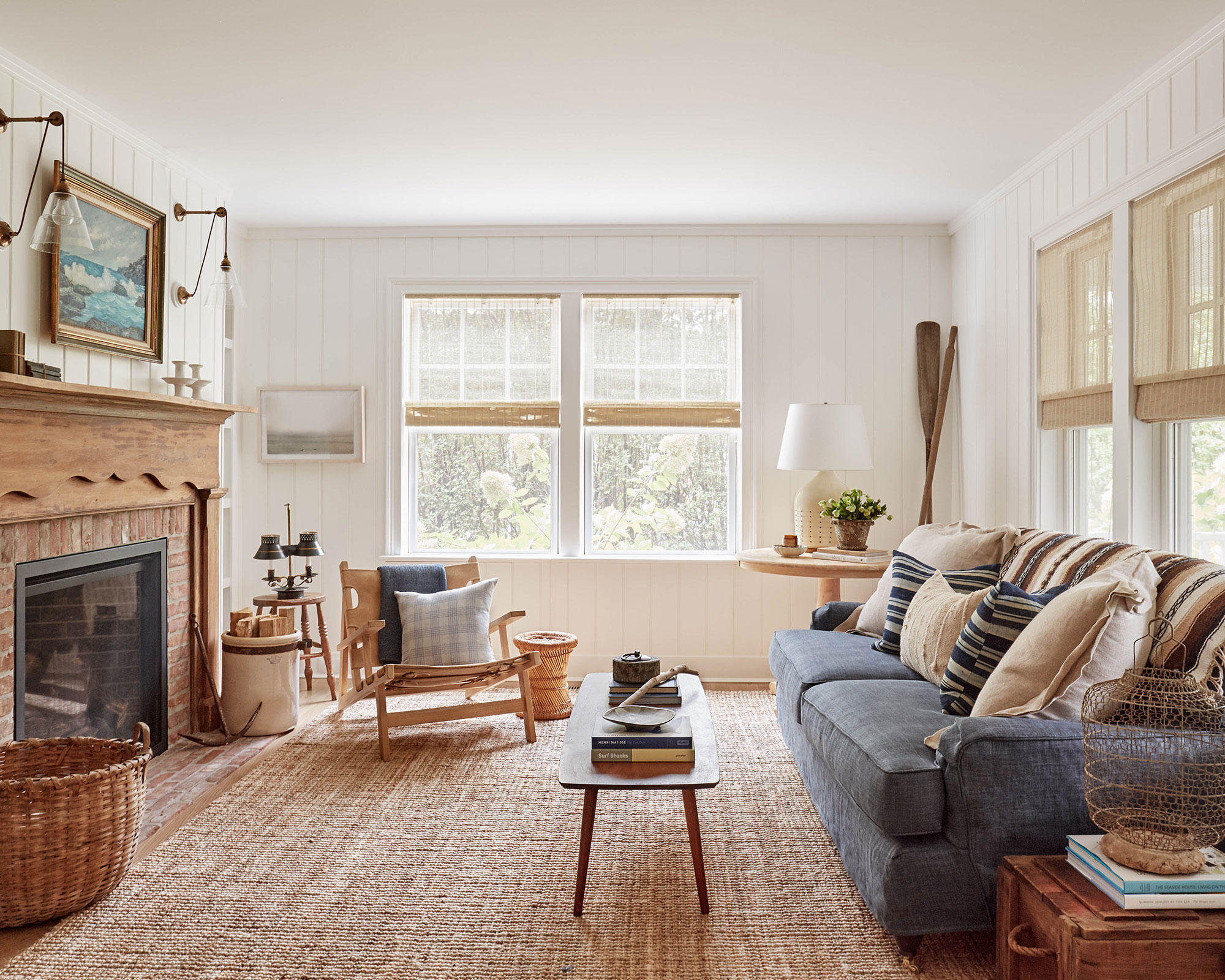
‘Rugs are completely critical to the coziness and warmth of a room,’ says Emma Pocock of Turner Pocock. ‘A common mistake is to go too small so that it ends up in the middle of the furniture. To really ground a small room, a rug needs to be big enough so that all the furniture sits on top of it.’
A large rug does more than just add warmth – it can visually expand a small space by creating a sense of cohesion and continuity. It anchors the furniture, unifies different elements of a room, and even helps with zoning: in a bedroom or living room that doubles as a home office, for example, a rug can subtly define and separate functional areas.
In the living room above, designed by Becca Casey, Founder of Becca Interiors, the rug serves as the dominant textural feature, anchoring the small space while adding depth, interest, and a sense of completeness.
Breaking the old rules of decorating can transform even the smallest spaces. With thoughtful choices in color, pattern, furniture, and texture, compact rooms can feel stylish, functional, and full of personality – proving that good design knows no size limits.