
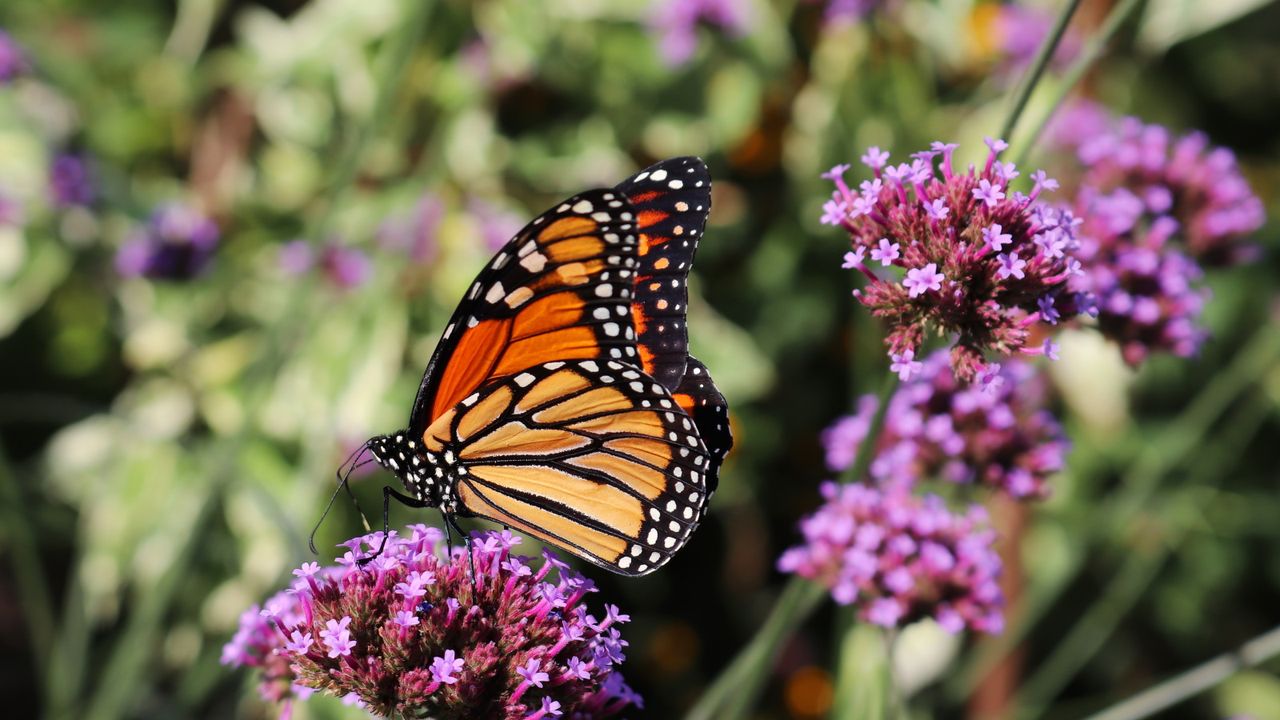
Pollinators are a crucial part of any garden, and you can plant for them in gardens of any size. Don’t be afraid to fill even the most compact of spaces with small pollinator plants to enjoy that will attract bees, butterflies, and pollinators to tiny spaces.
Small pollinator plants measure anywhere between four and 12 inches. They may be small in stature, but they can pack a punch with outstanding blooms to provide nectar to pollinators throughout the seasons.
The likes of creeping phlox, stonecrop, tickseed, wild strawberries, and dwarf varieties of popular perennial plants are perfect for small borders and containers and will attract a wealth of pollinators. So let's focus on small plants for pollinators and why they deserve a place in any compact garden space.
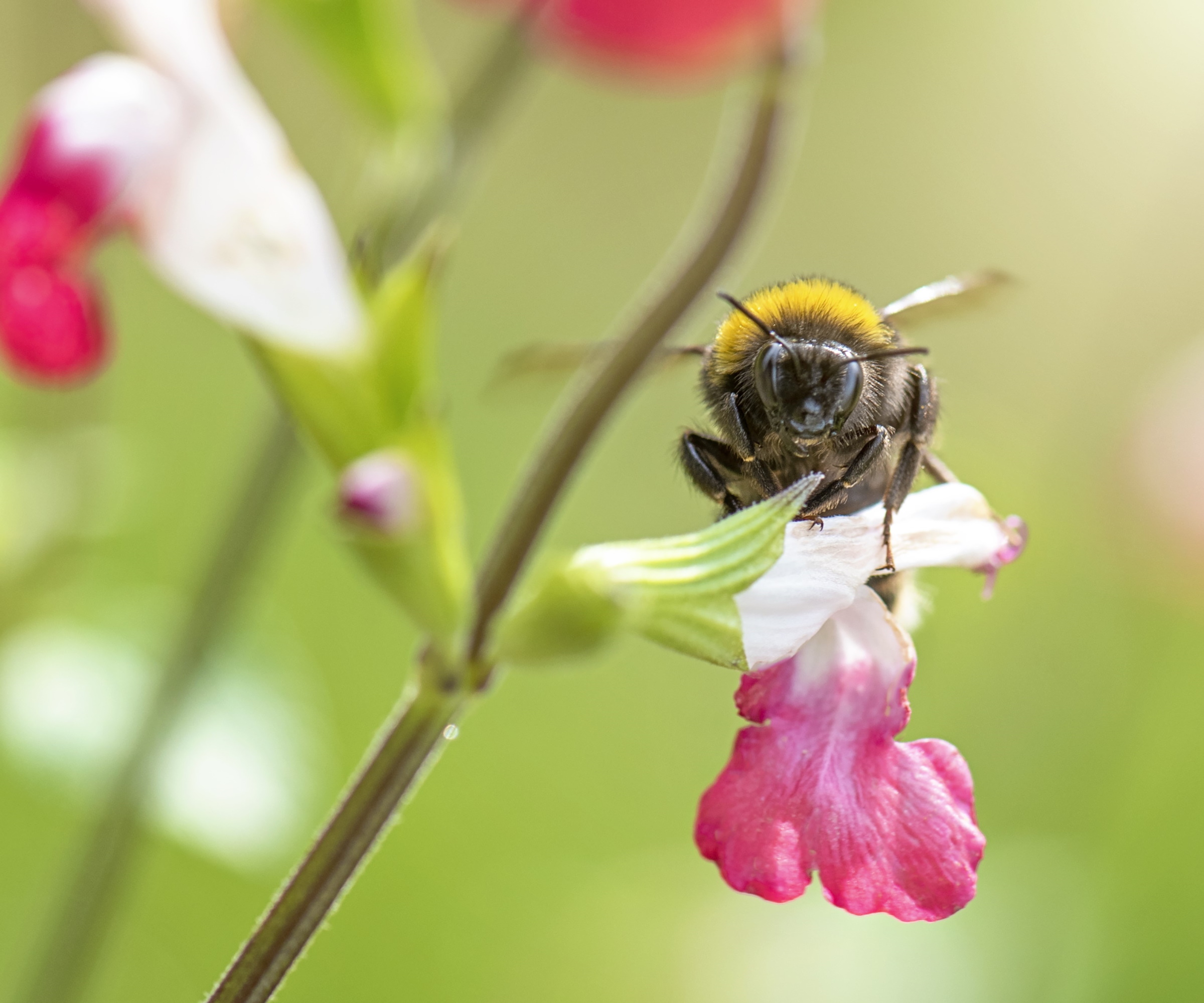
7 Native Plants for a Small Pollinator Garden
Native plants are always the best picks for attracting pollinators to any space. These plants have evolved in collaboration with local pollinators and are ideally suited to fill the needs of the wildlife in your area.
If you want a buzzing pollinator pitstop on your deck, courtyard, patio, or balcony, put native plants at the forefront of your plans.
The following small pollinator plants are all native and stay compact throughout their lifespan:
1. Creeping Phlox
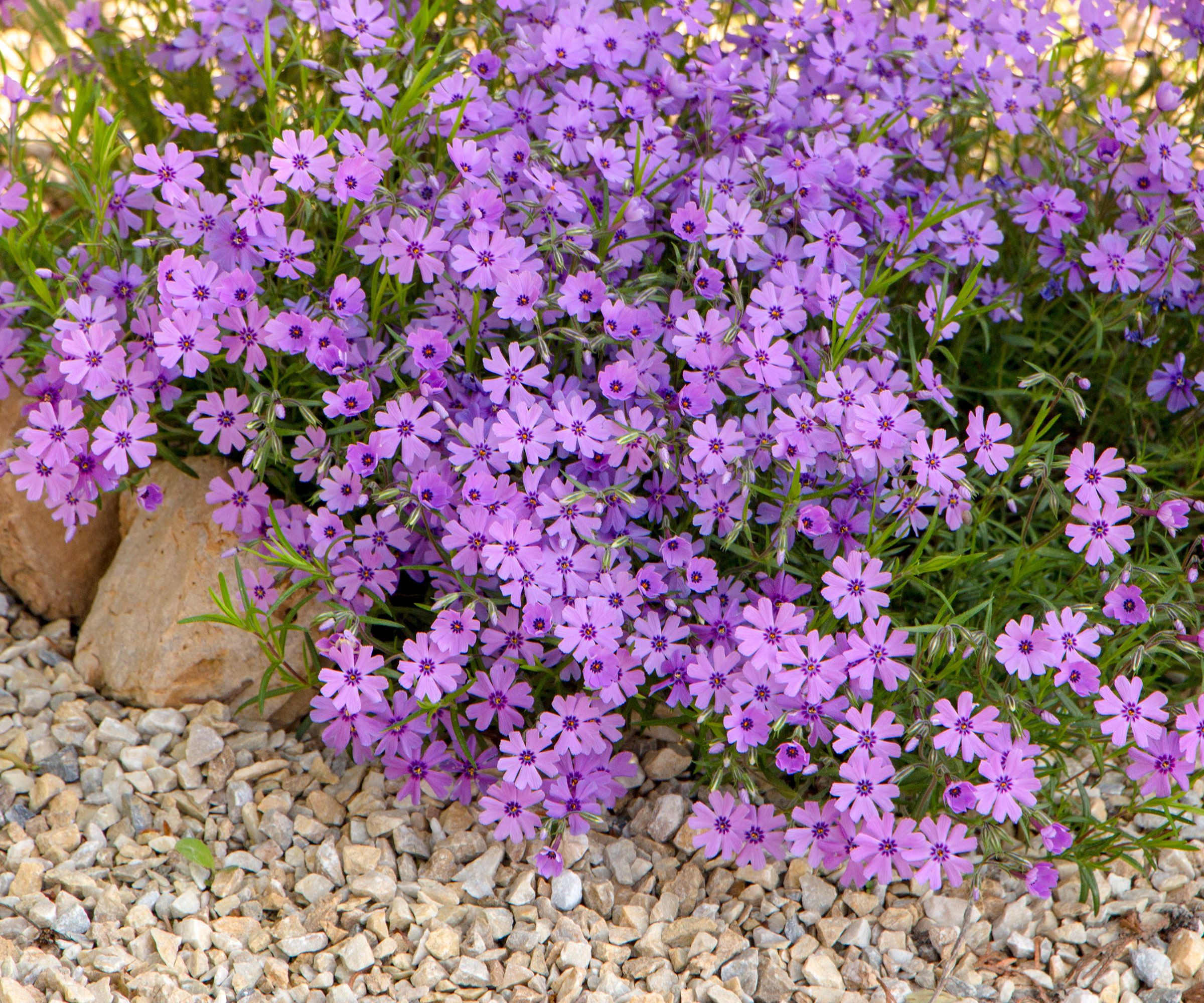
Creeping phlox, or Phlox subulata, is a low-growing plant native to the Northern Midwest US that reaches no more than 4-6 inches tall.
Its low mounds are carpeted in blooms in shades of pink, purple, blue, and white. These nectar-rich flowers appear in early to mid-spring and attract bees, butterflies, and hummingbirds looking for food early in the season.
Creeping phlox is a very versatile plant for spaces of any size. It can be a good native plant to stop weeds, and it works well for edging borders and paths. However, in smaller spaces, it can also work as a container plant when allowed to cascade over the edge of pots.
You can get a Purple Beauty Creeping Phlox at Nature Hills to grow in zones 3-9, which will be covered in lavender blooms to entice early pollinators.
2. Stonecrop
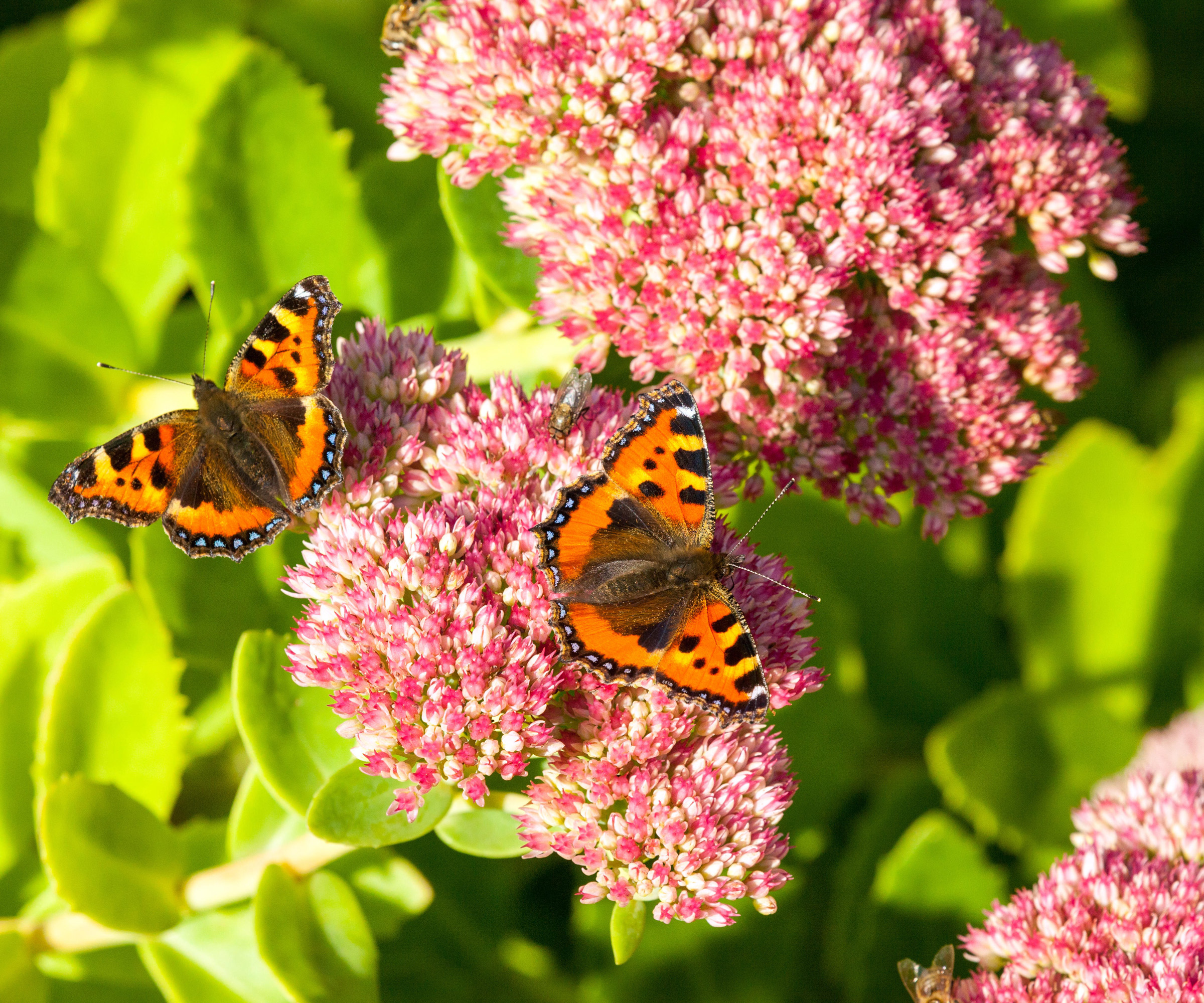
There is such a wide variety of stonecrop (sedum) plants, ranging from tiny ones to large border varieties. It is such a broad genus, but in there are some low-maintenance, drought-tolerant small pollinator plants that are perfect for tiny spaces.
Stonecrop produces clusters of star-shaped flowers. The flat-topped blooms are perfect stopping places for pollinators, and the flowers provide vital nectar for a variety of bees (including honeybees and bumblebees) and butterflies.
Sedum ternatum is native to the Eastern US and grows just 3-6 inches tall. Also known as wild stonecrop, it has white flowers with black stamens in mid-spring to early summer.
You can get a live Sedum ternatum plant at Amazon that prefers light shade and can even grow in a crevice on a wall.
3. Dwarf Beardtongue
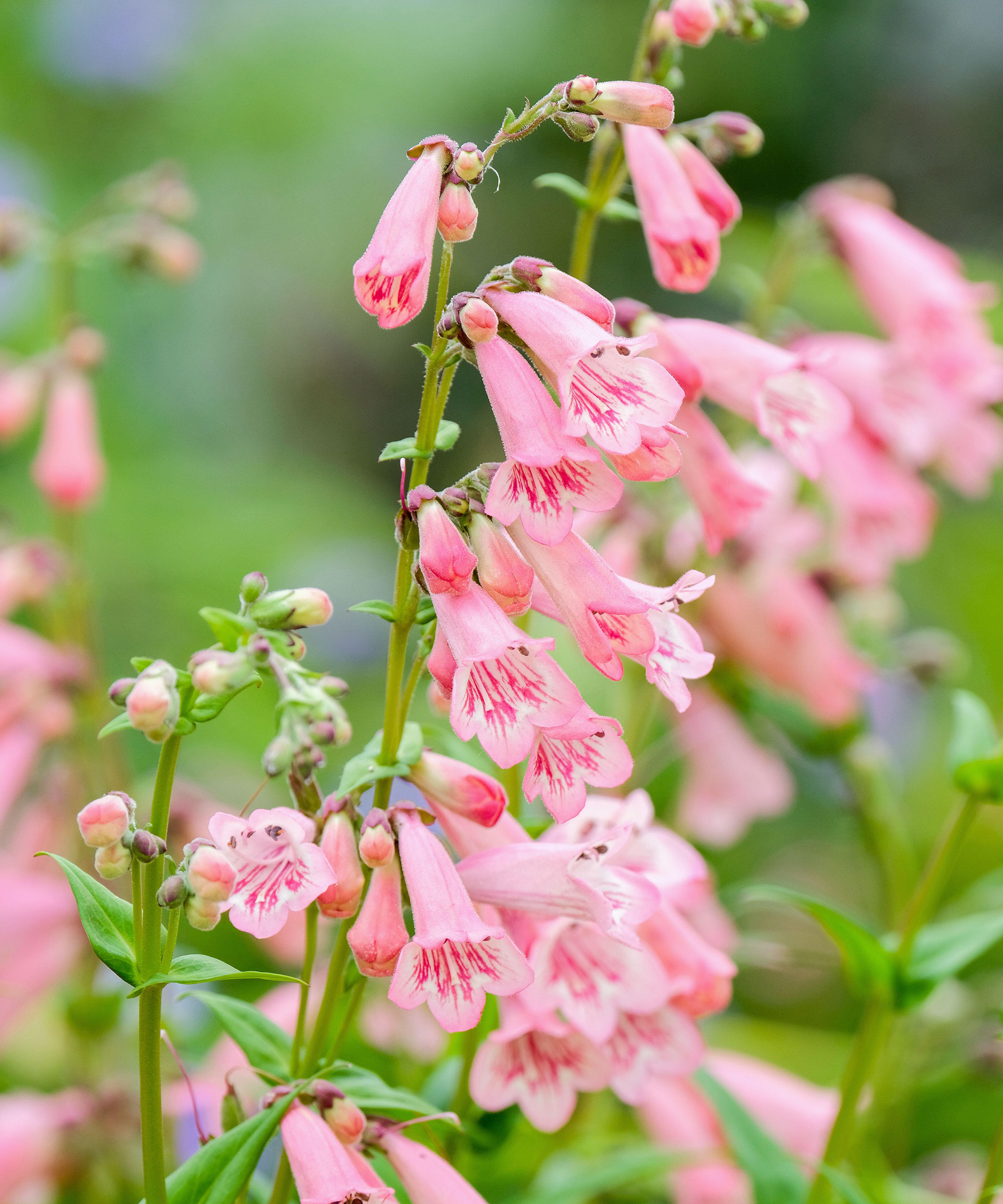
There are many different types of beardtongue, or penstemon, native across the US, and dwarf varieties make great small pollinator plants. And they don’t come smaller than the Dwarf Beardtongue (Penstemon hirsutus 'Pygmaeus') that reaches just 6-8 inches tall.
This dwarf plant offers shiny leaves that are green in summer and turn maroon in fall, along with purple-blue flowers featuring a white throat from early summer onwards. Beardtongue blooms are tubular and full of nectar, making them a great flower for hummingbirds and also attracting bees and butterflies.
A dwarf beard tongue can be planted in a small cottage garden, compact rock garden, or in a container filled with well-draining potting soil. Give it part or dappled shade, and deadhead penstemon to keep it flowering.
4. Wild Strawberries
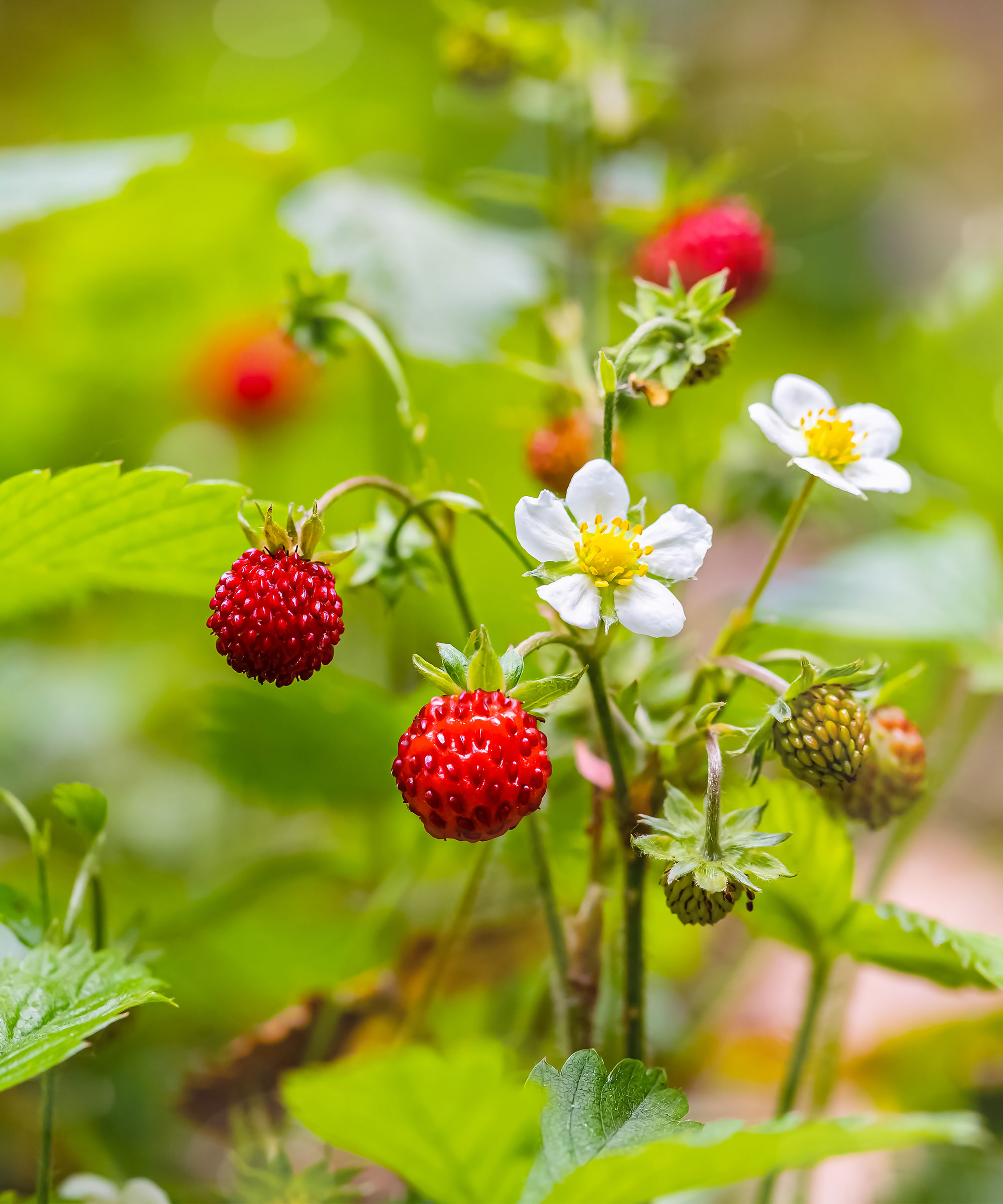
If you want a native small pollinator plant that gives you edible harvests, then look no further than the wild strawberry (Fragaria virginiana).
These native types of strawberry are low-growing and do spread where allowed. But you can grow them in a container garden for flowers and small fruits in compact spaces.
The 6-8 inch plants produce small white flowers with yellow stamens in spring, attracting a wide range of pollinators. They are a supporting plant for many butterflies and moths, plus the flowers are suitable for short-tongued native bees.
Wild strawberries can be grown as perennials in zones 4-8, or as annuals in zones 9-10. If you want to grow your own, you can get a packet of wild strawberry seeds at Amazon.
For the best results, stratify seeds in a refrigerator for a few weeks before planting. Sow the seeds indoors in spring or fall into pots filled with seed compost (such as this seed starting mix at Burpee), but don’t bury them as they need light to germinate. Simply cover them with a fine layer of soil or vermiculite.
5. Tickseed
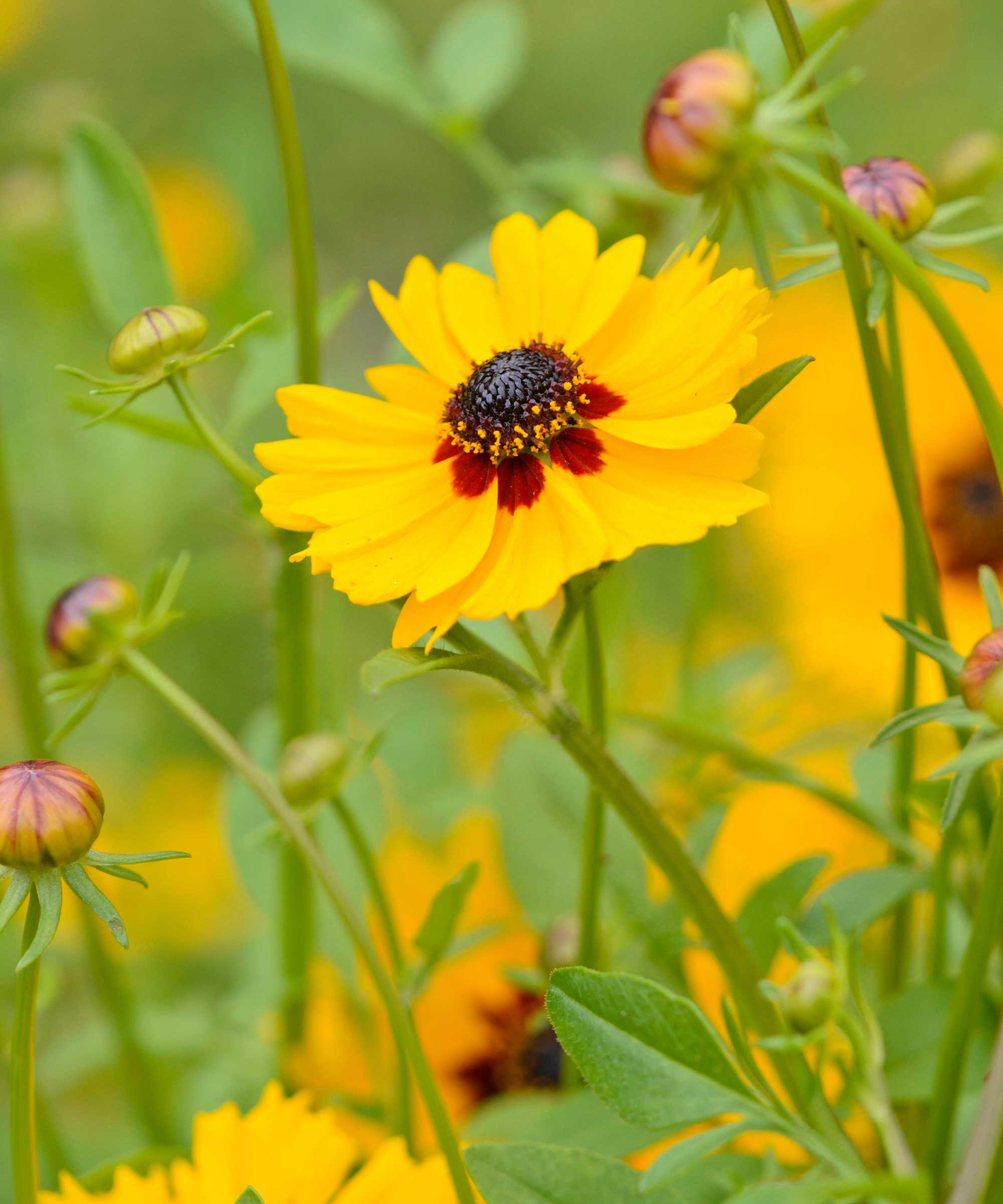
There are over 100 species of native tickseed, also known as coreopsis, across North and South. The wide range of forms, types, and colors includes annual and perennial plants that measure anywhere from six inches to four feet.
Even the smallest dwarf varieties will support many pollinators, and there is a great range to choose from if you want to find a small pollinator plant under two feet that can be a low-maintenance plant for a pot.
Tickseed is a valuable food source for many native bees and acts as a host plant for the larvae of some butterflies.
The pollinators are attracted to the daily-like blooms, which come in a wide variety of colors. And, as tickseed is one of the longest flowering perennials, there is a long season of flowers for wildlife and you to enjoy.
There are different flower shapes across the wide varieties and cultivars. However, the single-flowered varieties are always the most beneficial to pollinators as they can easily access the nectar.
I like the look of this Lil Bang Daybreak Coreopsis at Nature Hills. It is a compact form that can be kept at one foot tall, and the bright orange and yellow blooms will stand out to pollinators.
6. Dwarf Black-Eyed Susan
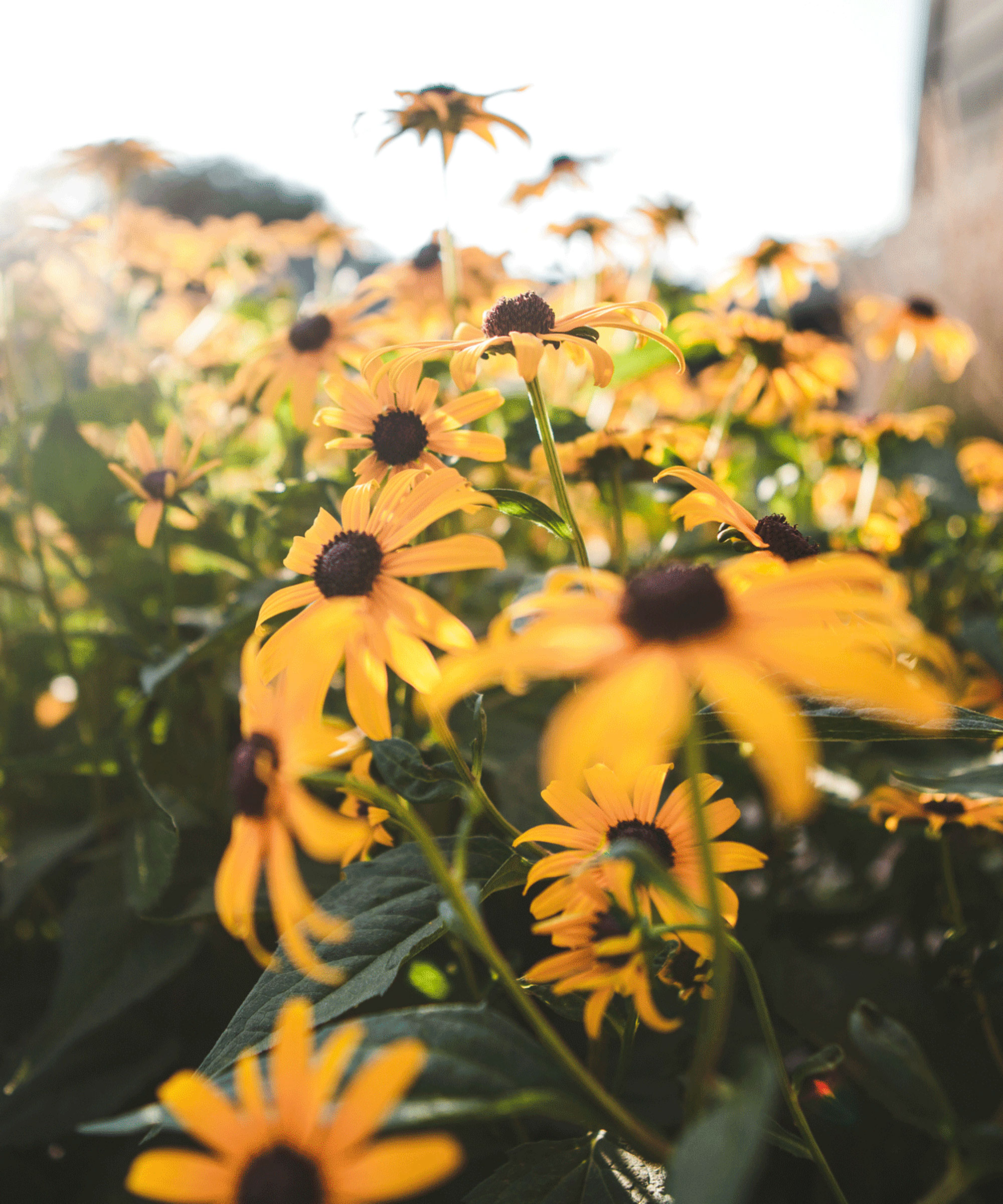
Black-eyed Susans are fantastic pollinator plants, and known to attract bees, butterflies, beetles, flies, and more to flower beds from early in the summer right until the first frosts hit in your region.
Among the many colors and sizes that rudbeckias come in, there are dwarf varieties that can be grown in pots or planters on a deck, patio, or balcony, allowing you to enjoy the daisy-like flowers and wildlife in tiny spaces.
A great example is Little Goldstar. It is a compact black-eyed Susan that reaches up to 16 inches tall, yet is jam-packed with bright yellow flowers with dark centers. You can get a Little Goldstar Black-Eyed Susan at Nature Hills.
Don’t cut back Black-eyed Susan until spring, as the dried seed heads are also perfect food for birds as part of a winter wildlife garden.
7. Melampodium
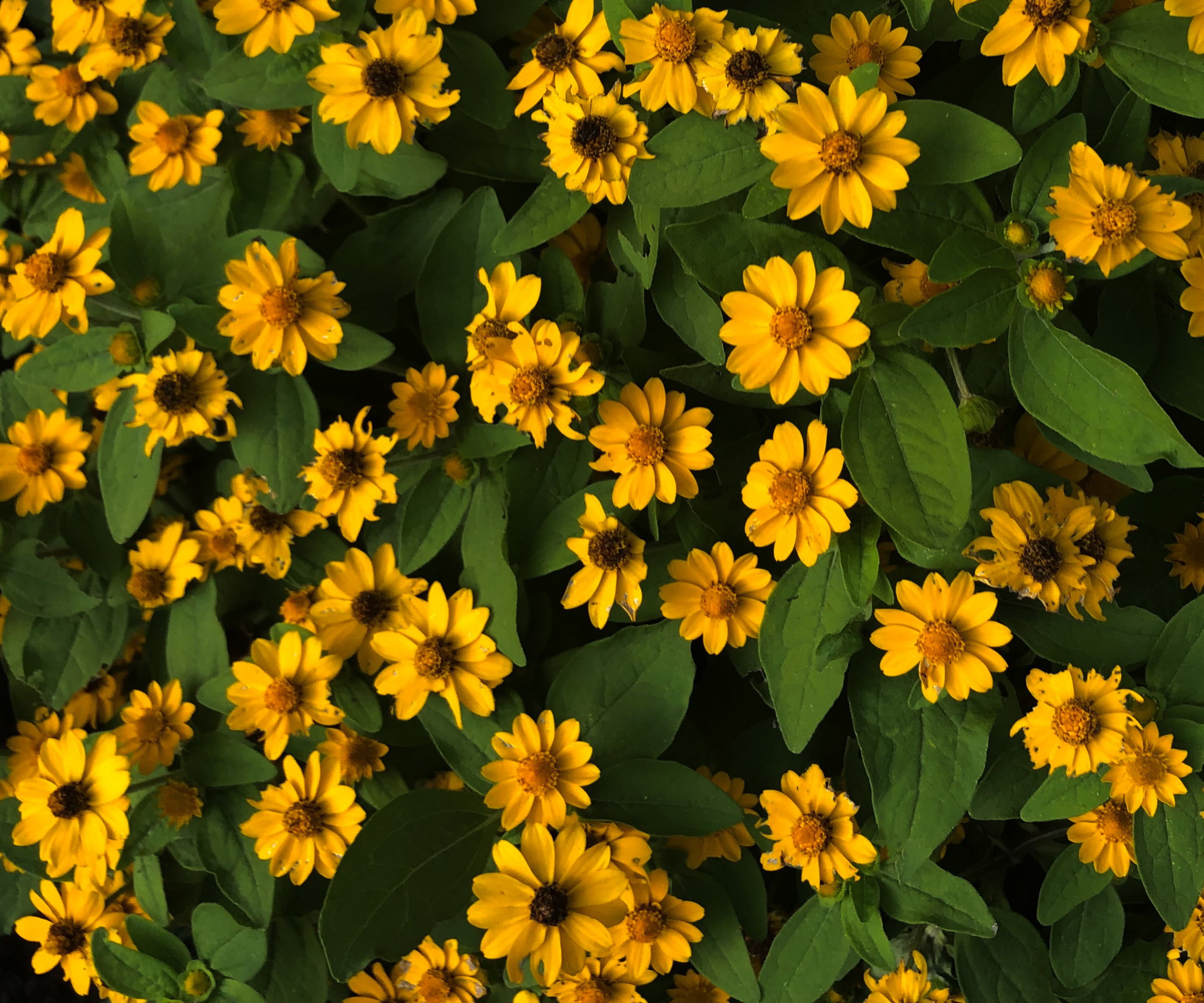
Butter daisies (Melampodium divaricatum) are fast-growing annual flowers in the aster family that grow to 12-18 inches tall.
The short plants have bright green foliage and daisy-like flowers that come in different shades of orange or yellow. These vibrant flowers are flat and hugely popular with bees and butterflies.
Melampodium plants are really low-maintenance, and that includes being self-cleaning. They don’t need deadheading, but will continue to bloom for a long period of time, potentially from late spring to the first frosts.
If you grow butter daisies from seed, the plants will start flowering within eight weeks of sowing. You can get Jackpot Gold Melampodium seeds at Burpee, which will develop into compact plants for beds or containers.
What to Shop
A mix of 24 different native wildflower seeds, including both perennial and annual plants, to attract pollinators, birds, and beneficial insects into a garden.
This planter has a 5-tier design for growing many different plants for pollinators in a small square footage. It has a strong metal frame, and each tray has drainage holes.
Add a safe water source for pollinators with these decorative flowers designed to be filled with water for bees, butterflies, and more to drink from and bathe in.
If you want to attract pollinators to your garden, you need to understand that some colors will tempt them into a space more than others.
If that has you intrigued, this guide to colors that attract bees reveals the shades of blooms you need to plant to entice the beneficial insects into your yard.
If you love inspiring garden ideas, outdoor advice, and the latest news, why not sign up for our newsletter and get the latest features delivered straight to your inbox?