I've been testing cameras since the early 2000s, and what's struck me most about this particular round-up is just how different the best compact cameras are right now, compared with even a few years ago.
To be honest, compact cameras were written off as dead a few years ago, with most companies discontinuing their compact camera lines as the best smartphone cameras became good enough for most people to leave a dedicated camera at home.
However, in a rejection of all things smartphone, compact cameras are having something of a revival, and they also offer a viable alternative to the bulk and complexity of a mirrorless interchangeable digital camera. Compact cameras are also being popularised by a youth generation rediscovering the pleasure of a dedicated camera.
What makes this selection of compact cameras genuinely interesting is the huge range of options now available, and really only the Canon IXUS 285HS and Panasonic TZ99 reflect compact cameras of the past, while the rest are going for something a little more focused. From a pocketable point-and-shoot that slips into a trouser pocket to a rangefinder-styled compact housing a 102MP medium-format sensor, these cameras all fall into the compact camera genre but serve entirely different purposes. I've tested a good variety across real-world conditions, from the studio and street to travel, video shoots, and everyday use, and I’ve been honest about who each camera is genuinely for, and what it can and can't do.
Read more: Best action cameras to ensure you never miss a shot, tested by a tech expert
The best compact cameras for 2026 are:
- Best overall – Sony ZV-1 II: £625, Amazon.co.uk
- Best for families – Canon IXUS 285 HS: £329, Amazon.co.uk
- Best for photography enthusiasts – Canon powershot V1: £989.99, Currys.co.uk
- Best premium – Fujifilm GFX100RF: £4,699, Fujifilm-x.com
- Best for creative photographers – Fujifilm x half: £499, Amazon.co.uk
Read more: The best smartphone cameras for high-quality photos, tested by a tech expert
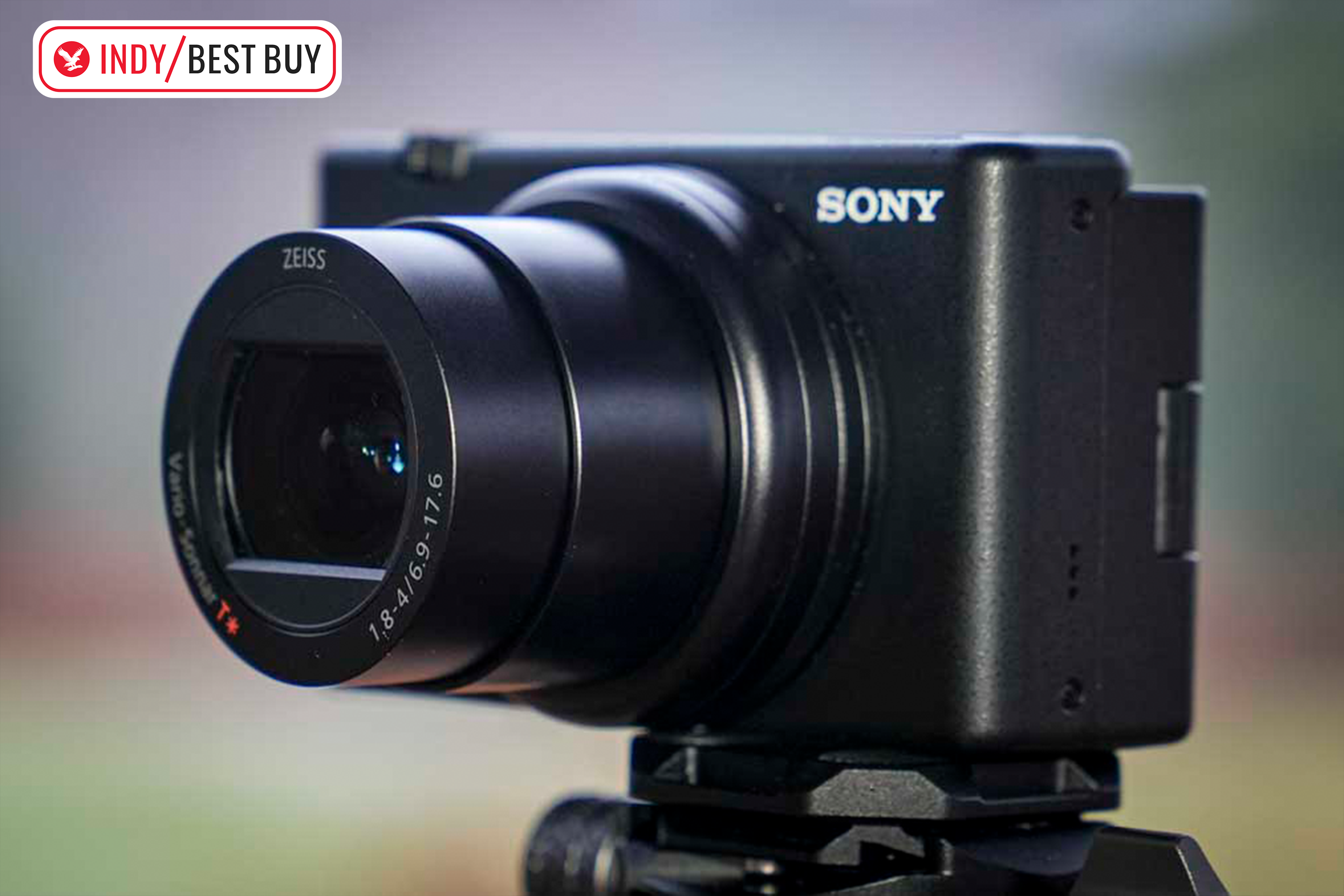
Sony ZV-1 II
Best: compact camera overall
Sensor: 1in stacked Exmor RS CMOS, 20.1MP
Lens: 18–50mm equivalent, f/1.8–4.0, 2.7x optical zoom
Video: 4K at 30fps, 4K at 120fps (Super35 crop), 1080p at 120fps, S-Log3, S-Cinetone
Screen: 3.0in vari-angle touchscreen, 1.0M dots
Audio: 3-capsule directional microphone, 3.5mm mic input, multi-interface shoe
Connectivity: Wifi, Bluetooth 5.0, USB-C, Sony Imaging Edge Mobile app
Storage: SD/SDHC/SDXC (UHS-I and UHS-II)
Battery: Approximately 260 shots per charge
Weight: 292g with battery and card
Why we love it
- Outstanding low-light performance
- S-Log3 and S-Cinetone
- Excellent auto focus
- Background defocus mode
Take note
- Zoom range limited to 18–50mm
- Battery life
- No viewfinder
The Sony ZV-1 II is the much-anticipated follow-up to a camera that genuinely disrupted the compact market when it launched, and it builds on that foundation with improved features across the board. The build quality is solid as this is designed as a working camera and it's clearly designed for everyday use by people who take their content creation seriously.
It's a little boxy in the hand but compact enough to slip into a pocket and well-balanced for use one-handed, with a fully articulated screen that is one of its most useful features. Flip it out, rotate it 180 degrees, and you can see yourself on the LCD whilst shooting, and you can see how its design has been naturally influenced by smartphone use.
The camera's setup is quick and the menu system is relatively intuitive once you've spent a few minutes with it, always a bit of an issue with sony cameras. The main exposure modes however are easily accessible with a dial on the top panel, which will be instantly familiar to any enthusiast who uses a mirrorless camera.
Like Sony’s Alpha range of mirrorless cameras the AF system in this compact is surprisingly fast and intelligent. The AF modes enable automatic subject detection and the headline feature here is that it can be used for product videos and will focus on any object that is brought up to the lens. While this may seem obvious, most cameras will recognise people, animals and vehicles over products, so this feature has been designed with content creators in mind.
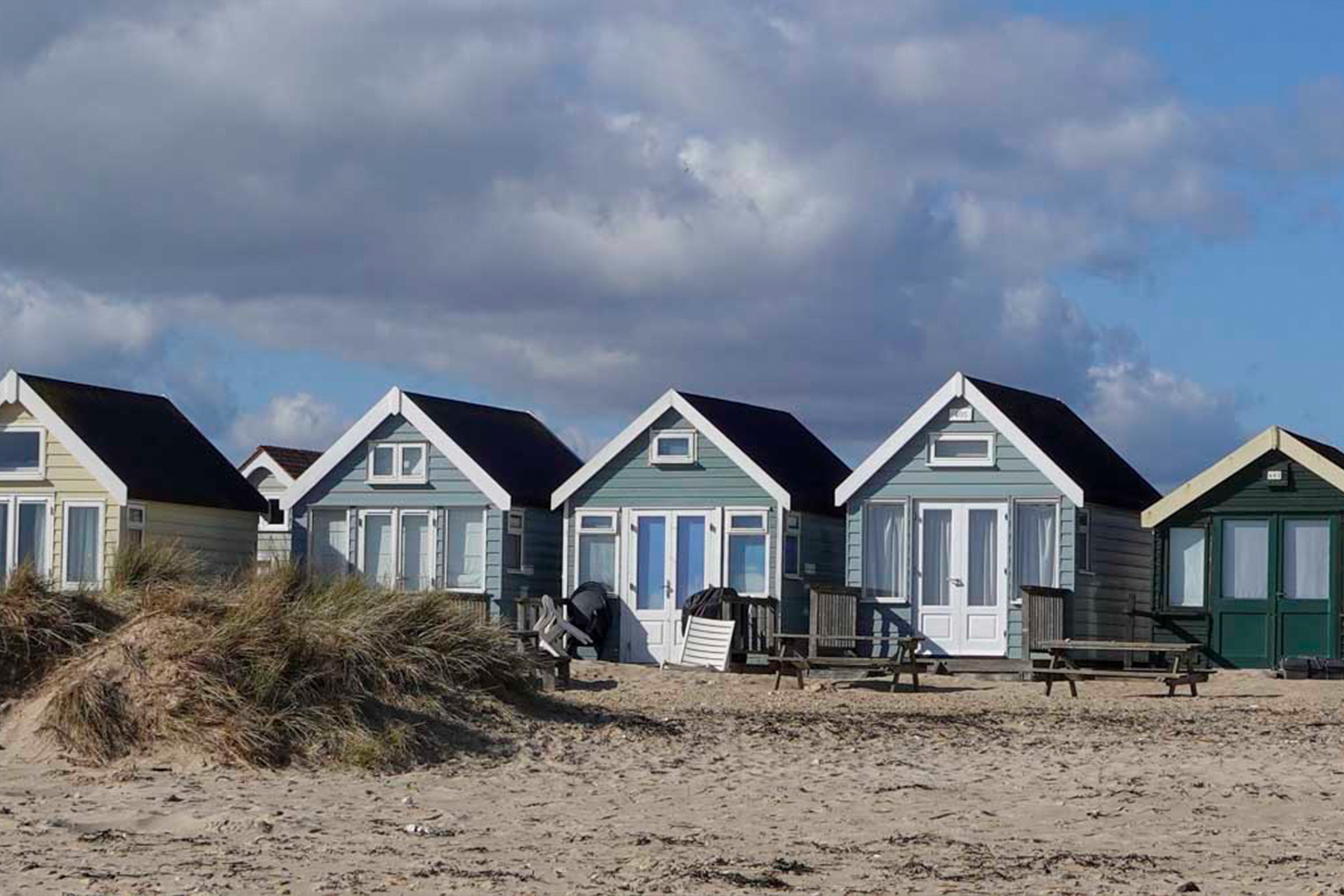
Image quality in bright daylight is excellent for a camera of this size, with the 1in stacked sensor delivering excellent colour and dynamic range that is notably better than the IXUS 285, TZ99 and x half below.
The f/1.8 maximum aperture at the wide end makes a difference for low-light shooting and gives images and video a natural blur to the background that enables subject separation at closer distances. Low-light performance overall is impressive and one of the best on test aside from the medium-format.
Video is where the ZV-1 II really stands out and is where things get interesting. This small camera is able to capture 4K at 30fps as standard, 4K at 120fps with a Super35 crop, and features the ability to shoot in S-Log3 and S-Cinetone, colour profiles. These profiles are normally associated with Sony's Alpha mirrorless range and give this small camera a video capability that makes it a serious tool for creators wanting to blend footage with higher-end equipment or to colour grade their footage.
The background defocus mode works exceptionally well too, and through the test proved to be able to produce a natural optical-quality background separation that is a level above what any smartphone manages. The Sony app is pretty decent and the connection is fast, which is useful if you're shooting from a distance.
Once again as I was with some of the other compact cameras on test the 18–50mm equivalent zoom range suits vlogging and travel photography, although is limited, anyone wanting a telephoto will quickly find its limits. If you do need a zoom then look to the TZ99 below. Battery life at around 260 shots per charge is relatively low, and I would definitely advise a spare battery. Compared with the Canon PowerShot V1, the ZV-1 II is the better choice for video, whilst the V1 is better suited to photographers who want stills quality and manual control first.
Buy now £624.99, Amazon.co.uk
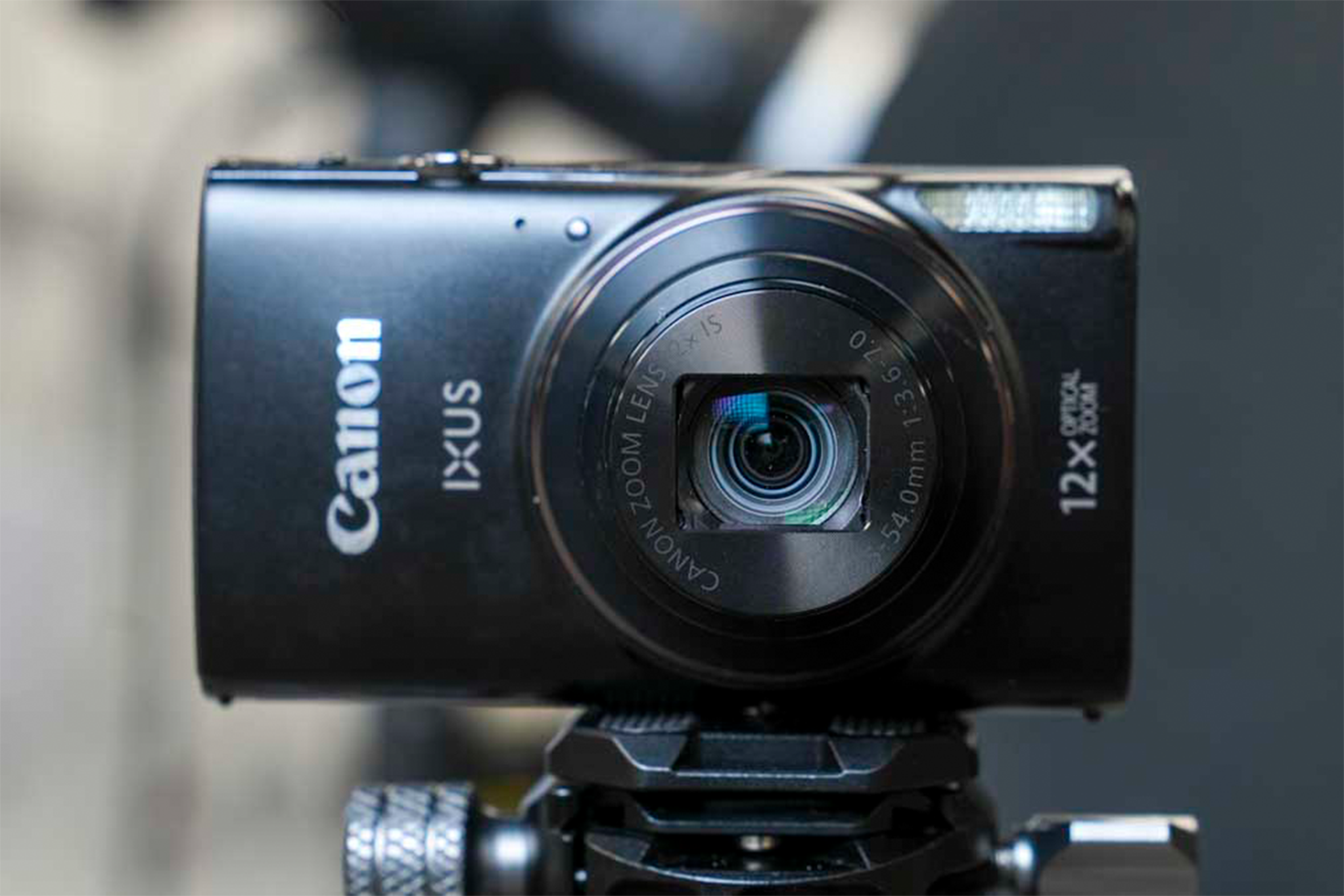
Canon IXUS 285 HS
Best: compact camera for families
Sensor: 1/2.3in CMOS, 20.2MP
Lens: 25–300mm equivalent, f/3.6–6.9, 12x optical zoom
Video: 1080p Full HD at 30fps
Screen: 3.0in fixed LCD
Connectivity: Wifi, NFC, Canon Camera Connect app
Storage: microSD
Battery: Approximately 180 shots per charge
Weight: 132g with battery and card
Why we love it
- Point-and-shoot simplicity
- 12x optical zoom
- Wi-Fi and NFC
- Lightweight
Take note
- Average low-light performance
- No touchscreen
- Wi-Fi pairing feels dated
The Canon IXUS 285 HS is something of a throwback to the early 2000s, with a familiar slim design that has changed very little since the original IXUS range was released, and that's entirely the point. The build quality is exceptionally high for such a small camera, and if you want a traditional compact that slips into a pocket and delivers reliable point-and-shoot results, it offers excellent value at this price.
Getting started couldn't be more straightforward. Pop in the rechargeable battery and a microSD card, set the date and time, and you're shooting within a couple of minutes of opening the box. The menu is intuitive enough that even if you’re completely new to compact cameras, you won't need to reach for the manual, and the auto mode covers virtually everything without any input from you.

Handling is deliberately slimline; this is a camera designed to slip into your pocket rather than sit comfortably in your hand for hours as you’d expect from a mirrorless camera, but the wrist strap helps, and its light weight and compact design make it easy to use and hold. If you shot with an IXUS back in the early 2000s, this will feel immediately familiar.
In good light, the image quality is excellent and really highlights why these IXUS cameras are so sought after, with bright, vibrant colours and the kind of results you'd want from an everyday go-anywhere camera. The 12x optical zoom is a great feature, and it holds up well when it comes to image quality, across the full range, from wide landscapes to zoomed-in wildlife shots on holiday. In lower-light conditions, the small sensor does show its limits, with colour and tonal graduation dropping off noticeably. Switch on the built-in flash, and you get a distinctly vintage quality to the results, not unpleasant and, in fact, a look that many are after, and honestly, it’s what this camera is about.
While there is a distinct retro air about this camera, the connectivity options are more modern than the body suggests. Wifi and NFC connect to the Canon Camera Connect app for remote live view and shutter release from your smartphone. The pairing process is less seamless than the Bluetooth-first approach of newer cameras, but it works well once you've been through the setup. The one thing worth noting here is that this is a 2025 refresh of a design that's been around since 2016. The IXUS 285 HS is a step back in time and is genuinely usable as a great compact for families and anyone travelling who wants something better than a phone without any of the complications.
Buy now £369.99, Amazon.co.uk
Canon powershot V1
Best: compact camera for vlogging and content creation
Sensor: 1.4-type CMOS, 22.3MP stills / 18.7MP video
Lens: 16–50mm equivalent, f/2.8–4.5, built-in 3-stop ND filter
Video: 4K at 60p (crop), 4K at 30p (uncropped), 1080p at 120fps, 10-bit C-Log 3
Screen: 3.0in vari-angle touchscreen, 1.04M dots
Audio: 3.5mm microphone input, multi-function shoe, built-in stereo mic
Connectivity: Wifi, Bluetooth 4.2, USB-C
Storage: SD/SDHC/SDXC
Battery: Approximately 250 shots per charge
Weight: 426g with battery and card
Why we love it
- 10-bit C-Log 3 video
- Fully articulated touchscreen
- Built-in cooling fan
- Intuitive Canon Camera
Take note
- No weather sealing
- Larger and heavier than most
- 50mm maximum zoom
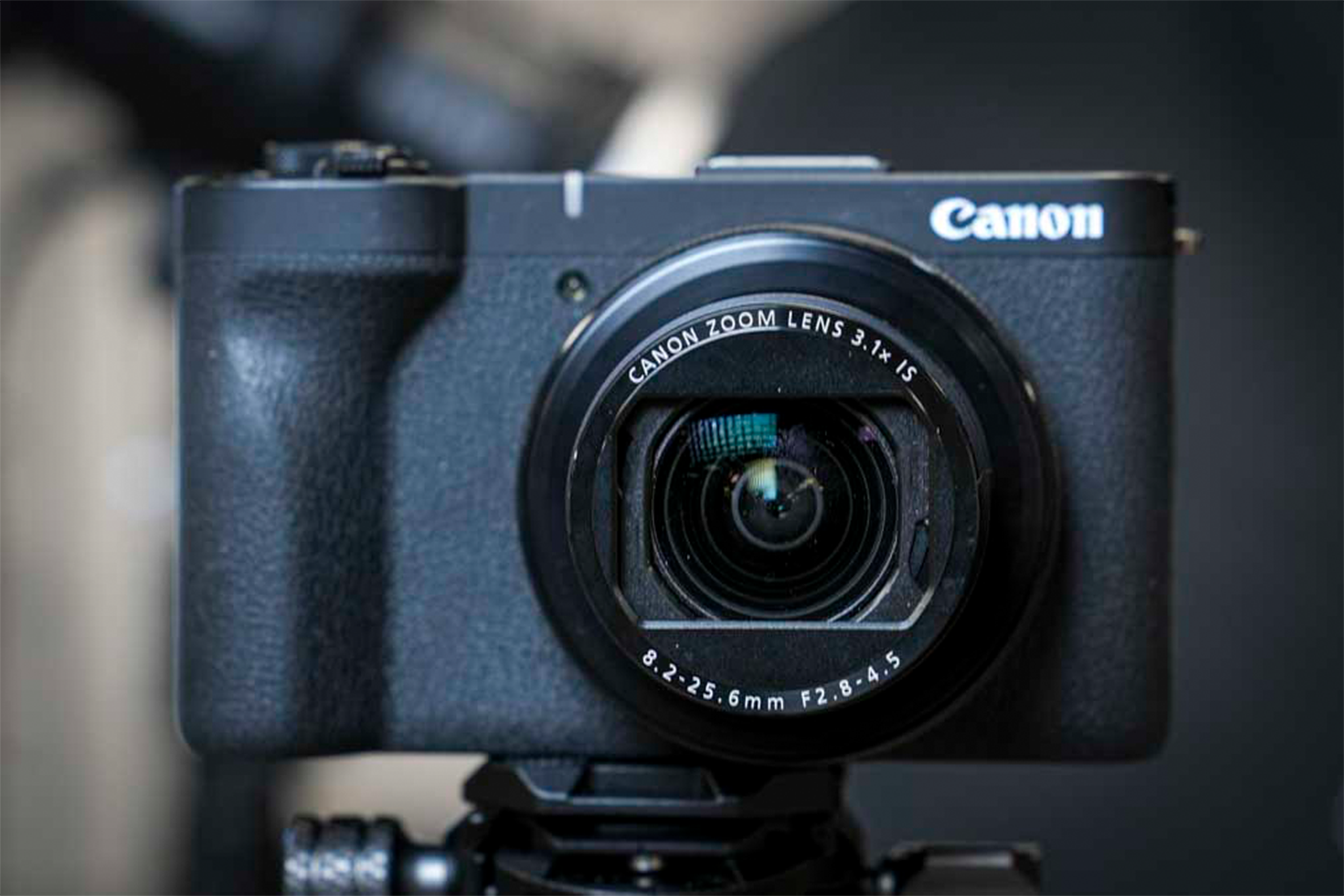
The Canon powerShot V1 sits at the premium end of the compact camera market, and the build quality immediately reflects that. This is a camera aimed at enthusiasts who want the functions and feel of a mirrorless system in something more portable. This small camera even has a few features I wish that Canon would introduce to their larger cameras, such as the built-in three-stop ND filter.
Setting up the PowerShot V1 takes a couple of minutes: battery and SD card in, date and time set, and then the fully articulated touchscreen makes navigation feel much the same as the larger cameras. The exposure modes, for example, mirror those of a Canon mirrorless camera, with programme auto, aperture priority, shutter priority and full manual shooting modes all available on the mode dial. For a beginner, it might feel a little overwhelming, but for an enthusiast or working photographer, the control layout will instantly seem familiar.

The handling of the PowerShot V1 is another step up from the smaller cameras on test, including the small IXUS 285 HS. There's a proper grip, albeit subtle, and the dials and buttons are where you'd expect them. The 16–50mm equivalent focal range is ideal for landscapes and vlogging; it also covers portraits at the 50mm maximum reach. However, this limited zoom range will seem limiting to anyone who needs to zoom in on wildlife, so if you’re looking for a zoom camera for Safari, for instance, then you should look at the cheaper Canon IXUS or the Panasonic TZ99.
Image quality in bright daylight is on a par with many mirrorless cameras. The larger 1.4-type sensor, which is roughly Micro Four Thirds in size, is able to capture excellent colour and tonal graduation. In lower light, you can still see the limits of a camera this small compared with a full-frame body, but results remain genuinely good at higher ISOs.
Video is another area where the V1 really stands out with a surprising depth of options. Shooting 4K at 60p, 1080p at 120fps, 10-bit C-Log 3 and S-Cinetone in a body this compact is outstanding. The small body actually contains a built-in cooling fan that enables extended recording, preventing overheating, whilst it is audible if you listen for it, it’s not intrusive. Shooting in C-Log3 is a great option for anyone wanting to shoot footage that can then be colour graded in a video editor such as DaVinci Resolve or blended with more professional equipment.
The Canon Camera Connect app is used across the board and here proves to be reliable when used for remote shooting, which makes the V1 a great option on a pole for overhead or elevated shots where a drone isn't practical. The only real concern at this price is the lack of weather sealing.
Buy now £989.99, Currys.co.uk
Fujifilm GFX100RF
Best: premium compact camera
Sensor: 102MP medium-format BSI CMOS, 43.8 x 32.9mm
Lens: 35mm equivalent (28mm full-frame equiv.), f/4, fixed, built-in 4-stop ND filter
Video: 4K at 30fps, 1080p at 60fps, F-Log / F-Log2
Viewfinder: 0.5in OLED EVF, 5.76M dots, 0.84x magnification
Screen: 3.2in tilting touchscreen, 2.36M dots
Connectivity: Wifi (2.4/5GHz), Bluetooth 4.2, USB-C, hot shoe
Storage: Dual SD UHS-II slots
Battery: Approximately 460 shots per charge
Weight: 735g with battery and card
Why we love it
- 102MP medium-format sensor
- Huge dynamic range
- Machined aluminium controls
- 20 film simulation modes
Take note
- Fixed 35mm equivalent lens
- 4K video limited to 30fps
- The price
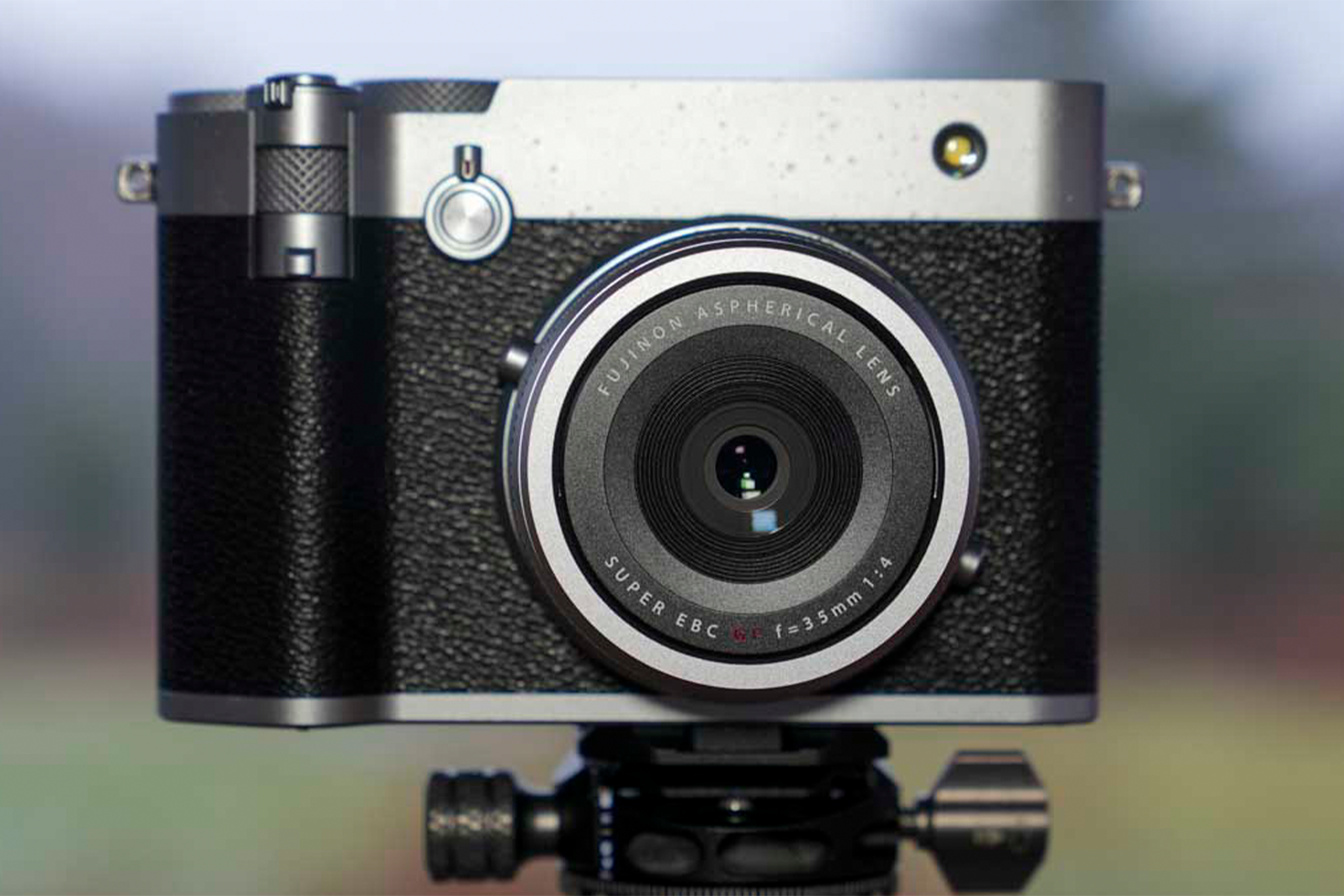
The Fujifilm GFX100RF is something completely different to all other compact cameras. Its compact dimensions give nothing away about what's inside, essentially a 102MP medium-format BSI CMOS sensor, larger than the APS-C and full-frame sensors in most mirrorless cameras. The design is distinctly retro with the RF standing for Rangefinder style Fixed lens, which as well as the huge sensor means that it works in a completely different way to most through the lens cameras. The difference is apparent from the moment you pick it up with the premium quality machined aluminium dials, clean top plate, EVF offset to the left, and a fixed 35mm equivalent lens on the front. Unless you know what you're looking at, there's nothing to suggest this camera costs the equivalent of a decent second-hand car.

Fujifilm cameras can take a little getting used to, the controls for instance are never quite the same as any other brand with shutter speed and exposure compensation directly accessible on physical dials. Most other main functions can be accessed using the Q button, and the film simulation modes are available via a dedicated dial on the back. Like all the other cameras in the Fujifilm range that I've tested, once you've spent a short period with them everything clicks into place. If you're new to photography, the price alone makes this a non-starter. For keen enthusiasts and working professionals, the learning curve is brief, and the reward for how tactile this camera is, is instant.
The fixed 35mm lens means that there is no zoom. If you want the subject larger in the frame, you move closer. If you want more of the scene, you step back. It's a deliberately traditional way of working, and for anyone used to shooting with a fixed focal length lens, it's genuinely refreshing as it forces you to think about composition rather than reach for the zoom ring. That said, the digital teleconverter lever does give you crop modes that effectively simulate 35mm, 50mm, and 63mm equivalents, so it's less restrictive than a pure fixed focal length might suggest.
Image quality is exceptional with the medium-format sensor able to capture the colour depth, dynamic range, and tonal graduation that simply isn't achievable with any other camera in this test. In bright daylight, the detail is stunning, with fine textures, shadow information, and highlight retention that you'd normally associate with studio medium-format equipment, in a body you can carry all day. In low light, the large sensor gathers more light than anything else here, maintaining colour and detail at ISOs where smaller sensors would have images affected by noise.
As with the other cameras on test, the X100 GFX100 has a compatible App. The Fujifilm XApp connects via Bluetooth and reconnects automatically as soon as the camera is within range, which is more intuitive than the manual Wi-Fi processes of some of the other cameras in this test. Film simulation selection via the app is handy, letting you preview and switch between Velvia, Classic Chrome, Acros, Reala Ace, and others before taking the shoot.
Video capability is limited; stills are really what this camera is about. It can shoot 4K at 30fps with F-Log support, but nowhere near the V1 or ZV-1 II for video capture. When it comes to the audience, the price will limit those who can afford it rather than appeal, but any keen enthusiast or photography professional who wants medium-format image quality without carrying a full medium-format system, and is comfortable with a fixed focal length. Compared with putting a 35mm prime on a Sony A7 V, the GFX100RF gives you a larger sensor in a smaller package at a broadly similar overall cost. Against the Hasselblad X2D II 100C, it's the more portable option at less than half the price. For those who can justify it, it's one of the most rewarding cameras when it comes to image quality and use on the market.
Buy now £4699, Fujifilm-x.com
Fujifilm x half
Best: compact camera for creative photographers
Sensor: 1/2.7in CMOS, 17.7MP (half-frame, approximately 8.9MP effective)
Lens: 32mm equivalent, f/2.8, fixed
Video: 1080p Full HD at 30fps
Screen: 1.0in rear LCD (small by design — intentional)
Connectivity: Bluetooth, Wi-Fi, Fujifilm XApp
Storage: SD Card
Battery: Approximately 420 shots per charge
Weight: 240g with battery and card
Why we love it
- Unique half-frame portrait format
- Film simulation modes
- Retro design
- Film roll modes
Take note
- 1080p video only
- Small sensor
- Deliberately limited features
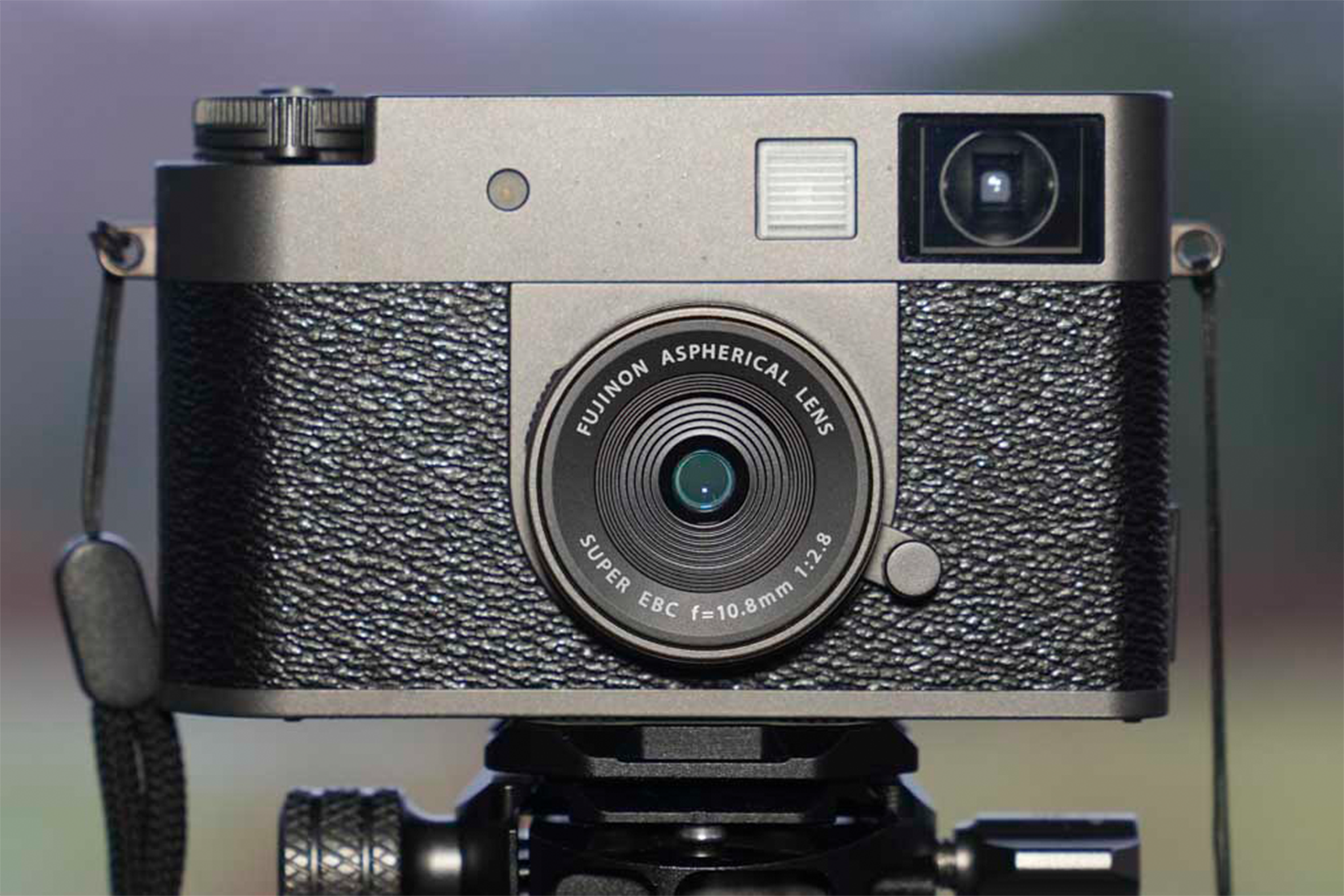
What impresses me about Fujifilm as a brand is the consistency of quality across the entire range. From the more affordable cameras right through to the £4,699 GFX100RF reviewed here, the build quality and ergonomics remain genuinely excellent. The x half is a considerably cheaper camera, and picking it up, you can feel the cheaper, more plastic build, but it feels solid, well-balanced, and comfortable in the hand. There's an aluminium top plate, and the whole thing has a retro quality that many cameras at this price point simply don't have.
Setup is straightforward: battery in, SD card in, date and time set, and you're ready to go. This is aimed at entry to mid-range users, and the controls are accessible enough that someone completely new to photography will find their way around without much difficulty. What I liked about the x half is that its controls are laid out to boost the camera's features and are not there to adhere to traditional exposure adjustment conventions. Another break from the usual compact camera design is the deliberately simple rear screen, which again is intentionally small to discourage the habit of immediately reviewing every shot, in fact there’s a mode that actually limits the shots and doesn’t enable you to review the images, in a digital version of a film roll.
The unique and interesting feature of the camera is the half-frame portrait format. Rather than the standard landscape 3:2 frame, you're working in portrait orientation from the start, a format familiar with smartphone users, but with older roots that go back to the Olympus Pen cameras of the 1960s.
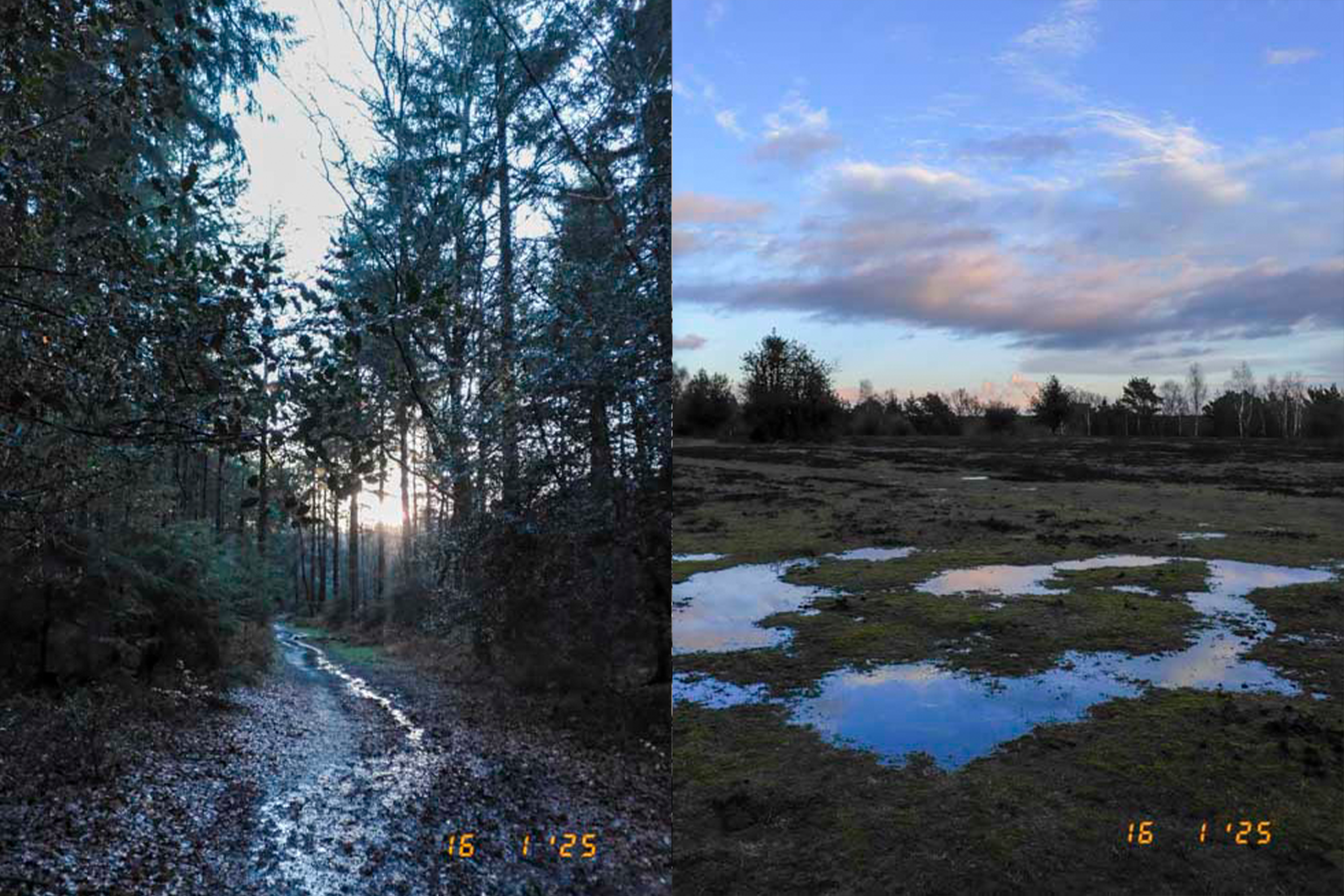
There are also other features such as the ability to take two consecutive shots that are automatically paired as a diptych, a fun feature for street photography, travel, and narrative in a way no other camera I know of does at present. And whilst this might seem like something new, it's actually a format that's been around since the 1940s. The difference here is the Fujifilm colour science and film simulation modes that are coupled with these unique features.
Those film simulations are available in many of the Fujifilm cameras and are genuinely excellent. Here in the X Half they're well integrated into the design. On the back of the cameras there’s a dedicated dial that lets you flick through different film modes with Velvia for vibrant colours, Provia for a more standard look, Astia for portraits, Classic Chrome for documentary work, and black-and-white options including Acros, and these are all in real time applied to the scene before you shoot. You can even restrict the number of shots to simulate a traditional film roll using the film role mode.
In good light image quality is excellent, with Fujifilm's colour science doing exactly what you hope it would do, simulate traditional fil,. In low light the smaller sensor shows its limits and you'll see some loss of detail and saturation in darker conditions with grain.
Video is a weak point with 1080p at 30fps with nothing else on offer, this is not a video camera, and it doesn't pretend to be. The Fujifilm XApp connects through Bluetooth for remote shooting and control, with Wi-Fi switching automatically for faster image transfer to mobile devices when needed.
The x half is a camera for anyone who wants to think differently about their photography and ultimately wants to get creative. If you want a straightforward camera to capture standard shots, this isn't it. If you want a camera that makes every shoot feel like a creative decision, it's one of the most interesting options on the market right now.
Buy now £499, Johnlewis.com
Panasonic TZ99
Best: compact camera for travel zoom
Sensor: 1/2.3in High Sensitivity MOS, 24.7MP
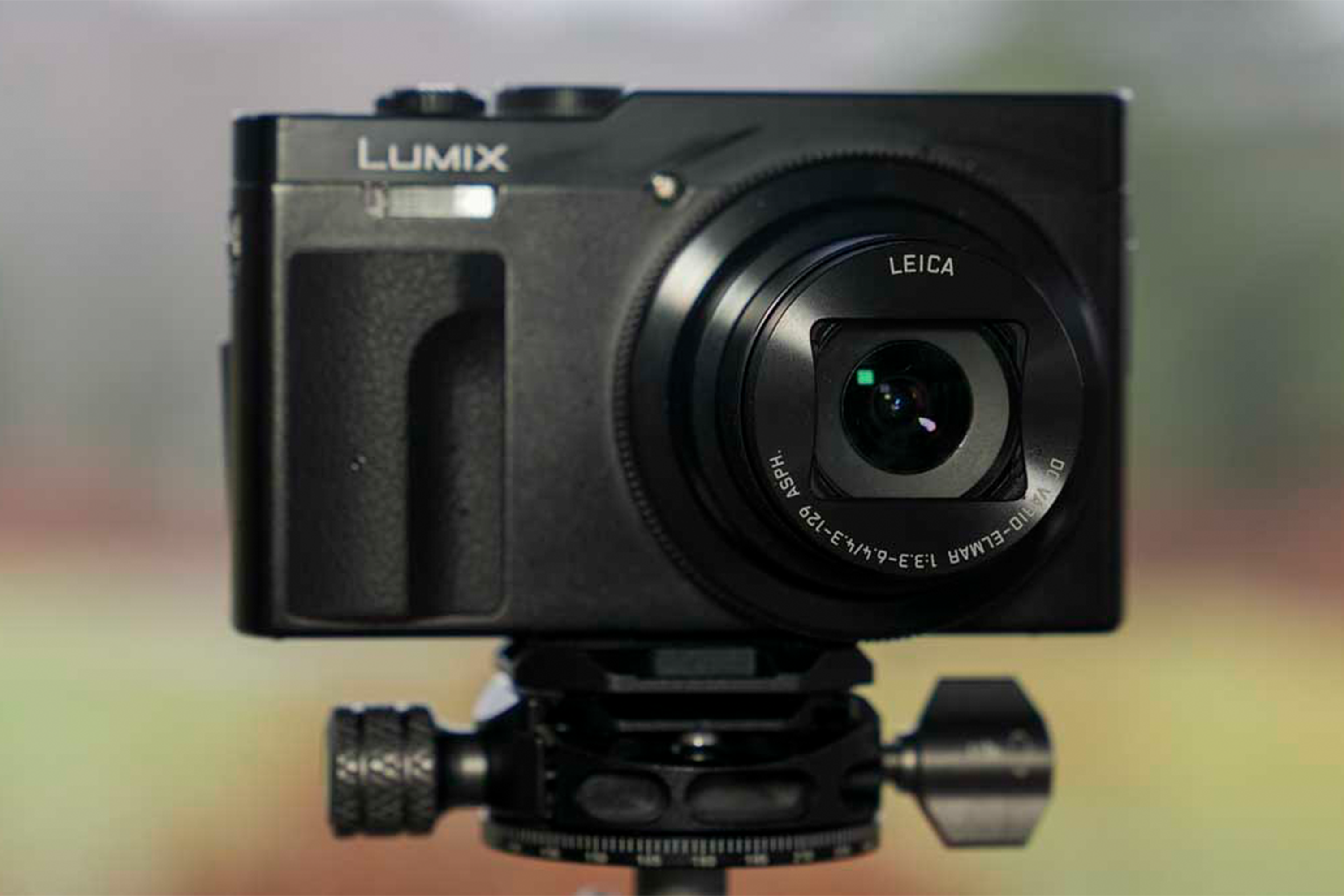
Lens: 25–750mm equivalent, f/3.3–6.4, 30x optical zoom, Leica DC Vario-Elmar
Video: 4K at 30fps (60fps with crop), 1080p at 60fps
Screen: 3.0in tilting touchscreen, 1.84M dots
Connectivity: Wifi, Bluetooth 5.0, USB-C, Panasonic Image App
Storage: SD/SDHC/SDXC
Battery: Approximately 370 shots (LCD) / 250 shots (EVF)
Weight: 299g with battery and card
Why we love it
- 30x optical zoom
- Built-in EVF
- Compact and pocketable
- Easy auto mode
Take note
- Small sensor
- Video is average
- Advanced features require digging into the menus
The Panasonic TZ series has been a popular choice as a travel camera for well over a decade, and the TZ99 is the latest iteration. The build quality is superb, more robust than many compact cameras, with a design and build set for travel while remaining genuinely pocketable. It's a camera that Panasonic has carefully refined, and the result is something that feels perfectly adapted to exactly the kind of use it's designed for.
Setup follows the now familiar process: battery in, SD card in, power on, set the date and time. With the exposure mode on auto, the camera handles everything, and you can be shooting stunning images within minutes. For anyone who's new to photography and looking for that step up from their smartphone, the auto modes are easy to use while still giving enthusiasts plenty to play with in the manual settings, although you do need to delve into menus for some options.

Despite its small size, the ergonomics are genuinely good, especially when it comes to handling. The camera sits comfortably in the hand with physical controls accessible without constantly diving into menus for the main functions.
One of the feature that I liked, and will be especially relevant for travel, is the 30x optical zoom from 25mm all the way to 750mm equivalent, which is huge. In bright sunlight, image quality is impressive across the full zoom range, and it should be noted that this quality is considerably better than any smartphone zoom feature when used at an equivalent length.
The Leica DC Vario-Elmar branding reflects a genuine optical partnership rather than a marketing exercise, and the sharpness and colour rendering through that lens is excellent from wide angle to full telephoto. As the light drops, the small sensor starts to show its limits with noise appearing in the shadows, but it's well managed and the small built-in flash is great for taking shots of the family on evening outs on holiday.
Video is limited but it can still capture 4K at 30fps, enough to capture a few clips on your travels. The Panasonic Image App connects quickly and offers all the usual remote shooting and control features and was pretty robust through the test.
If you're heading anywhere, on holiday, on Safari, or just exploring, and you want a single small camera that can cover every situation from wide landscapes to distant wildlife without carrying extra kit or changing lenses, the TZ99 is the one to take. Its zoom range simply puts it in a different category from everything else on test here.
Buy now £519, Johnlewis.com
Insta360 ace 2 pro Xplorer bundle
Best: action-to-compact crossover
Sensor: 1/1.3in CMOS, 50MP stills
Lens: 15.7mm equivalent, f/2.6, fixed ultra-wide, 131° field of view, Leica Summarit
Video: 8K at 30fps, 4K at 120fps, 1080p at 240fps, Insta360 Log
Stabilisation: FlowState EIS, Horizon Lock
Waterproofing: 10m native, 60m with optional dive case
Screen: 2.42in rear touchscreen, 1.87-inch front screen
Connectivity: Wifi, Bluetooth 5.0, USB-C, Insta360 app
Storage: microSD up to 1TB
Battery: Approximately 160 minutes at 1080p
Why we love it
- Converts from an action camera
- 4K at 120fps
- Horizon Lock keeps the footage level
- Leica co-engineered Summarit lens
Take note
- Ultra-wide fixed lens
- Battery life short
- Insta360 app crowded
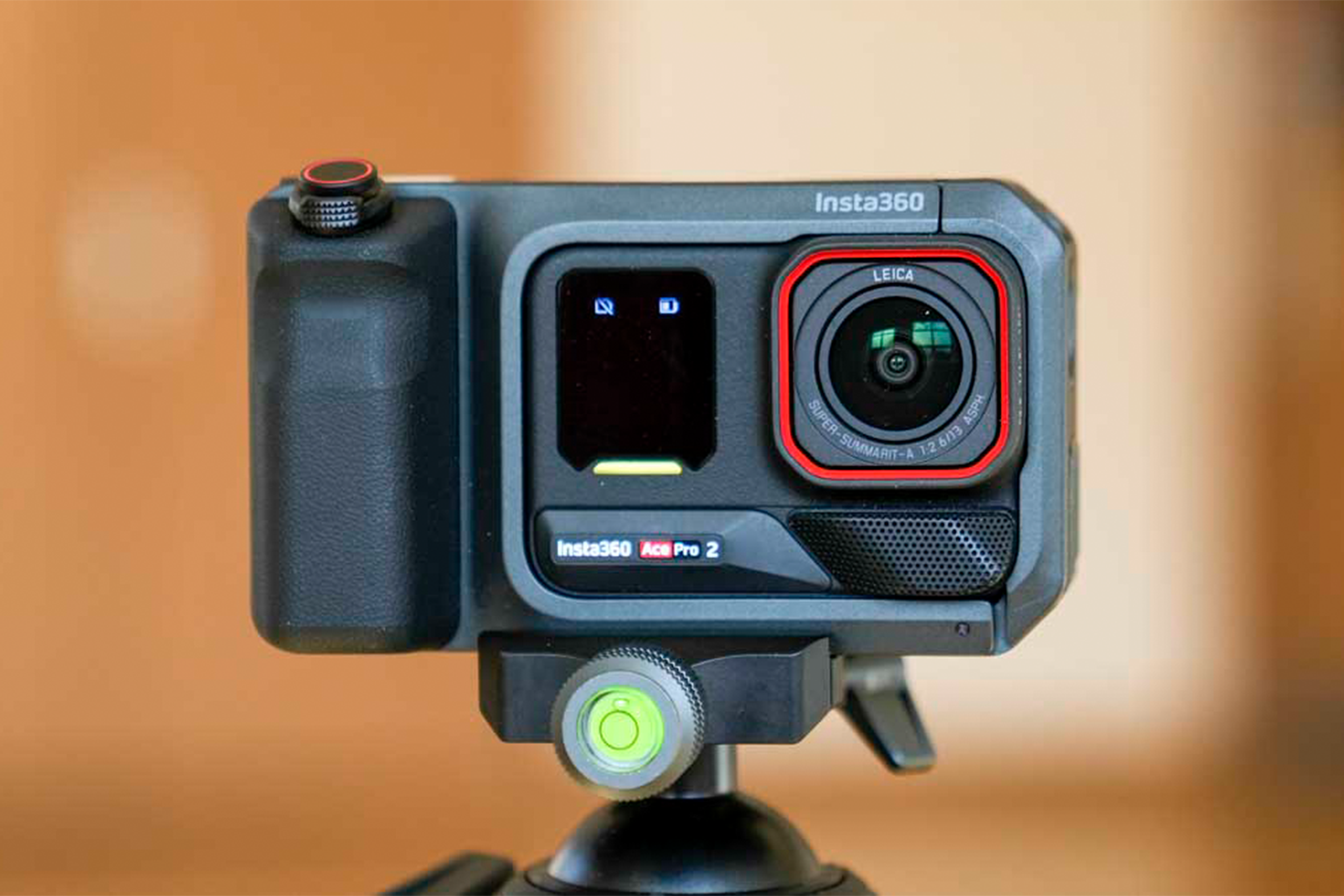
The Insta360 ace 2 pro is an action camera; however, with the Xplorer bundle, it earns its place in a compact camera round-up. Insta360 is clearly pushing the ace 2 pro beyond the action camera category, and the dual-function potential of this bundle is something I'm increasingly seeing used in practice. One camera that shifts from a helmet mount to a street photography rig in seconds is something no other camera in this test can do.
Getting started takes a little longer than a dedicated compact, battery in, microSD card in, camera assembled into the cage, activation and registration completed. The initial activation process is a touch more protracted than simply switching on a Canon or Sony. However, registration only needs to be done on the first instance, and once through that, the camera is extremely easy to use, with a large rear touchscreen and intuitive controls.
One of the things that stands out with the Xplorer cage in place is just how solid and comfortable it is to hold. The metal construction makes it the most durable camera in this test by some margin, and it'll survive conditions that would see most of the dedicated compacts here destroyed. The cage adds cold shoe mounting for microphones and accessories, ND filter support, and a grip that makes one-handed shooting easy.
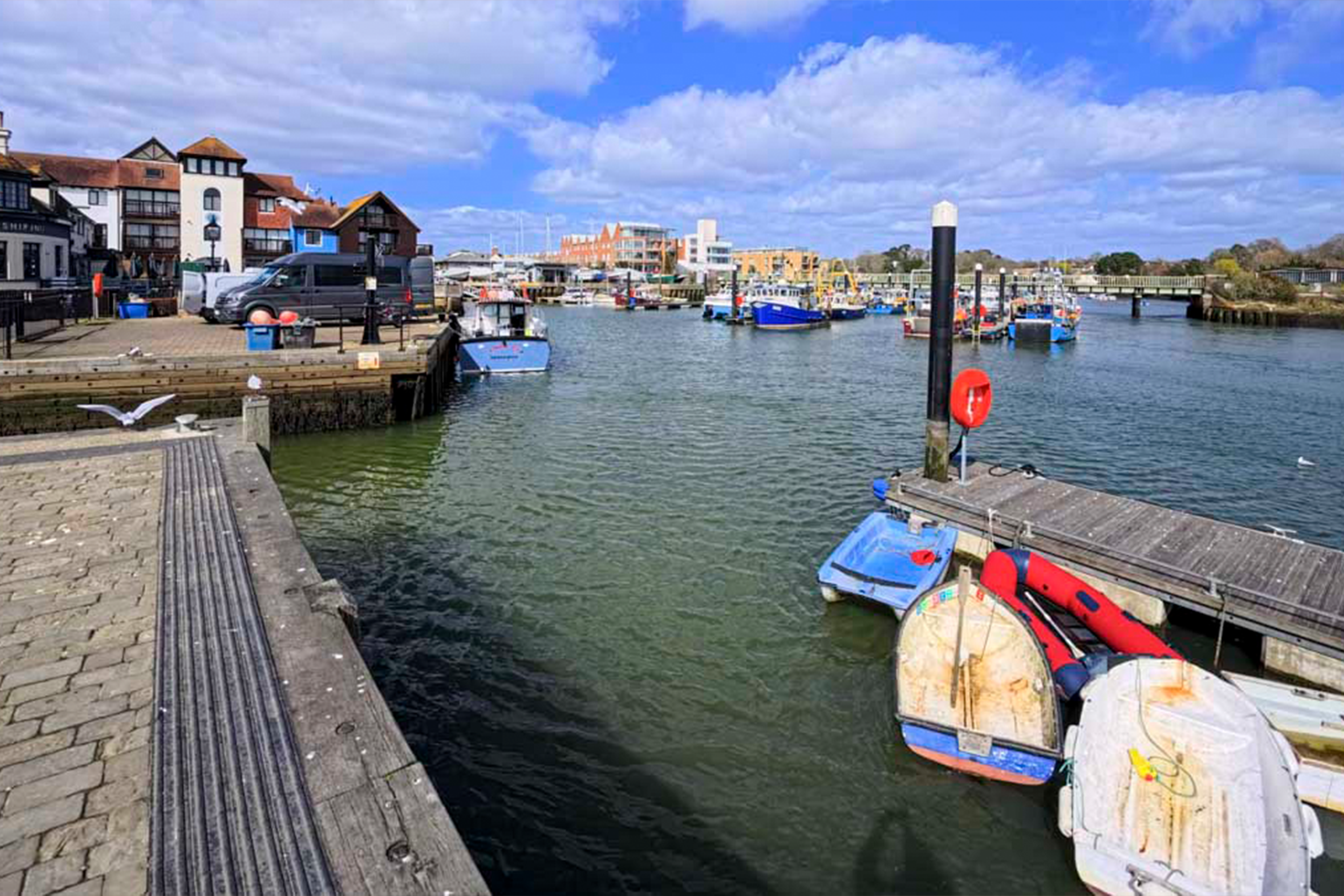
Image quality in bright daylight is vibrant, sharp, and colourful, distinctly action camera in character, but the quality is good, and that's partly down to the Leica Summarit co-engineered lens. The ultra-wide field of view gives images a particular style that differs from the other cameras here; you’ll either love the look, or find it too action-camera. Any zoom is purely digital, and at maximum, the edge definition isn't quite at the level of the dedicated compact cameras, though the overall image quality is still exceptionally high and very much on a par with a premium smartphone.
Inside the camera is a surprisingly large 1/1.3in sensor, which is the second largest on test after the Sony ZV-1 II's 1-inch stacked CMOS, and low-light results are considerably better than you'd expect from an action camera. Essentially, Insta360's dual AI chip processing handles the noise exceptionally well.
For video, the Ace 2 Pro is outstanding, and nothing else in this test comes close to what this small camera is able to capture. 8K at 30fps, 4K at 120fps, and 1080p at 240fps give it the highest slow-motion specification here, and with features such as Horizon Lock, which keeps footage level regardless of how the camera tilts, it is unique in this test and genuinely useful for handheld vlogging as well as action sports.
What lets the package down is the Insta360 app, which, while powerful and offering AI-powered auto-edit tools, templates, and direct social media sharing, is just a little crowded and sometimes difficult to locate what you need.
My one issue with the app is that it tends to try to pull you towards other platforms and content rather than just letting you get on with editing and sharing. It's a little in your face at times, and if you prefer a more focused workflow, then one of the other cameras here might suit you better. That said, if you're looking for a really good compact camera for travel this summer that can just as quickly revert to an action camera when the moment calls for it, the xplorer bundle is a superb and slightly unusual option.
Buy now £309, Insta360.com
What is the best compact camera?
Pulling together the cameras for this test has revealed how much the compact camera market has changed since I last covered a group test. Today, their old simple compact camera has gone, and really, it’s only the Canon and Panasonic options that remain in the old sense. All others had unique features that had been designed to appeal to a niche.
The Canon IXUS 285 HS is, in the traditional sense, a compact camera, and does exactly what you expect: it’s a simple, dependable compact for families and travellers who want a dedicated camera that is better than a phone. Then there’s the Panasonic TZ99, which, being part of the TZ range, still shows that this range is an ideal choice as a travel camera with a zoom range that’s hard to beat, and for holidays and Safari travel, it's the one I'd slip in my bag.
For content creators and everyday vloggers, the Sony ZV-1 II is the most capable all-around option, with video quality that is genuinely impressive considering the compact size and features like product showcase AF that no other camera here offers. If you want to be more creative, then the Fujifilm x half offers something different, making you think about composition, and then the film simulation modes across the Fujifilm cameras just offer an extra depth to image capture.
The Canon powershot V1 is at the premium end of the non-medium-format compacts, and as it offers 10-bit C-Log 3 video and superb stills quality, it’s a great alternative to a mirrorless camera. The Insta360 ace 2 pro cplorer bundle is a camera that I’m increasingly seeing being used as a compact camera, and its flexibility in use and strength do make it stand out; it’s the only camera here that has a true dual use.
And finally, there is the GFX100RF. It's not really competing with the others; it exists in its own category for photographers who want the best image quality available in a compact body and who can justify the price. If that is you, you won't be disappointed.
How I tested
For each camera, I started from the very beginning, unboxing as far as I could, as these are review samples, first setup, connecting to a smartphone, and working through the main features before heading out to shoot in a range of conditions.
The main criteria I used across all cameras is the same; firstly looking at the build quality and my first impression, then the speed and ease of initial setup, which for all proved to be surprisingly straight forward, handling and one-handed comfort, image quality in good light versus a modern smartphone, low-light performance, video potential, smartphone app, and overall impression for an intended market.
Why you can trust IndyBest reviews
At IndyBest, every product we review is tested extensively in real-world conditions. We only recommend products we rate highly or believe are the best in their respective class, based on a range of factors, including affordability, quality and durability. This keeps our reviews accurate, honest and unbiased.
Our tester for this review, Alastair Jennings, is a technology journalist and professional photographer with more than 30 years’ experience. He has carried out thorough, hands-on testing with countless pieces of kit, from cameras to laptops. After hours of use, the compact cameras featured in this review are the models that passed his tests.
These are the best digital cameras for every user