Despite the availability of methodology to diagnose and manage haemophilia,a rare genetic disorder causing blood clotting problems, about 60% cases of haemophilia cases go undiagnosed and unreported owing to unawareness regarding genetic counseling and testing.
In India, there are many cases of haemophilia and the patients often suffer in silence. Hemophilia is a fatal bleeding disorder that stops blood from clotting and is present from birth.
The cause of haemophilia is the failure of the body to produce the factor required for coagulation. The symptoms are spontaneous bleeding into the joints, bruising, bleeding into the skin, bleeding into the muscle and soft tissue, blood in stool or urine, bleeding after a shot, nosebleeds, and bleeding in the gums or mouth. If not diagnosed early, the constant bleeding into joints, bones muscles may cause arthritis and permanent joint deformities. It can even result in death. There is no cure for this disorder.

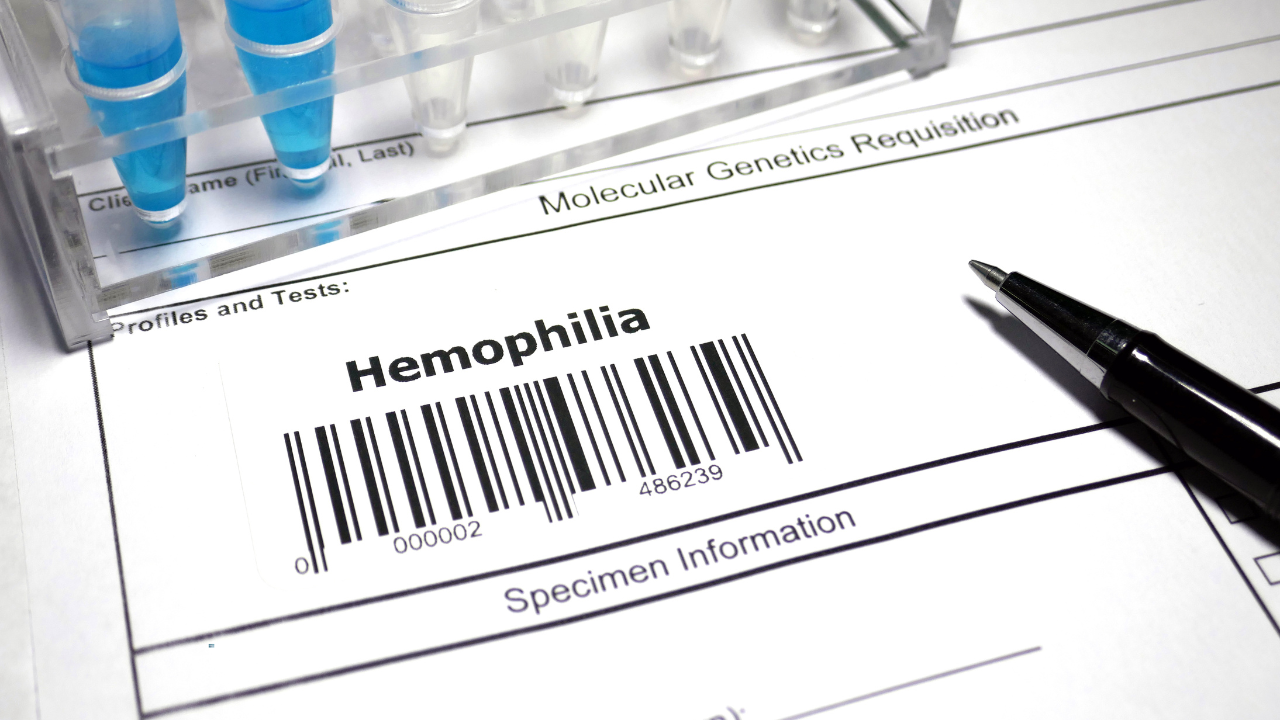
Genetic counseling and testing will help identify if the mother is a carrier for this disorder.
However 60% cases of haemophilia cases go undiagnosed and unreported owing to a lack of knowledge about genetic counseling and testing. Many new cases are caused by a new mutation of the gene present in the mother or the child even when there is no previous history of haemophilia in the family. Women having haemophilia gene are called carriers, and they can pass it on to their children which can cause a male child to be affected and a female child to be a carrier.
The prothrombin time (PT) and activated partial thromboplastin time (aPTT) screenings are blood tests that reveal if the process of blood clotting is properly happening in the body.
This can be followed by factor assays if haemophilia is strongly. Genetic counseling can help hemophilia patients and their families navigate the complexities of inherited bleeding disorders. This process involves discussing family history, risk assessment, and available options for managing the condition. Genetic counseling and testing help hemophilia patients to make informed decisions about their treatment options.
(Dr Archana Swami, Consultant - Pediatric Hemato-Oncologist, Lilavati Hospital Mumbai)