Fresh-cut flowers can turn a kitchen table into a tiny celebration, but the clock starts ticking the moment those stems leave the garden. The good news? A few smart choices during harvesting and vase preparation can keep blooms looking perky instead of turning into a sad pile of drooping petals by the next morning.
The difference often comes down to details that seem almost laughably small. The time of day, the angle of a knife cut, the cleanliness of a vase, and even which leaves stay on the stem can all influence how long flowers look good. Treat the bouquet like a living plant rather than a decorative object, and those cheerful garden blooms can hold their color, shape, and freshness much longer.
1. Harvest Flowers When They Are Ready for the Vase
The best time to cut most garden flowers comes in the cool part of the morning, before the sun pulls moisture from the stems and leaves. Plants hold more water then, which gives freshly cut stems a better start once they move indoors. Late afternoon can also work, especially after the garden cools down, but the hottest part of the day makes a poor harvest window. A flower that already feels limp in the garden will not magically perk up because someone places it in a pretty vase. The goal starts with choosing stems that still have plenty of energy in them.
The right stage of bloom also matters, and different flowers have different preferences. Zinnias, cosmos, and marigolds generally make good vase flowers when their blooms have opened, while flowers such as peonies often last longer when the buds feel soft but remain mostly closed. Cut roses when the outer petals have begun to loosen, and harvest sunflowers when the flower has opened but the center has not fully matured. A quick test helps with many flowers: gently shake the stem, and if the flower flops dramatically, the stem may need more time. Harvesting at the right moment can make the difference between a bouquet that looks fresh for days and one that starts collapsing before the weekend.
2. Use a Sharp, Clean Tool for Every Cut
A sharp knife or pair of floral snips creates a cleaner cut than a dull tool that crushes the stem. Crushed tissue can interfere with water movement, which leaves the flower struggling to pull moisture upward. A clean tool also helps reduce the chance of spreading bacteria from one plant to another. That matters even more when moving from a diseased plant to a healthy one. Garden tools do not need a dramatic cleaning ritual after every single stem, but wiping away plant residue and disinfecting tools after cutting visibly diseased material makes good sense.
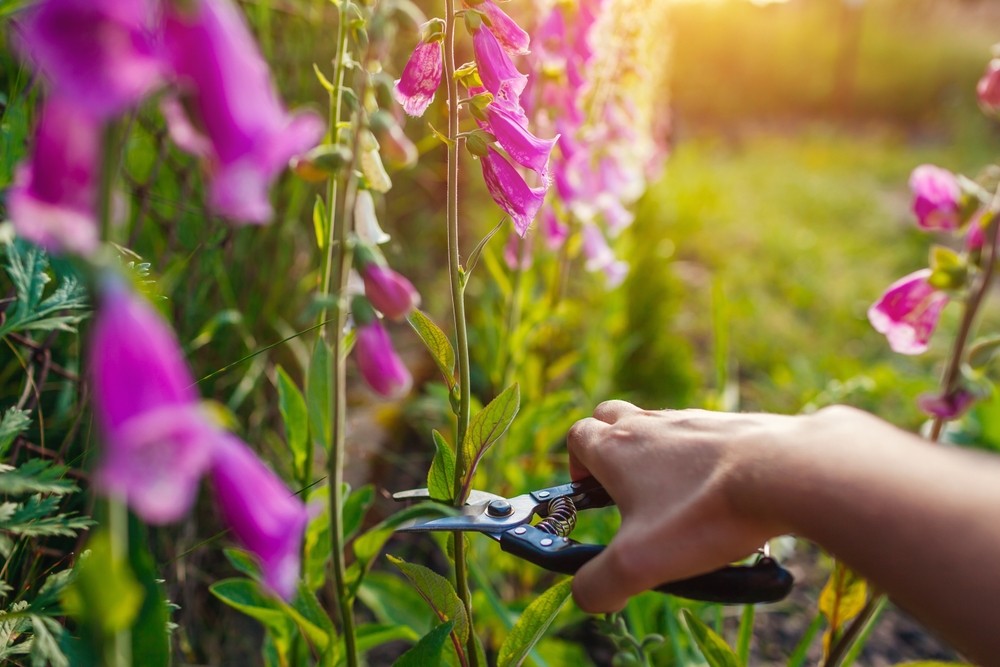
Cut stems at an angle so the bottom does not sit flat against the bottom of the vase. A flat stem can create a suction effect or simply block its own access to water, which defeats the entire purpose of the vase. The angled cut also creates more opportunity for the stem to draw up water. Make the cut just before placing the flowers into water whenever possible. If the stems sit around in the open air for a long time, the cut ends can begin to dry and lose their ability to move water efficiently.
3. Strip Away Leaves That Would Sit Underwater
Leaves below the waterline may look harmless, but they quickly become a maintenance problem. Submerged foliage breaks down, clouds the water, and gives bacteria a cozy place to multiply. That bacterial growth can interfere with water uptake and create a distinctly unpleasant smell. Removing lower leaves before arranging the flowers keeps the water cleaner and gives the stems a better chance to stay hydrated. The trick involves removing only the foliage that would actually sit below the water, because leaves above the waterline still contribute to the appearance of the arrangement.
This step also prevents a common mistake: cramming too much greenery into a vase. A crowded arrangement can trap decaying leaves and make it harder to monitor the water. Some flowers, such as chrysanthemums, may carry a lot of foliage along the lower portion of the stem, so a little cleanup can make a major difference. Remove damaged or yellowing leaves as well, since they add little visual value and can deteriorate quickly. A few minutes of preparation at the sink can save an entire bouquet from becoming a murky science experiment.
4. Give Flowers a Clean Vase and Fresh Water
A vase that looks clean may still carry residue from a previous bouquet. Rinse it thoroughly, scrub away any slippery film, and start with fresh water before adding new flowers. That slimy coating often signals microbial growth, and simply topping off old water does not solve the problem. Clean water gives cut flowers a much better environment from the start. It also makes the bouquet easier to maintain over the following days.
Change the water when it becomes cloudy or develops debris, and rinse the vase before refilling it. Trim a small amount from the bottom of the stems during a water change if the cut ends look damaged or slimy. Keep the vase away from direct sun, heating vents, fireplaces, and hot appliances, since warmth speeds water loss and can shorten the life of many flowers. Fruit bowls deserve a little distance too, because ripening fruit releases ethylene gas that can accelerate aging in some flowers. A cool spot with bright indirect light usually gives a bouquet a much better chance.
5. Skip the Kitchen-Cabinet Cocktail Recipes
Sugar, bleach, aspirin, pennies, and other homemade vase additives have earned plenty of attention over the years. Some commercial flower foods contain carefully balanced ingredients that provide carbohydrates, acidify the water, and help limit microbial growth. Randomly mixing household ingredients, however, can create an ineffective solution or damage certain flowers. More sugar does not automatically mean more flower life, and extra bleach can harm plant tissue. The kitchen counter does not need to become a chemistry lab every time a bouquet arrives.
Commercial flower food works best when gardeners follow the label directions instead of guessing at the amount. If no flower food exists, clean water, a clean vase, and regular water changes still provide a strong basic routine. Some flowers respond differently to additives, so a treatment that works well for one bouquet may disappoint with another. The safest approach involves matching the care routine to the flowers rather than relying on a single magic recipe. In the garden, simple and consistent usually beats clever and complicated.
6. Keep Harvested Flowers Cool and Check Them Daily
Fresh flowers continue to lose water after cutting, so their surroundings matter. A bouquet sitting beside a sunny window may look fine in the morning and start drooping by afternoon. Heat increases water loss, while direct sunlight can fade delicate petals. Place arrangements somewhere cool and away from strong drafts, but avoid hiding them in a dark corner if the display needs to look attractive. A little daily attention keeps small problems from turning into a full bouquet rescue mission.
Check the water level every day, especially with thirsty flowers and small vases. Some stems can drink surprisingly quickly, and a vase that looked full yesterday may sit nearly empty today. Remove individual flowers as they fade so they do not shed decaying petals and debris into the water. If a stem starts to wilt while the rest of the bouquet looks fine, recut it and place it in fresh water. That simple routine often gives a tired-looking arrangement a second chance.
The Best Bouquets Start With Small Decisions
Keeping cut flowers fresh longer does not require expensive equipment or a complicated preservation system. Harvesting at the right time, cutting cleanly, removing submerged foliage, using a clean vase, refreshing the water, and protecting the bouquet from heat can make a noticeable difference. Each step addresses a specific problem, from poor water uptake to bacterial buildup and unnecessary moisture loss. Together, they create a simple routine that works for everything from a handful of backyard zinnias to a more elaborate seasonal arrangement. The flowers may look effortless in the vase, but a little smart care behind the scenes keeps them looking their best.
What flowers from the garden have lasted the longest in a vase, and what tricks have helped keep them fresh?
You May Also Like…
7 Fast-Growing Flowers That Can Fill Empty Summer Gaps
Warm Weather Can Delay Female Flowers on Melons—Gardeners Shouldn’t Panic Yet
10 Flowers That Bloom Even During Extreme Heat
8 Heat-Tolerant Flowers That Bloom All Summer Long
8 Flowers That Keep Blooming Through the Worst Summer Heat
The post 6 Ways to Keep Cut Flowers Fresh Longer After Harvest appeared first on Frugal Gardening.