The secondhand market is no longer a casual alternative to traditional retail. It has evolved into a highly optimized, necessity-driven ecosystem that dictates how brands and consumers behave. Driven by persistent economic pressures and regulatory shifts, the global resale market is on track to reach between $320 billion and $360 billion by 2030. This massive growth is forcing massive systemic changes across the entire supply chain.
For small sellers, thrifters, and major enterprise brands, the rules of the game are shifting rapidly right now. Navigating this landscape requires a deep understanding of the structural changes altering how goods are sourced, processed, and resold. Here are the six defining trends shaping recommerce this year.
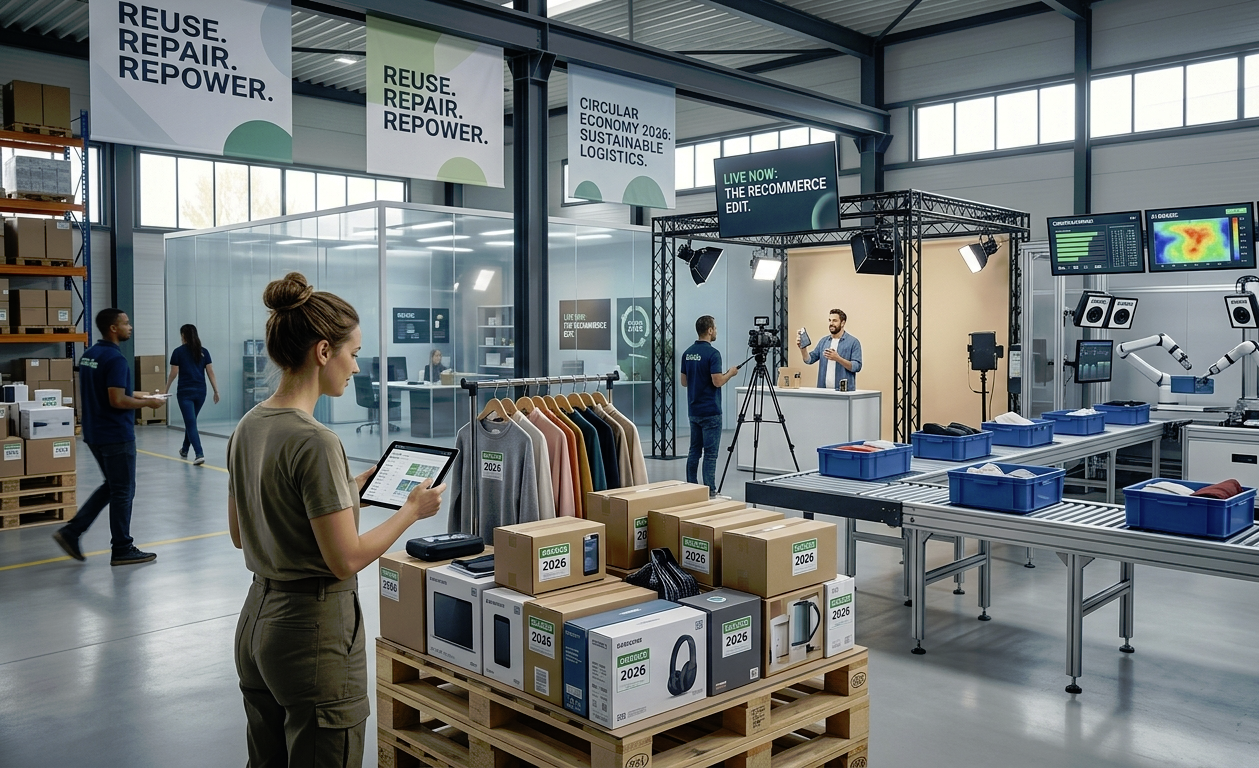
Image Source: Google Gemini
1. Paid Returns Become the Industry Standard
The era of free e-commerce returns has officially come to an end. Retailers can no longer absorb the massive logistics costs of processing reverse inventory, prompting a widespread policy shift. Recent data indicates that more than 50% of top fashion brands now charge for returns as a direct measure to protect compressed profit margins.
This friction significantly changes consumer buying habits. Instead of purchasing multiple sizes with the intent of returning most of them, shoppers are increasingly turning to secondary marketplaces to flip items they cannot return for free. The shift acts as a massive pipeline of pristine, tag-on inventory flowing straight into the secondary market.
2. Surplus Inventory Feeds Community Sellers
As retail brands penalize standard customer returns, their back-end liquidation processes are simultaneously becoming more open. Massive volumes of shelf pulls, overstock, and open-box items are bypassed by traditional storefronts and funneled directly to regional liquidators. This infrastructure democratizes access to high-quality inventory for independent side-hustlers and digital storefront owners.
Instead of fighting for tiny margins on saturated thrift store racks, modern reselling businesses buy bulk lots directly online. Diversified platforms offering verified liquidation pallets for sale give local entrepreneurs a predictable way to secure electronics, apparel, and home goods at scale. This democratization of the supply chain allows community-based sellers to compete effectively with larger discount outlets.
3. AI Grading Transforms Manifest Accuracy
Historically, buying bulk secondary inventory was a gamble due to inaccurate item descriptions and generalized condition grading. The integration of advanced AI vision systems has drastically reduced this friction for professional flippers. Advanced machine learning models now instantly scan, catalog, and grade items based on precise wear patterns, missing components, and cosmetic flaws.
This technological leap provides buyers with highly precise manifests. Small business owners can purchase bulk lots with complete clarity on what can be flipped immediately, what requires minor refurbishment, and what needs to be parted out. This optimization radically lowers the risk profile for independent merchants.
4. Brand-Owned Recommerce Scales Up
Brands are finally taking control of their own secondary markets rather than letting third-party platforms capture all the residual value of their products. Manufacturers are building native trade-in channels to keep consumers locked into their specific brand ecosystems.
Retailers leverage these take-back initiatives to extract maximum lifecycle value from every item manufactured. Consumers receive immediate store credit, while the brand refurbishes and resells the used items directly on their primary websites under "pre-loved" tabs. This structural change elevates consumer trust in used goods while creating a dual-revenue stream for forward-thinking corporations.
5. Local Repair Hubs Form Resale Backbones
The viability of a circular economy, outside of its controversies, relies heavily on infrastructure that extends the lifespan of physical products. Driven by consumer cost-consciousness, localized repair and refurbishment networks are expanding rapidly to support the resale ecosystem.
Sellers can use these centralized hubs to efficiently batch-process damaged or broken inventory. This operational ecosystem relies on several core pillars to maintain profitability:
- Standardized cleaning protocols that restore garments and electronics to near-mint condition
- Modular component swapping to quickly fix common hardware failures across major brands
- Micro-logistics integration allowing local pick-up and drop-off to eliminate expensive shipping fees
This hyper-local infrastructure ensures that items that previously ended up in landfills can be restored and resold at accessible price points.
6. Live-Stream Selling Accelerates Flip Velocity
The traditional static listing format is losing market share to dynamic, interactive video commerce. Live-stream auctions have transformed from a niche social media trend into a primary revenue driver for independent resellers.
Sellers host scheduled virtual showcases where they unpack bulk lots, display product features in real-time, and run rapid-fire bidding wars. This approach eliminates the time spent taking detailed product photos and writing lengthy descriptions for dozens of individual items. Inventory that used to sit on digital shelves for weeks now clears in minutes, vastly improving cash flow velocity for small businesses.
Navigating the Future of Recommerce
Success in this evolving secondary market requires a clear focus on sourcing efficiency and operational agility. As corporate retailers tighten their traditional return channels and embrace circular business models, independent sellers must secure reliable, predictable inventory streams.
Embracing advanced grading technology, utilizing localized repair resources, and leveraging high-velocity sales channels like live streaming will separate high-earning operators from casual hobbyists. To explore more posts on talking points relevant to the world today, including business and lifestyle coverage, don’t go anywhere.