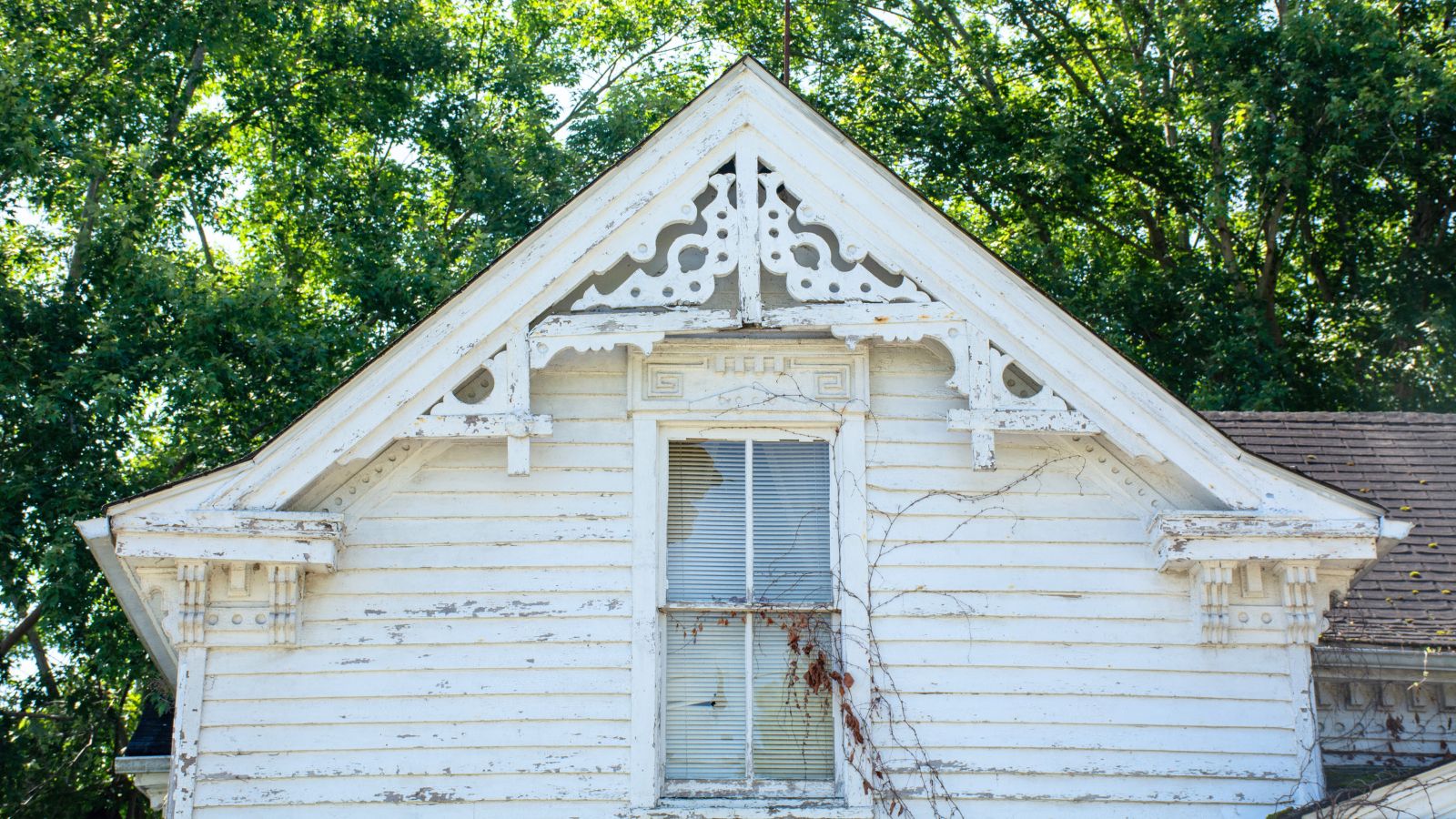
Buying the worst house on the street can have its advantages. The only way is up, right? It may look an eyesore now, but that just means there is more scope to mold it into a beautiful home.
And the silver lining to its ugliness is that its lack of appeal might be reflected in a super-low price. A property that has stood empty for months or even years could be open to offers that fit right into your budget – and leave plenty left over for the very necessary updates and home renovations.
Whatever your reasons for buying a fixer-upper, whether it is the only house available in a sought-after location, affordability, or you're looking for a home-improvement project to build up your skills in creating a bespoke house for you and your family, you need to be prepared for the challenge.
What to look for in a fixer upper
Read our expert advice on what to look for in a handyman special to make sure that you don’t get out of your depth and your fixer-upper home becomes a real downer.
1. Inspect what lies beneath
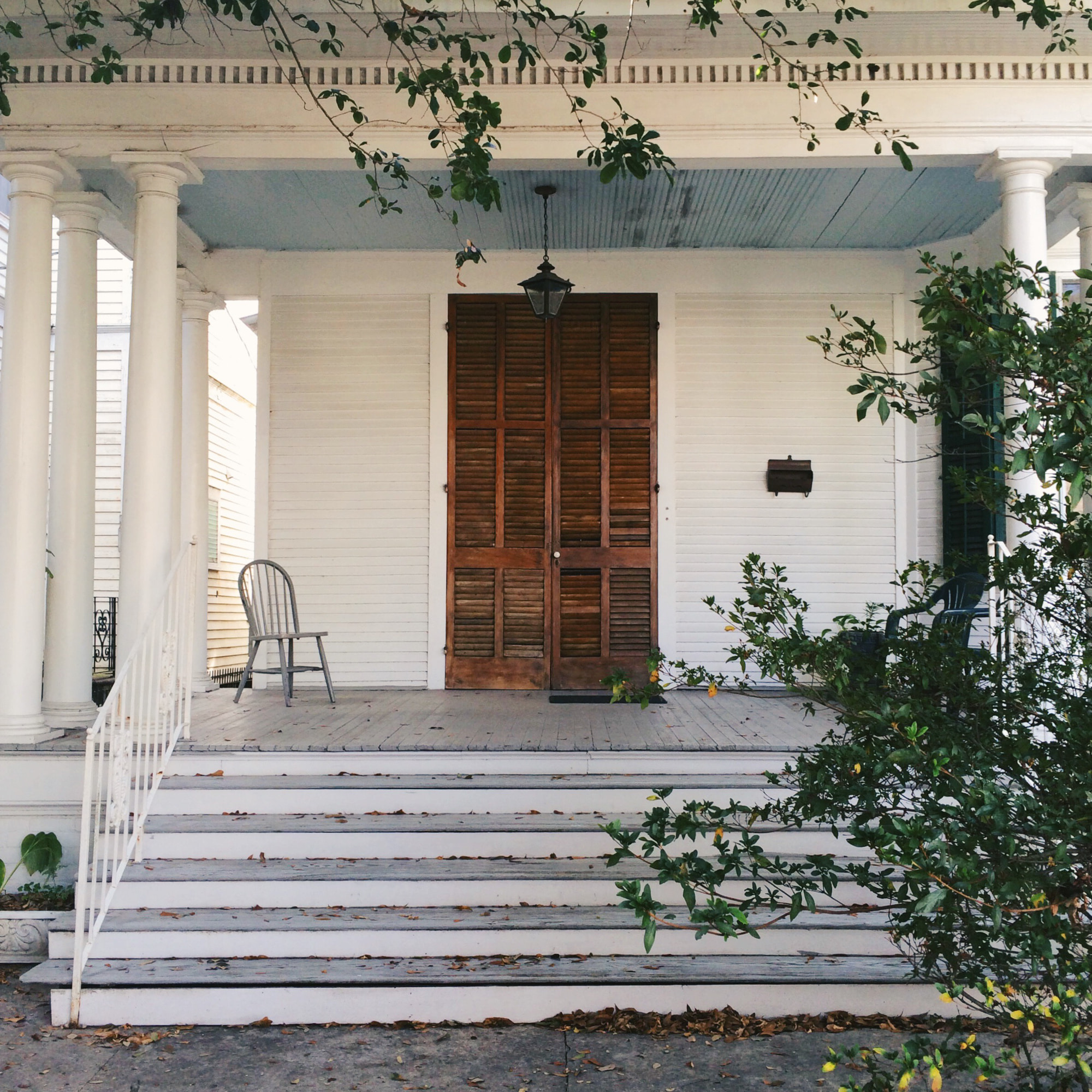
Once you’ve found a potential project, conduct a thorough inspection before purchase to get an idea of just how deep its issues run.
‘I always ask "What's the skeleton?",' says Justin White, a contractor and garage remodel/installation expert. 'In other words, what's the baseline level of work simply needed to make the house functional – fixing foundations, rewiring electricity, updating plumbing, etc. These basics can often be surprisingly costly, so it's important to get informed estimates from trusted contractors early on.
‘I'd also advise doing as much investigative demolition as possible during viewings. Remove light fixtures, lift basement floorboards, poke around behind walls and under sinks. Hidden rot or structural issues can blow budgets quickly if left unseen. Document everything thoroughly with photos and notes that contractors can reference.’
Hiring a qualified home inspector to draw up a report can also give a fuller picture of the property’s condition and whether it has serious structural defects and failing foundations that are behind the large cracks and the sagging ceilings.
2. Don't let rotten plumbing drain your budget
Problem plumbing can be an overlooked issue when weighing up jobs to do in a fixer-upper home. The cause is often misdiagnosed, warns master plumber Max Hicks, and what looks like a simple fix could be concealing the need for a costly repair of the entire system.
‘A good example is a slow-draining water issue,' Max explains. 'People tend to assume it's a simple clog, but it can actually indicate a more serious and expensive problem, especially in older homes built before 1984 when cast iron pipes were used for sewage. Over time, these pipes can rust, deteriorate, and break.
‘So, what seemed like a $50 drain clog fix can turn into a several-thousand-dollar project to replace all the pipes in the house. I highly recommend getting a sewer camera inspection along with the standard inspection to ensure that your slow-draining water won't end up costing you tens of thousands of dollars.’
3. Crunch the numbers before you buy
The asking price may seem too tempting to resist, but it’s no bargain if you have to spend a small fortune just to make it habitable. You need to drill down into the potential costs of everything to avoid buying a money pit that will exhaust you and your savings.
‘Once deficiencies are identified, estimate the repair costs. Obtain quotes from people who can do the work, or research material and labor costs,’ advises Andriy Boyko of A.O. Handy Inc. ‘Expect the unexpected and include a contingency for when you have to adapt your budget and your schedule.
‘Determine the savings between the purchase and renovation costs of the fixer-upper and that of turnkey properties in the area, then factor in whether the total investment – the upfront cost and the long-term expense – is worth the investment.’
4. Is it a risk to your health and wallet?
If the dilapidation is due to age and not just neglect, you need to consider that it might’ve been built using materials that have now been banned due to their toxicity – and their removal won’t be cheap.
‘A home from 1950-1980 can be a health hazard as contractors of that era used lead and asbestos,’ says realtor Matt Strickland. ‘It can cost $94 per square meter on average to remove asbestos and $959 for lead paint removal.
‘Historic houses have architectural details of the bygone era, and only expert craftsmen can bring back the former glory of a home – costing hundreds of thousands to millions in the process.’
5. Be honest about your ability to DIY
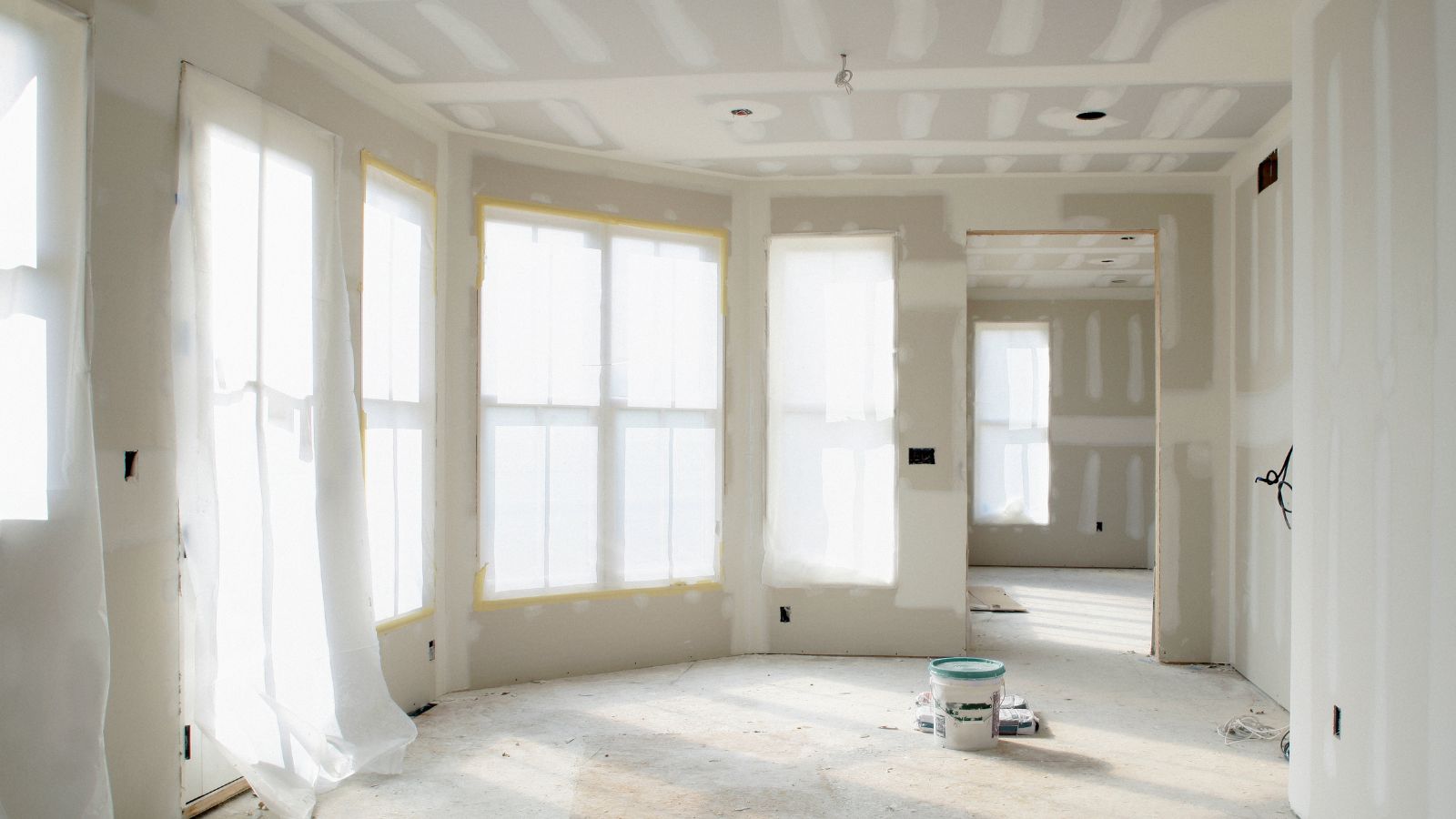
Part of the appeal of fixing up a house could lie in a desire the 'do it yourself' and develop your home-improvement skills. You can create something truly bespoke and take pride in what you have accomplished.
But you need to be mindful that this approach will inevitably take longer and if you overestimate your capabilities, you may need to pay a professional to finish what you’ve started or fix your mistakes.
‘It's critical for potential buyers of fixer-uppers to realistically evaluate their own skills and tolerances,’ says Eric Bramlett, owner of Bramlett Residential. ‘Are you confident handling basic tasks but willing to hire help for more complex jobs, or do you see yourself tackling most repairs independently?
'While doing some work yourself can save money, attempting something outside your abilities can become a costly stressor. I advise clients to think pragmatically about whether the scope of renovations warrants bringing in experienced subs for portions of the work.’
6. Investigate the potential for improvement
You may have big ambitions for transforming the property, but you must assess their feasibility and whether you have the room and the right to accomplish all your plans.
Do you have space to make layout changes or even to extend? Are there zoning regulations and neighborhood restrictions that might impact your updates?
Also consider whether some of your ideas might be too grand by comparing it to work that has been done on other properties nearby, and the ceiling price for sales locally.
You want your updates to add value and represent a good return on your investment. You don't want to end up doing so much that you can't hope to recoup what you have spent should you decide to sell.
When you want a good return on your investment (ROI), you need to know what home improvements will add most value to your house. Use our guide to plan your renovation and get the biggest bang for your buck when transforming a rundown home.