
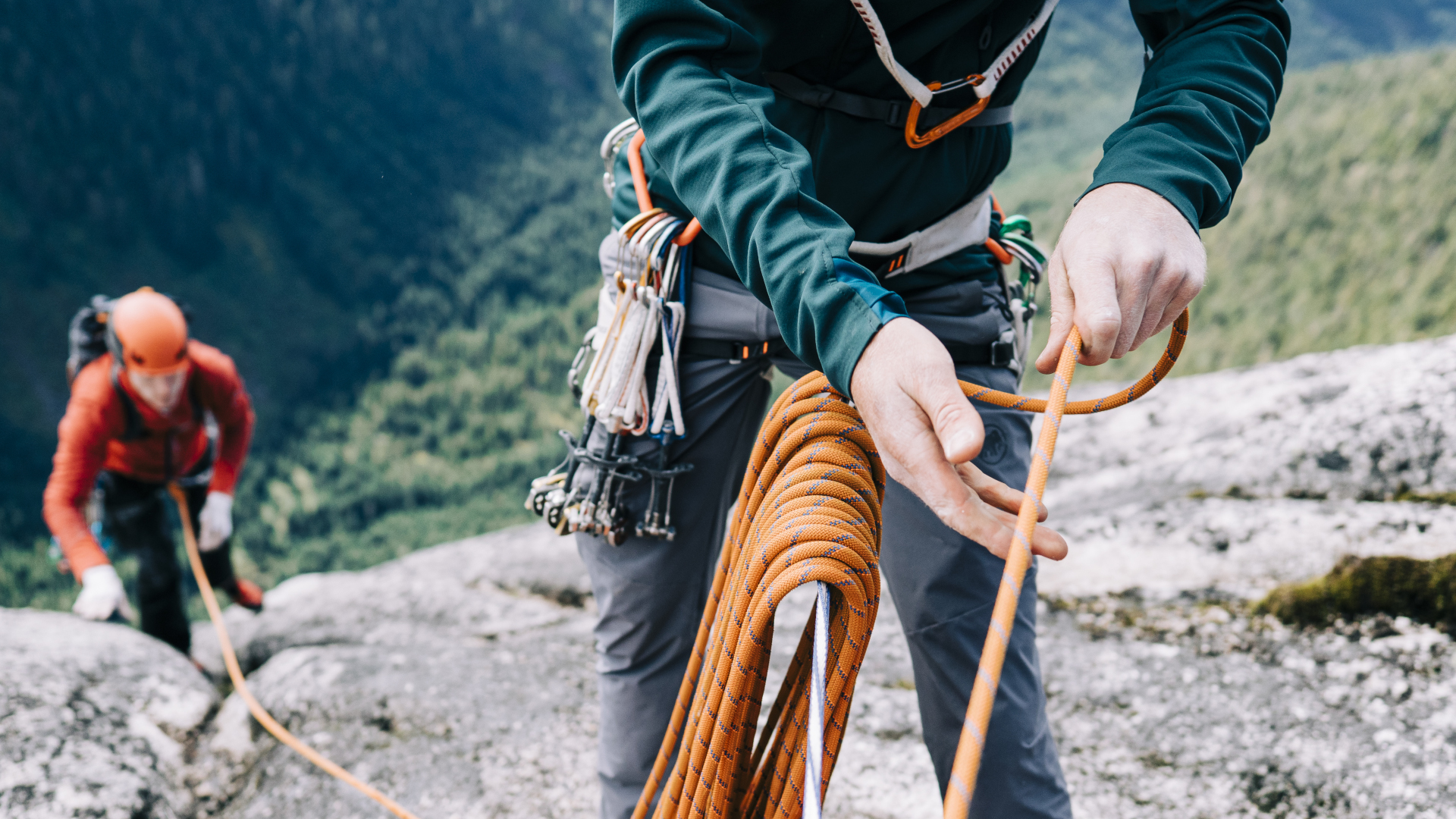
If you’ve been climbing indoors all winter long, or worse, your climbing shoes and rope have been in storage for months, the first whiff of spring and you’ll be itching to get to the crag. There’s no sense in climbing outdoors while it’s still snowy and icy, but once the white stuff has melted, you’ll be able to start hitting the rock on milder, sunny days. However, there are a number of precautions you’ll need to take to protect yourself against variable weather, loose rock, wildlife and injury, so read these 6 spring rock climbing tips before you start flaking that rope.
1. Dress in layers
Spring can bring some incredibly warm days, but the name of the game is changeable conditions, and even a sunny day can come with some really fresh breezes, while the hike in might be muddier than usual. Wear hiking boots or approach shoes with wool hiking socks for your walk to the crag and remember you can change back into them between climbs if your feet get cold– those thin climbing shoes won’t provide much insulation at all. Wear long (stretchy) pants or leggings and bring a warm, sturdy layer like a fleece jacket that you can wear when you're on belay that will stand up to your harness and rope.
You may also want to bring gloves which you can wear on belay as well as hanging out – consider something sturdy like the Rab Khroma Tour Infinium for belaying – then your hands won’t be completely numb when you start climbing. Remember, the rock can be really cold at this time of year so take breaks on your way up, blow on your hands and stuff them in your armpits intermittently if you need to. Crimpy moves are impossible with numb fingers!
2. Watch for loose rock
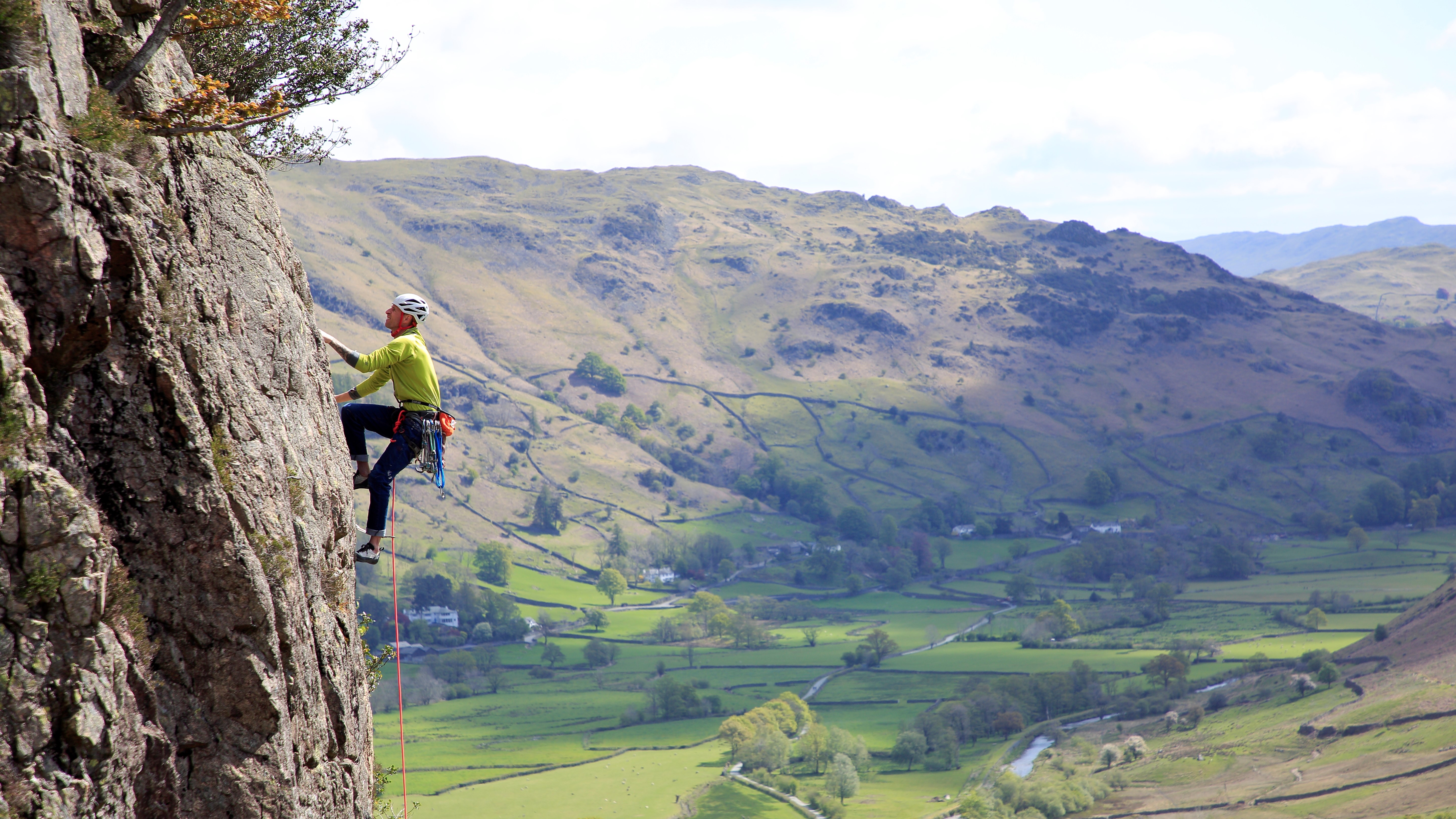
Particularly in alpine areas, you’ll need to be especially careful about loose rock at this time of year, when the freeze/thaw cycles can weaken the rock (this is true again come the fall). If you can, avoid limestone and look for solid granite crags. Climb with a partner and check each hold before you load it. Hopefully we don’t need to tell you this, but make sure you are wearing a climbing helmet both when you’re climbing and when you’re on the ground to keep you safe from rock fall.
3. Beware loose bolts
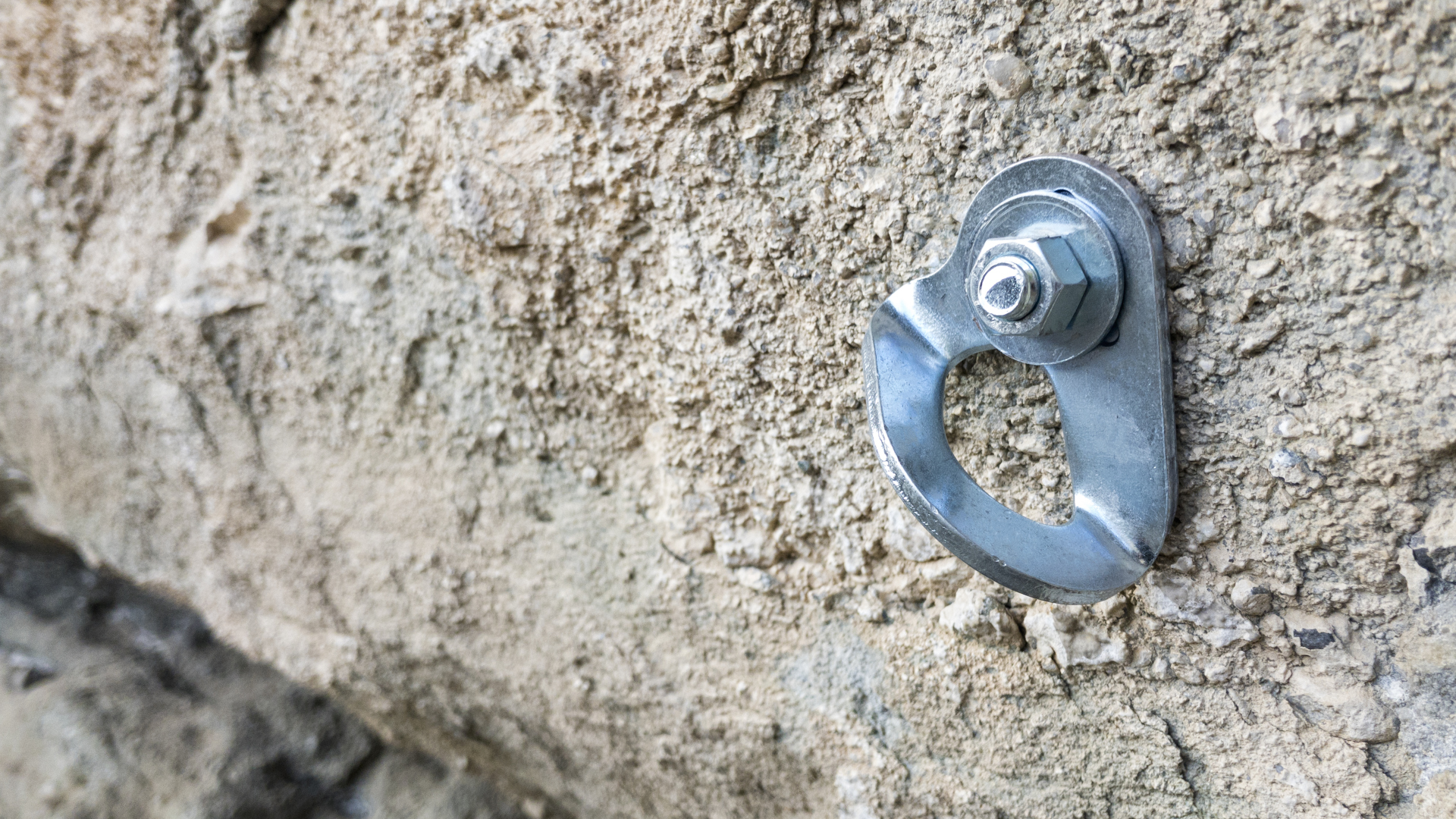
If you’re sport climbing, be aware that the freeze/thaw process we described above can also be guilty of loosening bolts and they have been known to come out in the spring. The best practice is to test bolts before you use them. You can also carry a wrench in your harness so that you can tighten any loose ones and make the route safer for other climbers. Alternatively, stick to trad climbing and build your own anchors.
4. Battle the bugs
As if rock fall and loose bolts weren’t bad enough, spring’s thaw can mean swarming flies and mosquitos, especially if you’re climbing near a river. Having to swat at bugs mid-route isn’t ideal, so apply insect repellent with DEET generously at the trailhead and reapply according to the directions on the bottle.
5. Respect wildlife closures
Spring is also a time when wildlife migrate in order to nest and breed, so you might find that access to your favorite route is restricted. It’s annoying, but please respect these closures as the delicate balance of nature is infinitely more important than your ability to start sending it. If you're climbing in bear country, remember that they’re waking up at this time of year, so carry bear spray and keep your wits about you. And finally, speaking of wildlife, please don’t bring your speaker and blast tunes at the crag – it disturbs the wildlife and is obnoxious in all seasons.
6. Ease in
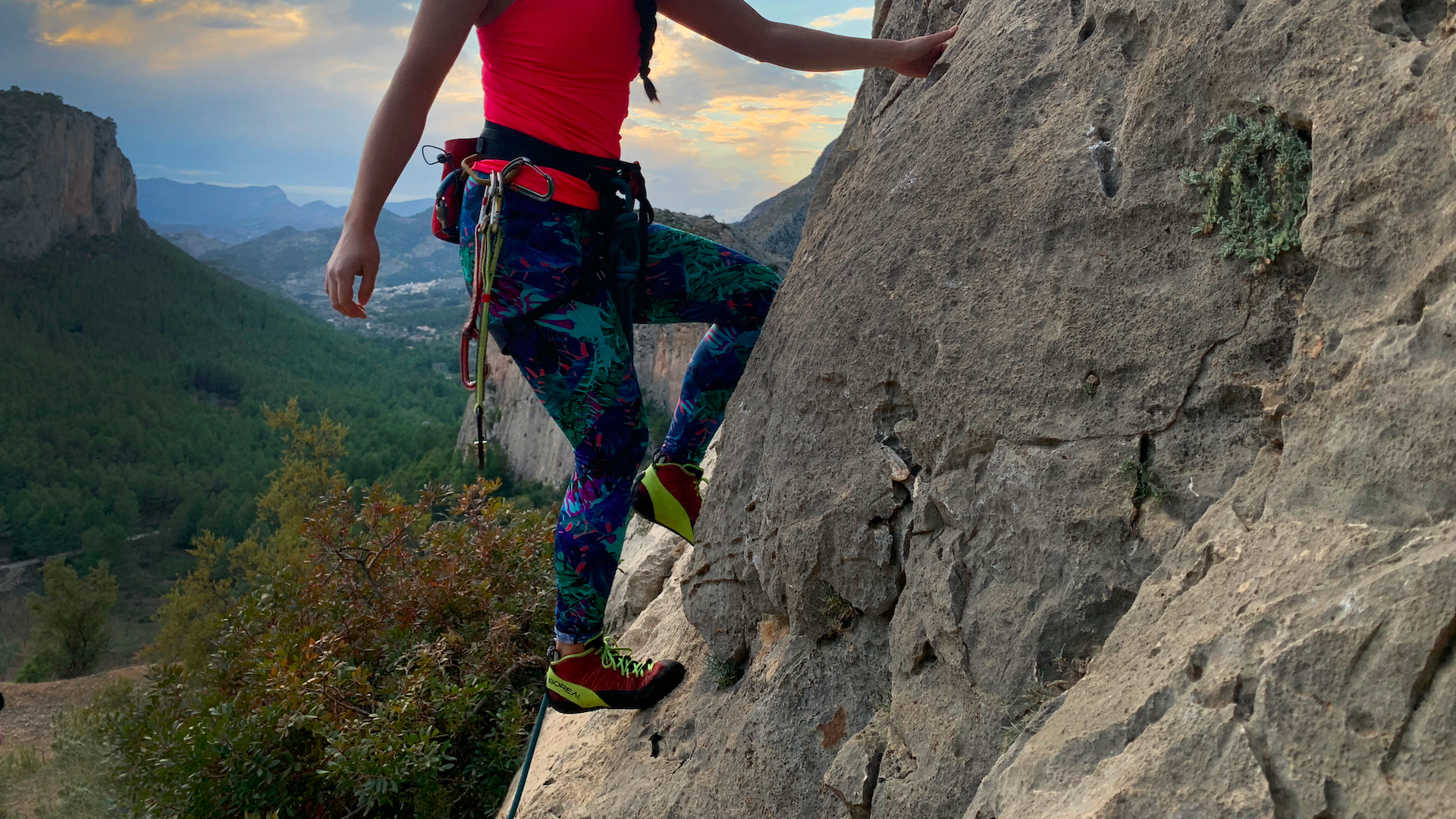
Finally, you may have been climbing indoors all winter, but if you’ve been busy skiing and taking advantage of all the snow, ease back into climbing. Start with easy routes and don’t over do it – there’s nothing like a spring pulley tear or torn rotator cuff to ruin your summer. You can also check out our article on how to train for climbing for more tips to get in shape.