

You never notice the danger until the drip hits the ceiling or a shingle starts curling like it’s a page in a book. Ice damage doesn’t announce itself with fireworks—it creeps in under your shingles, weakens your structure, and sets up a perfect storm for costly repairs.
Spotting it early saves not just money but the headache of living under a roof that’s quietly failing. Here’s how to tell if your roof has ice damage that’s been hiding in plain sight.
1. Cracked or Missing Shingles: The Telltale First Sign
When winter grinds on, the repeated freeze-thaw cycle turns water into ice and ice into water, expanding and contracting like it’s performing some cruel magic trick on your shingles. You might notice some shingles looking off, curling at the edges, or even missing entirely. Don’t shrug it off as cosmetic—each gap is an invitation for water to seep beneath the surface.
Once moisture gets under the shingles, it penetrates the decking and creates rot that spreads silently. Check both the high and low slopes, because ice doesn’t discriminate—it attacks wherever water pools or edges are exposed. Walking your roof carefully or using binoculars from a distance can help you spot early problems before they escalate.
2. Granule Loss: When Your Roof Starts to Age Overnight
Granules aren’t just decoration; they protect shingles from UV rays and water damage. When ice builds and melts repeatedly, it knocks these granules off like a relentless hailstorm. You might spot them in your gutters or at the base of your downspouts—little brown pebbles that look harmless but actually reveal serious wear.
Granule loss exposes the shingle’s asphalt layer to direct sun and water, speeding up deterioration. Pay attention to uneven patches on your roof where shingles look darker or thinner. If you’re noticing bald spots forming faster than the snow melts, it’s time to take action and call in professional eyes.
3. Ice Dams: Nature’s Own Destructive Sculptures
Ice dams sound harmless until they trap water and push it into your roof. They form when heat escapes from your attic, melting snow that refreezes at the eaves. This frozen barrier forces water to back up under your shingles, soaking the roof deck. Even a small ice dam can flood your attic, damage insulation, and ruin ceilings.
Watch for icicles that are unusually long, especially after a sunny day followed by a hard freeze—they often indicate that water is pooling above. Fixing ice dams means addressing ventilation, insulation, and sometimes adding heat cables—but ignoring them guarantees repeated damage.
4. Water Stains and Discoloration: The Silent Alarm
When ice infiltrates, it often leaves subtle traces inside your home before you notice any shingles out of place. Yellow or brown stains on your ceilings or walls scream water intrusion. Moisture wicks into wood and drywall, creating a perfect breeding ground for mold and mildew.
Don’t assume a stain is from a leaky pipe; roofs fail above your head in ways that mimic indoor plumbing disasters. Examine corners of ceilings and around vents, chimneys, and skylights, where water sneaks in most easily. Catching it early lets you repair roof damage before it spreads to your interior structure.
5. Curling and Buckling Shingles: Signs Your Roof Is Stressed
Shingles don’t bend and twist without reason. When ice forms and melts, it lifts shingles and sometimes warps the decking underneath. Curling shingles aren’t just an eyesore—they’re a structural red flag. Water gets under them more easily, accelerating rot and decay. Walk your roof or inspect from a ladder, noting areas where shingles look uneven, bubbled, or like they’re waving at you.
Over time, stress points develop in predictable areas: roof valleys, edges, and near dormers. Recognizing this early gives you a window to patch vulnerable sections before they cascade into widespread replacement needs.
6. Peeling Flashing and Loose Seals: Tiny Gaps, Big Problems
Typically, flashing seals the tricky intersections around chimneys, skylights, and vents. Sadly, ice and water exploit the smallest weaknesses, prying metal and sealant apart. Loose flashing lets water pour directly into the roof deck, undermining everything shingles have been protecting.
Check for curling edges of metal flashing, cracked caulking, or spots where snow collects longer than surrounding areas—it’s usually a clue that water is lingering. Re-sealing or replacing damaged flashing is far cheaper than waiting for a leak to rot out your rafters. If flashing fails, ice doesn’t just damage the roof surface; it attacks the bones of your home.
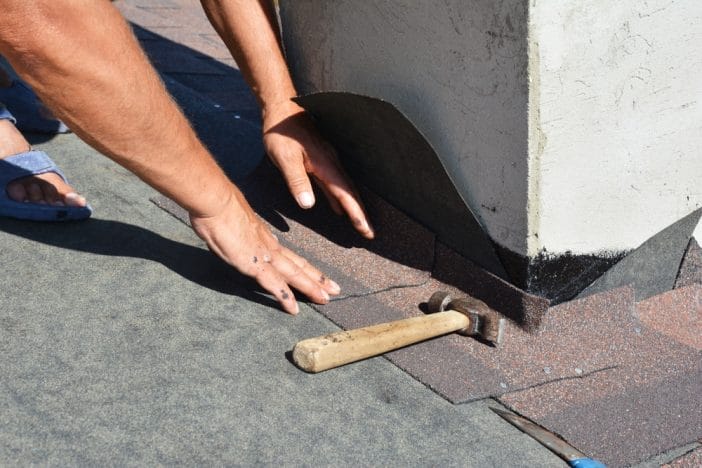
Don’t Wait for a Catastrophe
Ice damage doesn’t shout—it whispers through cracks, stains, and the subtle sag of shingles. Waiting until the drip becomes a flood guarantees a bigger repair bill and a more stressful winter. Keep an eye on high-risk areas, from edges and valleys to vents and skylights, and take notes each season.
Early detection lets you make targeted fixes instead of sweeping replacements. Roof care isn’t glamorous, but it is essential. Protect your investment and your peace of mind by staying vigilant, proactive, and willing to call professionals before small problems morph into disasters. Your roof will thank you by keeping the cold, wet, and icy chaos out of your life.
Have you spotted any signs of ice damage on your roof this winter? Share your stories and tips in the comments.
You May Also Like…
The Roofing Choices That Can Boost Your Home’s Value
Theft-Proof or Vulnerable? 7 Clues Your Vehicle’s Already on a Criminal’s Radar
The Cozy Winter Upgrade Homeowners Love
Looking to Replace Your Roof? Here’s How You Can Save!
4 Home Styles Real Estate Agents Say Are the Hardest to Sell
The post 6 Signs Your Roof Has Hidden Ice Damage appeared first on Clever Dude Personal Finance & Money.