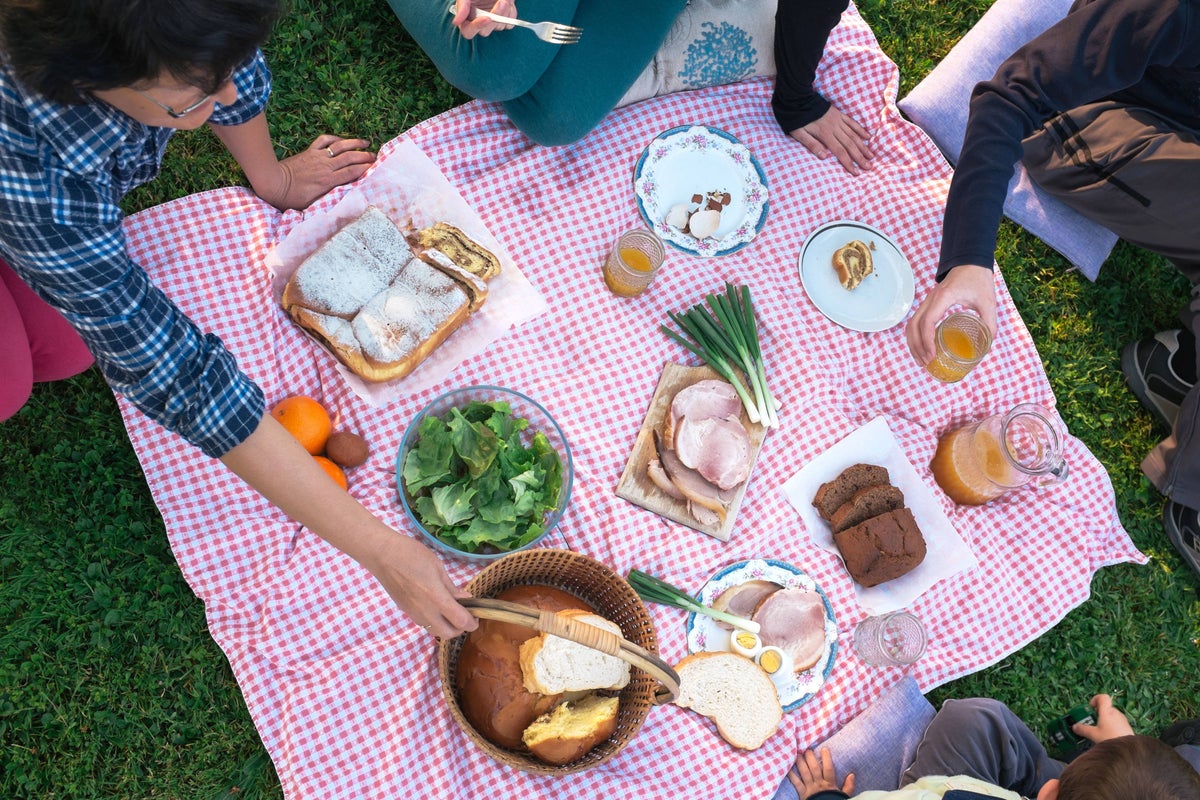
With warmer weather forecast for the UK, many people’s thoughts will be turning to summer pursuits – and what can be more summery than a picnic in the blazing sunshine?
The Met Office says by the end of June and for at least the first few weeks of July, temperatures are likely to be above average, with a greater than normal chance of hot conditions.
But if you’re thinking of taking the chance to dine al fresco, it shouldn’t be a case of just shoving some sandwiches in a picnic hamper (or a plastic bag) and heading for the hills, as taking food out into the heat means it’s more likely to attract bugs which can make you ill.
Indeed, the Food Standards Agency (FSA) estimates around 2.4 million cases of foodborne illness occur every year in the UK. And there’s a spike in cases in the summer, warns the World Health Organisation (WHO), which says the chances of falling ill from contaminated food in summer increases because hot and humid weather helps germs multiply quickly.
And contaminated foods may not appear, taste or smell any different from safe ones. So take care when you pack your picnic, advises Narriman Looch, head of food hygiene and foodborne disease control at the FSA.
“Picnics are a great way to enjoy the warmer weather, but food safety shouldn’t be an afterthought,” she warns.
“By planning ahead, people can help make sure their food stays safe to eat and avoid the risk of illness. The main things to remember for good food hygiene are the 4Cs – cleaning, chilling, cooking and avoiding cross-contamination.”
Here’s Looch’s advice for a safe picnic this summer…
1. Maintain good hand hygiene
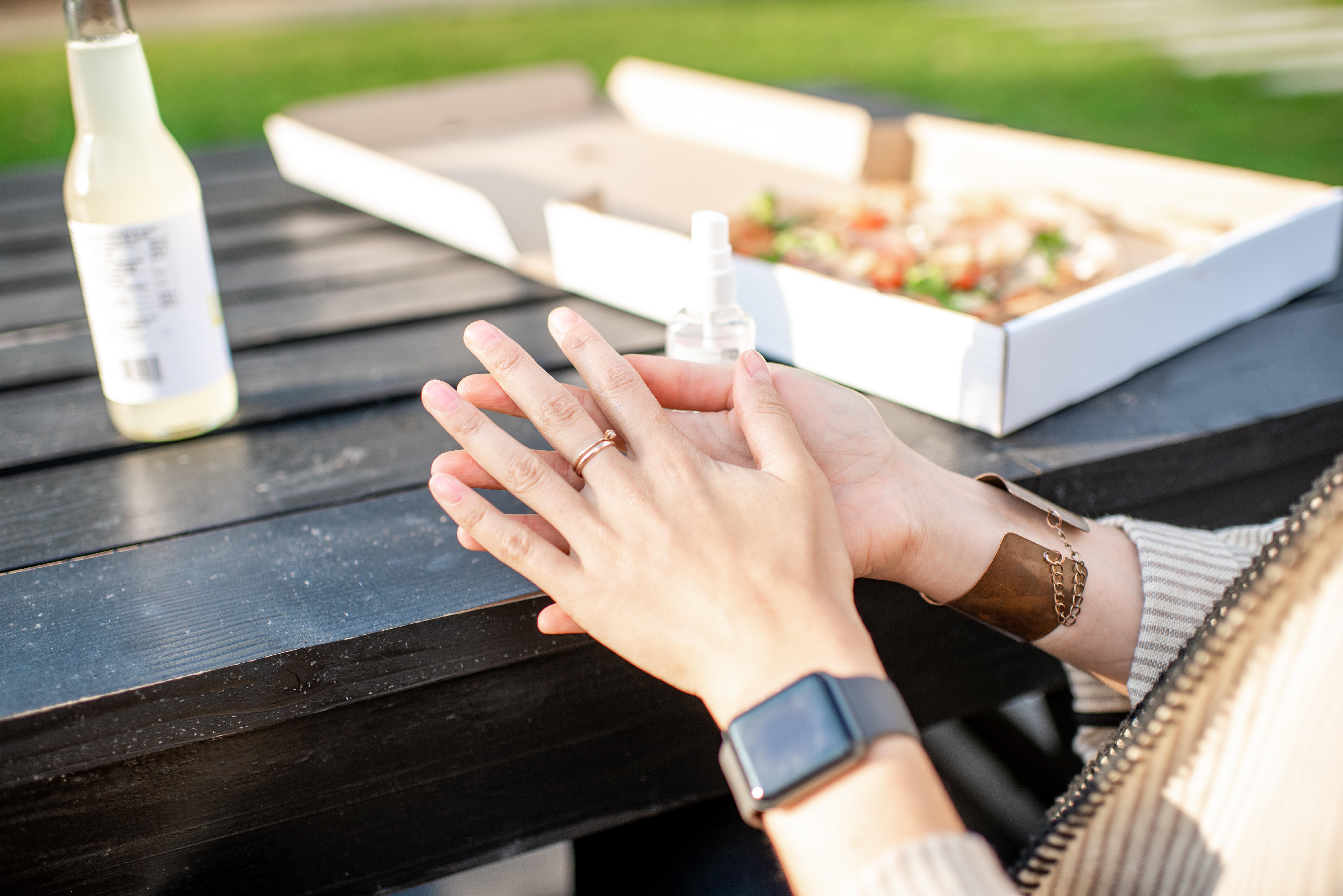
Not washing hands before handling or eating food can cause harmful bacteria to spread, warns Looch.
“Wash your hands before preparing your picnic and, where possible, before eating it,” she advises.
“If it’s not possible to wash your hands at your picnic site, you can use hand sanitising wipes or gels to disinfect them before handling food. Using hand sanitiser kills most bacteria on your hands.”
2. Always wash fresh fruit, vegetables and salad leaves before a picnic
Fruit, veg and salad leaves can carry harmful bacteria, pesticide residues or other contaminants that aren’t visible to the naked eye, warns Looch.
“Make sure to wash fresh fruits – including those with rinds – vegetables and salad leaves thoroughly under running tap water before packing them in the cool box,” she advises.
3. Control food temperature
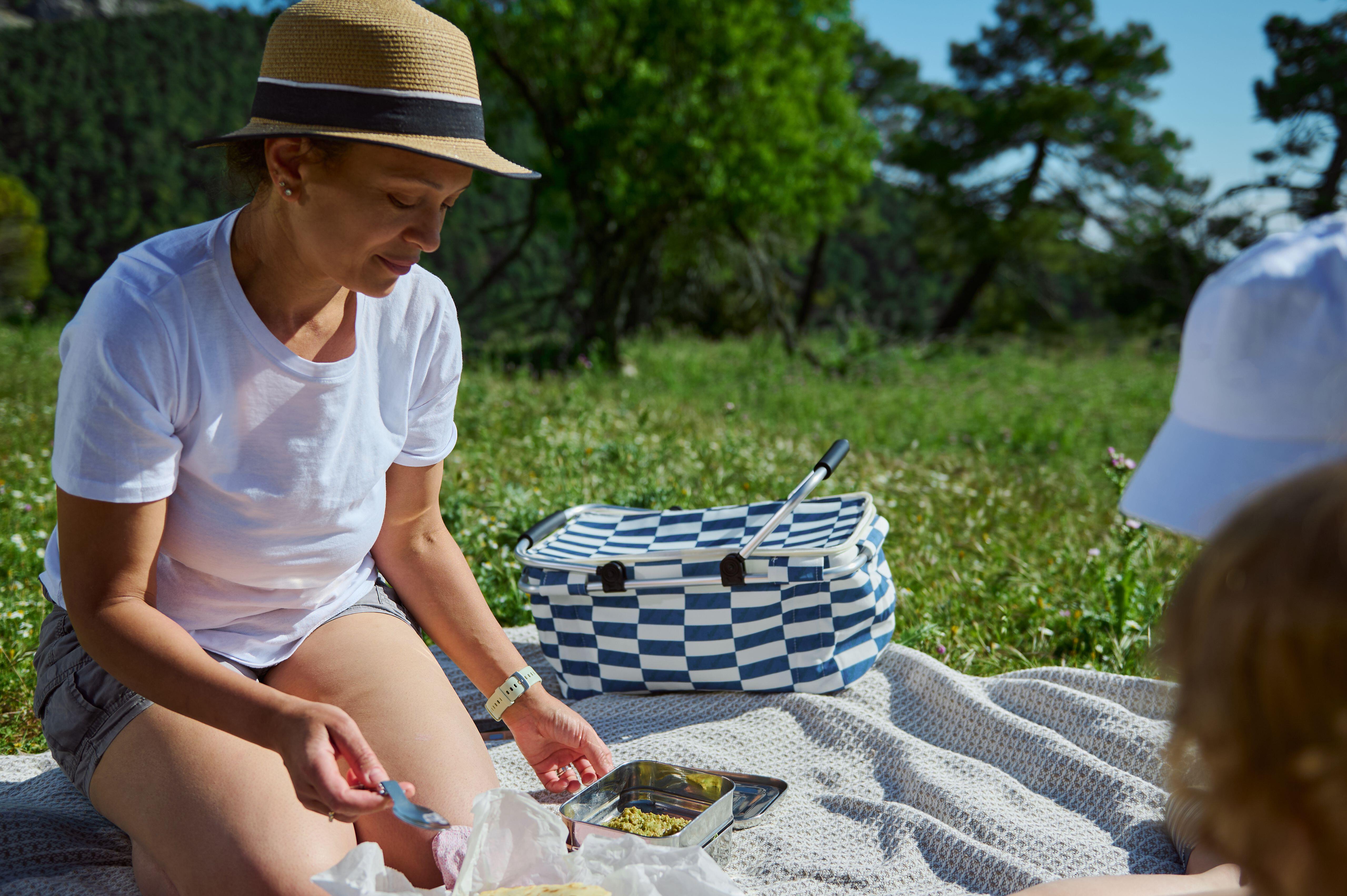
Perishable foods need to be kept cool throughout a picnic, as without proper temperature management, bacteria can multiply to unsafe levels, increasing the risk of food poisoning.
Looch says: “The time between preparing dishes and eating them tends to be longer than normal when you’re picnicking, so plan ahead to keep food cool until you’re ready to eat.”
She says food you’d normally keep in the fridge at home also needs to be kept cool on a picnic, including any food with a use-by date, cooked dishes, prepared salads and sandwiches, dairy products, ready-to-eat foods like dips or spreads, sausage rolls, cocktail sausages or quiches, children’s picnic and lunchbox snacks, yoghurts, and pre-cut fruit and vegetables.
She suggests placing such foods in a cool box or cool bag with ice or frozen gel packs, and advises: “Distribute ice packs throughout the box or bag, not all at the bottom, so all the contents can be kept cold. You can also use frozen drinks to help keep your cool box cold.”
It’s important to minimise the number of times the cool box is opened, as this helps to keep the contents cold for longer, she says. “For example, if you’re using more than one cool box, pack perishable foods in one and drinks in another.”
Take out cold food only as you need it, as this is not only safer, but will mean that any food not eaten is kept at the right temperature for later consumption.
And if you can, leave the cool box/food in a shady spot and out of direct sunlight to help keep it as chilled as possible, she suggests.
4. Store leftovers safely after a picnic
Once food has been served and left out, time and temperature determine whether it’s still safe to eat or should be thrown away, says Looch.
So, after a picnic, put any leftover food back in the cool box to keep cool. “If you’re out for less than four hours and the food still feels cool when you get home, you can put it back in your fridge,” she advises.
But after four hours or more at warm temperatures (8 °C and above), the risk from bacteria increases, and food may become unsafe to eat.
She says: “In extremely hot weather, use food that’s been out of the fridge within two hours. If the food temperature’s reached 8°C or above, these foods should be discarded after four hours, unless refrigerated within four hours, or two hours in extreme heat.”
She suggests working out portion sizes for each picnicker, and only packing what’s needed, can help reduce food waste.
5. Take extra care with vulnerable picnickers
Looch warns that some people are at greater risk from food poisoning, and extra care should be taken when planning their picnic.
Vulnerable groups include young children (under five years), pregnant women and their unborn babies, older people, and people with an underlying health condition such as diabetes, liver disease, or cancer.
Looch says: “Many people mistakenly think food poisoning is just a passing tummy bug, but it can be very serious.
“Most people with food poisoning recover at home and don’t need any specific treatment, but some people are at increased risk of food poisoning and extra caution should be taken with what they eat.”
She explains that food poisoning can be caused by various bacteria including campylobacter, salmonella, listeria and E.coli, and some foods, like soft mould- ripened cheeses, deli meat and smoked fish, have a higher risk of listeria.
6. Check people’s food allergies and intolerances beforehand

Failing to check whether any guests have a food allergy or intolerance before preparing picnic food could have serious and potentially life-threatening consequences, Looch warns.
“If someone’s allergic to something and you’ve served them a food they can’t eat, just taking it off their plate isn’t enough,” she explains, “because an extremely small amount can be enough to cause an allergic reaction. It’s important to take care when planning and preparing a meal.
“Ask and understand the steps to take if anyone has a food allergy, intolerance or suffers from coeliac disease before preparing food for people.”
FSA advice on preparing an allergy-safe meal and avoiding cross-contamination of allergens is available here.