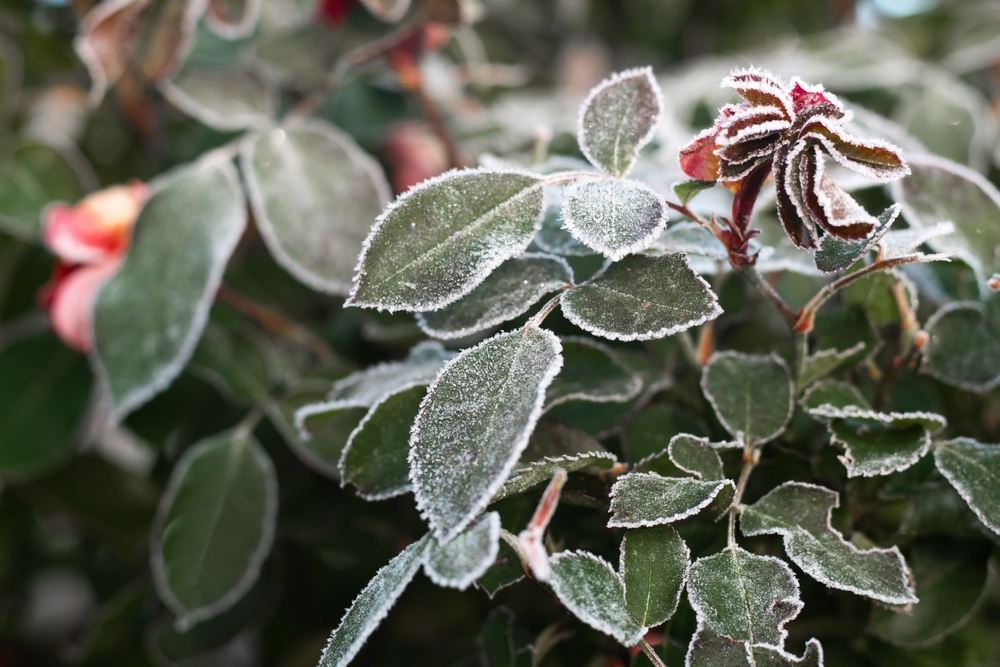
Winter can be brutal—not just for humans, but for the plants you’ve nurtured all year. One day, your leafy friend looks vibrant and lively, and the next, it’s drooping, yellowing, or losing leaves faster than you can say “frostbite.” It’s frustrating, heartbreaking, and honestly, a little mysterious.
How can plants that thrived in summer suddenly start failing the moment temperatures drop? The good news is that winter plant problems are usually avoidable once you understand the sneaky culprits behind their decline.
1. Lack Of Sunlight Is Slowly Killing Them
As days get shorter and the sun hangs lower in the sky, many indoor and outdoor plants struggle to get enough light. Even if your home feels bright to you, the angle and intensity of winter sunlight often aren’t enough for plants that thrived in summer. A lack of sunlight weakens their energy stores, slows growth, and makes them more vulnerable to pests and diseases. You might notice pale leaves, thin stems, or drooping foliage—all signs your plant is literally starving for light. The fix? Move your plants closer to south-facing windows, use reflective surfaces to bounce light, or invest in a gentle grow light to keep them thriving.
2. Overwatering Turns Friendly Soil Into A Trap
It feels natural to water more in winter—you see dry soil and panic—but many plants actually need less water during the cold months. Overwatering causes roots to sit in soggy soil, which can quickly lead to root rot. Unlike summer, when heat and sunlight help soil dry quickly, winter air is cooler and humidity is lower indoors, meaning water lingers longer. Signs of overwatering include yellowing leaves, mushy stems, and a musty smell from the soil. To fix it, check soil moisture before watering and allow the top inch or two to dry out between waterings.
3. Indoor Heating Dries Out Everything In Sight
Central heating might keep you cozy, but for many houseplants, it’s like living in a desert. Warm, dry air draws moisture out of leaves, causing crispy edges and shriveled stems. Plants that love humidity, like ferns or calatheas, suffer the most during long winter months. You might notice brown leaf tips, curling leaves, or a general lack of vibrancy. The solution? Group plants together to create a micro-humidity zone, use pebble trays with water, or run a small humidifier nearby to keep the air moisture at a plant-friendly level.
4. Temperature Fluctuations Shock Your Plants
Winter homes often have uneven temperatures: cold drafts near windows, hot spots near heaters, or doors that constantly open to the chill outside. Many plants are sensitive to sudden swings, and rapid changes can stunt growth or cause leaves to drop. Even plants that are technically cold-tolerant can react badly to repeated shocks. Common signs include wilting, leaf curling, and unexpected bud drop. Avoid this problem by keeping plants away from drafty spots and radiators, and try to maintain a more consistent indoor temperature for them.
5. Pests Take Advantage Of Winter Weakness
It may surprise you, but pests don’t take a holiday in winter. In fact, plants weakened by low light, dry air, or inconsistent watering are prime targets. Spider mites, aphids, and mealybugs can infest leaves and stems, often going unnoticed until the damage is significant. A plant under stress is more vulnerable to these tiny invaders because its natural defenses are compromised. To combat pests, inspect your plants regularly, wipe down leaves, and treat infestations early with safe solutions like neem oil or insecticidal soap.
6. Nutrient Deficiencies Slow Growth And Health
While many plants go semi-dormant in winter, they still need some nutrition to maintain healthy leaves and stems. Over time, soil can lose key nutrients, leaving plants yellowing, stunted, or prone to leaf drop. Fertilizing too aggressively can be just as harmful as not feeding at all, so it’s important to adjust your approach for the season. Winter-friendly feeding usually means a diluted, low-nitrogen fertilizer once a month. Paying attention to leaf color and growth patterns can help you spot deficiencies early and keep your plants strong until spring.
Keep Your Winter Plants Thriving
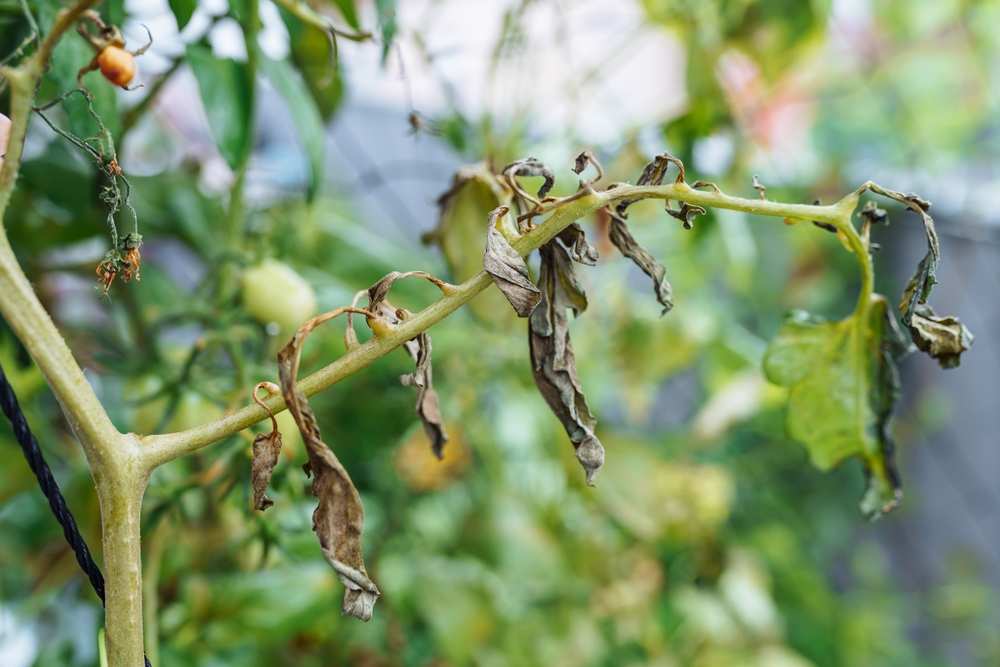
Winter doesn’t have to be the season of doom for your plants. Understanding the sneaky causes of decline—from light shortages to pests and temperature swings—gives you the power to intervene before it’s too late. Every drooping leaf or yellowing tip is a clue, not a sentence, and small adjustments can bring even struggling plants back to life.
Have you battled winter plant challenges? Share your tips, funny stories, or “I almost killed it” moments in the comments section below.
You May Also Like…
How Garden Lighting Changes Everything in the Winter Landscape
9 Winter Plants That Actually Thrive in Freezing Temperatures
7 Birds And Wildlife Friendly Plants to Add in Winter
9 Budget-Friendly Winter Garden Projects You Can Finish Before Spring
The Hidden Benefits of Bare Branches — How Sunlight Changes Your Garden Layout
The post 6 Reasons Your Winter Plants Are Dying and What to Do About It appeared first on Frugal Gardening.