
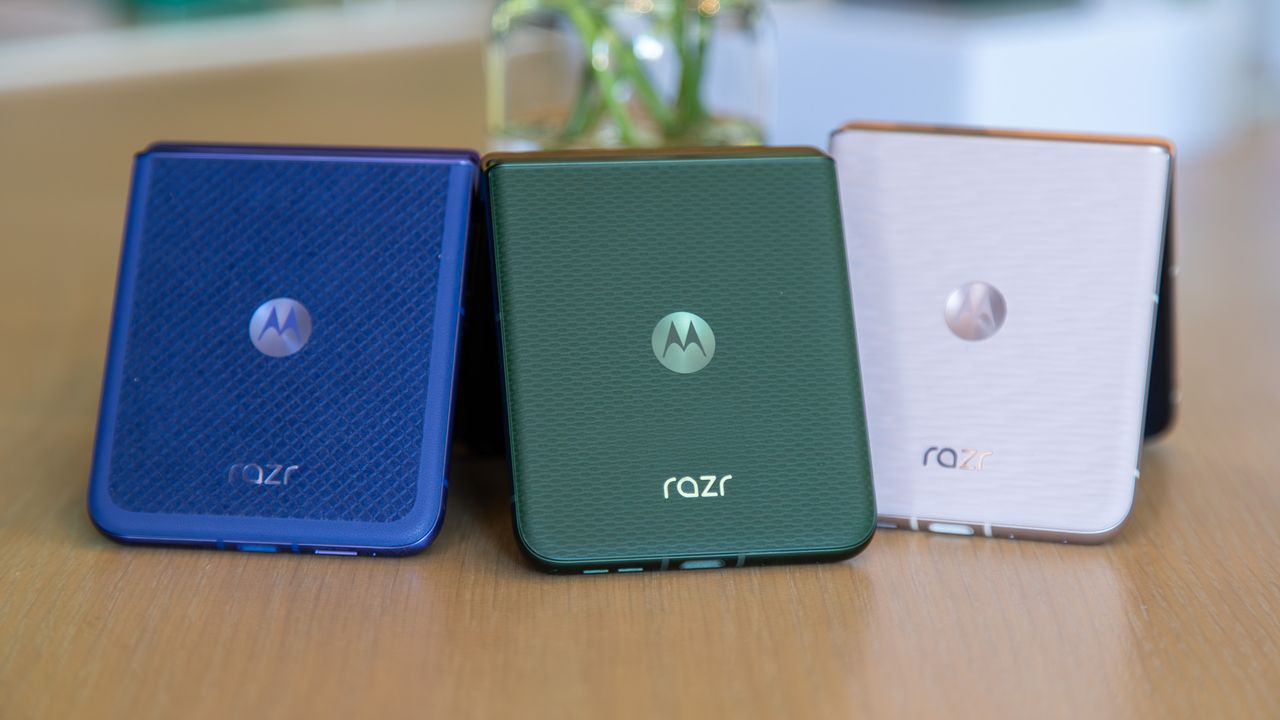
The Razr 2026 series is finally here, and while the phones look nearly identical to their predecessors, there are still some notable upgrades that you may care about. So, while we wait for preorders to begin on May 14, we're going through a few things you may want to consider if you're thinking of purchasing a Razr 2026 flip phone (we'll cover the Razr Fold in a separate article).
Keep in mind that this is based on the phones' specs and my brief hands-on time with the devices. For a full analysis and final recommendations, you'll have to wait for our reviews.
Motorola Razr 2026 series: Why you should one
Here are the top reasons why you might want to consider purchasing the Razr 2026 flip phones.
New colors and materials
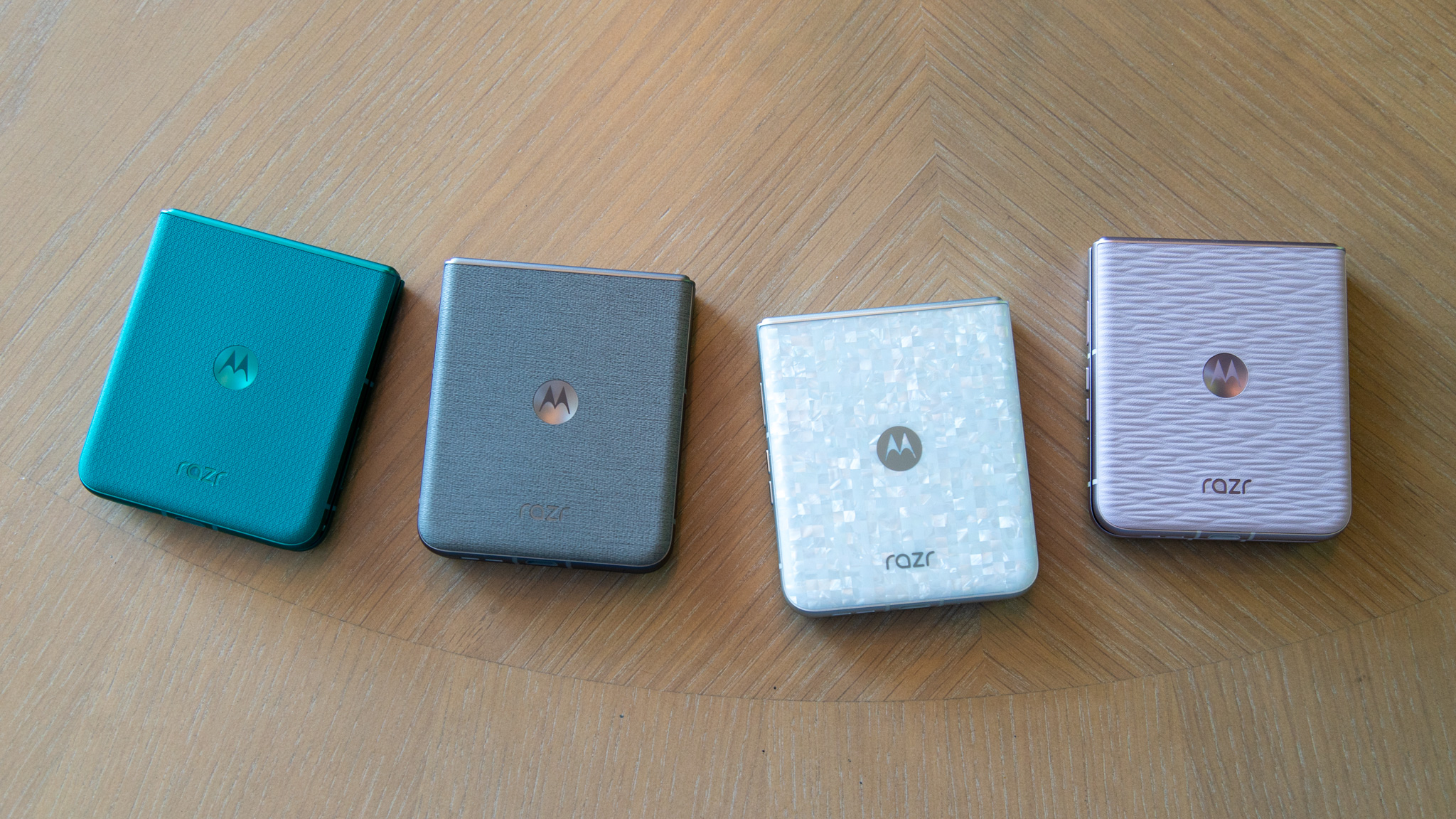
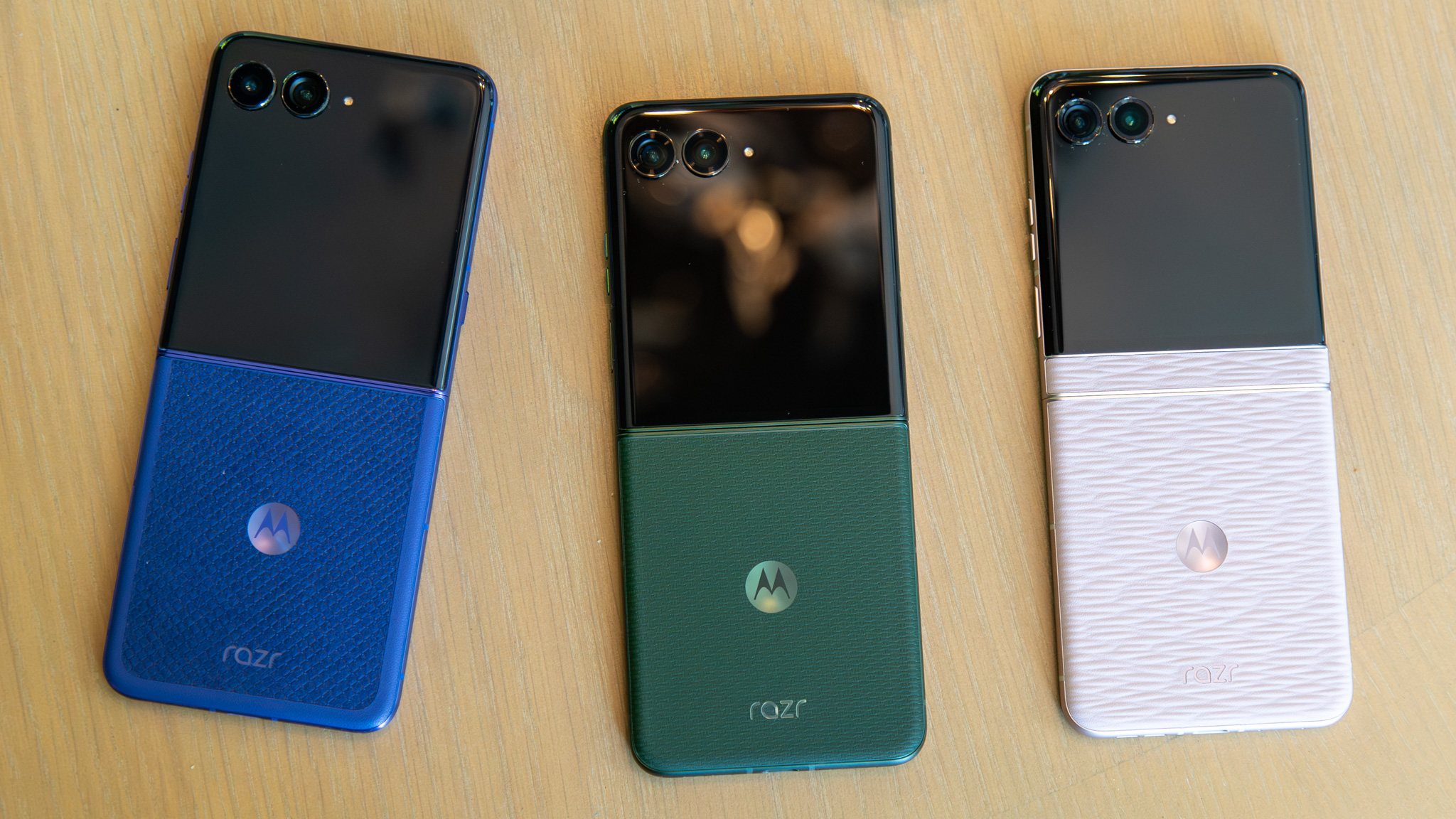
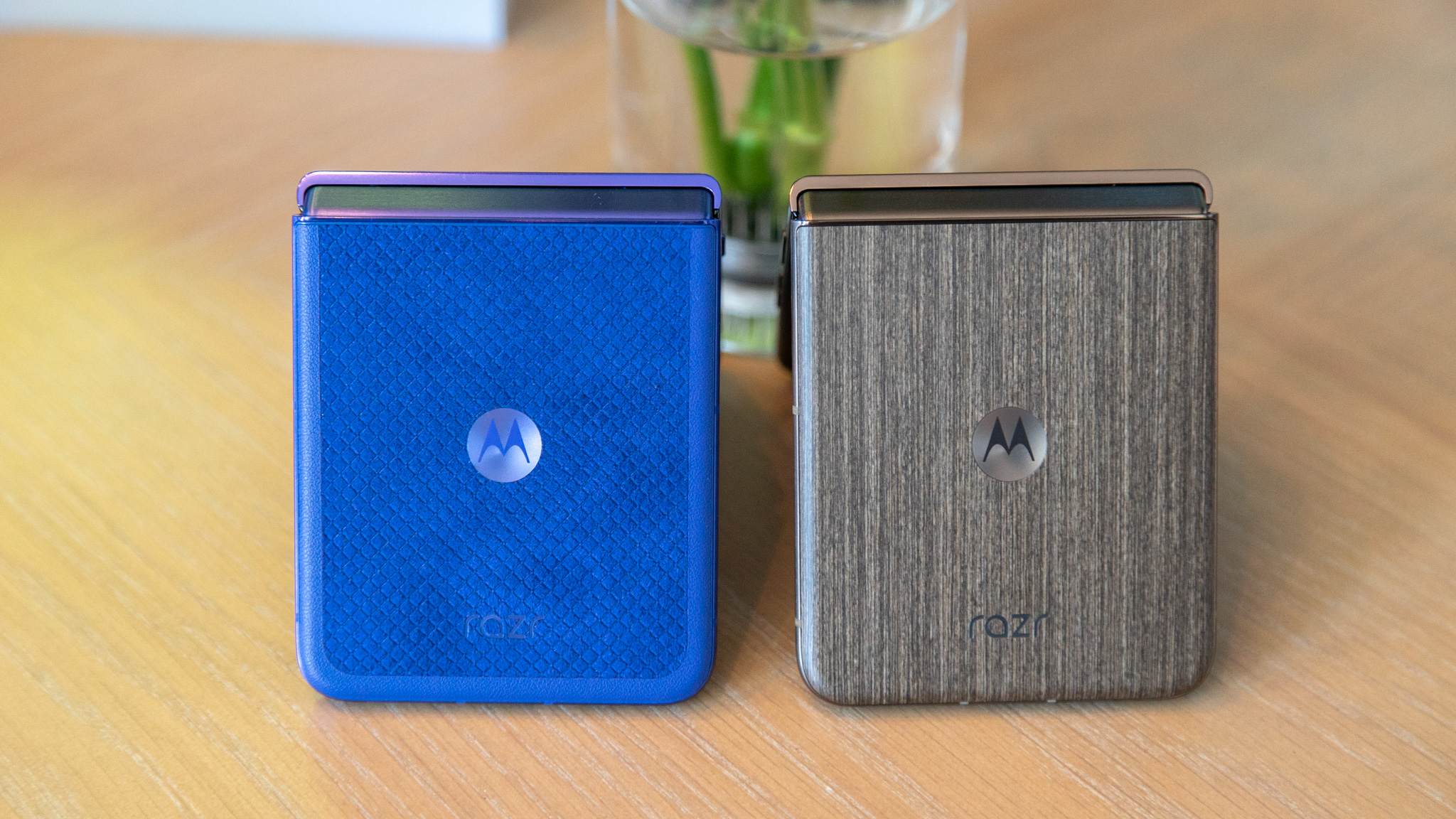
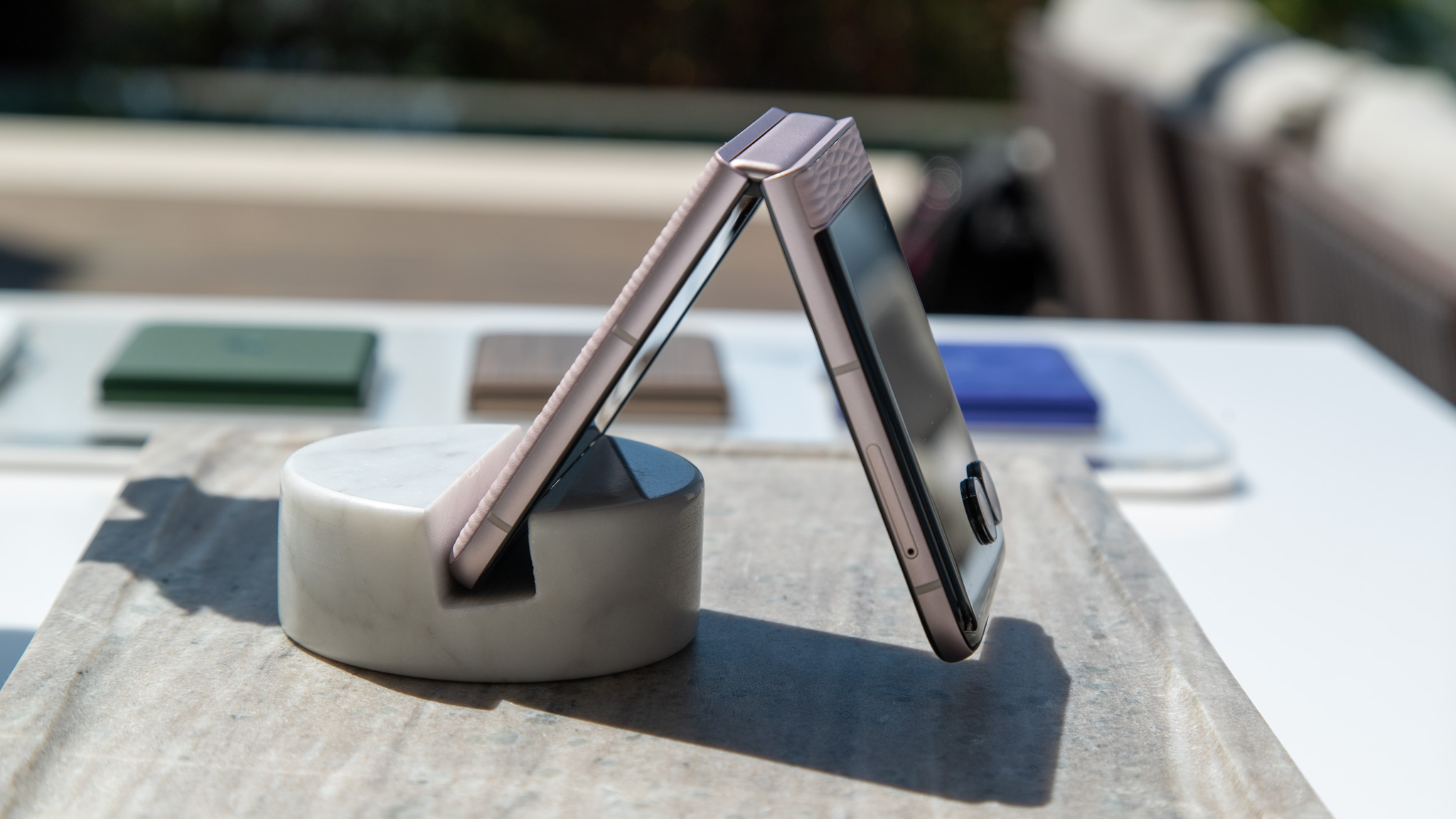
One of the things Motorola is known for is steering away from glass back panels and using alternative materials on its phones. We often praise the company for its bold colors and use of materials like vegan leather and wood, and the Razr 2026 series continues this with new color options and some interesting material choices.
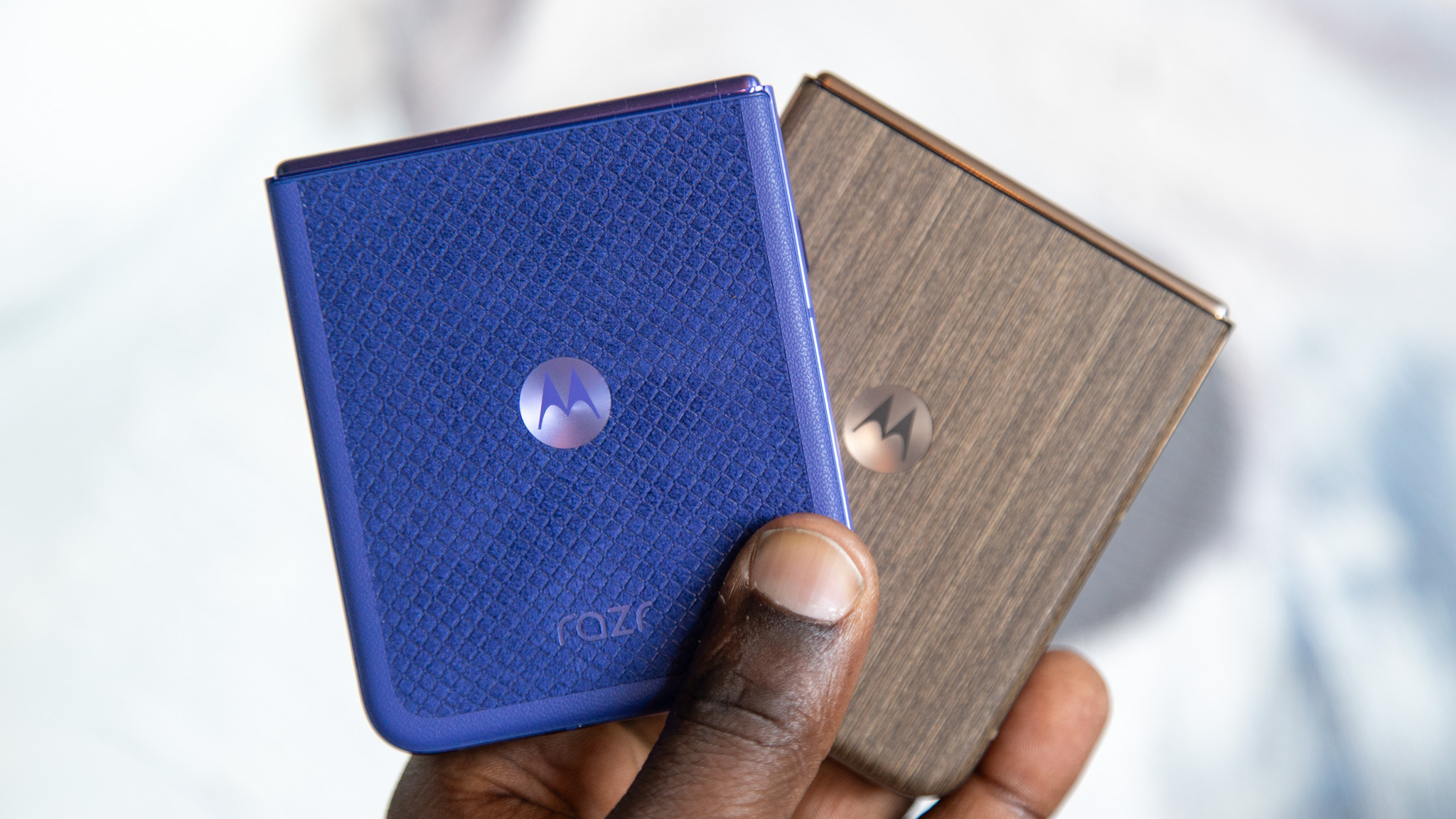
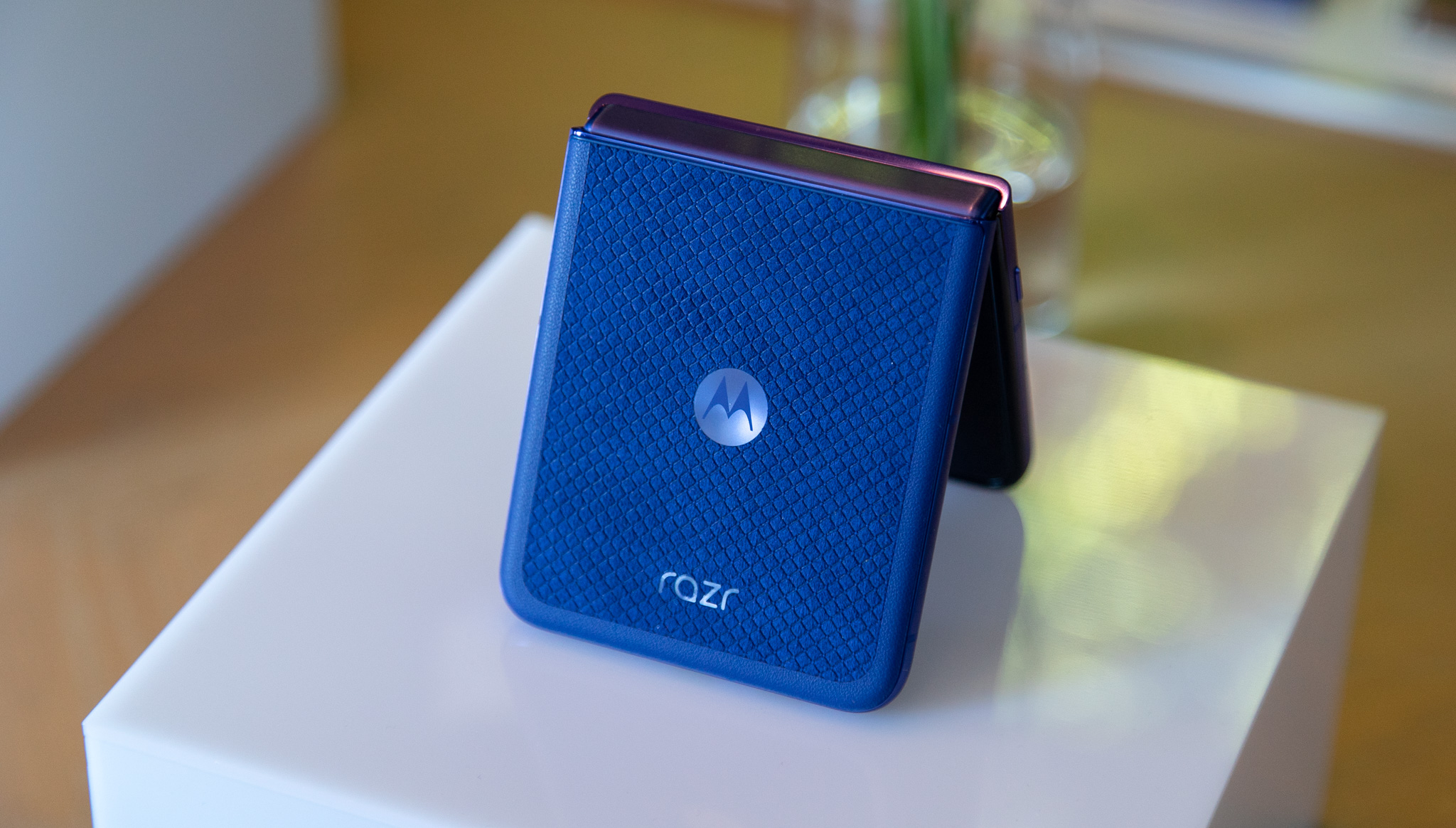
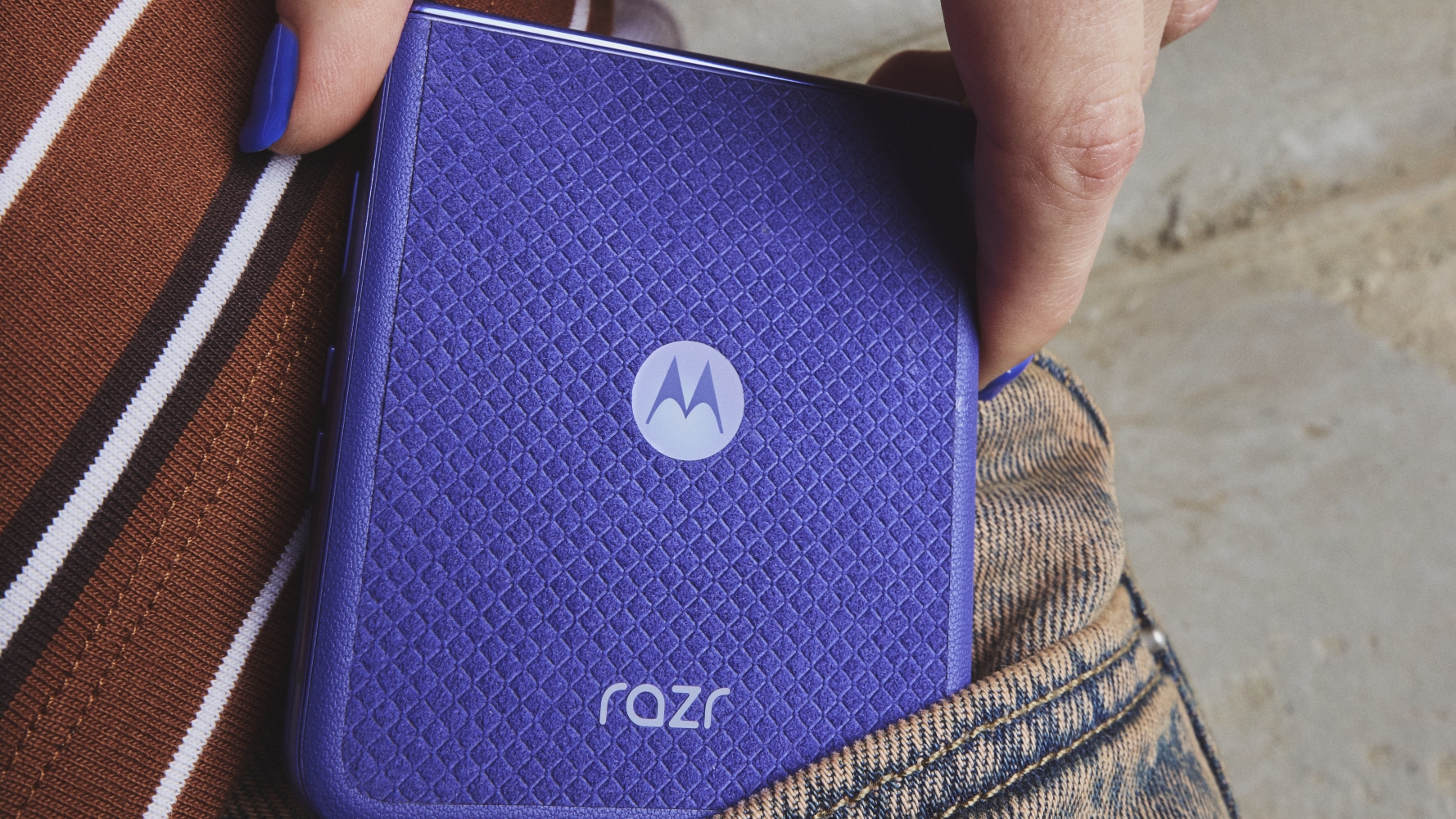
The Razr Ultra 2026 only comes in two colors this year, Orient Blue and Cocoa, which build on what were apparently the more popular material options on the Razr Ultra 2025, Alcantara and wood. The soft Alcantara feels lovely in hand, and the color shifts somewhere between blue and purple depending on the lighting, while Cocoa offers a darker wood tone compared to the Mountain Trail option on the 2025.
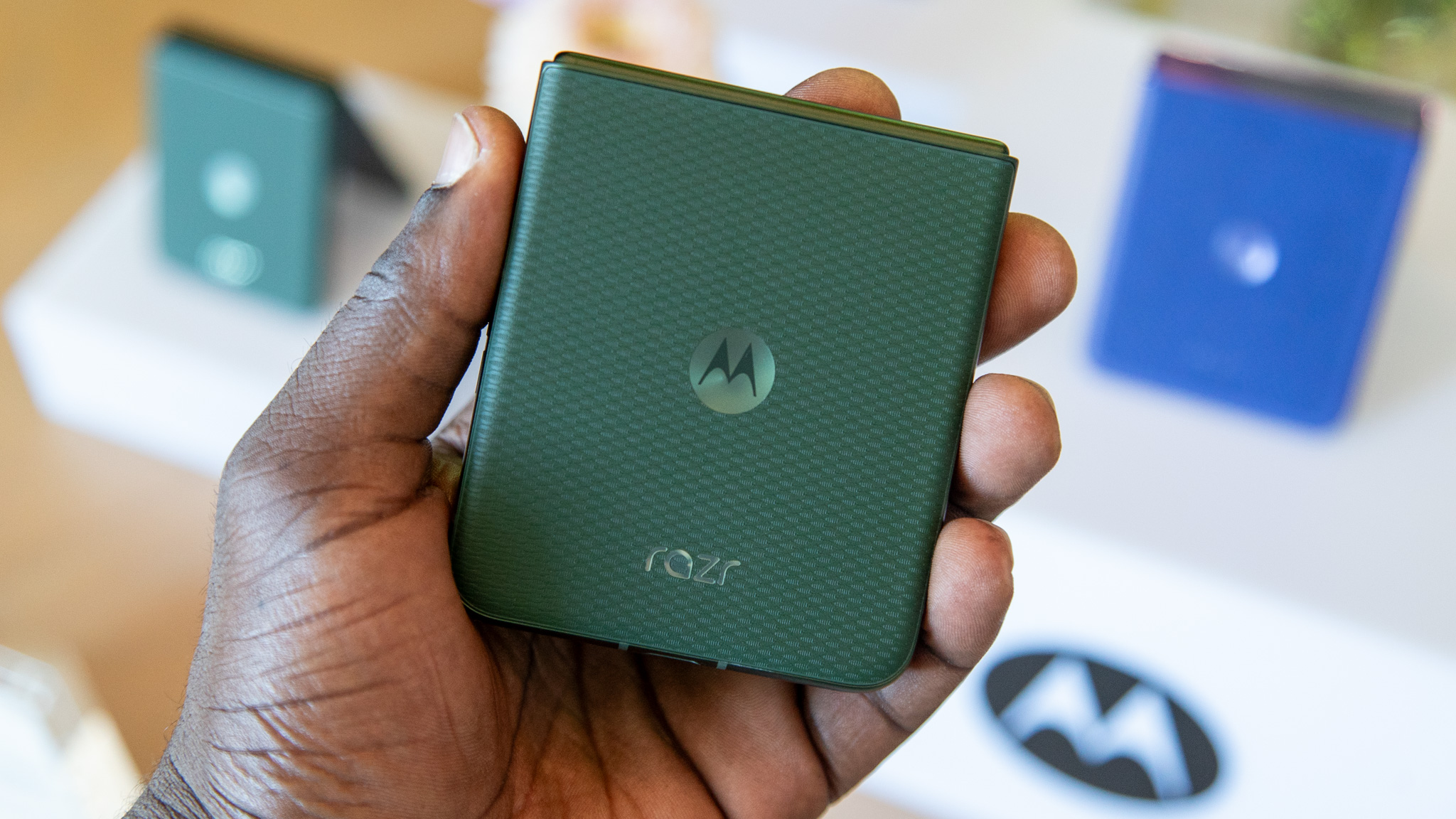
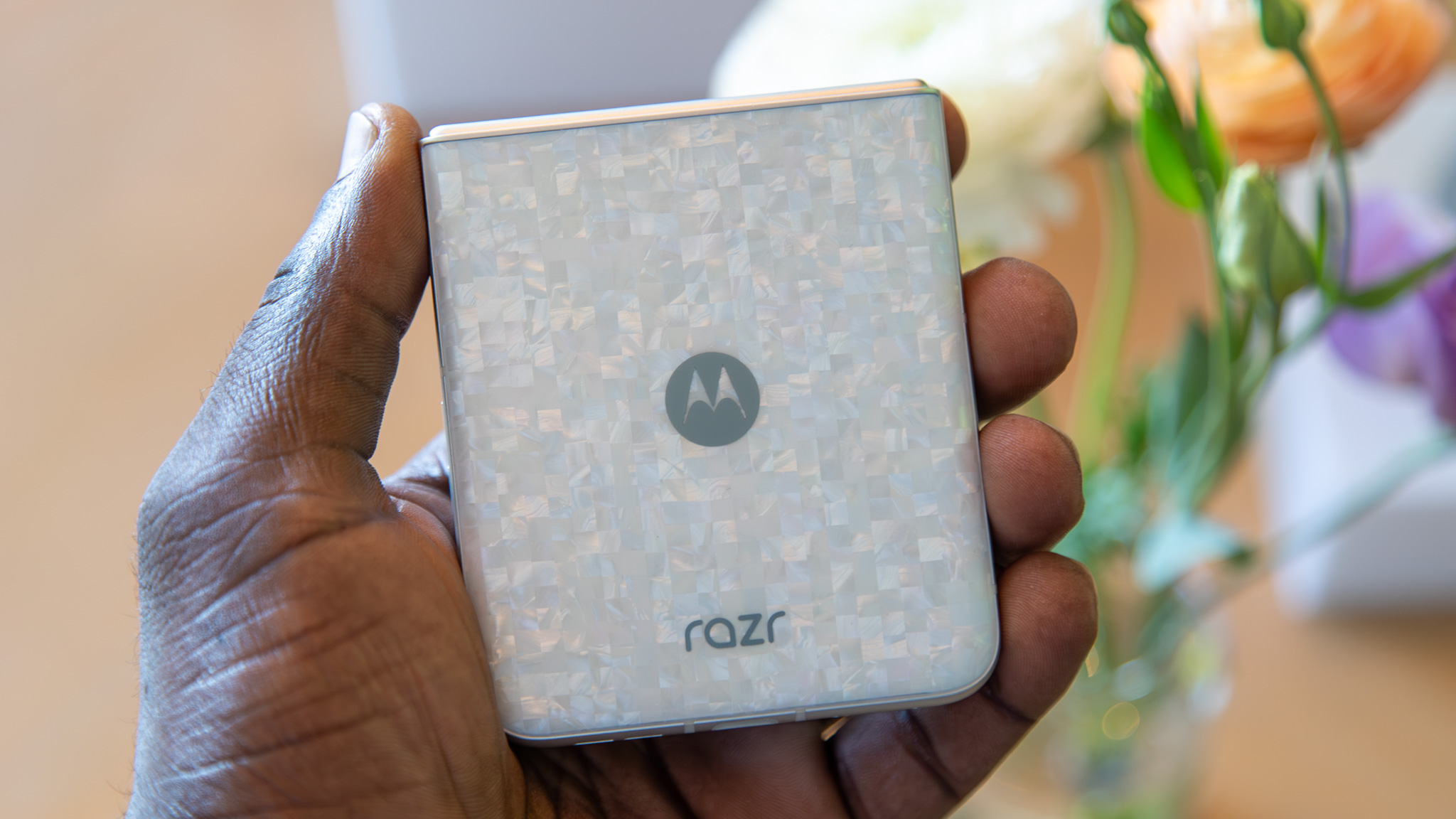
The base Razr gets four color options, so buyers have quite a choice ahead of them. All of them look and feel great, but I gravitate towards Bright White and Violet Ice, as the former sparkles brilliantly thanks to the acetate design (although the phone feels quite heavy), while the latter features a soothing wavy texture that makes me want to rub my hand across it all day long.
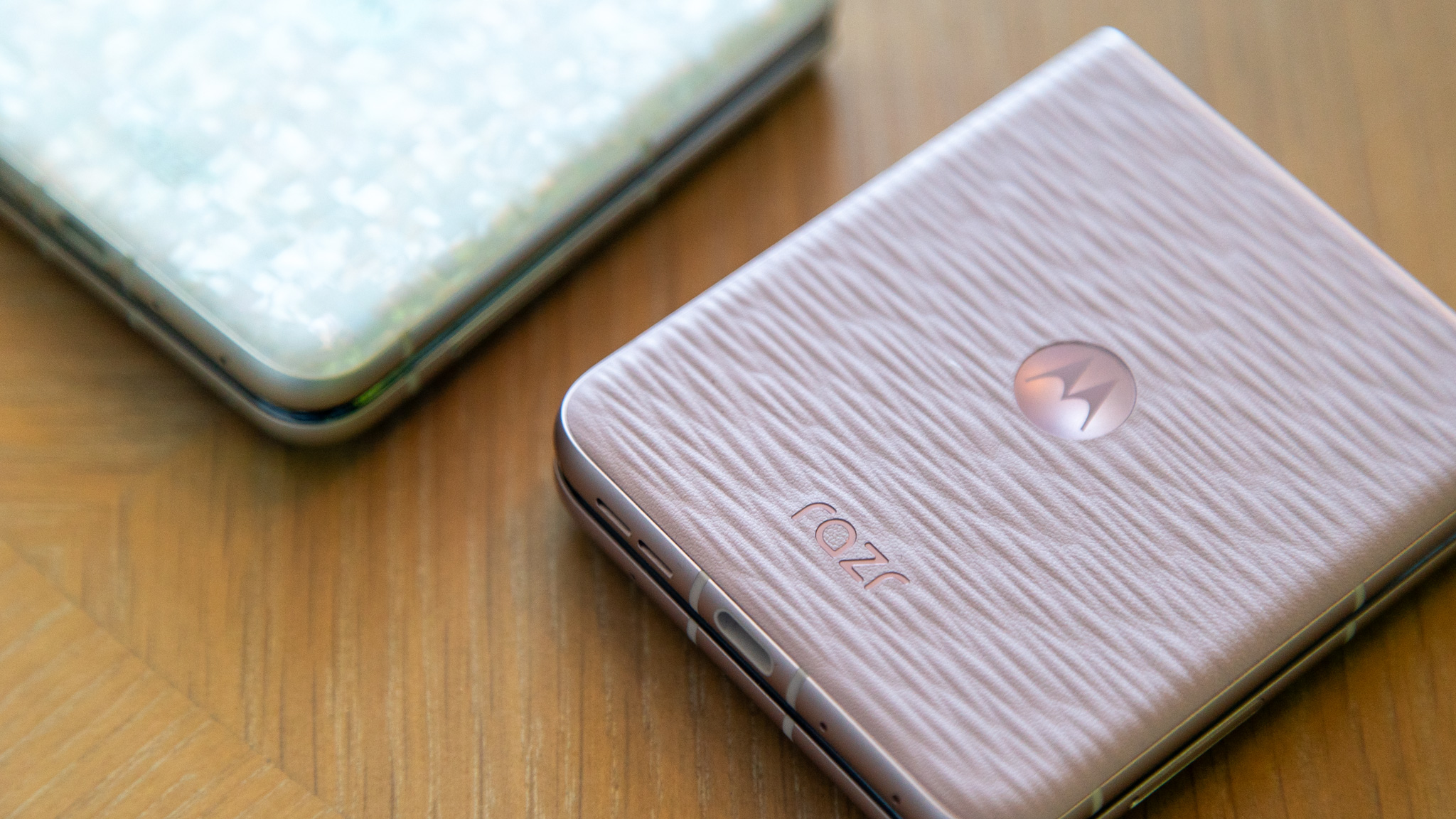
What's even better is that Motorola is likely to launch even more colors down the line, perhaps even with another Paris Hilton collaboration!
Camera improvements across the board
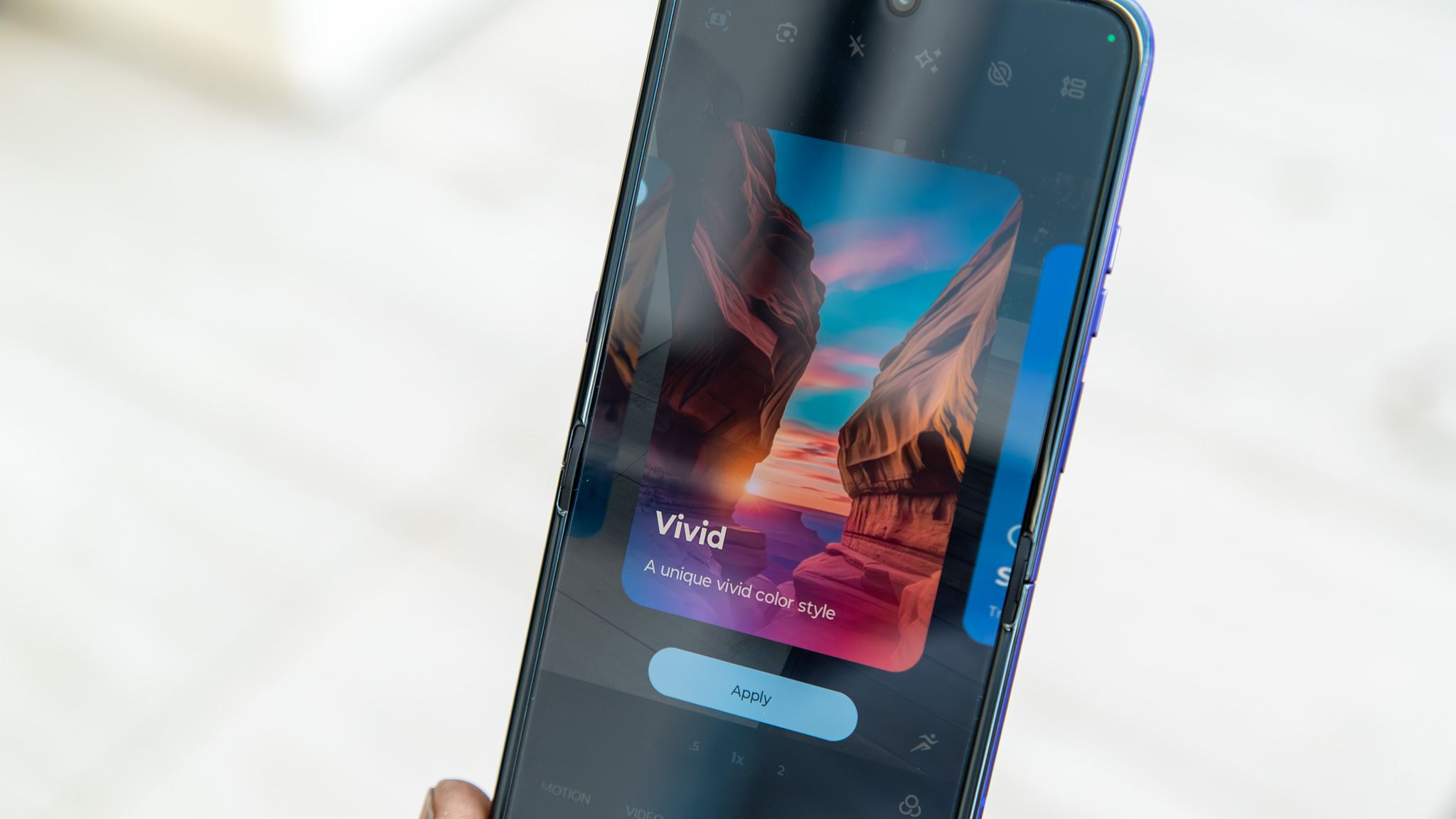
There weren't a ton of changes with the new Razr 2026 series, but one thing Motorola did change on every device was the cameras.
The Motorola Razr Ultra 2025 camera was already pretty great, but Motorola is promising even better photos, thanks to a new LOFIC (Lateral Overflow Integration Capacitor) camera sensor. Motorola isn't the first company to use this type of camera (see the Xiaomi 17 Ultra), but it promises better dynamic range, faster image capture, and greater efficiency.
The sensors are also Pantone-validated for better color and skin-tone accuracy.
The Razr and Razr Plus have also been upgraded, and now they both have dual 50MP rear cameras that are Pantone Validated. This should mean better ultrawide photos on the Razr 2026, but the Razr Plus has also swapped last year's telephoto camera for an ultrawide. Fortunately, you can still get optical-quality images at 2x zoom if you need it, but this should offer more versatility.
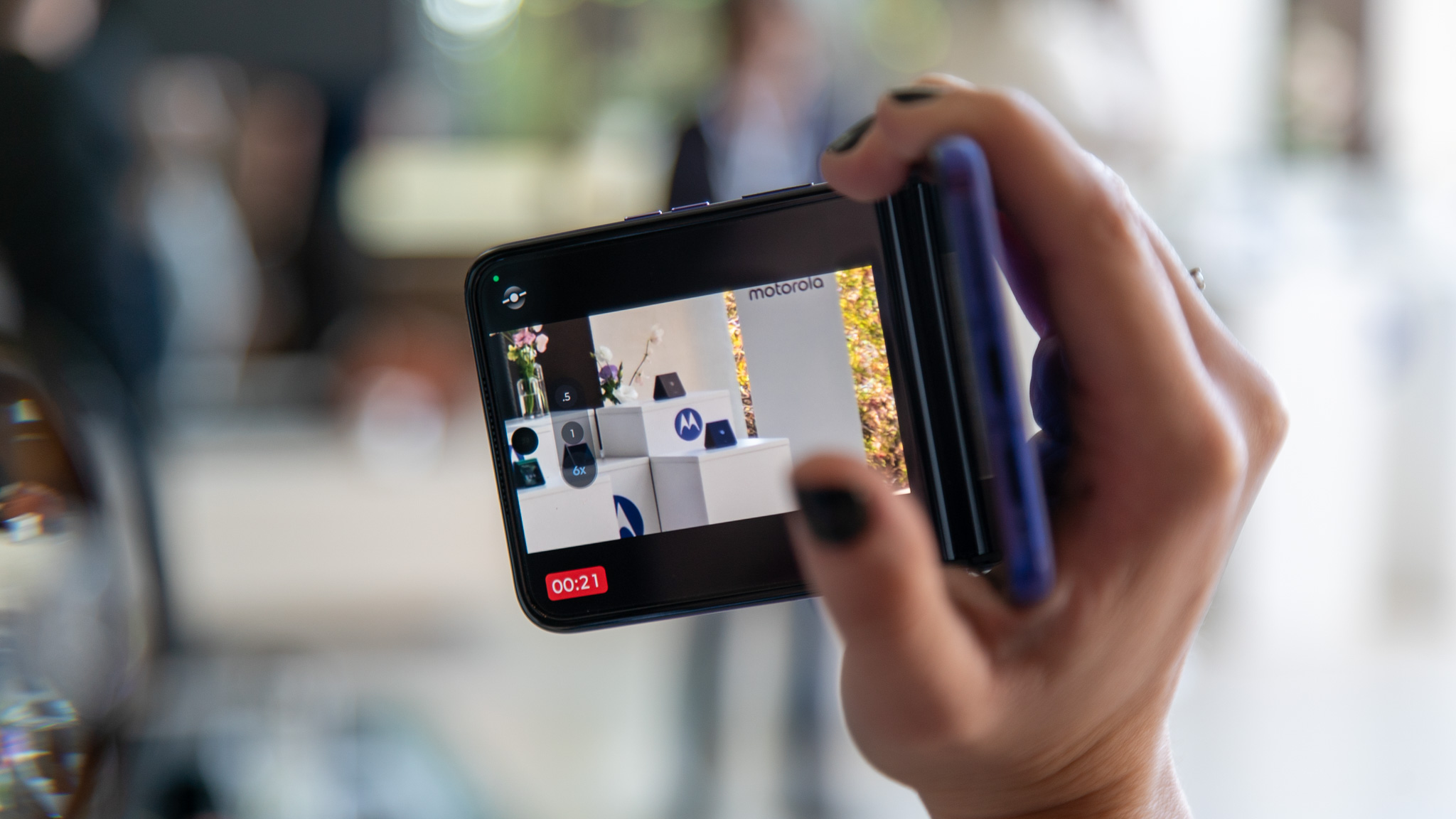
Motorola has also added more camera features, including Tilt to Zoom in Camcorder mode and Frame Match, which lets you capture a scene and create an overlay so someone else can take a photo of you with your desired framing.
Motorola also announced two Google Photos features with the Razr 2026 series, one of which creates a digital wardrobe for you to mix and match garments and create a digital preview of an outfit. The other integrates Google Photos Memories into Motorola's Daily Drop, so you can see your photos alongside other personalized content.
New battery tech
Silicon-carbon batteries are the hot new tech, allowing companies to squeeze larger-capacity batteries into smaller bodies, and they're taking the smartphone industry by storm. Unfortunately, U.S. companies like Samsung and Google are slow to adopt it, but Motorola is bringing it to the new Razr flip phones.
As a result, Motorola was able to increase the battery capacity of each model. The base Razr goes from 4,500mAh to 4,800mAh, the Razr Plus goes from 4,000mAh to 4,500mAh, and the Razr Ultra increases from 4,700mAh to a solid 5,000mAh! All without increasing the size of the devices!
This means you can spend more time capturing and less time worrying about battery life.
More software updates... kinda
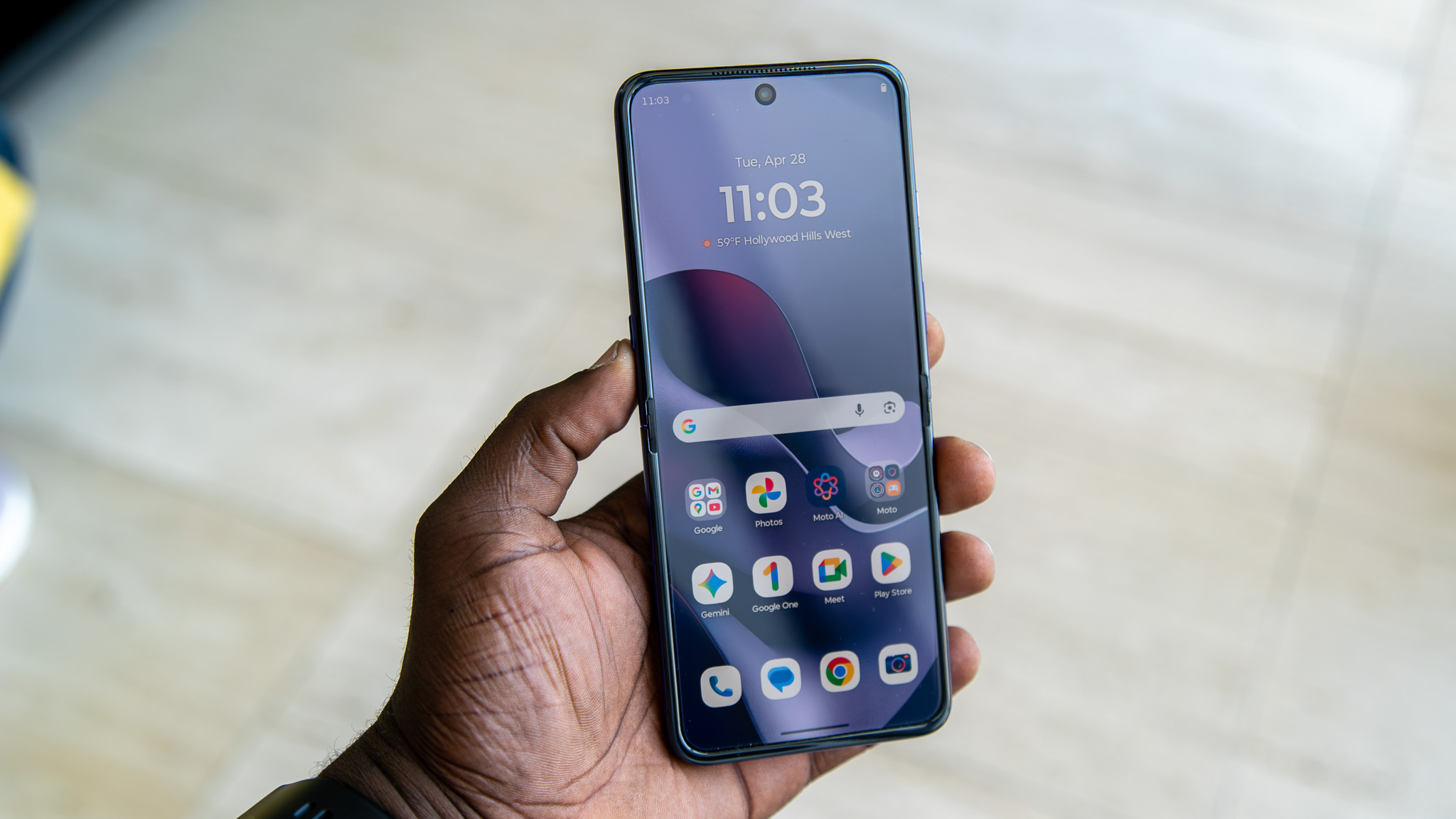
Motorola isn't the best when it comes to timely or even long software update support, but that's slowly changing. The Razr series has long offered a software update promise of three years of OS upgrades and four years of security updates. Now, the Razr 2026 series is raising the bar, even if just by a little by offering five years of security updates.
It may not seem like a lot, but even when major OS updates stop, Motorola will still be able to provide security patches, and the company sometimes rolls new features into these updates, which is almost as fun as receiving a whole new Android version. So, rest assured you'll know your phone is safe for longer.
The cover screen is even better
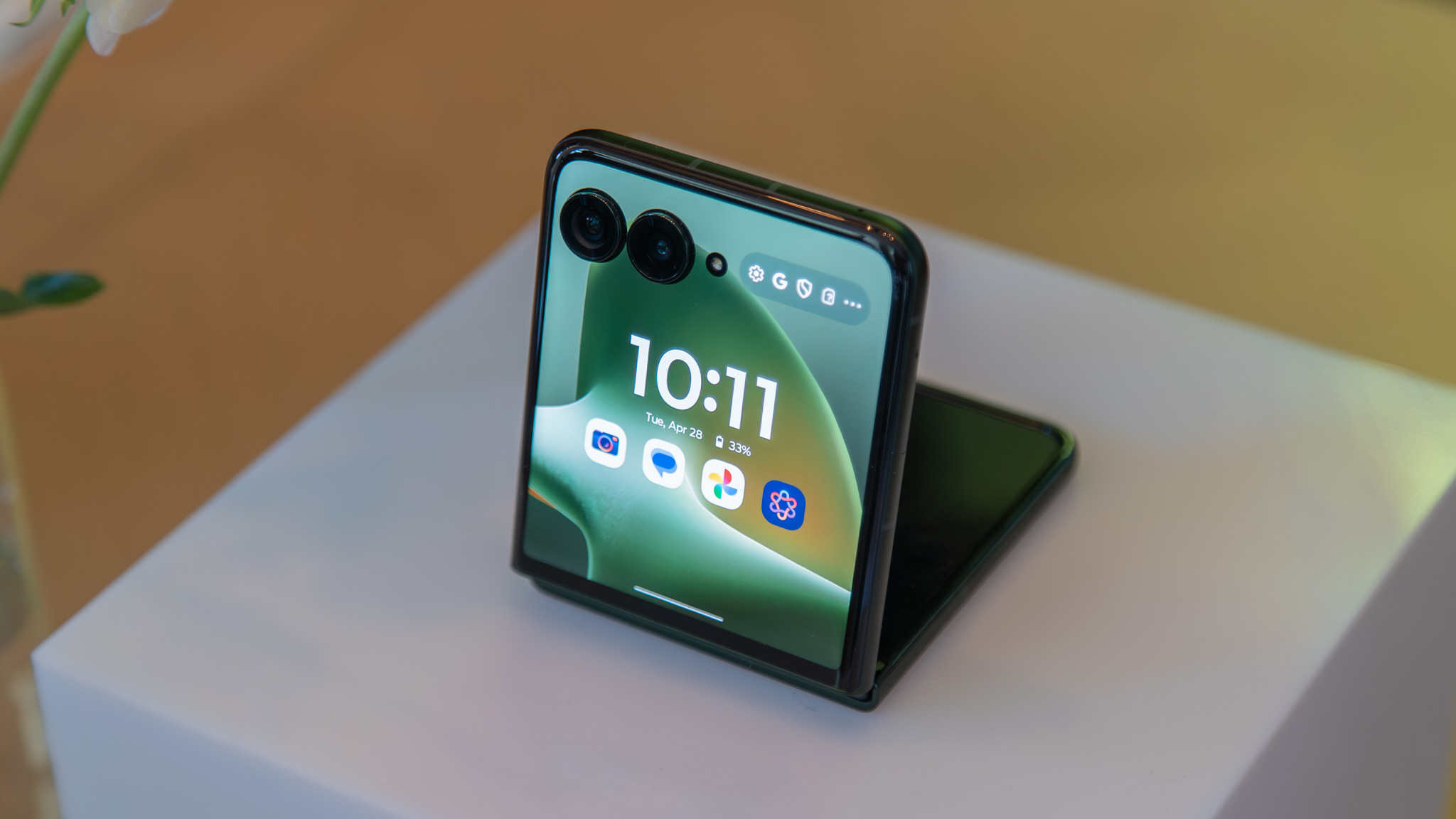
The cover screen is by far one of the best reasons to buy a Razr. It's just a fun and versatile feature that really makes the phone stand out. However, thanks to two new updates, the cover screen is about to become much more useful and fun!
Video wallpapers are the first new addition to the cover screen. This is something users have been wanting for some time, and it's finally here, allowing more creativity and liveliness for users who really want to show off the cover screen. However, keep in mind that using video wallpapers will likely run down the battery faster.
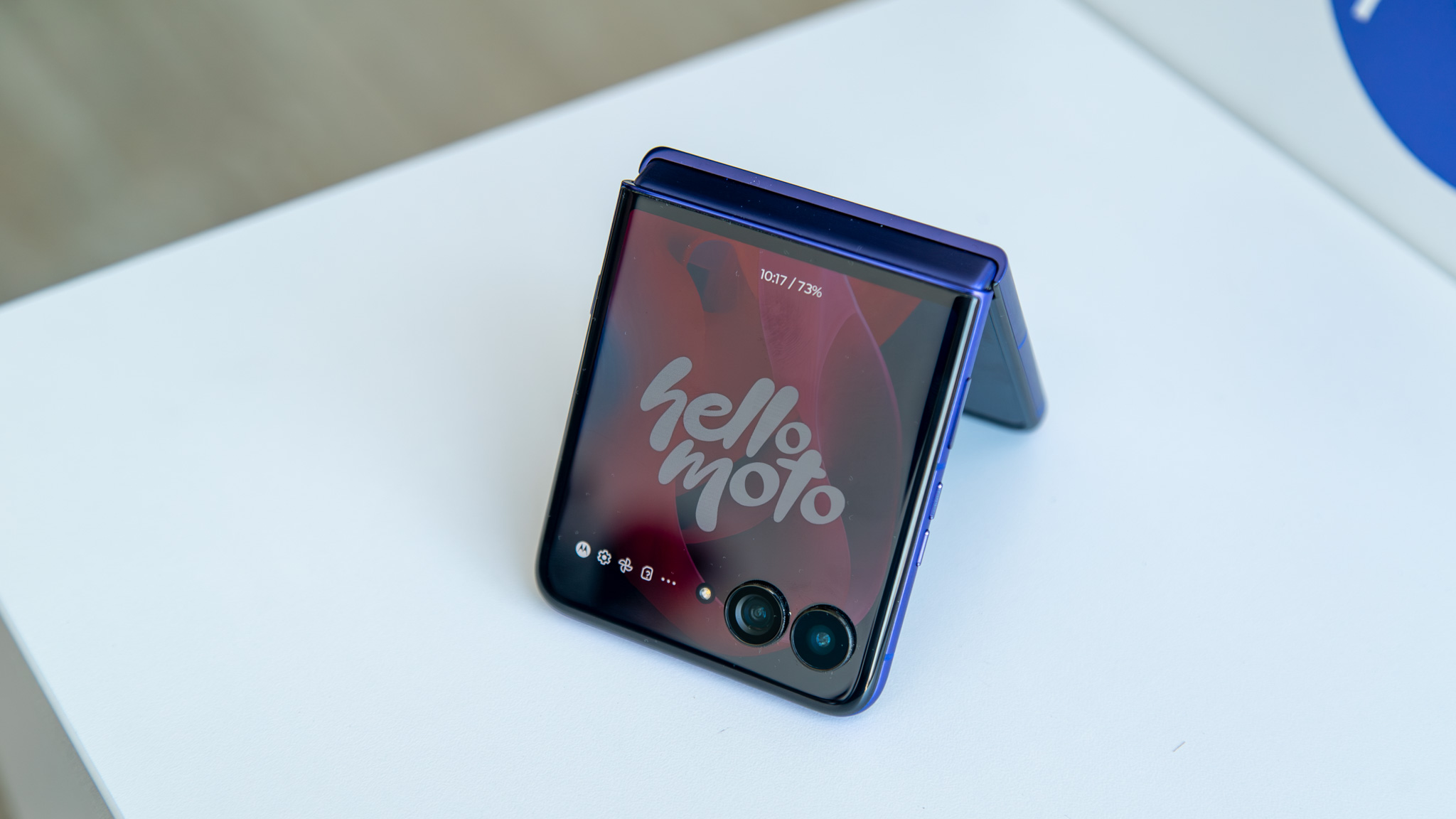
The other update users can look forward to is Live Updates. This is an Android 16 feature that lets OEMs add a small pill for apps to show updates as they happen, such as sports scores or Uber Eats deliveries. Google and Samsung have already embraced this feature, but Motorola has been slow on the uptake.
It's nice to see it coming to the cover screen, though, because it makes it even more glanceable, so users don't have to worry about opening their phone for the latest updates.
More durable than ever
Foldable phones continue to get more durable each year, and the Razr 2026 series is no exception. This year, Motorola is giving us more peace of mind by adding MIL-STD-810 certification to ensure durability throughout the device's life cycle. However, the real story is the Razr Ultra cover screen, which is protected by Corning Gorilla Glass Ceramic 3. This makes it one of the first smartphones (along with the Razr Fold) to use Corning's latest ultra-strong glass for added drop protection!
Motorola Razr 2026 series: Why you shouldn't one
Of course, there are a few reasons why you might hesitate before pre-ordering a new Razr 2026 flip phone. Here are a few things to consider before adding it to your cart:
Not enough chipset upgrades
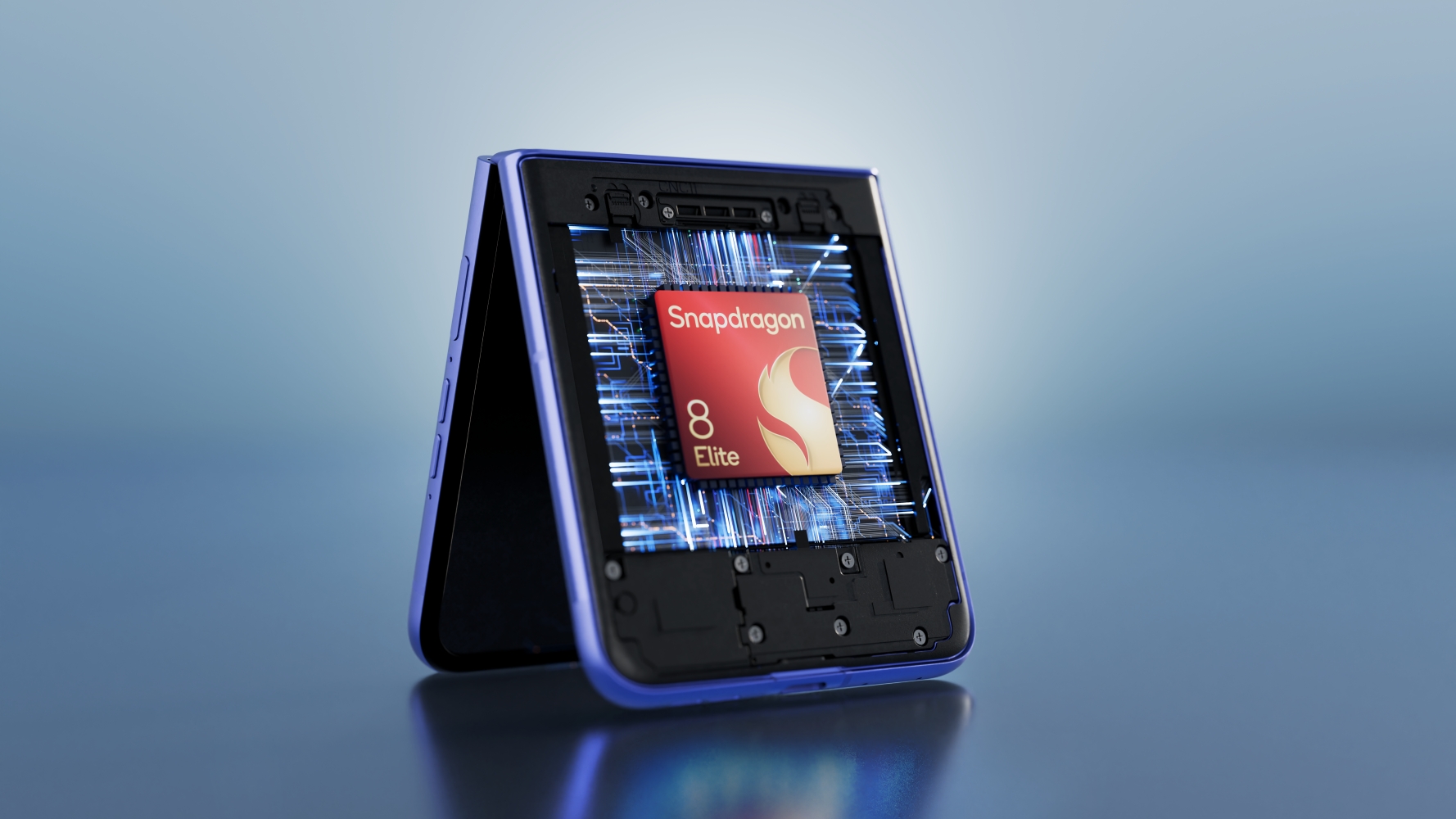
One of the most interesting choices Motorola made with the Razr 2026 series was not to really upgrade the chipsets. Instead of utilizing the newer Snapdragon 8 Elite Gen 5, the Razr Ultra 2026 still uses last year's Snapdragon 8 Elite, which also powered the Razr Ultra 2025.
The company told me that the chip is still perfectly suitable for what it's needed for on the Razr, and consumers should still expect great performance, which I don't doubt. However, I do wonder if the chip will be able to handle some of the more agentic AI features, such as Gemini screen automation and Motorola's own Large Action Model, which was shown off in 2024.
Then there's the Razr Plus 2026, which still uses the Snapdragon 8s Gen 3, the same underpowered sub-flagship chip that was used in last year's model and debuted on the Razr Plus 2024. Not sure what the thinking was there, but it would've been nice if it were upgraded to the proper Snapdragon 8 Gen 3, at least.
The Razr 2026 was the only device that got a chip upgrade, although a pretty minor one. It went from the MediaTek Dimensity 7400X to now using the Dimensity 7450X. It doesn't offer a ton of performance gains, but AI processing should be up to 7% faster, and connectivity has also improved.
All in all, these devices may feel very samey when compared to their predecessors, which in some cases is a bad thing, but when you take their price into consideration (and I'll get to that later), that's when things start to fall apart a little.
No Qi2 charging
This one's not a huge bummer, but it's still unfortunate that Motorola is seemingly holding off on Qi2 charging support while Google has fully embraced it and Samsung has even partially implemented it. That's right, Qi2 Ready isn't even supported on the Razr, so you'll just have to stick with Qi wireless chargers for full speeds, and you'll definitely need a magnetic case to take advantage of any MagSafe accessories.
I asked Motorola why Qi2 wasn't included and was provided this response:
"As with all our devices, we try to create a balance of features to ensure it meets the needs of our consumers. The motorola razr fold, razr ultra, razr+, and razr all deliver over 30 hours of battery life as well as super-fast charging that provides power for the day in just 8-15 minutes and wireless charging for added convenience."
That said, it's not all bad. The Razr Ultra 2026 supports 30W wireless charging, which is faster than Qi2 typically supports, while the Razr 2026 and Razr Plus 2026 support 15W wireless charging.
Still pretty bulky
Flip phones are great for their pocketability, but there's a nasty side to it: folding them in half doubles their size, often making them twice as thick as a regular smartphone. It's not like larger book-style foldables, which can spread their internals out over a larger area and therefore can achieve seemingly impossibly thin bodies. Flip phones are just regular phones that fold in half, so they're gonna be much thicker when closed.
Samsung did great with the Galaxy Z Flip 7, shaving off a full 1.2mm when compared to the Galaxy Z Flip 6. However, at 15.7mm folded, the Razr Ultra 2026 measures a full 2mm thicker than the Galaxy Z Flip 7, and the difference is definitely noticeable. That said, the Razr Ultra 2026 has a battery capacity that's 700mAh larger than the Galaxy Z Flip, so you may find that an acceptable compromise.
Pricey
Finally, the price. There's no secret that the RAM crisis has been causing smartphone OEMs to raise prices across their lineups, and the Razr 2026 series might give you a bit of sticker shock. The Razr Ultra 2026 costs a whopping $200 more than its predecessor at launch, bringing it to $1,499! The Razr and Razr Plus also went up by $100, although fortunately, the base model is still cheaper than many flagships.
Still, $1,499 is not a small amount of money. As much as I loved the Razr Ultra 2025, it was hard to recommend at $1,299, and this is really pushing it. And for just $400 more, you could just spring for the larger Razr Fold.
On the plus side, Motorola phones are known for going on sale quickly and often, so if you want a Razr 2026, you might be better off waiting a little bit, perhaps for Prime Day this year. Otherwise, you could always get a Razr 2025 model or wait for the Galaxy Z Flip 8.