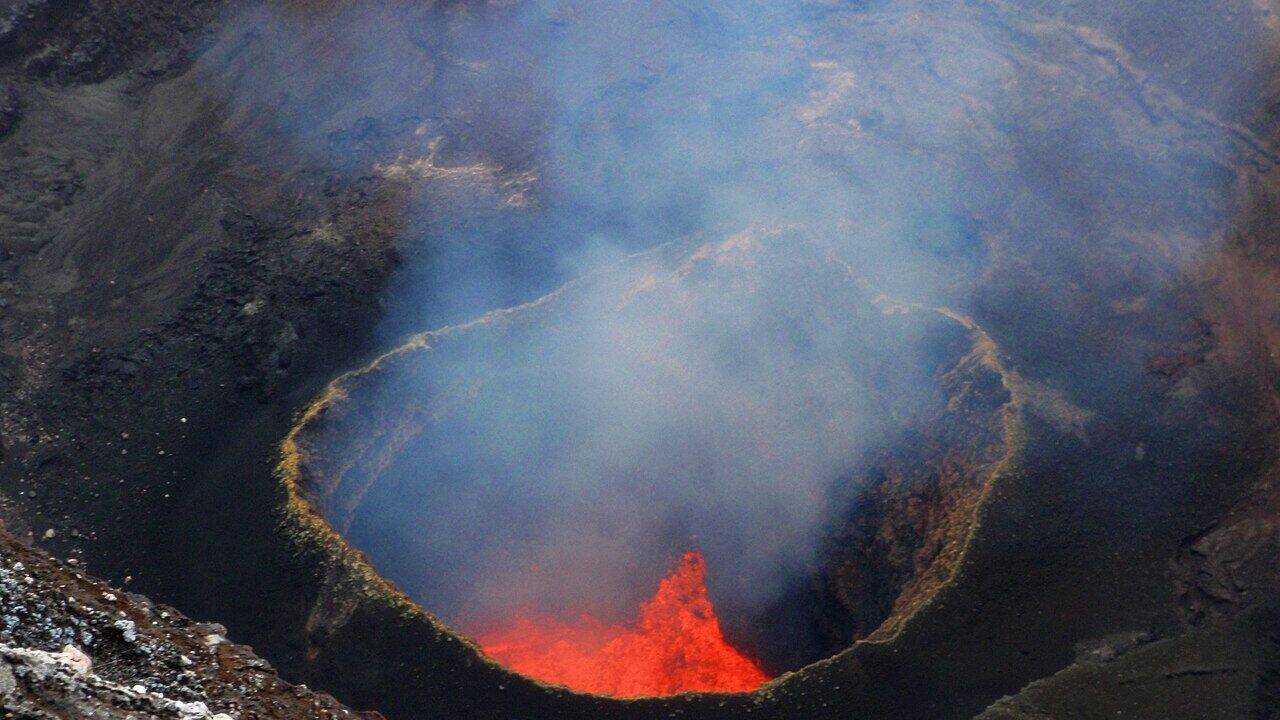
A lava lake is one of the rarest sights in volcanology. Instead of lava spilling away from a vent and cooling across the landscape, molten rock remains pooled inside a crater or volcanic depression, creating a surface that can stay partially or entirely liquid for long periods. These features are uncommon because the conditions required to maintain them are difficult to sustain. Fresh magma must continue reaching the surface, temperatures need to remain extremely high, and the volcanic system has to stay active enough to prevent complete solidification.
Get breaking news anytime, anywhere. Download the TOI app now!
Most lava lakes are associated with basaltic magma, which is relatively fluid compared with many other volcanic materials. Even then, they rarely last forever. Some disappear after eruptions, others drain away, and many eventually cool. Only a small number of volcanoes have hosted persistent lava lakes in recent history, making them valuable natural laboratories for understanding how magma behaves beneath the Earth's surface. Their glowing surfaces also offer scientists a rare opportunity to observe volcanic processes directly, providing insights into gas emissions, heat transfer and the movement of magma that would otherwise remain hidden underground.
According to Discover magazine and WorldAtlas, check the list of lava lakes in the world.
Lava lakes around the world and the volcanoes that keep them alive
1. Ambrym, Vanuatu
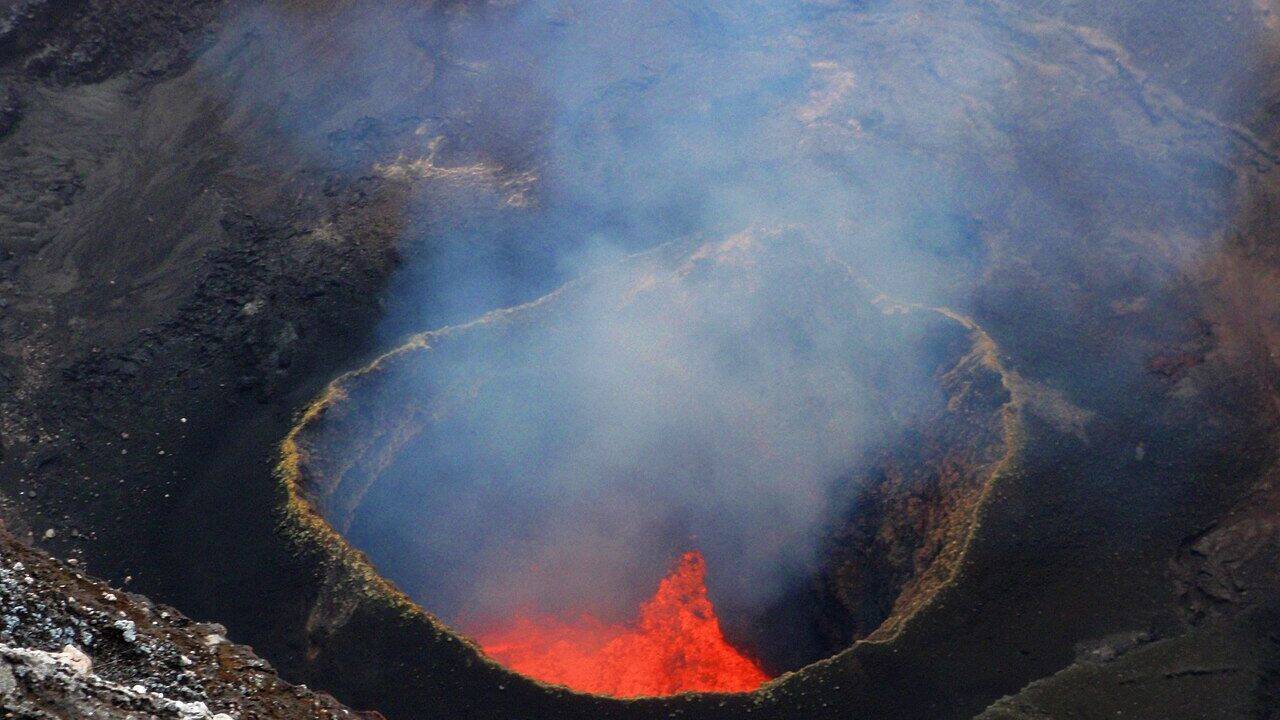
Located in the South Pacific nation of Vanuatu, Ambrym is a volcanic island known for the activity concentrated near its summit. For years, the volcano attracted scientific attention because of the lava lakes occupying two summit craters, creating one of the most recognisable volcanic landscapes in the region.
These lakes existed within a broader volcanic system that continuously supplied molten rock from below. Their presence offered a rare opportunity to observe exposed magma at the surface without the need for a major eruption. The constantly shifting crust, glowing fractures and circulating lava revealed how dynamic such environments can be, even during periods that appeared relatively calm from a distance.
2. Kīlauea’s lava lake, Hawaii
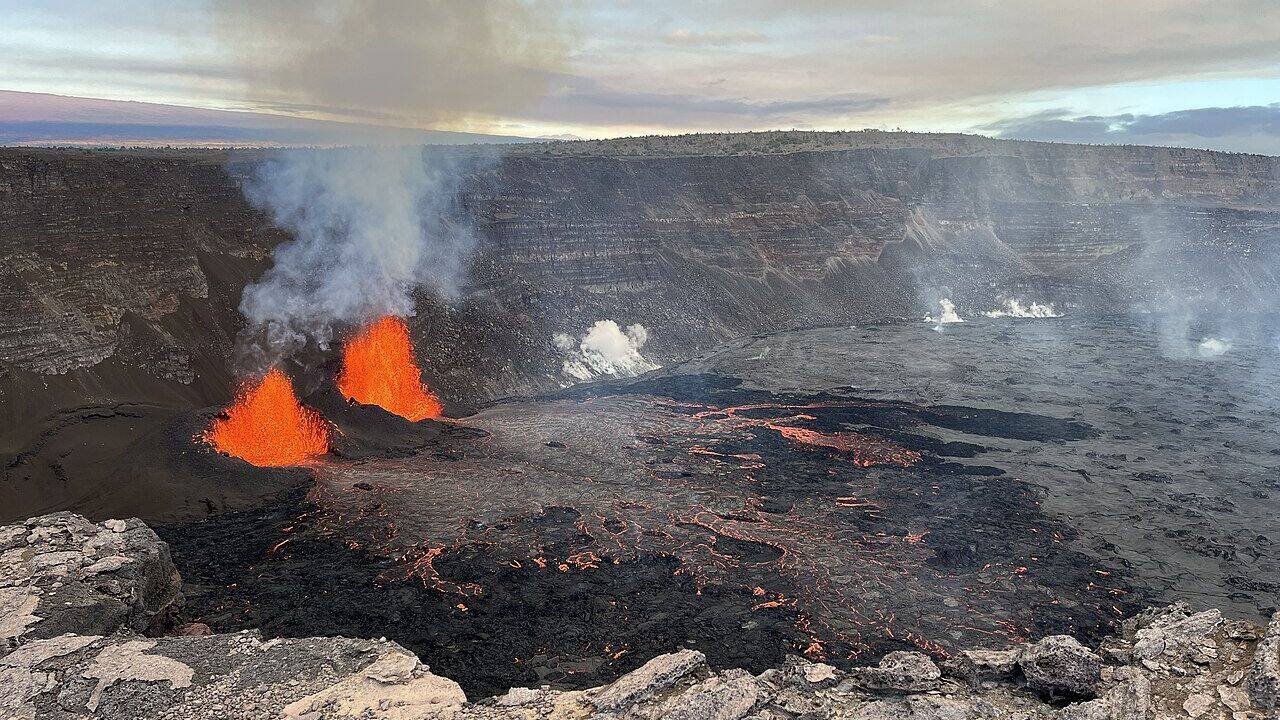
Among the world's best-known volcanoes, Kīlauea on Hawaii's Big Island has repeatedly hosted lava lakes during different phases of its activity. One of the most famous has occupied the Halemaʻumaʻu crater within the volcano's summit caldera, while another has existed in the Puʻu ʻŌʻō area along the volcano's east rift zone.
The lava feeding these lakes is basaltic, a type characterised by relatively low viscosity and high temperatures. Such properties allow molten rock to move freely enough for a lake-like surface to develop. During active periods, the lake surface can appear almost alive, with cooled crustal plates drifting, breaking apart and reforming as fresh magma rises from below.
Kīlauea's lava lakes have become important for researchers because they provide direct evidence of how magma circulates beneath an active volcano. Changes in lake levels often reflect shifts occurring deeper within the volcanic system.
3. Mount Nyiragongo
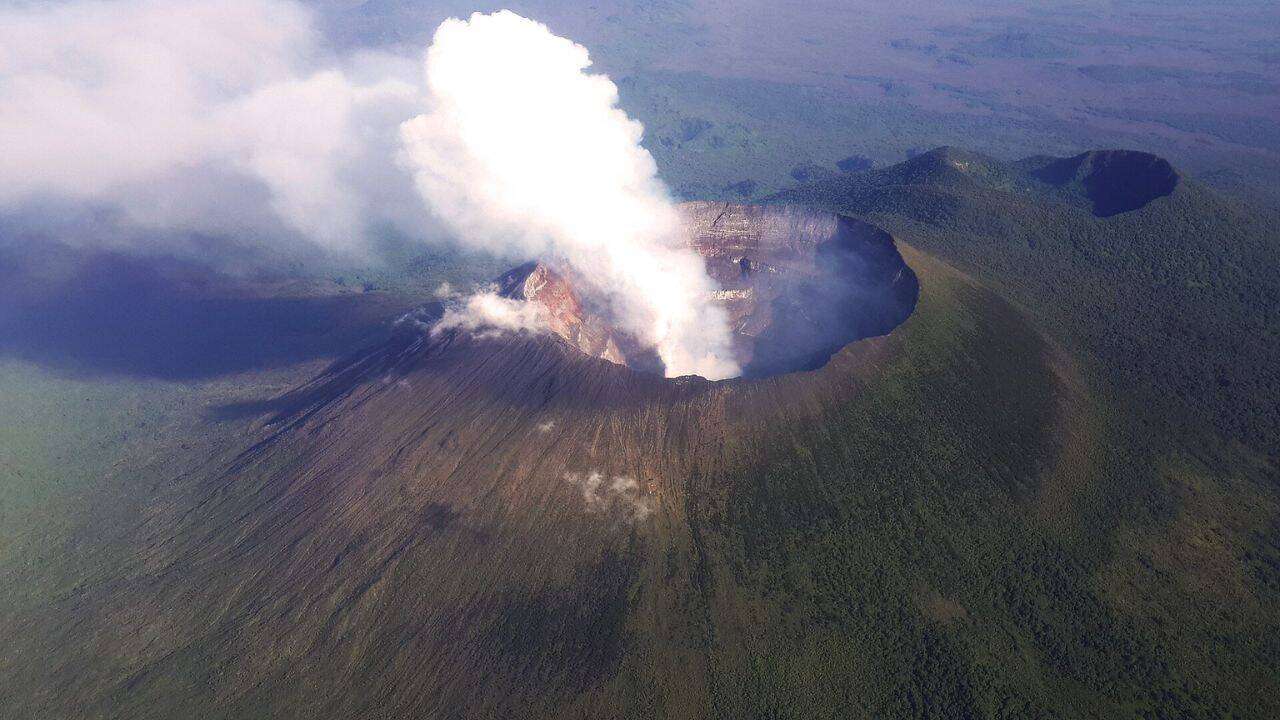
Rising within the Virunga Mountains of eastern Democratic Republic of the Congo, Mount Nyiragongo contains one of the most famous lava lakes ever documented. The volcano's summit crater has repeatedly held an enormous body of molten lava, making it one of the largest active lava lakes observed in modern times.
Nyiragongo is unusual because its lava is exceptionally fluid. This characteristic allows magma to move rapidly through the volcano and contributes to the development of a substantial lake within the crater. Historical observations recorded the lake reaching remarkable dimensions, occupying a significant portion of the summit depression.
The volcano's behaviour has made it a major focus for volcanologists. Variations in the lake's size and depth can occur over time, reflecting changes in magma supply and volcanic activity. Despite these fluctuations, Nyiragongo remains one of the strongest examples of a volcano capable of sustaining a large lava lake for extended periods.
4. Erta Ale, Ethiopia
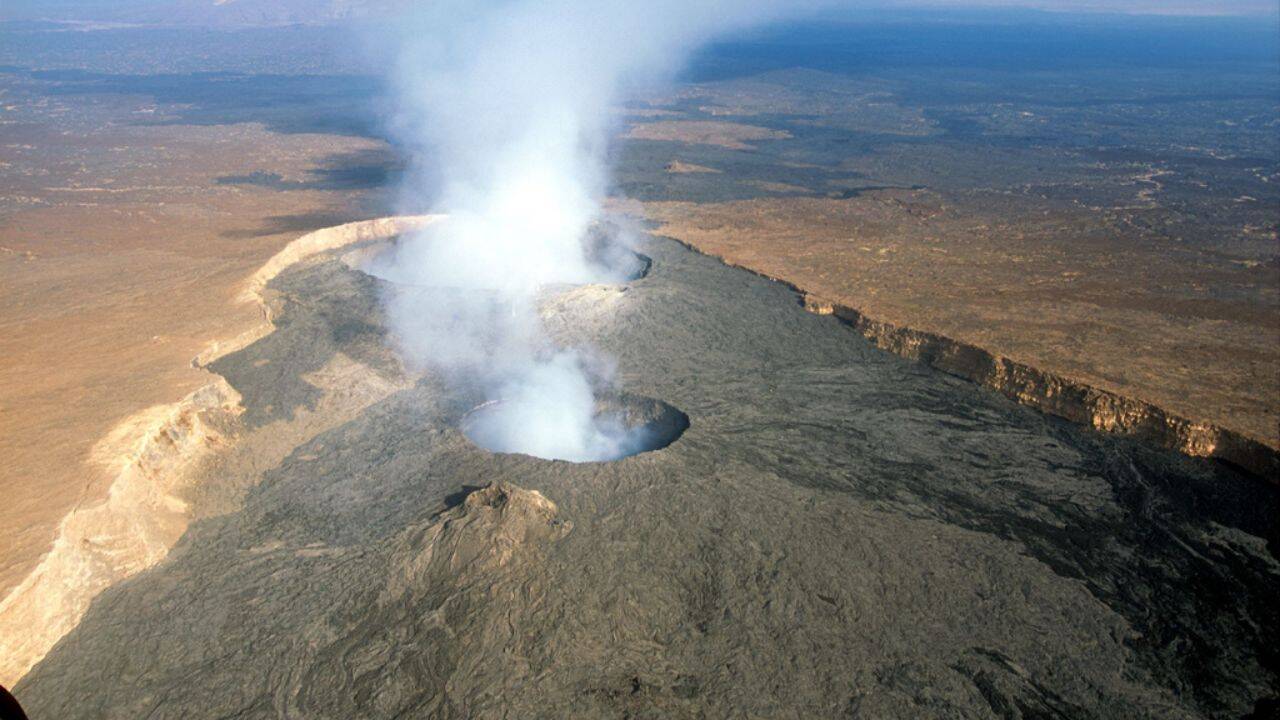
In the remote Afar region of Ethiopia stands Erta Ale, a basaltic shield volcano that has become closely associated with persistent lava lake activity. The volcano's summit has hosted active lava lakes, sometimes maintaining more than one at the same time.
The molten lava within these lakes occasionally rises high enough to spill over onto the volcano's flanks. Such overflow events reshape parts of the summit area and create fresh lava fields around the crater. Even when no overflow occurs, the lake surface remains in constant motion, driven by the circulation of magma beneath the crust.
Erta Ale's isolated setting and long history of activity have made it one of the most studied lava-lake volcanoes on Earth. Its behaviour has helped scientists understand how magma reservoirs remain connected to the surface over long periods without producing large explosive eruptions.
5. Mount Etna
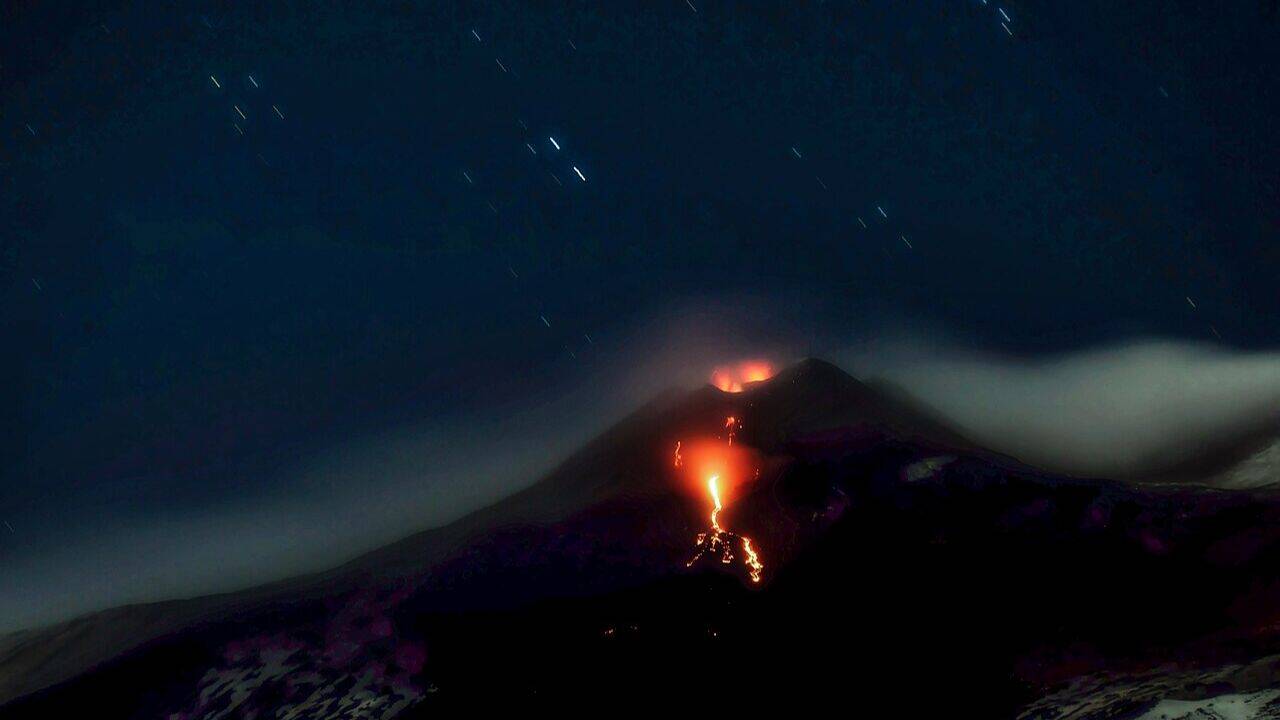
Unlike lava lakes that remain contained within craters, Mount Etna in Sicily is known for producing lava flows that move down its slopes. The volcano erupts basaltic andesite lava, which contains slightly more silica than the basalt lava found at Kīlauea. This makes it somewhat thicker, though still fluid enough to travel across the landscape.
Etna also experiences Strombolian eruptions, where rising gas bubbles trigger bursts of volcanic activity while lava continues flowing from the vent. The result is a combination of explosions, ash emissions and advancing lava streams.
6. La Soufrière
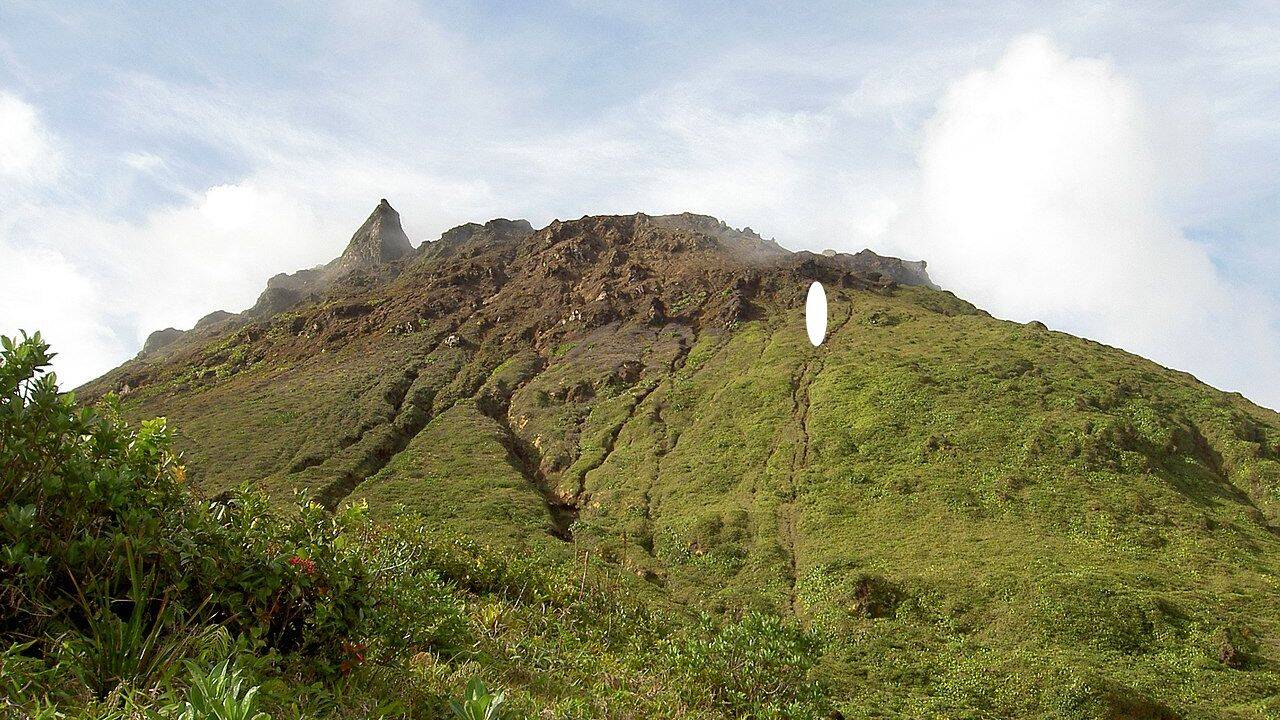
La Soufrière on Saint Vincent represents a very different type of volcanic activity. Instead of forming lakes or long lava flows, its silica-rich andesitic magma is much thicker and moves slowly.
As the magma reaches the surface, it tends to accumulate near the vent, gradually building a steep-sided lava dome. The dome that began forming in late 2020 became hundreds of metres wide and marked the volcano's first eruption since 1979.
Why do some volcanoes form lava lakes
Not every volcano is capable of developing a lava lake. The composition of the magma plays a major role. Basaltic magma contains less silica than many other volcanic materials and therefore flows more easily. This lower viscosity allows molten rock to circulate within a crater rather than immediately solidifying.
Temperature also matters. Hotter magma remains mobile for longer periods, while cooler lava becomes increasingly resistant to movement. The presence of crystals, dissolved gases and changing pressure conditions can alter how the lava behaves once it reaches the surface.
A lava lake therefore represents a delicate balance. Fresh magma must continue arriving from below while enough heat is retained to keep much of the molten material from hardening completely.