
Winter comes for your heat, and it comes for your wallet. One chilly night, you might notice your heater working overtime while your energy bill climbs like it’s training for a marathon. Most homeowners believe cranking the thermostat solves the cold, but it usually just swells bills.
Heating your home efficiently isn’t about blasting hot air; it’s about strategy, smart habits, and understanding the quirks of your system. Here are six home heating mistakes that silently drain your budget, and what to do instead to keep your house cozy without the sticker shock.
1. Turning the Thermostat Up Doesn’t Heat Your Home Faster
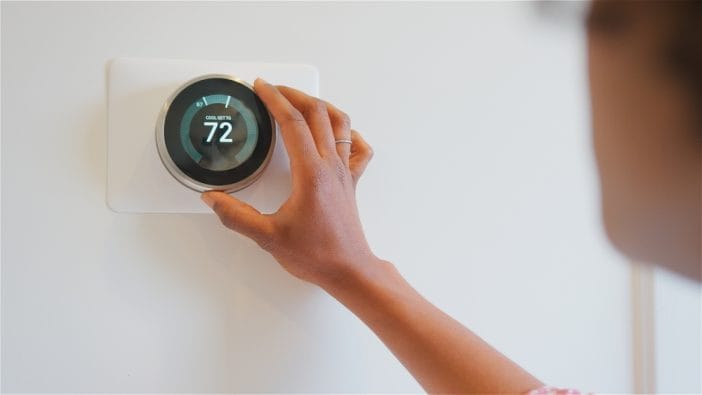
It feels intuitive: your house is cold, so you jack the thermostat to maximum, expecting instant warmth. Unfortunately, heaters don’t operate like microwaves. Setting a furnace to a higher temperature won’t make the house heat any faster, it only runs longer and consumes more energy.
Instead of maxing out the dial, consider incremental adjustments or using a programmable thermostat to manage temperatures intelligently. Gradual heating keeps the house comfortable while preventing energy waste, proving that patience really does pay—literally.
2. Neglecting Regular Maintenance Is a Costly Oversight
Many homeowners treat furnaces and heat pumps like appliances that run on wishful thinking. Skipping annual maintenance seems harmless, but clogged filters, dirty coils, and worn belts reduce efficiency drastically. A neglected furnace works harder to reach the same temperature, guzzling more energy and shortening its lifespan.
Cleaning or replacing filters every one to three months, scheduling professional tune-ups, and checking ducts for leaks ensures that your system operates at peak performance. A well-maintained furnace not only lowers bills but prevents the kind of breakdowns that show up as emergency repair costs in the hundreds of dollars.
3. Ignoring Air Leaks Keeps Warm Air Out
Even the most advanced furnace won’t matter if heated air escapes before it reaches you. Drafts around windows, doors, and poorly insulated walls silently siphon off warmth, forcing your system to run longer. Weatherstripping, caulking, and sealing gaps are cheap, one-time fixes that can reduce energy loss.
Many older homes have attic and basement leaks that often go unnoticed, yet these areas can be major contributors to heat loss. Simple inspections can reveal where warm air sneaks out, and sealing them can transform your energy efficiency dramatically without touching the thermostat.
4. Blocking Vents and Radiators Hurts More Than You Think
Furniture, curtains, or rugs placed in front of vents and radiators block the flow of heat, making the system work harder. Heat struggles to circulate, creating uneven temperatures and cold spots, which tempts people to turn the thermostat higher to compensate. This is a direct invitation to higher bills because the system compensates for a blocked airflow rather than efficiently warming the space.
Ensure vents and radiators are unobstructed and, when possible, use fans to help circulate air. A free flow of heat saves money and delivers consistent warmth across rooms, proving that a little rearrangement can have a surprisingly big payoff.
5. Overlooking Thermostat Scheduling Costs You Daily
Many homeowners leave the thermostat at one temperature all day, assuming constant heat prevents chill and discomfort. The truth is, keeping the house warmer than necessary wastes energy during hours when it isn’t needed.
Programming your thermostat—or simply adjusting it manually—can cut costs without sacrificing comfort. For example, lowering the temperature by 7–10 degrees for eight hours while sleeping or away can reduce heating bills by a lot annually. Smart thermostats can even learn your patterns, automatically adjusting temperatures so your home feels cozy when you’re there and efficient when you’re not.
6. Dismissing Insulation Is a Silent Bill-Booster
Insulation may seem invisible, but its effect on your heating costs is massive. Walls, attics, and floors without adequate insulation let heat escape like water through a sieve. Even small upgrades, such as adding attic insulation or sealing gaps around pipes and wiring, pay dividends throughout winter. Insulation works in tandem with your heating system, ensuring the warmth produced actually stays inside.
Homes with poor insulation require more frequent furnace operation, driving energy use—and bills—up. Addressing this fundamental issue transforms efficiency more than almost any other measure, often with lasting benefits for decades.
Heating Smarter Is the Real Secret
High energy bills rarely come from one single mistake; they’re the sum of little missteps that repeat day after day. Cranking the thermostat, ignoring maintenance, leaving drafts open, blocking vents, skipping thermostat scheduling, and neglecting insulation all compound into unnecessarily high costs. Correcting each one doesn’t just save money—it changes how heating feels.
Warmth becomes steady, predictable, and controlled, rather than erratic and expensive. The key is awareness: every adjustment you make, every draft you seal, every filter you replace adds up. The smartest heating strategy isn’t about spending more—it’s about spending wisely.
Which of these six heating mistakes surprises you the most, and how will you tackle it in your home this season? Tell us about it in the comments section below.
You May Also Like…
8 Ways to Lower Your Heating Bill Without Touching the Thermostat
8 DIY Solar Installs That Violated Utility Codes
6 Signs Your Water Heater Is Struggling with Hard Water Buildup
The Cozy Winter Upgrade Homeowners Love
The Roofing Choices That Can Boost Your Home’s Value
The post 6 Home Heating Mistakes That Drive Bills Higher Than Necessary appeared first on Clever Dude Personal Finance & Money.