Imagine waking up, checking your bank account, and wondering why that familiar support check doesn’t stretch as far as it used to. If you’re someone who relies on government benefits—whether Social Security retirement income, food support, disability payments, or healthcare subsidies—some big changes are coming that could quietly nibble away at your monthly support.
This news isn’t meant to scare you, it’s meant to help prepare you. Keep reading for important information you’ll want to know, with a dash of clarity and yes, a little storytelling flare.
1. Social Security’s Cost-of-Living Adjustment Isn’t Enough After Medicare Premiums Bite Back
Each year, the Social Security Administration adjusts benefits to keep up with inflation, and in 2026 that adjustment—the so-called cost-of-living adjustment (COLA)—comes in at 2.8%. On paper, that sounds like a win, bumping the average monthly check up by roughly $56. But Medicare Part B premiums are rising sharply in 2026, around 10% to roughly $202.90 per month, and that increase is automatically deducted from Social Security checks for most beneficiaries.
So instead of feeling richer with that COLA bump, many folks end up with a net increase far smaller than expected—or in some cases, almost no extra spending money at all once healthcare costs are taken out. This is one of those changes where the numbers look good until you read the fine print and realize your actual take-home support is being squeezed.
2. SNAP Work Requirements Expand, Cutting Off Support for Many
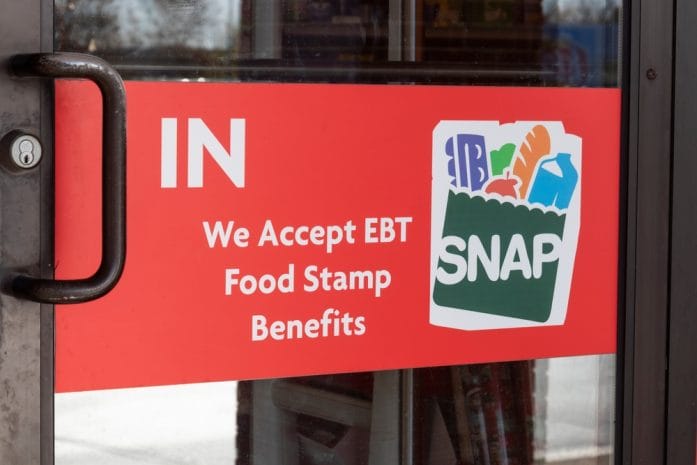
Food assistance via the Supplemental Nutrition Assistance Program (SNAP) is a lifeline for millions of households. But in 2026, expanded work requirements are rolling out in more states, meaning that able-bodied adults without dependents must work, volunteer, or train for at least 80 hours per month to keep their benefits.
What does this mean in real life? If you live in a state that implements these rules and don’t meet the work or training requirements, your monthly SNAP support could dry up—even if you struggle with transportation, caregiving, health issues, or local job availability.
3. Earnings Limits That Can Reduce Social Security Checks Are Increasing—but Still Bite
If you’re claiming Social Security early and continue to work, the government uses an earnings test that can withhold part of your monthly benefit if your income exceeds certain limits. In 2026, these limits rise but the basic rule stays the same: earn too much and part of your check gets clipped.
That sounds straightforward but remember this isn’t a temporary freeze. Benefits withheld under the earnings test might be added back later, but short-term reductions in monthly support can still bite your everyday budget, especially if you count on that monthly check for current living costs.
4. Medicare Part B Premium Hikes Eat Into Your Disposable Dollars
Yes, we mentioned Medicare Part B earlier in relation to the COLA—because it’s hard to overstate how big a deal this is. In 2026, Part B premiums jump to their highest level yet, and for many people, that means a bigger automatic deduction from your monthly Social Security benefit.
For individuals with higher incomes, this surcharge can be even steeper thanks to the Income-Related Monthly Adjustment Amount (IRMAA), meaning the more you make, the more you could lose in support each month. It’s one thing to get a bigger sticker price on your Medicare card—another to see it reflected in less cash in your pocket.

5. Higher Income Could Mean Less Benefit Through Medicare Surcharges
Speaking of income: depending on what you earn, your Medicare premium could spike even more due to income-related adjustments, which then further reduces your monthly support. This isn’t a flat fee; it’s tied to your reported income from previous years, so smart tax planning and budgeting in advance could make a difference in what you net each month.
This kind of change doesn’t always get front-page attention, but it’s very real for the folks who suddenly find their benefit checks trimmed because their income nudged them into a higher premium bracket.
6. SSI and Related Monthly Support Face Stricter Income/Asset Rules
Supplemental Security Income (SSI) and similar need-based monthly supports already have strict income and asset limits. While COLA changes technically increase payments for SSI recipients, deductions like rising healthcare premiums or asset reclassification rules can offset any nominal increase, effectively reducing the support that shows up in your checking account.
Those on SSI still benefit from a COLA adjustment, but many people on tight budgets find that higher living costs fight right back against any nominal benefit increase, leaving them feeling like they have less breathing room each month.
What to Watch (and What You Can Do)
If you or someone you love relies on monthly support, 2026 is a year to be proactive. Review eligibility rules early, track your earnings if you work while collecting benefits, and pay attention to healthcare premium notices in the fall.
The good news? Knowledge is power: understanding how these changes interact—especially the pesky policy details—can help you preserve your support as much as possible.
Now we want to hear from you: Which of these 2026 benefit changes will affect your monthly support the most—and what are you doing to prepare? Share your experience or strategy in the comments section.
You May Also Like…
Charity Strategy: 9 Giving Moves That Bring Tax Benefits Many People Ignore
Is Your Social Security Spousal Benefit Getting Slashed Without You Realizing?
The Medicare Part B Increase That’s Reducing Social Security Checks By About $185/Month in 2026
The COLA Theft: Why Half of Your Social Security Raise Just Vanished into Medicare This Morning
8 Disqualifications That Keep Veterans From Getting the Benefits They Earned
The post 6 Benefit Changes Taking Effect in 2026 That Reduce Monthly Support appeared first on The Free Financial Advisor.