

I've been playing golf for over 20 years so have made more mistakes than I care to remember.
I'm a 6-handicapper so still make plenty of basic and frustrating errors each and every time I play, and even the great Walter Hagen once said he expected to make "at least seven mistakes a round," so they are sadly unavoidable...although some can be minimized.
I do not have the best of short games, so it's difficult for me to give any real advice in that department, but having held a single-figure handicap for many years now and played golf almost every week, these are six of the most common mistakes I see myself and my playing partners regularly making in the long game and strategy departments...
Let me know in the comments section if you see these mistakes regularly made and tell me which ones I've missed.
Too much club

While we're likely all guilty of overestimating how far we hit the ball and not taking enough club into greens, I actually see the opposite quite often when not hitting into the green.
Selecting the wrong club is a basic error which even the world's best golfers do from time-to-time, and that's even with professional caddies helping them so it's never one we'll be able to get right every single time.
But there are some basic errors I often see with club choice, particularly in regards to higher handicappers merely trying to advance the ball as far down the hole as possible on tee shots or lay-ups without really considering bunkers, penalty areas or how far they'd like their approach shot to be from.
If you're laying up short of a bunker, the number one rule is to avoid the bunker so make sure you don't hit a club that will reach it.
If it's a short par 4 and there's a bunker at 250, make sure you're not hitting a club that will reach it otherwise you're potentially making a silly bogey or worse. If you're poor from 60-80 yards, lay it back a bit to leave yourself a full wedge or 9-iron in.
It's very simple, yet a mistake I still see made fairly regularly.
Attacking pins
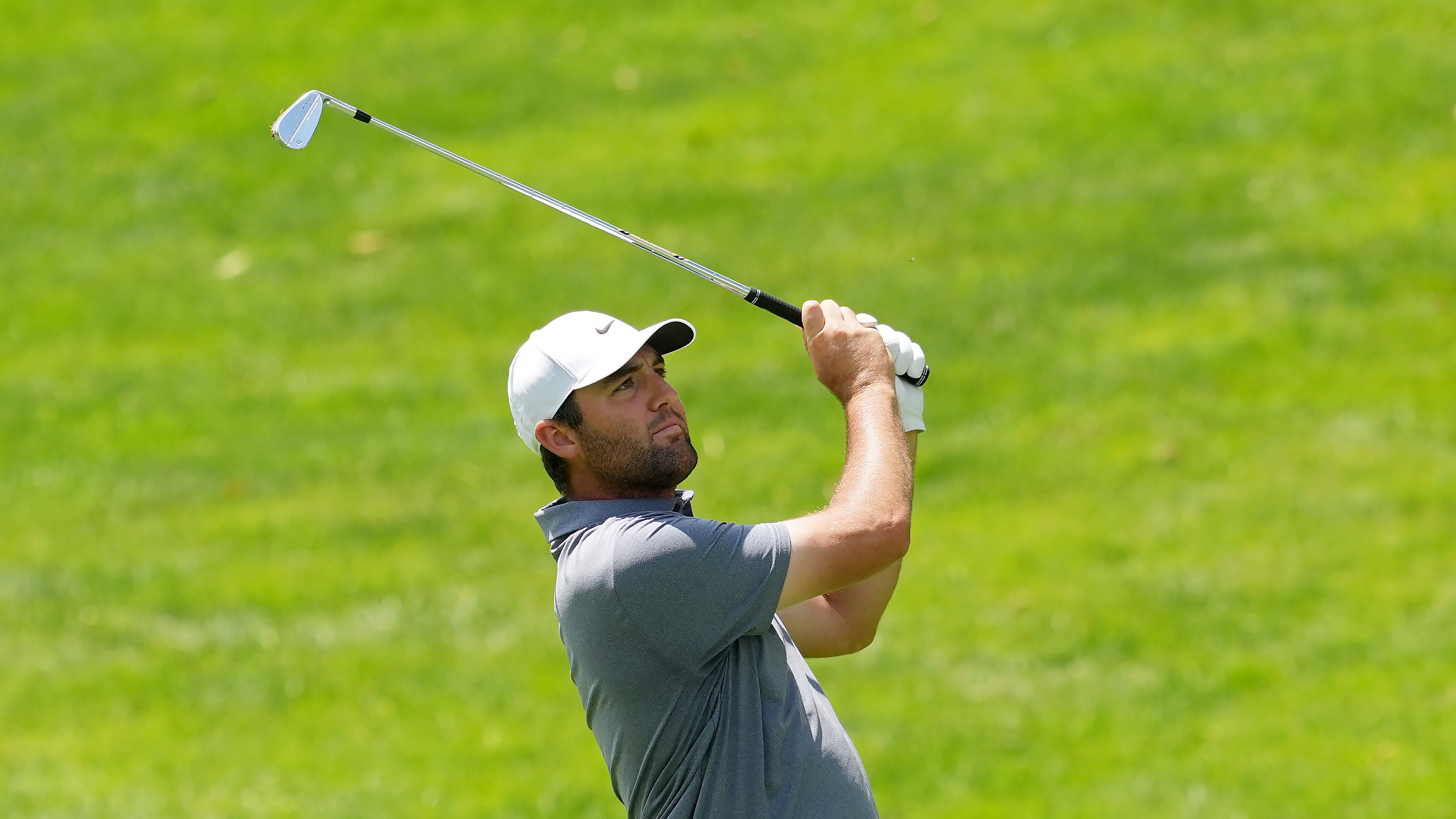
The world's best golfers rarely attack pins, so why should we?
With a handicap index of 6, I try to stick to the rule of only ever playing for the middle of the green from 80 yards and further.
Golfers do not hit the green every single time from 100 yards (not even pros), so playing for the middle is always the best tactic.
While this relates to if the pin is on the right or left of the green, it also relates to whether it's at the front or back.
I am occasionally guilty of taking one extra club and going long of the green if the pin is at the back, and it's usually a terrible mistake as you leave yourself short-sided and tend to end up walking away with bogey.
If the pin is at the back of the green, try to still play to the middle so you can leave yourself a 20-30 footer for a two-putt.
Similarly, if the pin is at the front, play to the middle of the green as opposed to going down a club and risking falling short of the green and needing to get up-and-down to save par.
Hitting too many drivers

I found my driver was costing me around one lost ball or penalty stroke per round and adding a mini driver to my bag has helped a lot with getting the ball in play more often.
Finding the fairway or semi-rough from the tee at a decent length is far better than being 20 yards further up but in a bunker, blocked out or completely out of play, so try to mix up the club you hit off the tee to give yourself the most likely chance of giving yourself a shot to the green.
If you're a long hitter and don't play on a 7,000 yard course, hitting 3-irons and 3-woods off the tee will likely keep you out of bunkers and in play more often versus taking out the big stick on every single par 4 and par 5.
Playing with what you've got
If you're five holes into your round and have missed every fairway to the right with a slice, it probably isn't worth fighting.
Peg it up on the right-side of the tee box, aim further left to open up the hole and allow for your fade to help you get the ball in play.
You've got to play with what you've got on that given day as your swing and shot shape will never be the exact same in every single round.
Similarly, if you're not striking your irons well then take one extra club and hit it a bit softer to try and help you achieve the distance you're looking for.
Angles
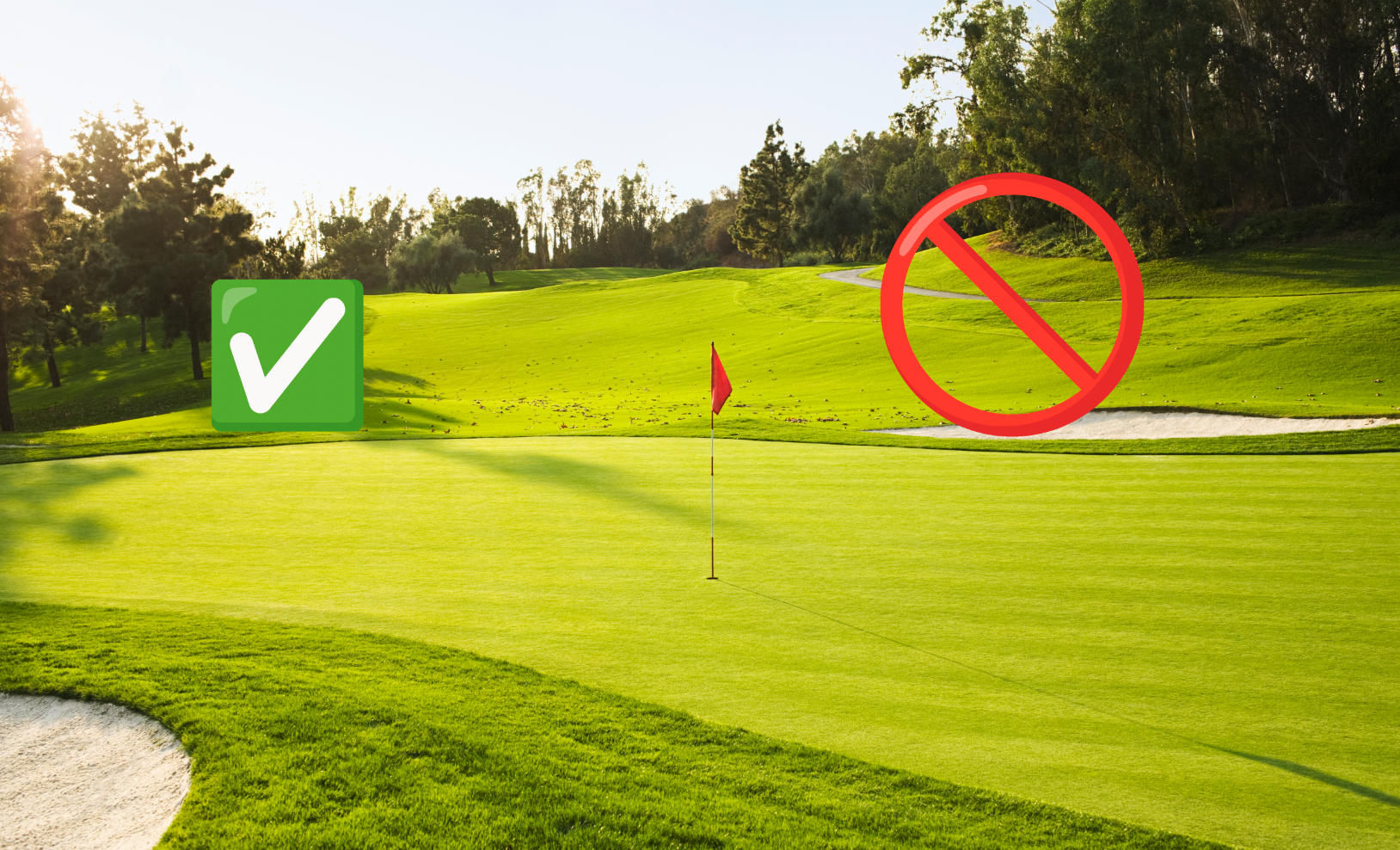
As a single-figure player, I am often trying to give myself the best angles into holes to give myself as many birdie chances or par saves as possible, but it's something I notice higher handicappers don't do as often.
I particularly see this on shots from 200+ yards where finding the green isn't realistic and the goal is simply to set up a pitch or chip shot.
If the pin is tucked on the right-side of the green behind a bunker, the left-side of the hole is where you want to playing your next shot from.
I often see my playing partners hit what they think are lovely shots towards the green without even thinking about their next, which then leaves them needing to lob one over a bunker to get anywhere near the flag.
Had they taken the pin placement into account and played it up the left-side, they would have had a simple chip-and-run shot with lots of green to work with.
Giving up
Golf is all about patience, and this is an area where many really seem to struggle.
If they get off to a bad start, their shoulders slump and they stop trying or caring... six holes later they go par-par-birdie, but it is far too late.
Patience is one of the things separating the top players from just good ones, as it is very easy to think ahead or get distracted early on in a round or tournament.
You might have struggled on the first few holes, but try to stay focused on every single shot and you never know, you might chip in somewhere or go on a good run to claw it back.
My only hole-in-one came on the 14th during a round where I had completely given up and lost my head after a bad start. Had I been a bit more patient early on and kept trying my hardest around the turn, my ace might have helped me to a good score.