Introverts are awesome, as this one Instagram handle proclaims. But they often get a bad rap. According to a 2023 YouGov survey, 70% of Americans believe that introverts have fewer advantages in social scenarios and at work compared to extroverts.
But the owner and fans of the "Introverts Are Awesome" page would like to disagree. Yes, we introverts might prefer to sit at home knitting while extroverts enjoy the party at that new place that just opened last week. But that doesn't mean we're not funny; sometimes totally inadvertently with our awkwardness, but funny nonetheless.
More info: Instagram
#1
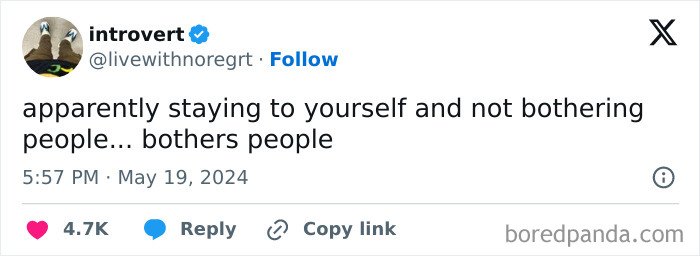
Image credits: livewithnoregrt
#2
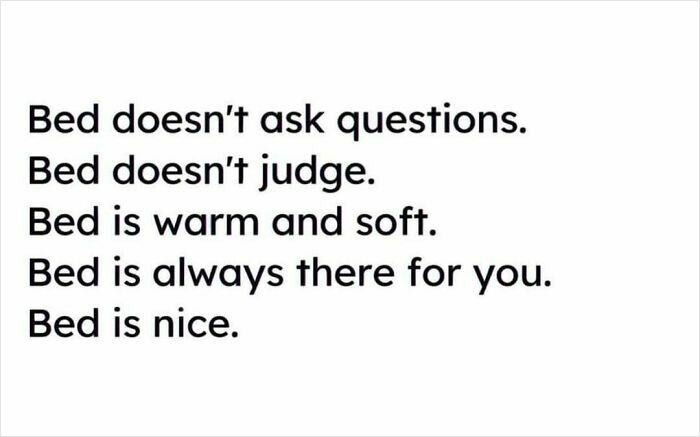
Image credits: introverts.are.awesome
#3
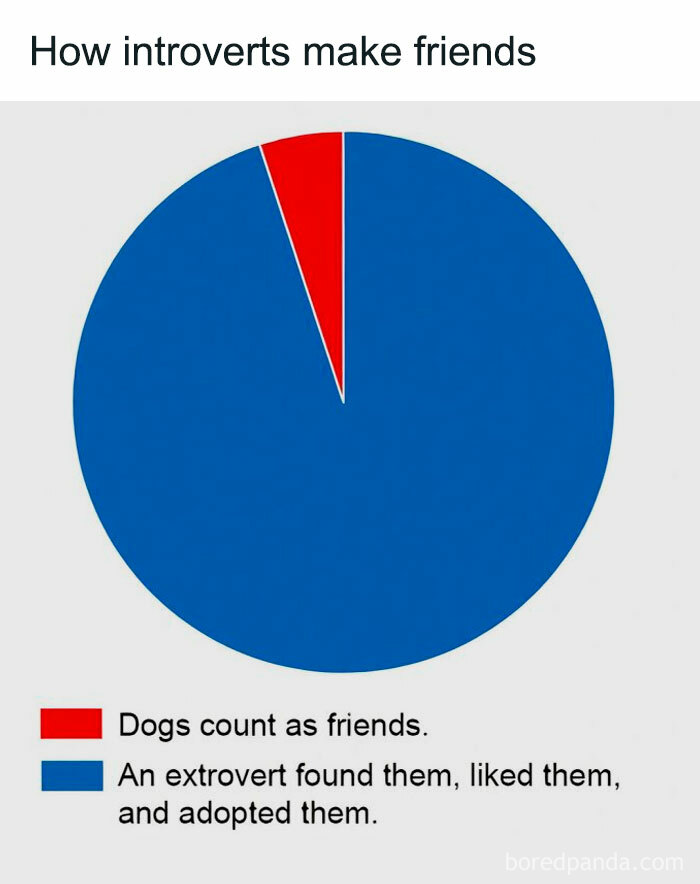
Image credits: introverts.are.awesome
Breaking news, extroverts – we introverts are happy even if we don't look it! And it's not just my introvert bias talking. While it's true that, on average, extroverts are happier than introverts, it's hard to really measure happiness. In a 2015 study, researchers found that extroverts had higher scores of happiness, quality of social interactions, and the ability to regulate their emotions.
Researchers emphasize that the difference between introverts' scores is not significant, yet still persists. Some experts say that such research is inaccurate. Happiness-measuring metrics, for example, tend to be biased toward extroverts.
Sean Seepersad, Ph.D., points out that introverts realize themselves better socially in cultures that aren't so individualistic. Introverts also want and need deeper connections; they have few friends, but they form stronger bonds. And for some, that's enough to create happiness.
#4

Image credits: introverts.are.awesome
#5
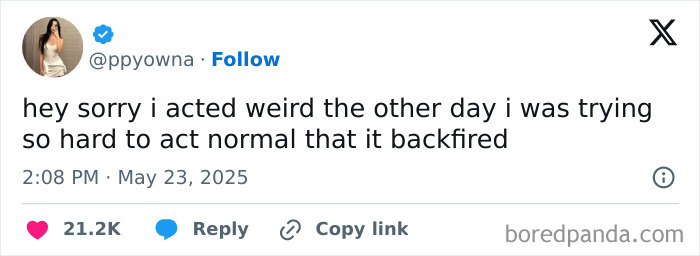
Image credits: ppyowna
#6
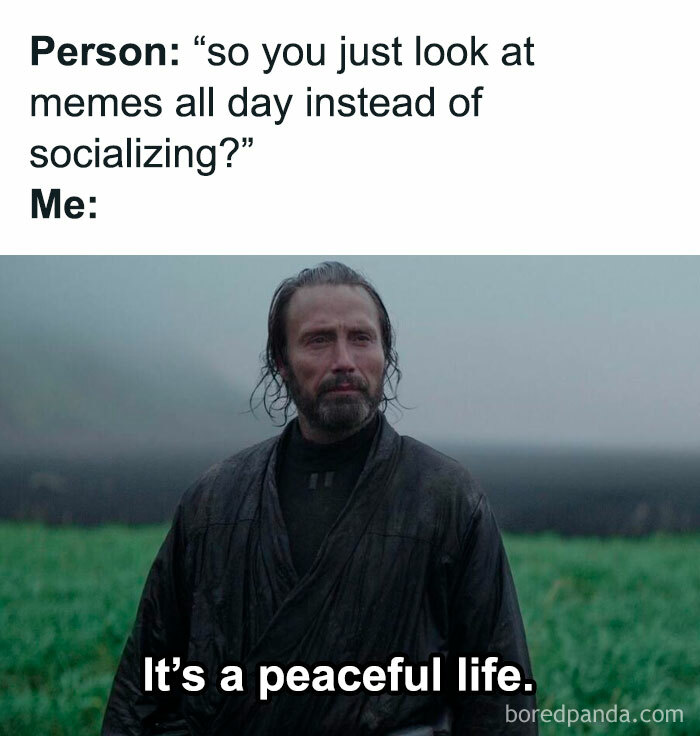
Image credits: introverts.are.awesome
However, there have been more studies about how extroverts are happier and healthier than introverts. And, as an introvert, I feel personally attacked. A 2024 study found that extroverts experience a greater number of and more intense "uplifts." Uplifts are basically moments of happiness, the opposite of "hassles."
"Introversion was associated with reporting less frequent and less enjoyable uplifts, but not with overall hassle frequency or unpleasantness," the researchers write. They did take into account that an uplift for an extrovert might be socializing with friends. While for an introvert, an uplift is reading a book with a cup of coffee in hand. Still, extroverts seemed to get more benefits from uplifts than introverts.
#7
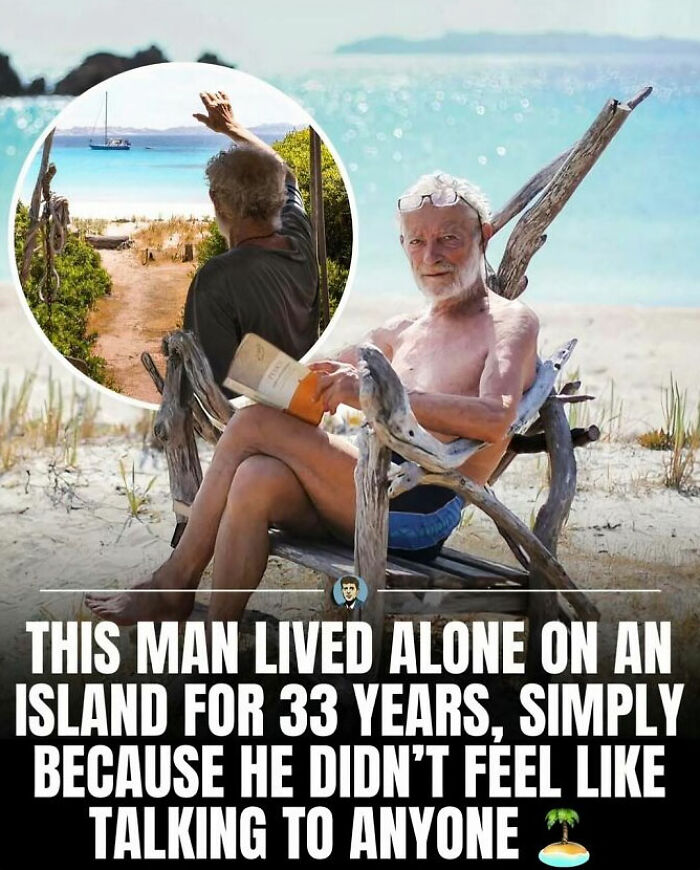
Image credits: introverts.are.awesome
#8
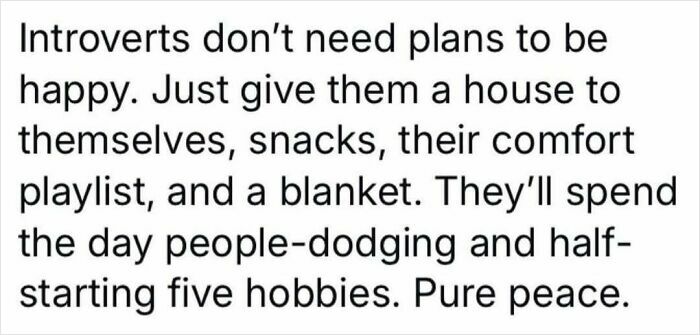
Image credits: introverts.are.awesome
#9
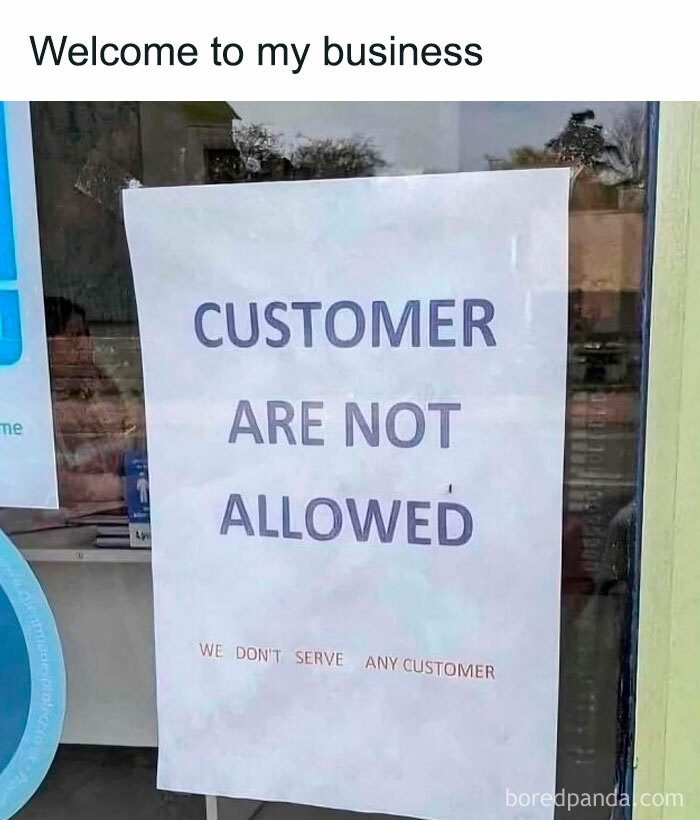
Image credits: introverts.are.awesome
Some psychology researchers suggest that acting extroverted can help introverts feel happier. In 2020, two researchers from the University of California, Riverside, had both introverted and extroverted individuals participate in extroverted activities. They found that when introverts acted more "talkative, assertive, and spontaneous," they reported better well-being. Essentially, when "pretending" to be extroverts, introverts felt more social connectedness and more positive emotions.
#10

Image credits: introverts.are.awesome
#11
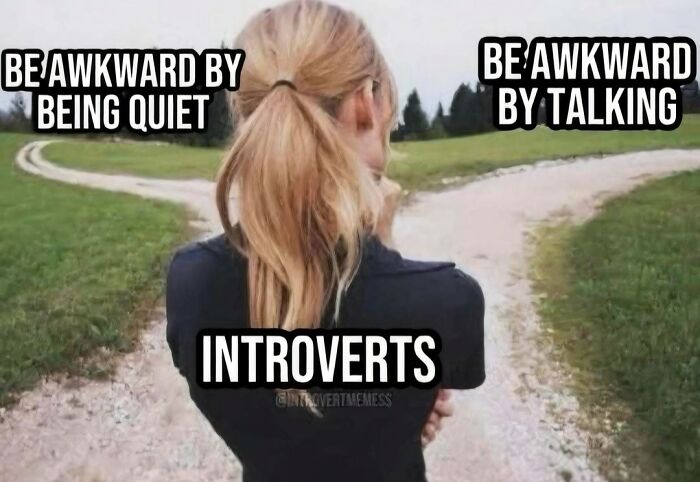
Image credits: introverts.are.awesome
#12
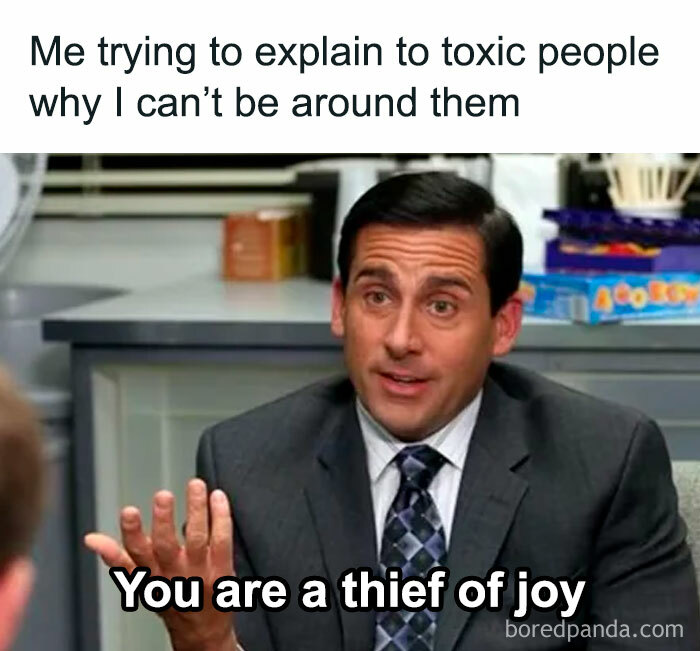
Image credits: introverts.are.awesome
Interestingly, a similar previous study found the opposite. In 2019, researchers from the University of Melbourne conducted a very similar, but longer, study. While the introverts in their research reported being happier at first, too, they reported increased negative effect and tiredness as time went on. One of the co-authors of the 2019 study, Luke D. Smillie, suggests that the outcomes differ because they sent daily reminders to their participants. The authors of the 2020 study, on the other hand, only sent three weekly e-mails to theirs.
#13

Image credits: introverts.are.awesome
#14
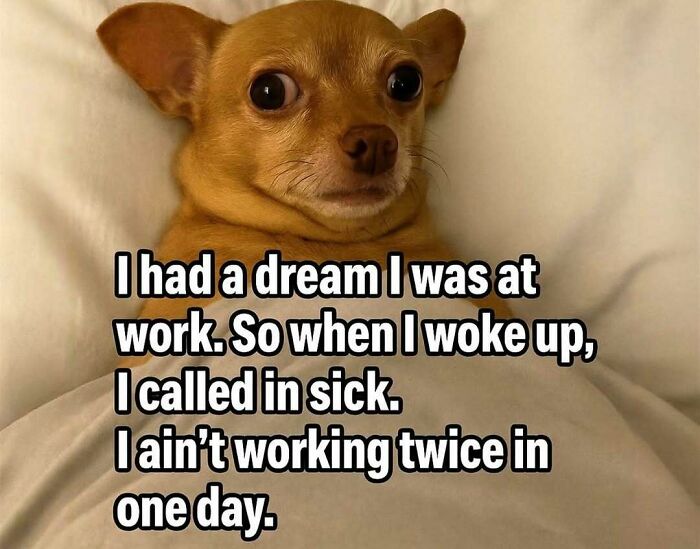
Image credits: introverts.are.awesome
#15
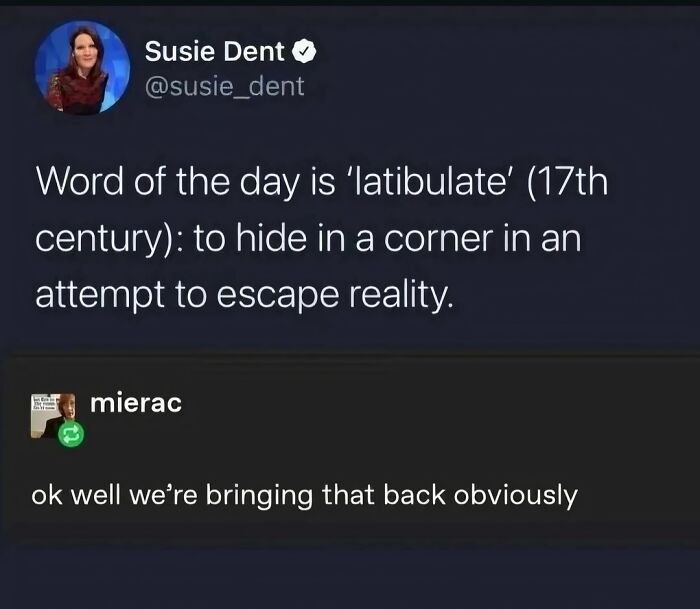
Image credits: introverts.are.awesome
The co-author of the 2020 study, Sonja Lyubomirsky, told Scientific American that she sees the potential shortcomings of the research. "It could be that if we did it for a month or longer, the introverts would have been depleted or fatigued," she admitted. She also notes that her research might indicate something different: perhaps introverts benefit from just a few minutes of extroverted behavior a day.
#16
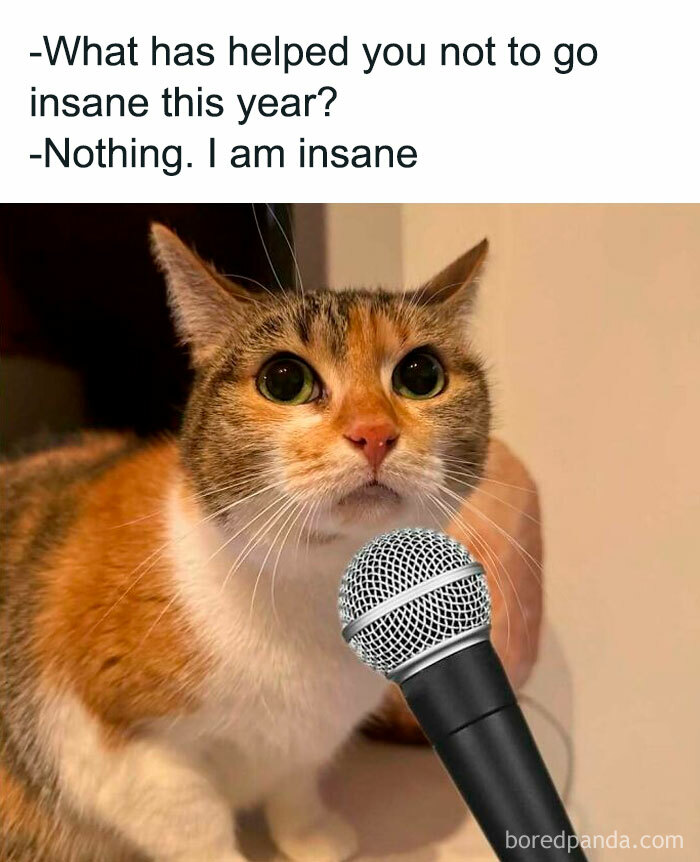
Image credits: introverts.are.awesome
#17
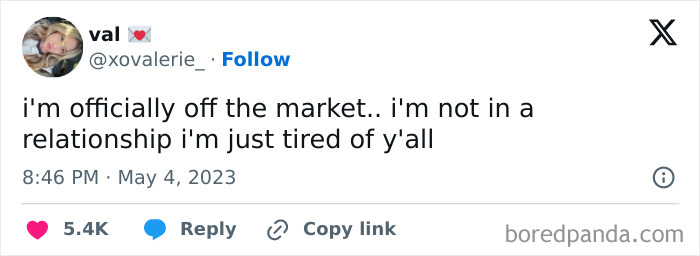
Image credits: xovalerie_
#18
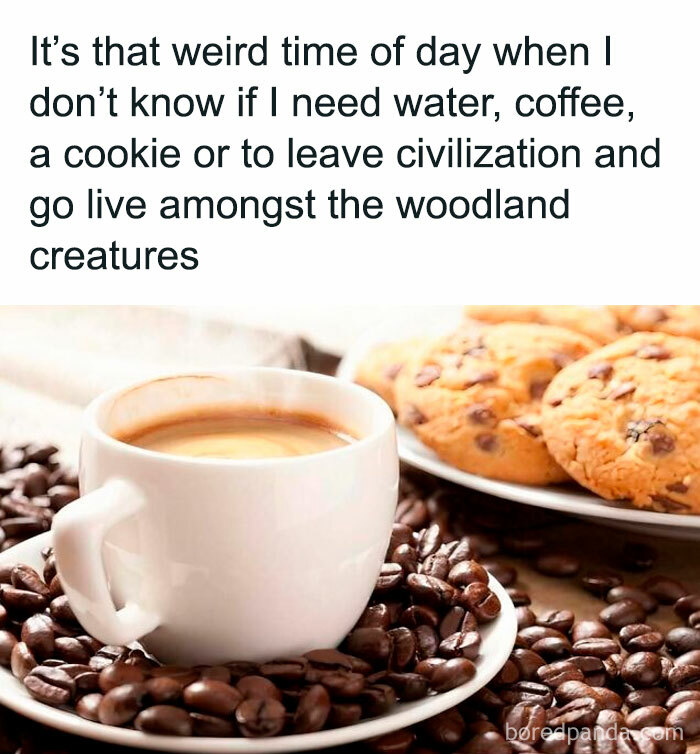
Image credits: introverts.are.awesome
It's unfortunate, but introverts are often made to feel less than extroverts. Some studies suggest that extroverts feel happier because they live in societies that reward their behavior. Introverts internalize that and feel ashamed, wishing they could be more extroverted. Yet that's a common pitfall: other research indicates that the more at peace introverts are with themselves, the happier they are. If introverts could just accept themselves as they are and ignore societal pressures, they could be more content.
#19
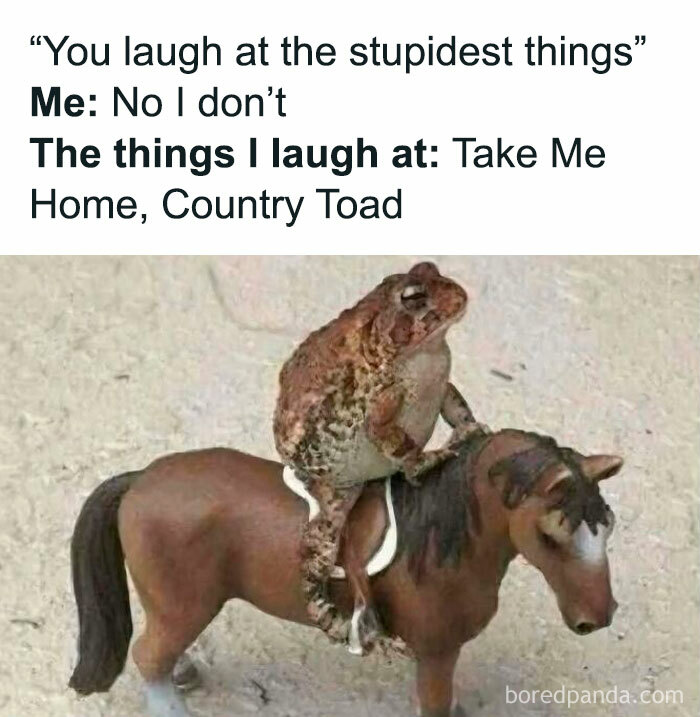
Image credits: introverts.are.awesome
#20

Image credits: introverts.are.awesome
#21
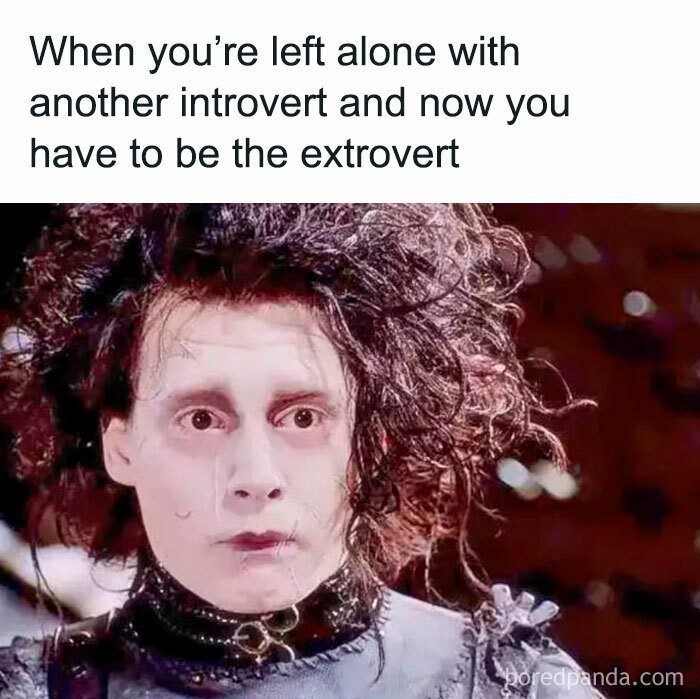
Image credits: introverts.are.awesome
So what things actually drive introverts? For her book The Secret Lives of Introverts, Jenn Granneman consulted with psychology professor Colin DeYoung. He pointed out that introverts seek different rewards than extroverts. The driving force behind an extrovert's behavior is money, social status, promotions, food, social connections, and physical intimacy. For an introvert, all that may sound exhausting.
#22
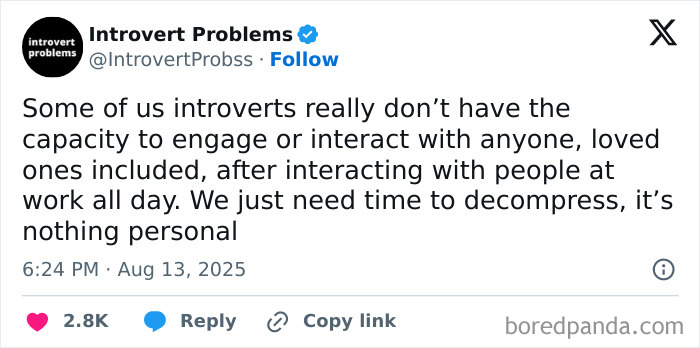
Image credits: IntrovertProbss
#23
Image credits: introverts.are.awesome
#24
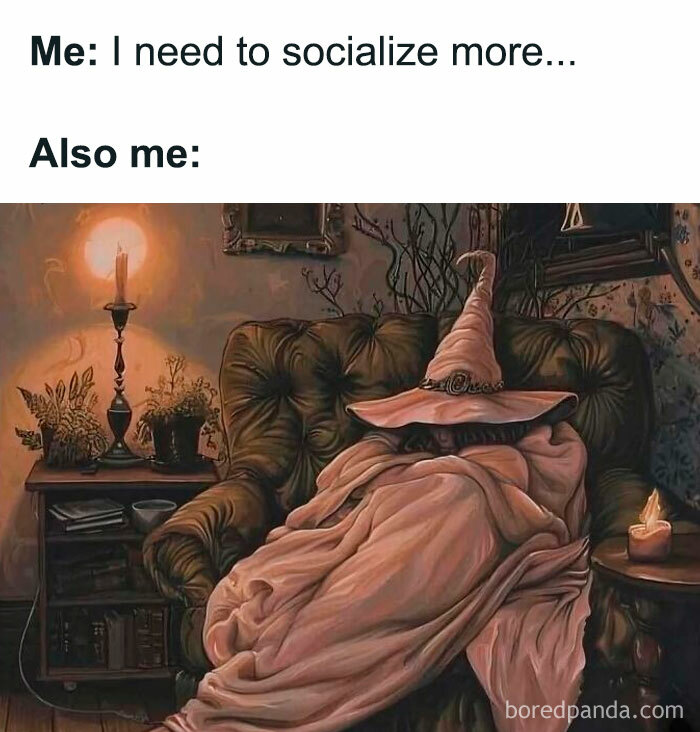
Image credits: introverts.are.awesome
Introverts crave social connections just like extroverts. But instead of being in a room buzzing with people, introverts find it most rewarding to be one-on-one with a friend or a romantic partner. As DeYoung explained to Granneman, extroverts have a more active dopamine reward system. That's why they don't get so tired after having conversations with people; their battery literally keeps recharging.
#25
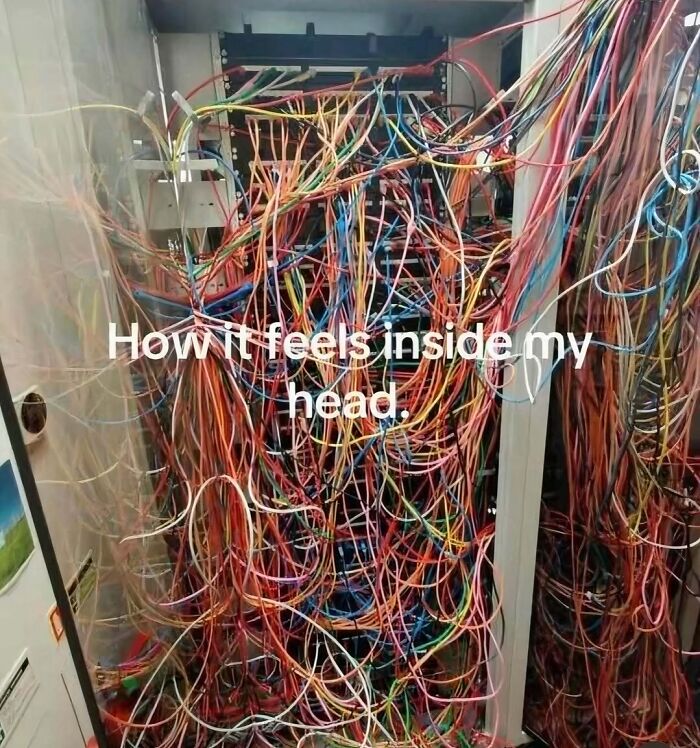
Image credits: introverts.are.awesome
#26
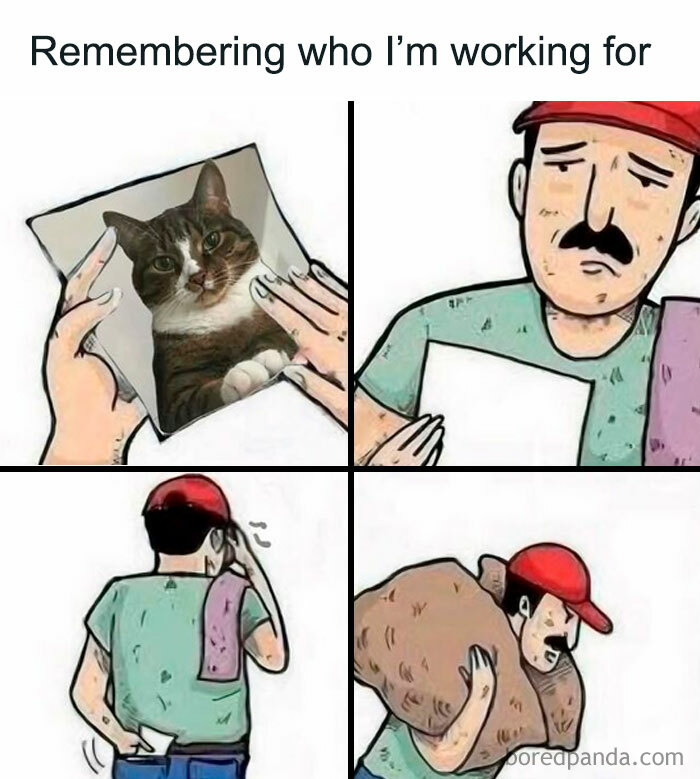
Image credits: introverts.are.awesome
#27
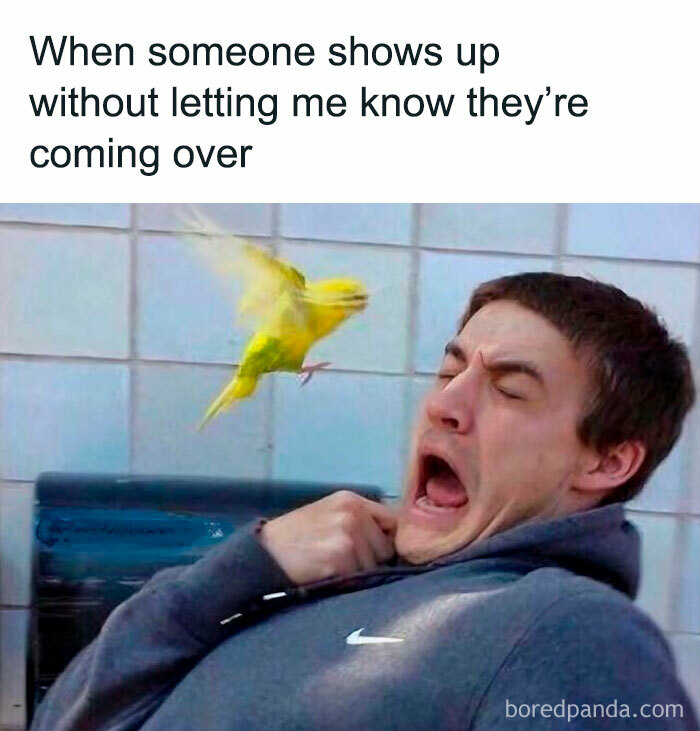
Image credits: introverts.are.awesome
Introverts, in turn, need less dopamine and can quickly become overstimulated by it. Dr. Marti Olsen Laney has proposed a theory that introverts use a different brain pathway to feel stimulated. The neurotransmitter acetylcholine activates receptors that are responsible for learning, memory, and the ability to stay calm and alert. Acetylcholine helps introverts feel more happiness when doing inward-focused activities and engaging in quiet hobbies.
#28

Image credits: introverts.are.awesome
#29
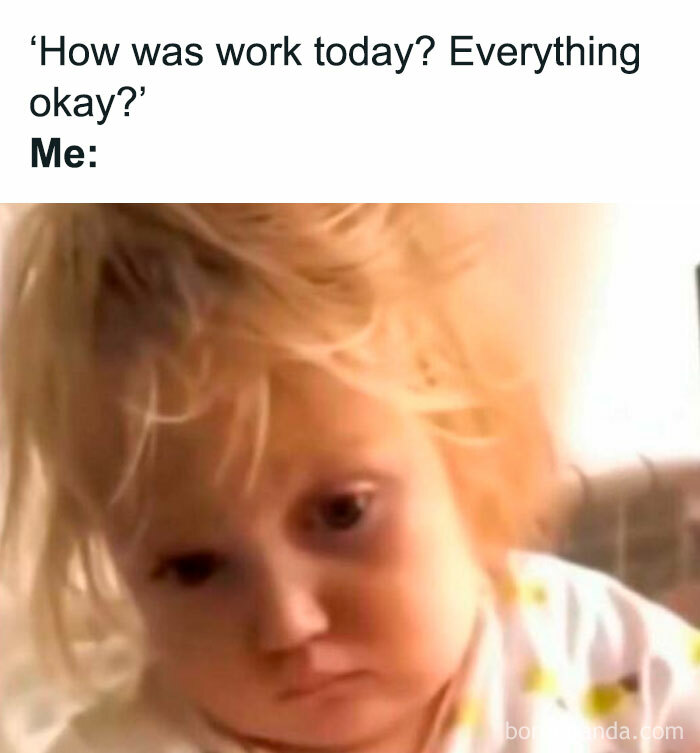
Image credits: introverts.are.awesome
#30
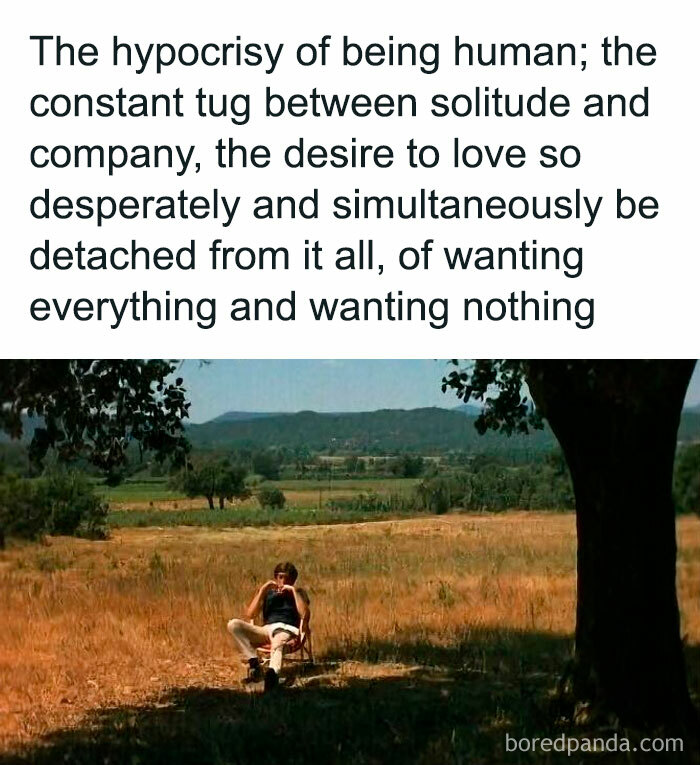
Image credits: introverts.are.awesome
But what about our introverted Pandas? Do you think these pictures represent you well? Let us know your favorite thing about being an introvert in the comments! And if you're looking for more relatable content about introversion, check out more memes from the "Introverts Are Awesome" page right here!
#31
Image credits: introverts.are.awesome
#32
Image credits: proseluvr
#33
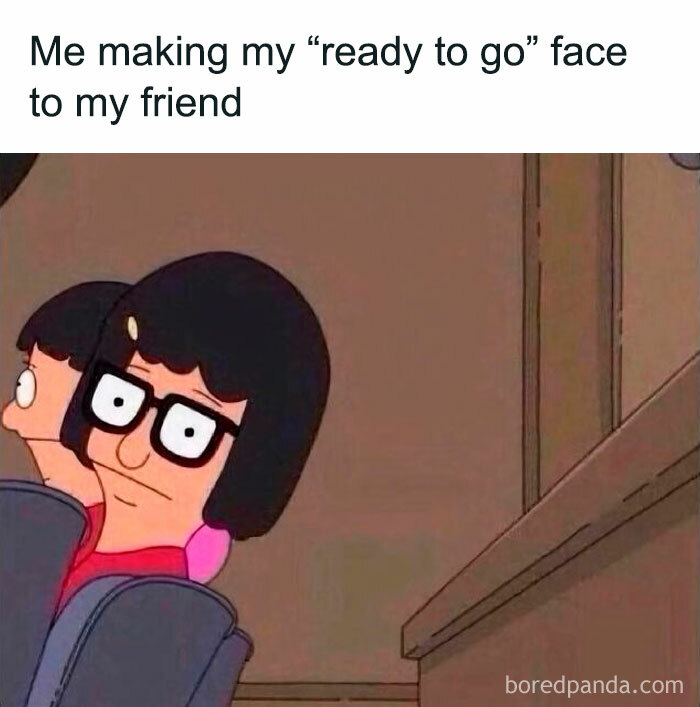
Image credits: introverts.are.awesome
#34
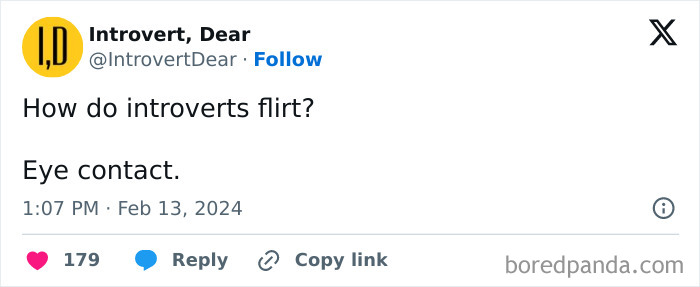
Image credits: IntrovertDear
#35

Image credits: introverts.are.awesome
#36
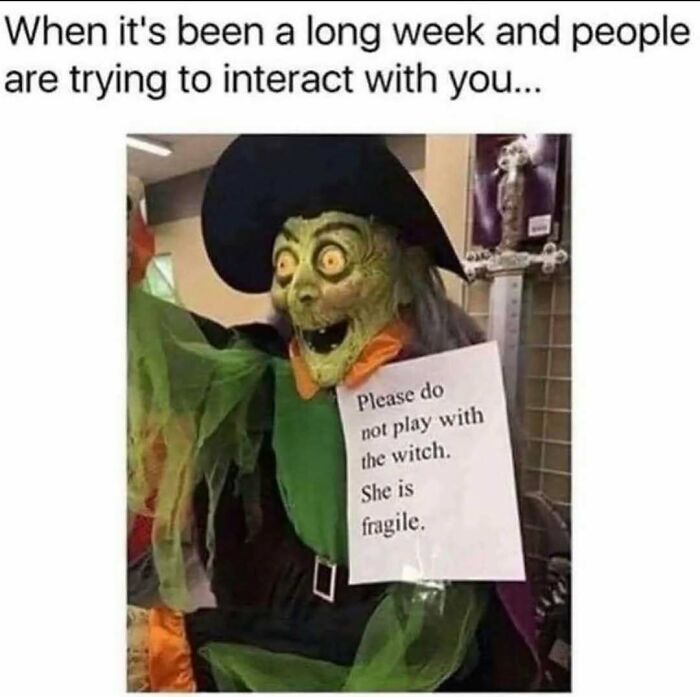
Image credits: introverts.are.awesome
#37
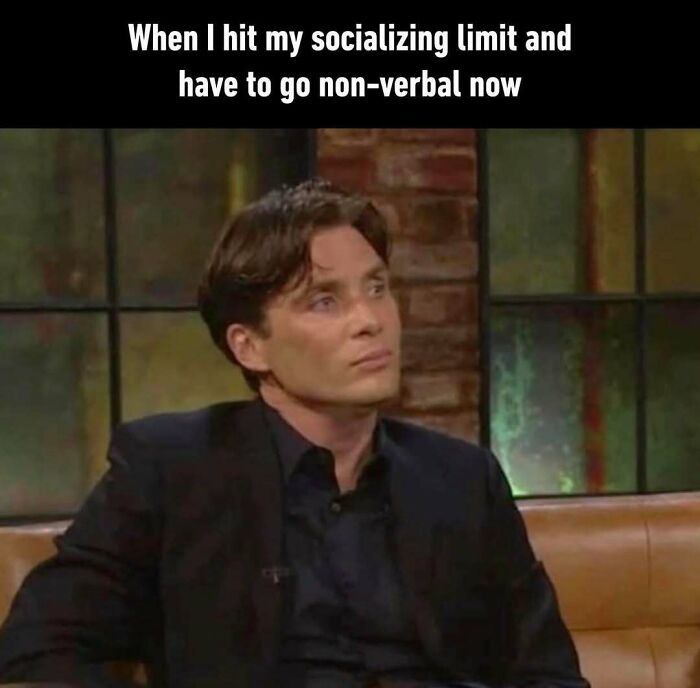
Image credits: introverts.are.awesome
#38
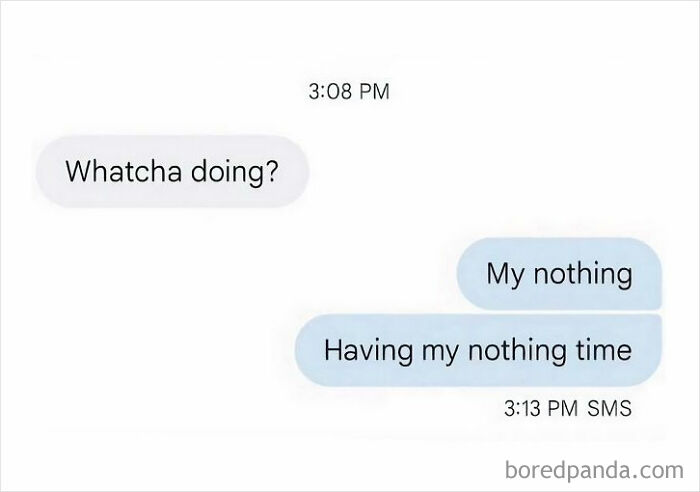
Image credits: introverts.are.awesome
#39
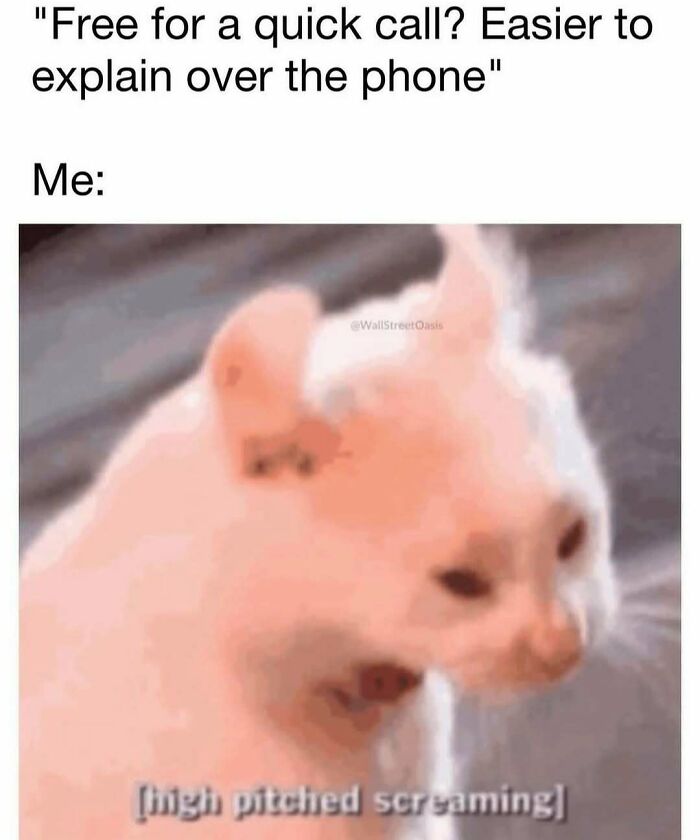
Image credits: introverts.are.awesome
#40
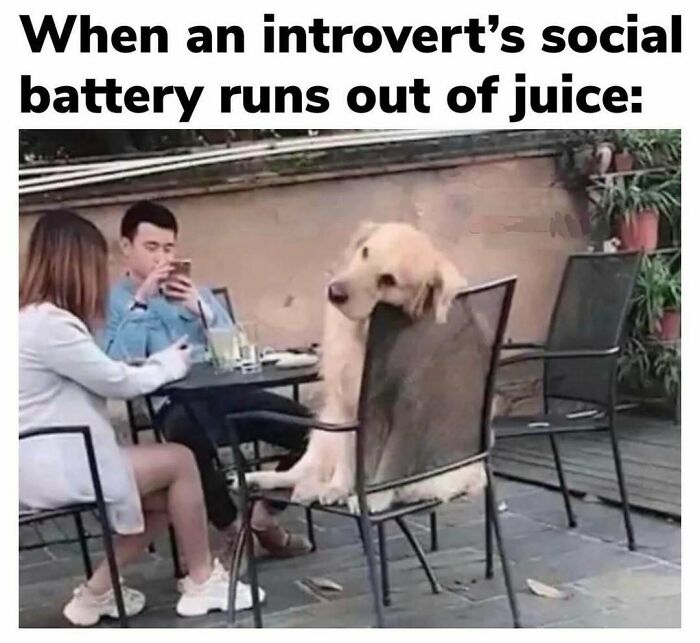
Image credits: introverts.are.awesome
#41
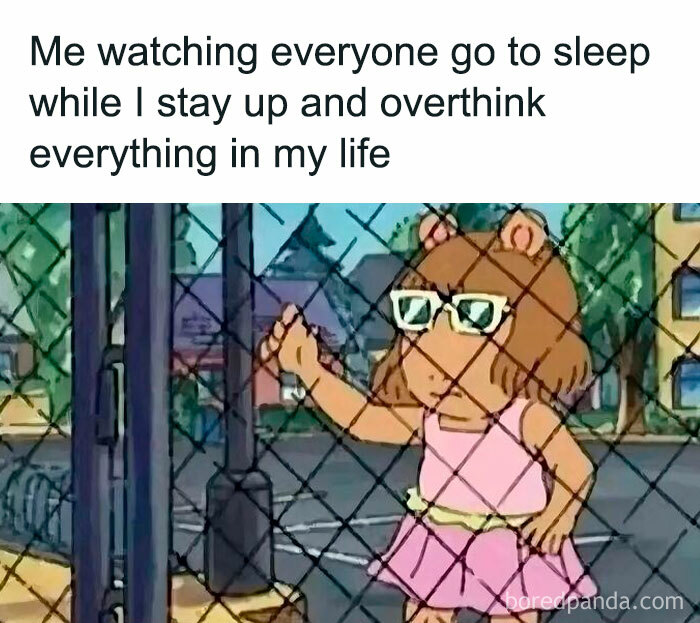
Image credits: introverts.are.awesome
#42
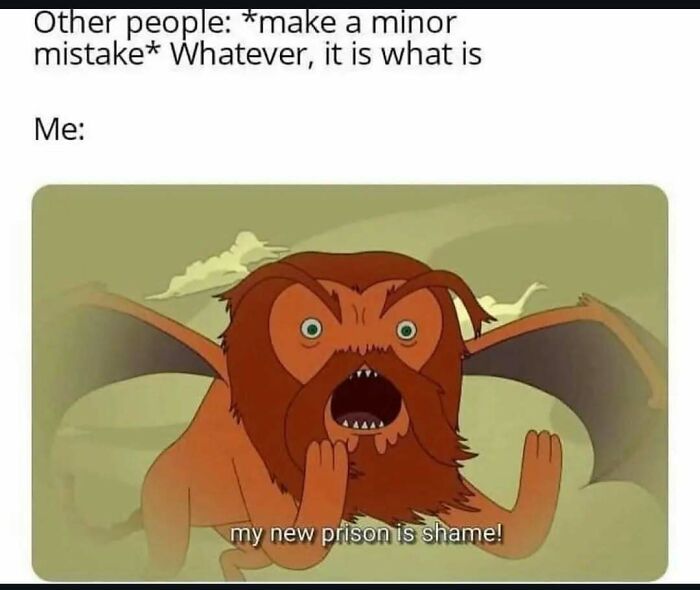
Image credits: introverts.are.awesome
#43
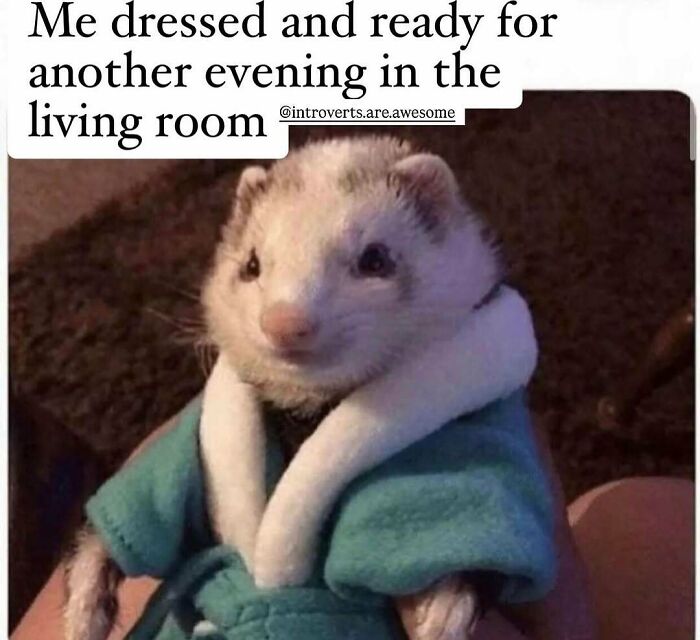
Image credits: introverts.are.awesome
#44

Image credits: introverts.are.awesome
#45

Image credits: introverts.are.awesome
#46
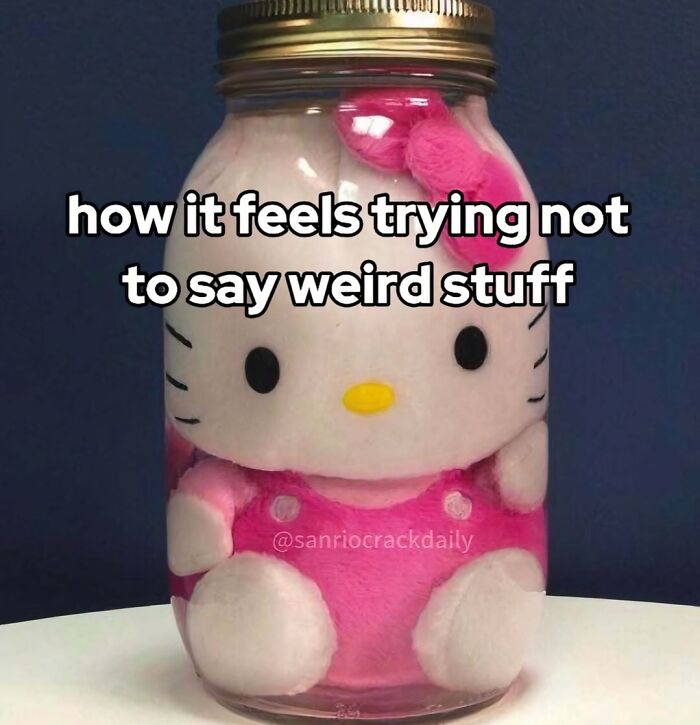
Image credits: introverts.are.awesome
#47
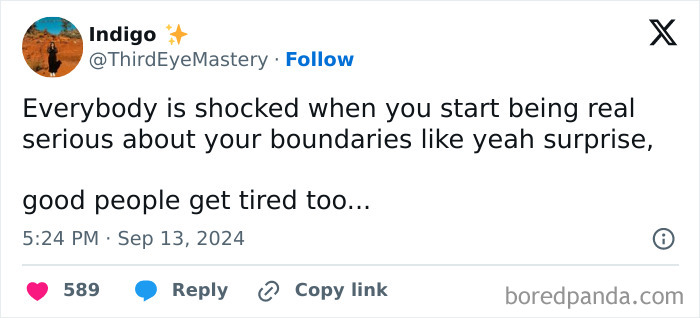
Image credits: ThirdEyeMastery
#48
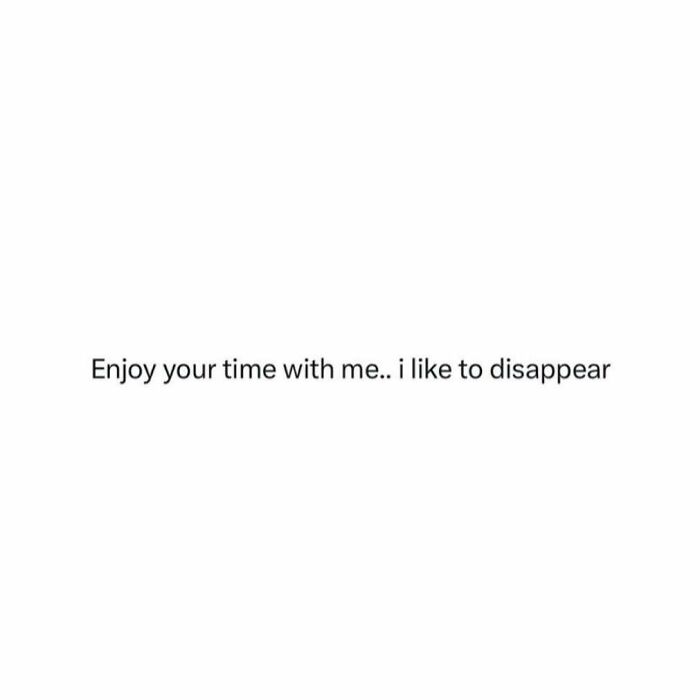
Image credits: introverts.are.awesome
#49
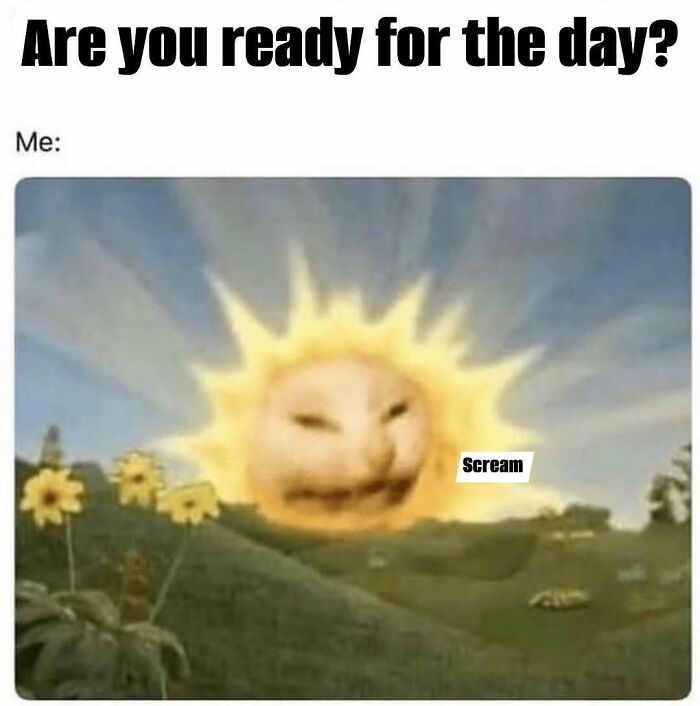
Image credits: introverts.are.awesome
#50
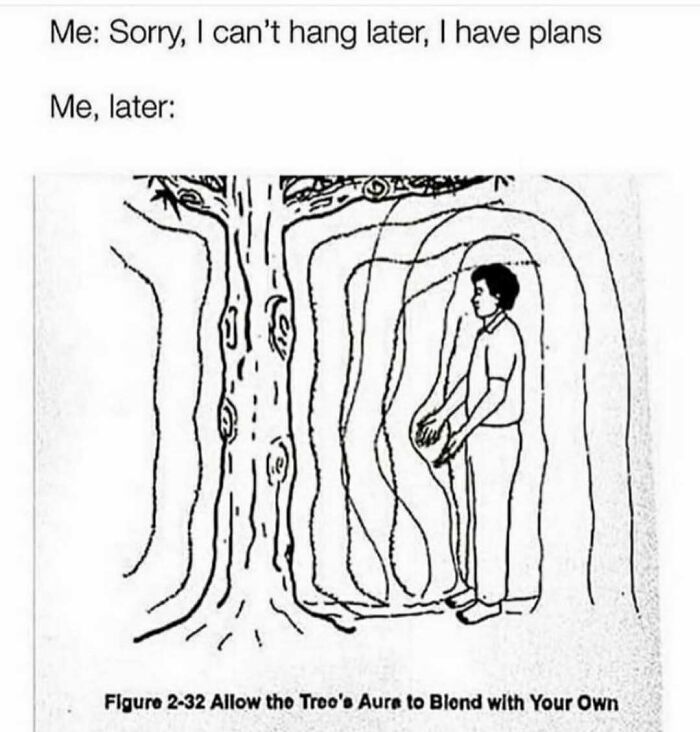
Image credits: introverts.are.awesome
#51
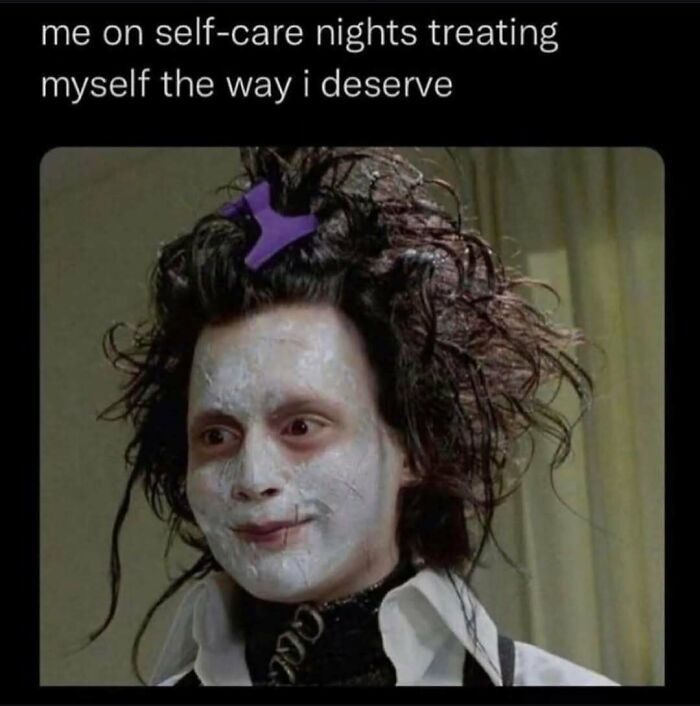
Image credits: introverts.are.awesome
#52
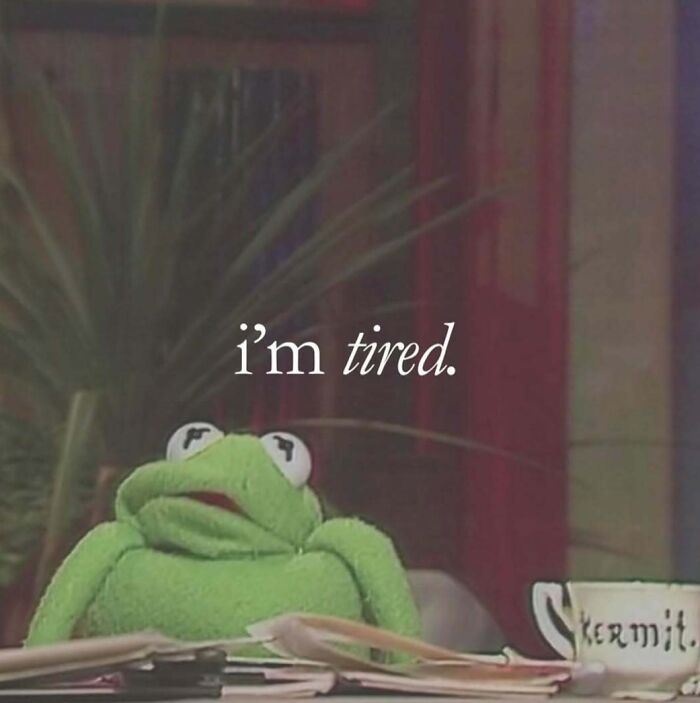
Image credits: introverts.are.awesome