Rare 500-year-old freeze-dried potatoes found at an ancient Inca coastal site are changing how researchers understand the power of early food preservation. The discovery in southern Peru has revealed more than an old meal. It has uncovered a story of survival, trade, science, and human adaptation.
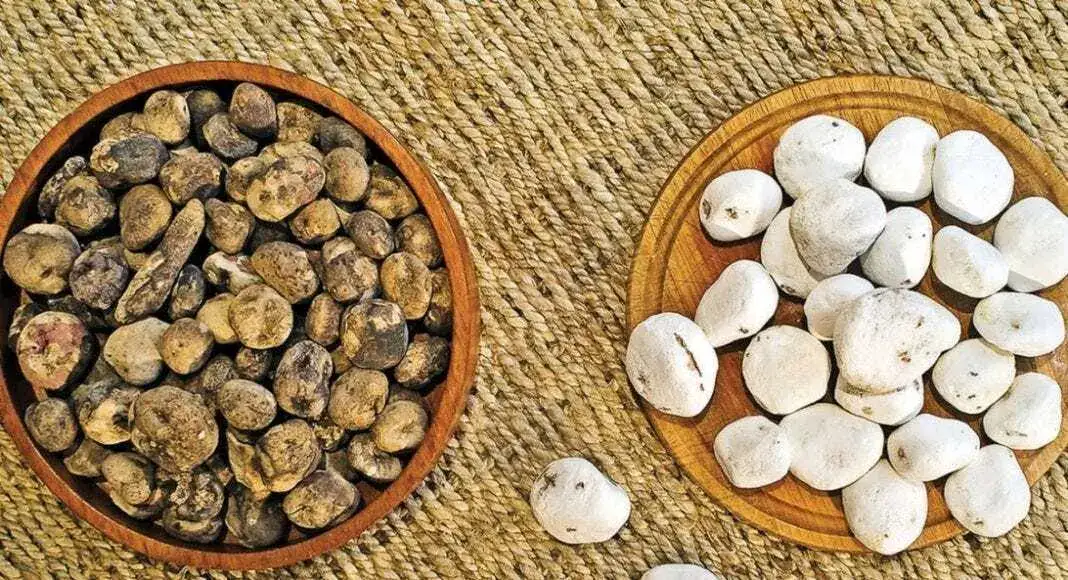
Archaeologists discovered two ancient chuño potatoes during excavations at Tambo Viejo, an Inca center in the Acarí Valley. The find is among the rarest examples of preserved Inca food ever recovered. It offers a direct connection to the people who built one of South America’s greatest civilizations.
The 500-year-old freeze-dried potatoes survived because of a remarkable combination of nature and human knowledge. The dry coastal environment protected them, while their storage inside a ceramic jar helped preserve their fragile remains.
Researchers believe the chuño potatoes traveled from the cold Andes mountains to the coastal settlement. This journey reveals how the Inca Empire moved essential resources across thousands of miles. Food was not just a necessity. It was a foundation of political power and community strength.
The discovery also reminds historians that ancient civilizations carried knowledge far beyond their time. The Inca understood preservation techniques that modern science still studies today. Their methods transformed a simple crop into a long-lasting source of nutrition.
The ancient freeze-dried potatoes were found during 2024 excavations led by archaeologist Dr. Lidio Valdez from the University of Calgary. He described the moment as an extraordinary discovery, recognizing immediately that the find had historical importance.
How did Inca freeze-dried potatoes survive for 500 years?
The story of these freeze-dried potatoes begins high in the Andes, where Indigenous communities developed chuño production thousands of years ago. Potatoes were native to this region and became one of the most important foods in Andean life.
Fresh potatoes could spoil quickly in warmer areas. Ancient farmers created a solution by using the natural freezing temperatures of mountain nights and strong daytime sunlight. This process removed moisture and allowed potatoes to survive for years. Chuño was created through repeated cycles of freezing, thawing, pressing, and drying. The technique turned ordinary potatoes into a durable food source. It was a brilliant example of ancient climate-based preservation.
The potatoes found at Tambo Viejo were identified as white chuño. This type required special preparation because it used naturally bitter potato varieties. After freezing, the potatoes were soaked and dried carefully to remove unwanted compounds.
The result was a lightweight food that could travel long distances. For the Inca Empire, this mattered greatly. Their territory stretched across mountains, valleys, and coastal regions, requiring reliable food networks.
The archaeological evidence shows that the Inca did not simply grow food locally. They built systems where resources moved between different environments. The coastal discovery of chuño potatoes proves this connection existed.
Why are these ancient chuño potatoes important for Inca history?
The 500-year-old freeze-dried potatoes from Tambo Viejo are significant because very few examples have survived. Despite chuño being common during Inca times, archaeological discoveries of the preserved food remain extremely rare. Historical records describe chuño as a crucial food across the empire. Spanish chroniclers noted that llama caravans transported preserved foods to storage centers. These supplies supported workers, communities, and state activities.
Tambo Viejo was one of these important locations. The preserved potatoes suggest that the settlement was connected to a much larger network of trade and administration.
Scientists now hope to discover where these potatoes originally came from. Chemical analysis may reveal which mountain regions produced them. Such research could uncover more about ancient food routes and agricultural exchange.
The dry climate of southern Peru played a major role in preserving the chuño potatoes. The storage jar also protected them from environmental damage, allowing them to remain hidden for centuries.
The rare freeze-dried potatoes from the Inca site are more than archaeological objects. They represent a connection between past and present, showing how human creativity can preserve both food and history.
Ancient food preservation knowledge continues to inspire researchers
The discovery of these 500-year-old freeze-dried potatoes highlights the importance of studying traditional knowledge. Ancient methods often reveal sustainable ideas that remain valuable today. Modern researchers continue exploring how older food preservation techniques can improve understanding of agriculture and climate adaptation. Chuño represents a method created without electricity, machines, or artificial systems.
The Inca developed a food strategy that matched their environment perfectly. Their preservation methods reduced waste and helped communities prepare for uncertain conditions. The rare archaeological discovery also protects a forgotten part of human history. Each preserved object offers clues about how people lived, traveled, traded, and survived.
For archaeologists, the Tambo Viejo excavation remains a special site. Researchers believe future studies may reveal even more about the movement of food across the Inca world. The 500-year-old freeze-dried potatoes survived because humans combined intelligence with nature’s own processes. Their story continues to remind the modern world that ancient wisdom still has lessons to offer.
FAQs:
Q1. How did 500-year-old freeze-dried potatoes survive in the Inca coastal site?The 500-year-old freeze-dried potatoes, known as chuño, survived due to a powerful mix of Inca food science and extreme natural conditions across the Andes and coastal Peru. The ancient process of freezing at high-altitude nights, sun-drying during the day, and long-term storage created food that resisted decay for centuries.
Q2. Why are Inca chuño freeze-dried potatoes important for history and archaeology?
The chuño freeze-dried potatoes are important because they prove how the Inca Empire built advanced food networks that connected mountains, valleys, and coastal settlements. They reveal that food like potatoes was not only grown locally but transported across vast regions using llama caravans, supporting workers and state systems.