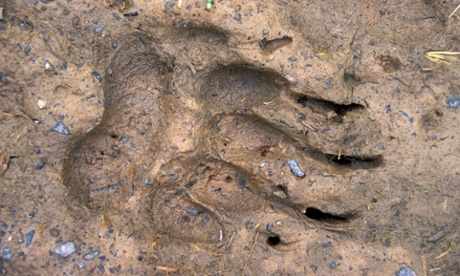
KESWICK: November mud has a clinging, liquid quality which clogs the boot-soles and makes each step heavier and much more noisy than usual; but, after all, noise does not matter now for by nine o’clock in the morning the day is over for most creatures who use this way to the marshy bottoms between the lakes. They have, however, left their comments behind them. A badger has gone and come back along the muddy path, skirting places where the stream has broken out and side tracking into the fields to avoid a pool deep enough to soak a badger’s undercarriage. A water-rat, more at home, has gone straight on; and a moorhen has been about too. The north wind is bustling up the lake, bending the sedges and sending waves scurrying up the river. It is cold enough to sting the face and hands and upset the birds - fieldfares on the haws, snipe in the reeds - which must have thought lately that winter would never come. There are only four whooper swans here yet but they are obviously enjoying resting and feeding in the shallow places and are reluctant to fly. They turned into the wind to watch me, honking quietly together until, at last, they took to the air, rising until their long, white wings caught the early sunlight. Four white swans outlined against a sombre blue fell is a sight one never forgets but I have, too, beside me now a little treasure from beside the marsh for which I have waited for a month. It is the skull of a buzzard found dead in the grass, but only today had it finally cast flesh and feather and returned to clean bone - the hard scimitar of its beak marking it out as a bird of prey.