In a historic medical breakthrough, the world’s first Haploidentical Bone Marrow Transplant (BMT) has been done on a 5-year-old boy with a rare and complex condition. This remarkable achievement marks a significant milestone in pediatric hematology and immunology. The case, which is the first of its kind not in India but the world also, involved Master Abbas, a 5-year-old boy from Waset, Iraq, diagnosed with a Common Variable Immunodeficiency (CVID)-like phenotype caused by an IKZF-1 mutation. This disease in a 5-year-old is very rarely reported and a Haploidentical BMT at 5 years of age is not reported before.
"Master Abbas had been suffering from Failure to Thrive (FTT), Severe Chronic Lung Disease (CLD), and Leaky Gut Syndrome (LGS). Abba’s elder brother had died with the same problem at the age of 7 years," SHALBY Sanar Hospital, Gurugram, where Abbas underwent the transplantation, has said.
"Complicating the case further, Master Abbas did not have a 100% HLA-matched donor. The medical team decided to proceed with a 50% HLA-matched Haploidentical BMT. Before the transplant, his CLD and Leaky Gut Syndrome were managed using specialized treatments to stabilize his condition. Bone Marrow Transplant in CVID is rarely reported and at 5 years not even one case has been reported across in the world literature," the hospital said.
This was a very challenging case, but our team worked together to overcome the difficulties," said Dr. Satyendra Katewa, Director & Head of the Department of Blood & Marrow Transplant and Cellular Therapies, SHALBY Sanar hospital.
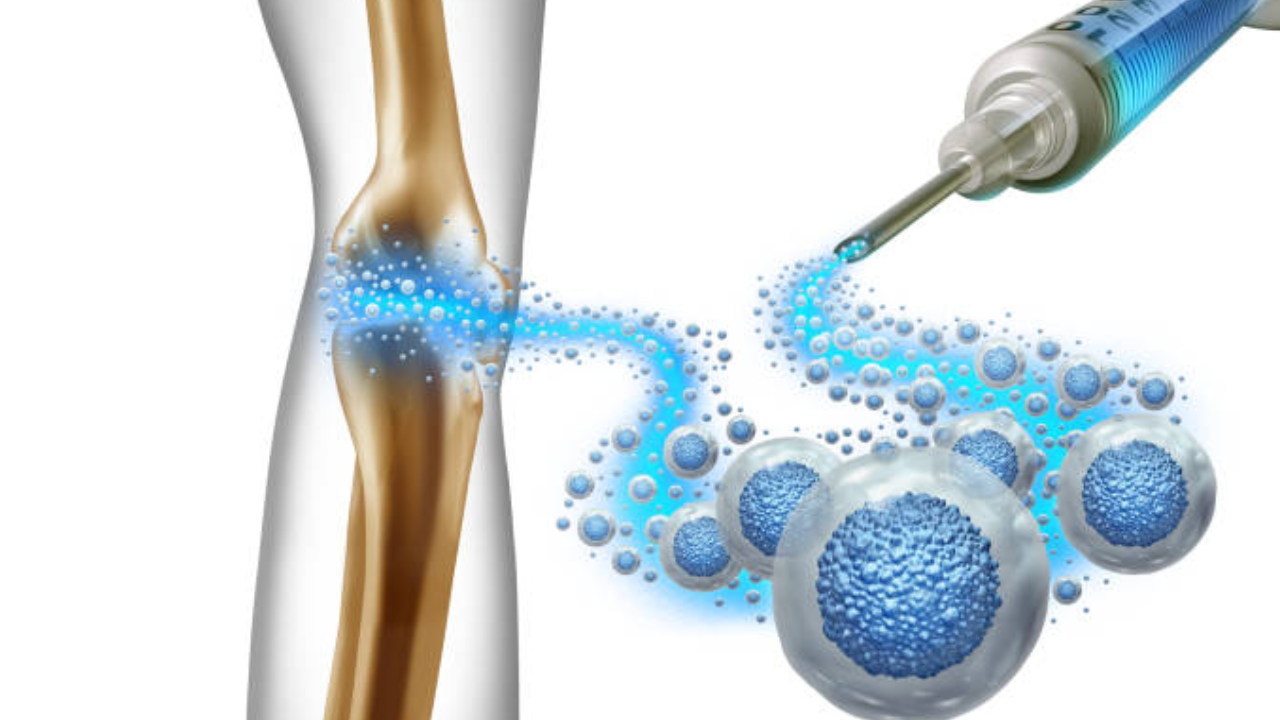
A Haploidentical Bone Marrow Transplant (BMT) is a type of stem cell transplant where the donor is a half-matched (haploidentical) relative, usually a parent, sibling, or child. This procedure is used for patients who do not have a fully matched donor. It involves high-dose chemotherapy or radiation to destroy diseased bone marrow, followed by the infusion of donor stem cells to restore healthy blood formation. Advances in immunosuppressive therapies help reduce rejection risks. Haploidentical BMT is commonly used for leukemia, lymphoma, and other blood disorders, expanding transplant options for patients with limited donor availability.