
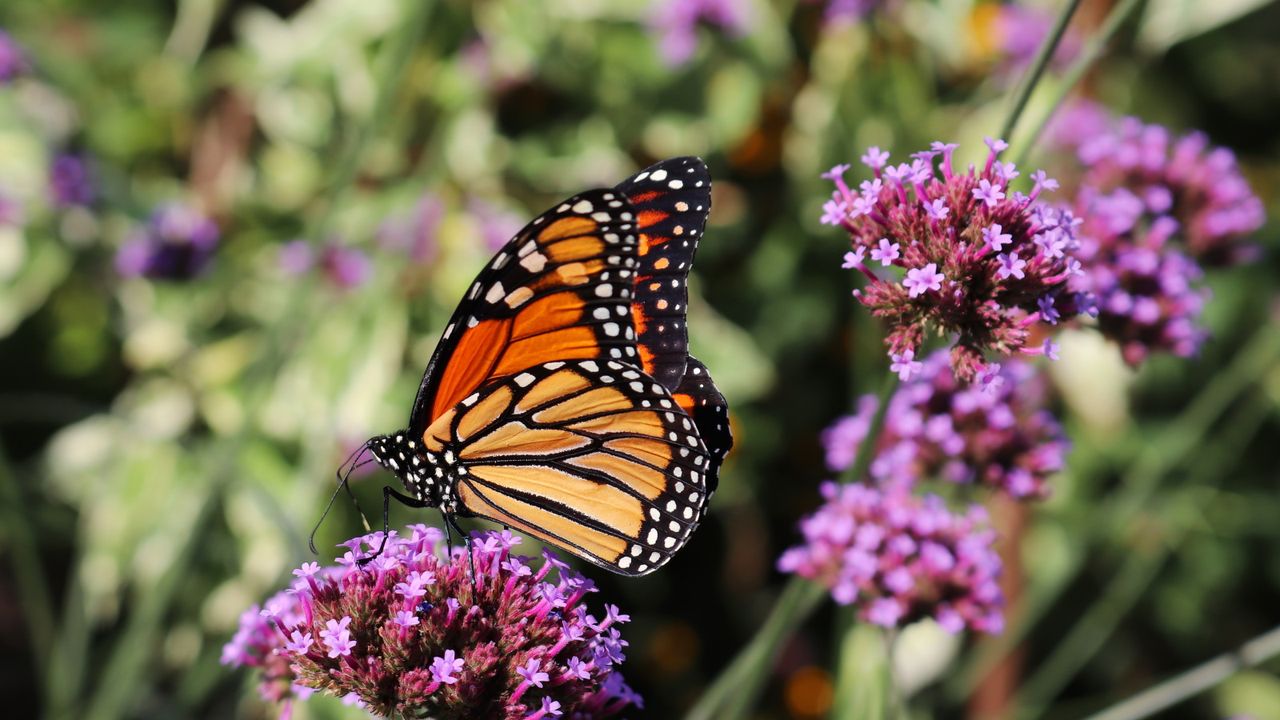
Turning your backyard into a haven for bees, butterflies, and hummingbirds is rewarding – offer them nectar-rich blooms and they'll help establish a healthy ecosystem in return. But not all pollinators appreciate all flowers. Specialist pollinators exclusively rely on specific plants, and by adding them to your planting you can boost your yard's biodiversity.
Specialist pollinators are beneficial insects that have very specific diets. These bee and butterfly species often rely on just a single genus of plants. Meanwhile, generalist pollinators visit a wider range of plants. This makes specialists highly vulnerable to habitat loss and environmental changes, making it more important than ever to grow the plants they need.
This is something Summer Rayne Oakes of Flock Finger Lakes prioritizes at her New York homestead. 'The vast majority of our insects here are specialists, so our pollinator garden does look a little different to what you might expect,' she says. Here, Summer Rayne shares her top five specialist pollinator plants to grow so you can help these important insects in your own garden.
What Are Specialist Pollinators?
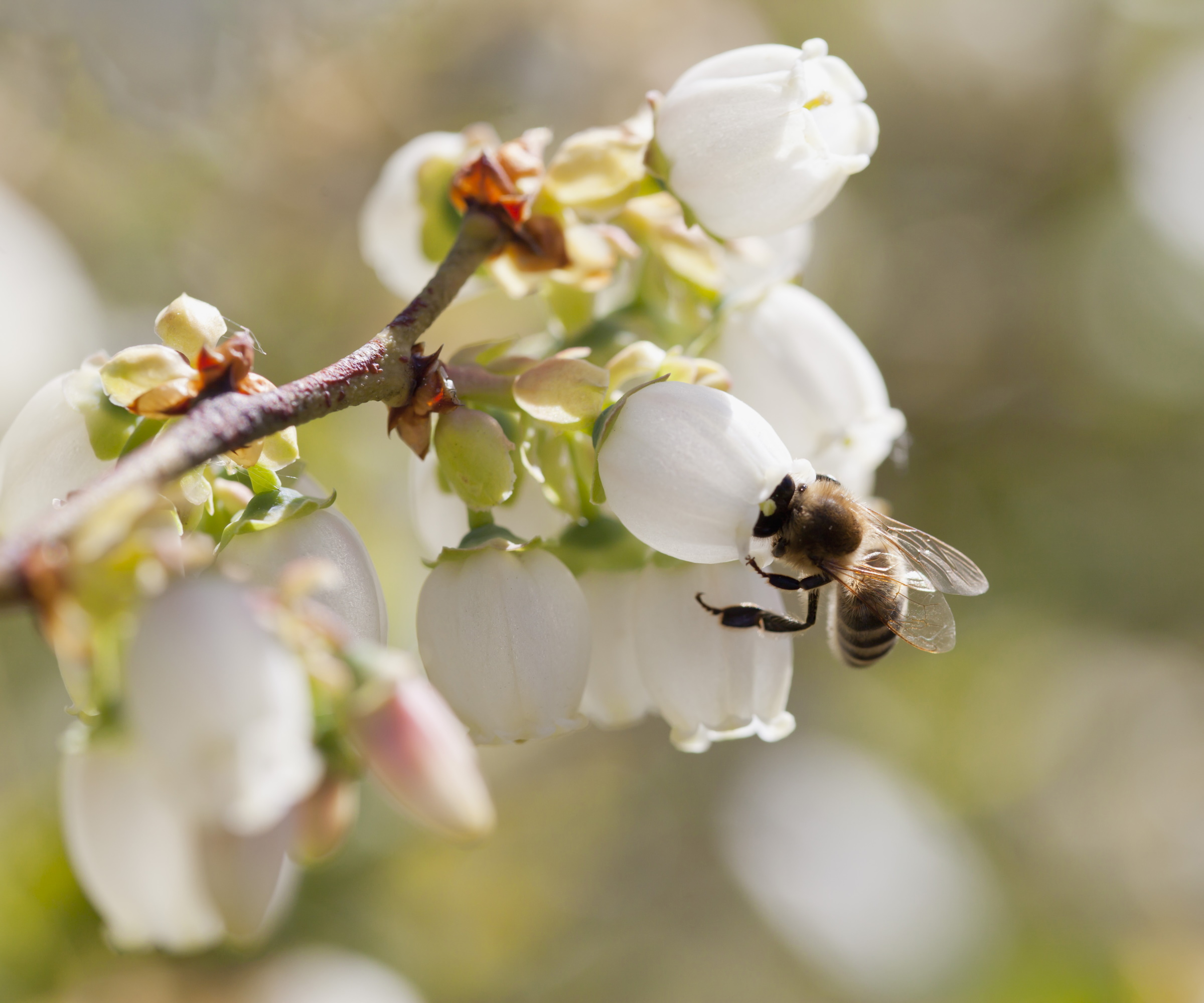
'We have a slightly different take on the pollinator garden, as our New York homestead doesn't just get generalists like honeybees and bumblebees,' says Summer Rayne.
Generalist pollinators are those that feed on a wide range of nectar-rich plants, while specialist pollinators are species of bees, butterflies, moths, and more that exclusively rely on one type of plant, such as squash and blueberry bees.
Specialist species have co-evolved with their corresponding plants to emerge at the same time. This makes them vulnerable to environmental changes, so it's important to help them by catering to their needs and making resources readily available.
'These specialist pollinator plants aren't just a source of pollen and nectar for specialist bees and butterflies, but actually also a leaf source for insects to eat.
'In turn, this results in having more birds, because 96% of our birds rely on insects for their food,' Summer adds.
1. Fringed Loosestrife
- Best for: oil-digger bees
'A lot of loosestrife, or Lysimachia, grows in wetlands or wet meadows,' Summer describes. 'The oil-digger bee specializes not in the nectar or the pollen, but the resin of loosestrife to line their brood chambers,' she explains.
Oil-digger bees collect the oils of Lysimachia to make their underground nests waterproof, while also feeding their larvae with a special oil mixture.
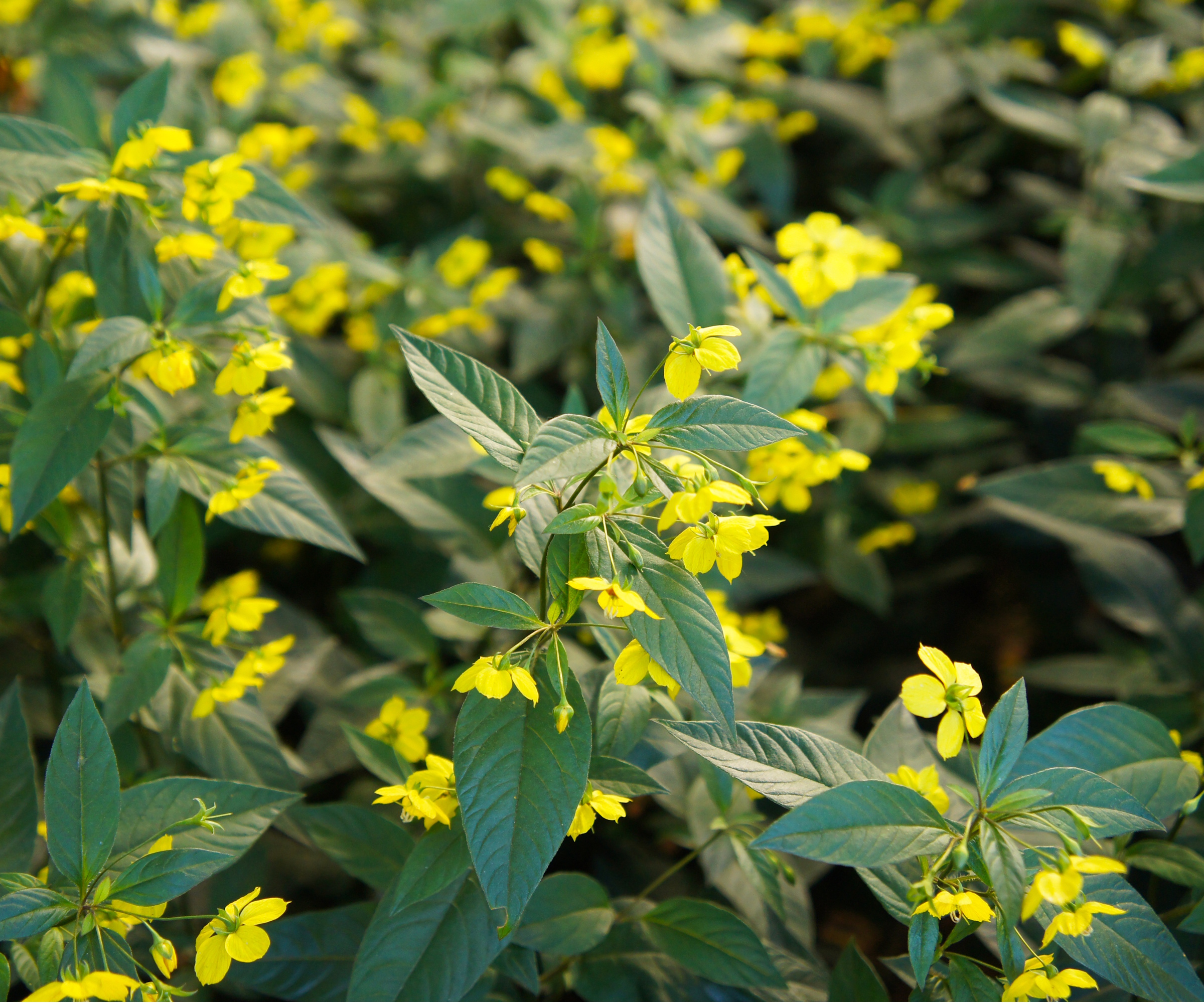
One of the top picks is the native Lysimachia ciliata (fringed loosestrife) which can grow in USDA 4-8. It's loved for its lance-shaped foliage and star-shaped yellow flowers, and thrives in a full sun position while also adapting to partial shade.
However, many Lysimachia are considered invasive plants and should be avoided, including creeping jenny and purple loosestrife, which is actually a plant that is illegal to grow in California.
2. Heuchera Americana
- Best for: alumroot cellophane bee
'We have some Heuchera americana in our pollinator garden, which is our native heuchera,' Summer Rayne says.
'Heuchera is a plant that has been cultivated for many different leaf colors and flower colors, but it's the Heuchera americana that attracts a specific kind of bee that coincides with its emergence,' she explains.
The type of bee in question is the alumroot cellophane bee which forages for pollen during the spring and early summer blooming period of this heuchera.
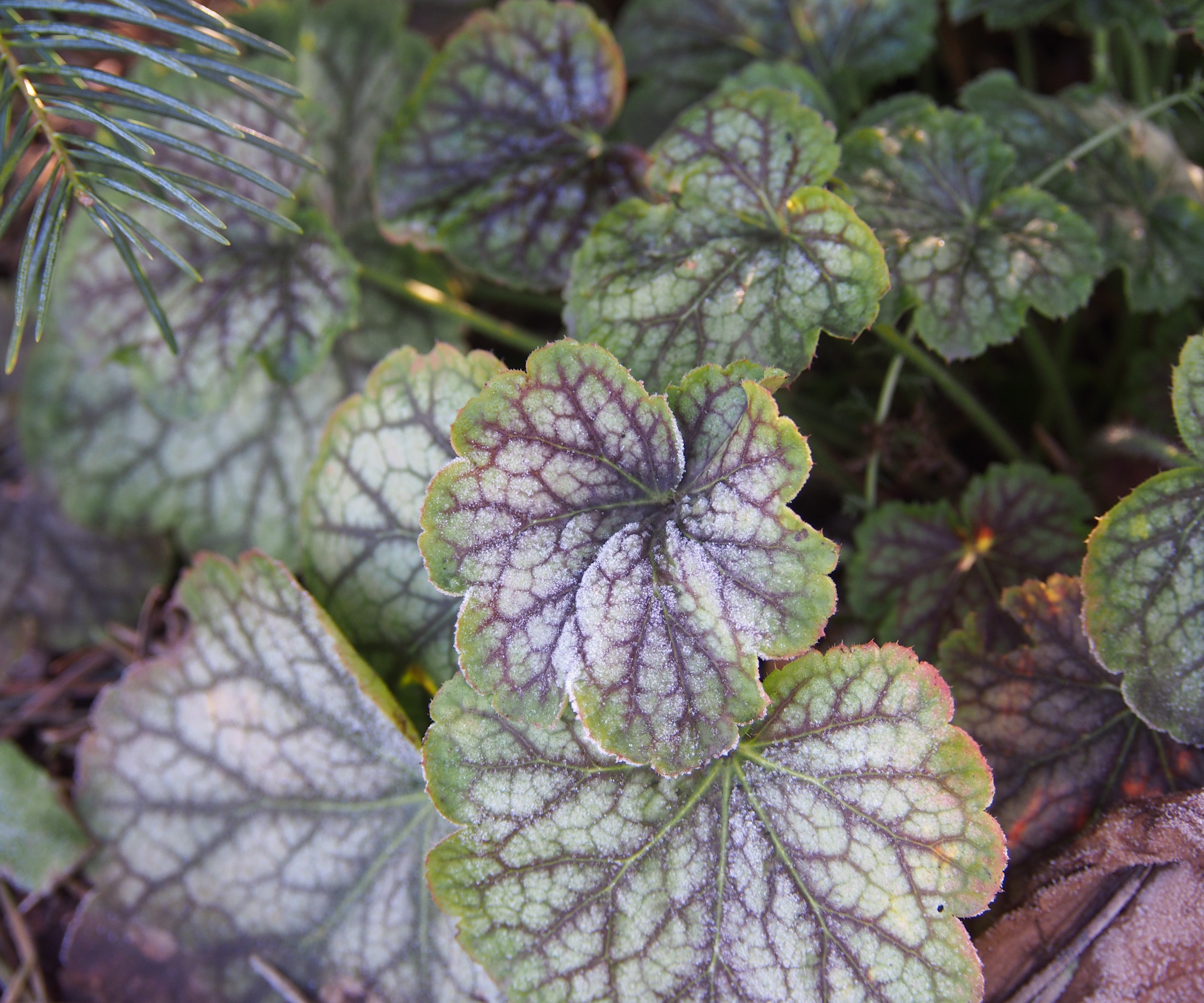
Heuchera americana is a beautiful variety with lobed evergreen foliage in purple, brown and bronze hues that tend to mature into green shades. Sprays of brown-green flowers spikes emerge in late spring, lasting through summer.
You can grow heuchera across USDA zones 4-9, where it performs best in full sun to partial shade, in a well-draining consistently moist soil.
'Green spice' is a pretty purple-veined cultivar of Heuchera americana available at Nature Hills.
3. Sedge
- Best for: skipper butterflies and specialist moths
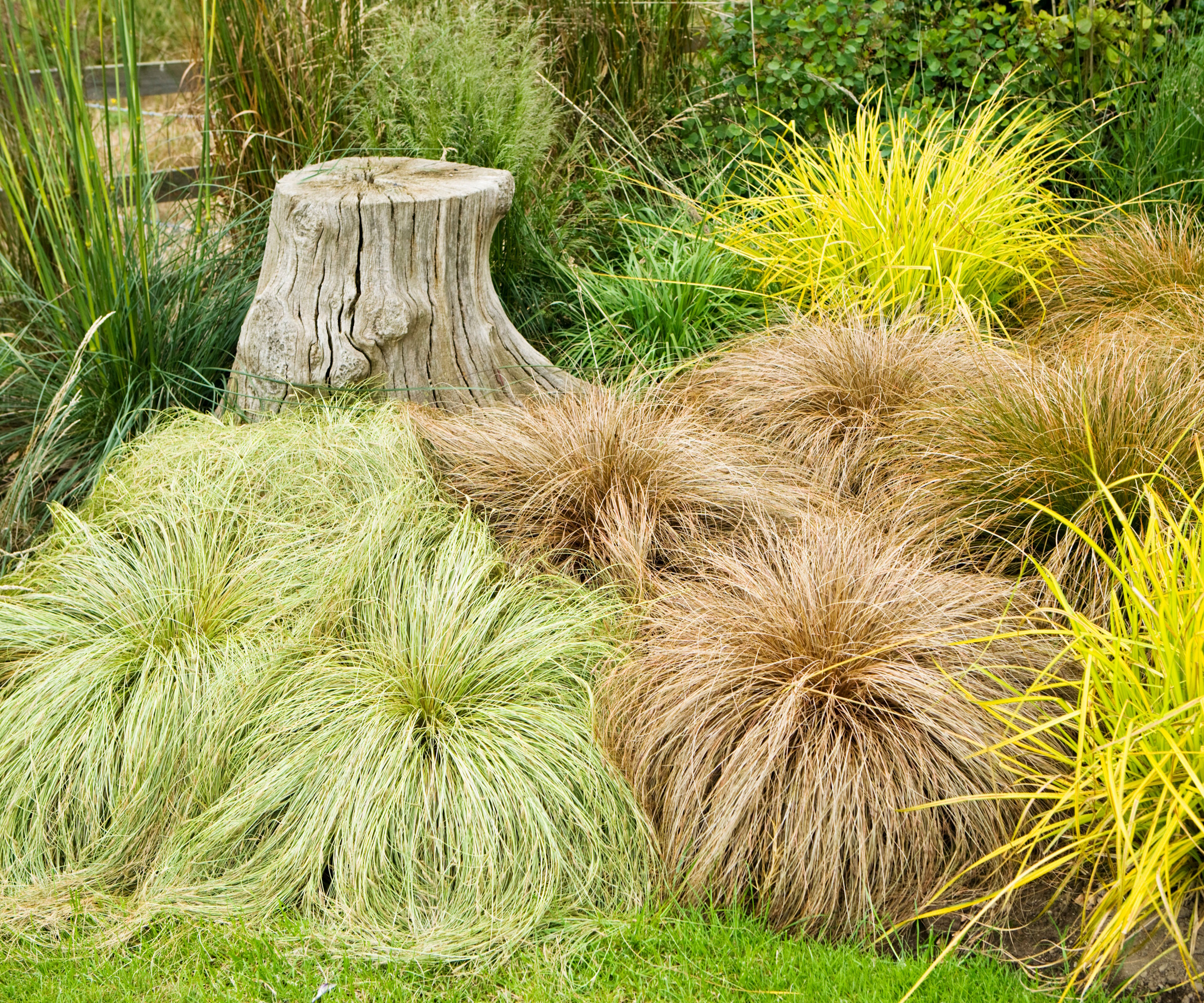
'We actually opted for a sedge lawn over a conventional one because skipper butterflies and some moths use sedge grasses as their main foodstuff,' Summer Rayne describes.
While sedges are largely wind-pollinated plants and don't rely on specialist pollinators, the likes of brown skipper butterflies and certain types of specialist moths (including caterpillars of eyed brown and Appalachian brown moths) use sedge as a larval host plant.
Not only this, but sedge is also a great addition a pollinator garden to provide native insects with nesting space, shelter, and protection, especially for ground-nesting bees.
There are lots of sedges to choose from, but Appalachian sedge (Carex appalachica, which is available as a starter plant on Amazon) is a popular native pick, with its fine textured foliage.
4. Milkweed
- Best for: monarch butterflies
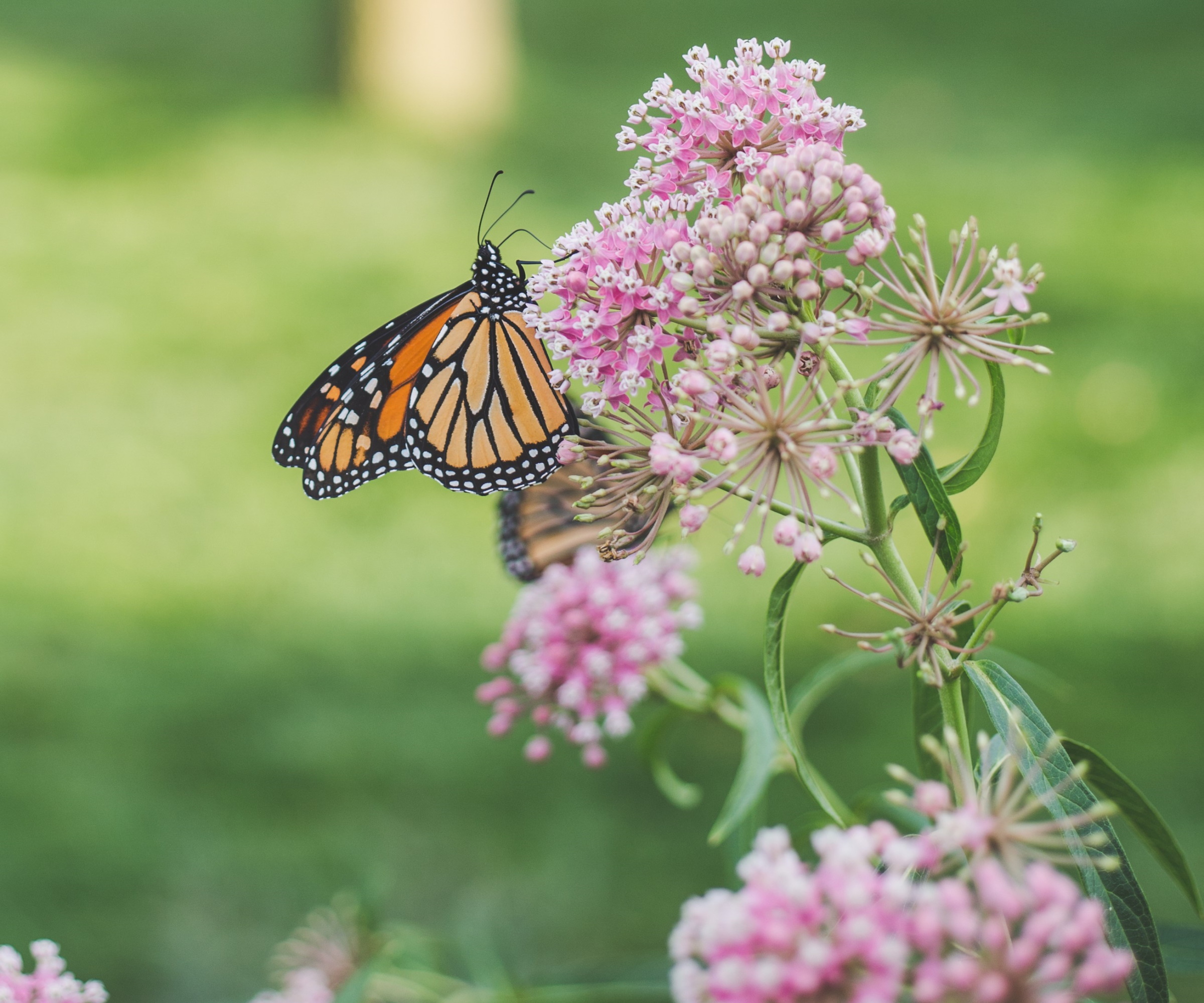
Although adult monarch butterflies are not necessarily specialist pollinators, they are specialist when it comes to the larval stage, exclusively feeding on milkweed.
Monarch caterpillars rely on milkweed foliage. By consuming it, the monarchs become poisonous to predators, as milkweed contains toxins.
Without milkweed, monarchs wouldn't survive, and they're already an endangered species. For this reason, it's important to grow milkweed for monarch butterflies.
It can grow across USDA zones 3-10, needing 6-8 hours of direct sun for optimal flowering. Once established, these perennials are fairly drought-tolerant.
You can use find milkweed to plant in your garden at Nature Hills.
5. Gumweed
- Best for: oligolectic bees
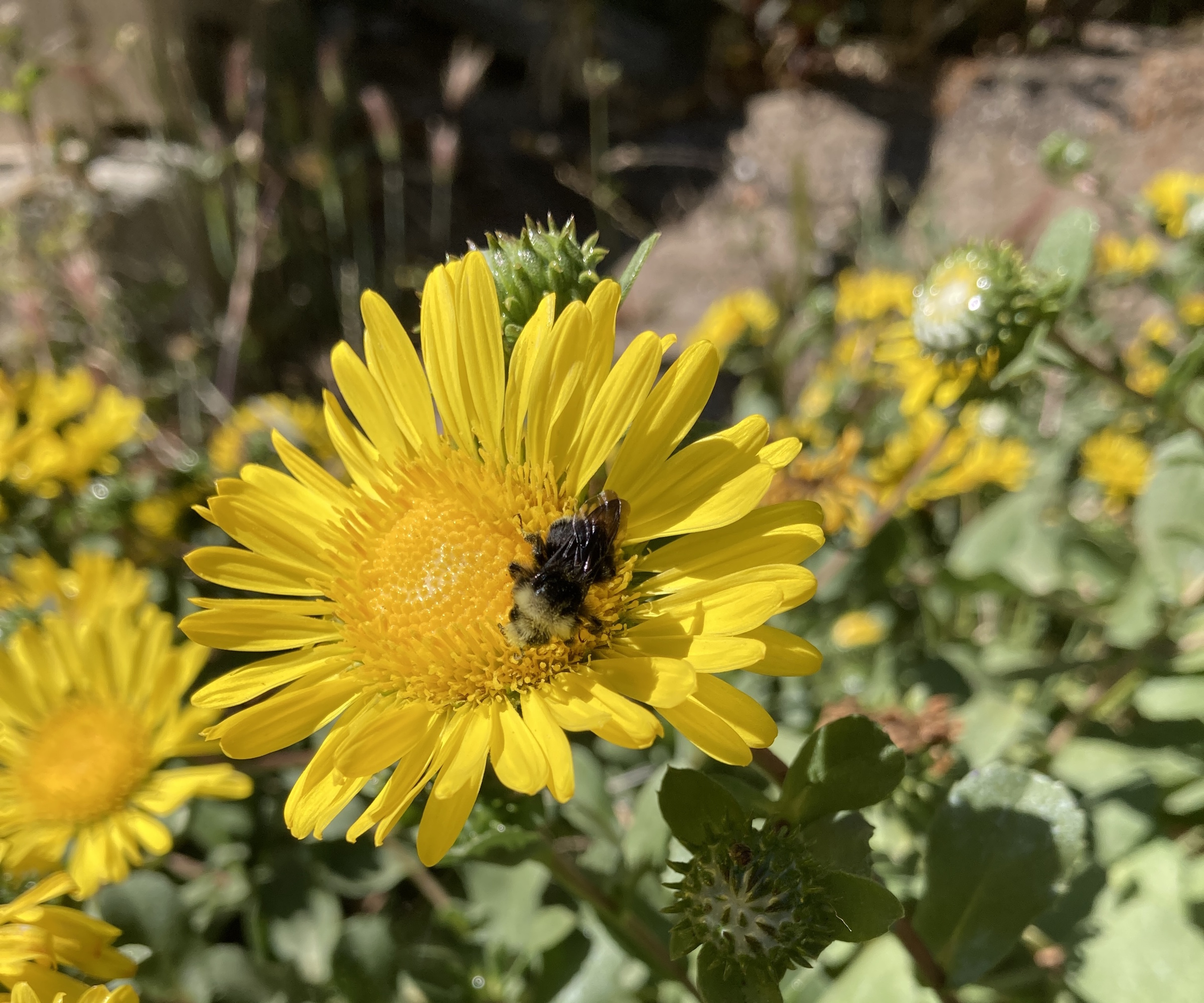
'Another plant specialist insects like is gumweed, or Grindelia,' says Summer Rayne. 'It's a super interesting flower with a gummy top, as if you took a marshmallow and put it over an open fire,' she describes.
This is a powerhouse pick of specialist pollinator plants, supporting at least 75 different oligolectic (pollen-collecting) bee species. They rely on gumweed for late season pollen and nectar, as it blooms from late summer into fall.
It has daisy-like yellow blooms with sticky flower buds, which resin-collecting bees also use to build their nests.
It can grow across USDA zones 3-10 and is found as a native wildflower across North America.
What to Shop
Scatter these pollinator wildflowers to attract bees, butterflies, and more beneficial insects. There are 18 different varieties in this mix.
Insert these pollinator watering stations in your border and top them up with water for bees and butterflies to drink from and bathe in.
This bee house has multiple crevices and nooks for bees and other beneficial insects to nest in. It's made from natural wood.
There are so many different ways to help bees, butterflies, and birds in your yard. You can make a pollinator strip, pollinator pit stop, or create a hummingbird planter this spring.
Love inspiring garden ideas, outdoor advice, and the latest news? Sign up for our newsletter and get the latest features delivered straight to your inbox.