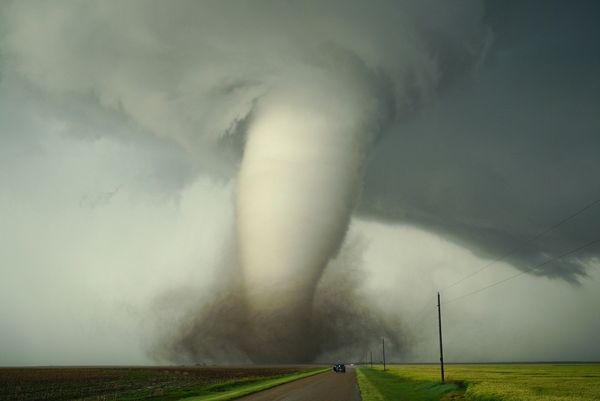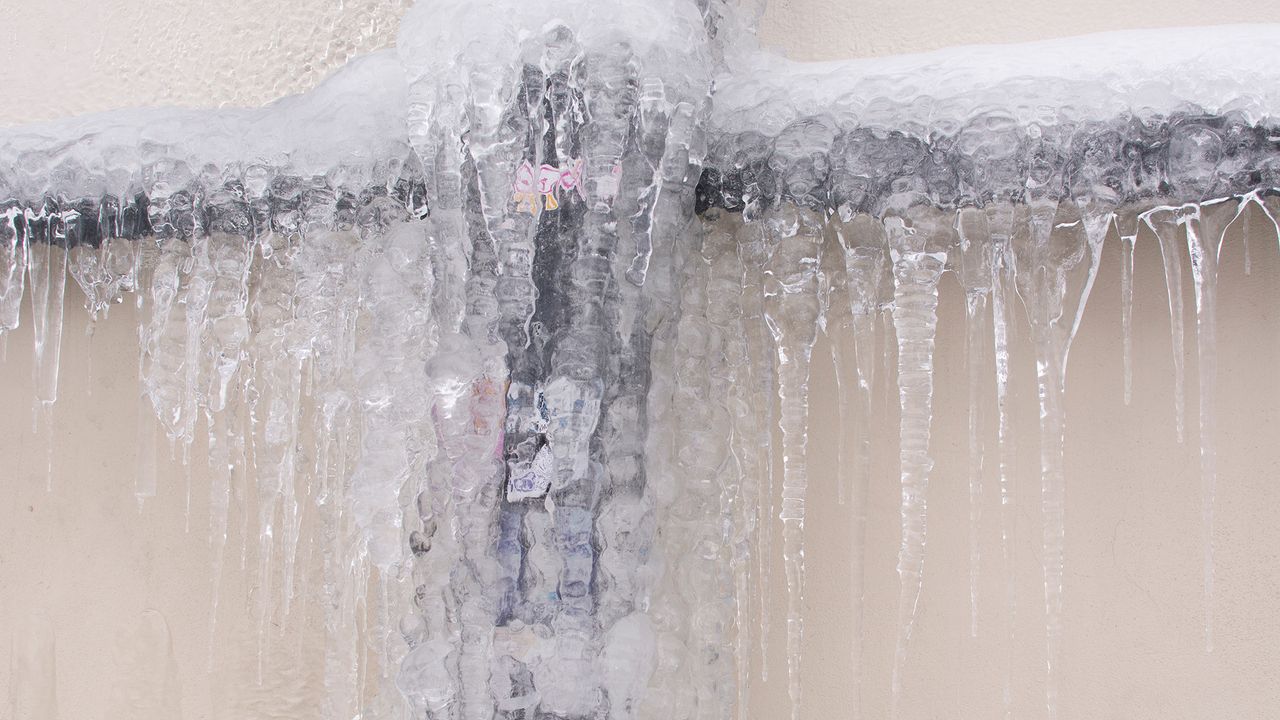
When weather extremes hit hard, and temperatures remain low for a period of time, it’s very likely that your pipes will freeze. You may turn on a faucet to discover that not a single drop of water flows, or even worse, your pipes may burst.
Although there are ways to prevent pipes from freezing, if you do end up with frozen pipes, taking the wrong approach could create an even bigger plumbing issue.
According to DNA Plumbing, using an incorrect method can damage your pipes, weaken joints, or cause a full rupture. And the chaos and expense of a burst pipe is the last thing you need when facing extreme weather conditions.
Here are 5 methods you should never use when thawing frozen pipes.
1. Never use an open flame
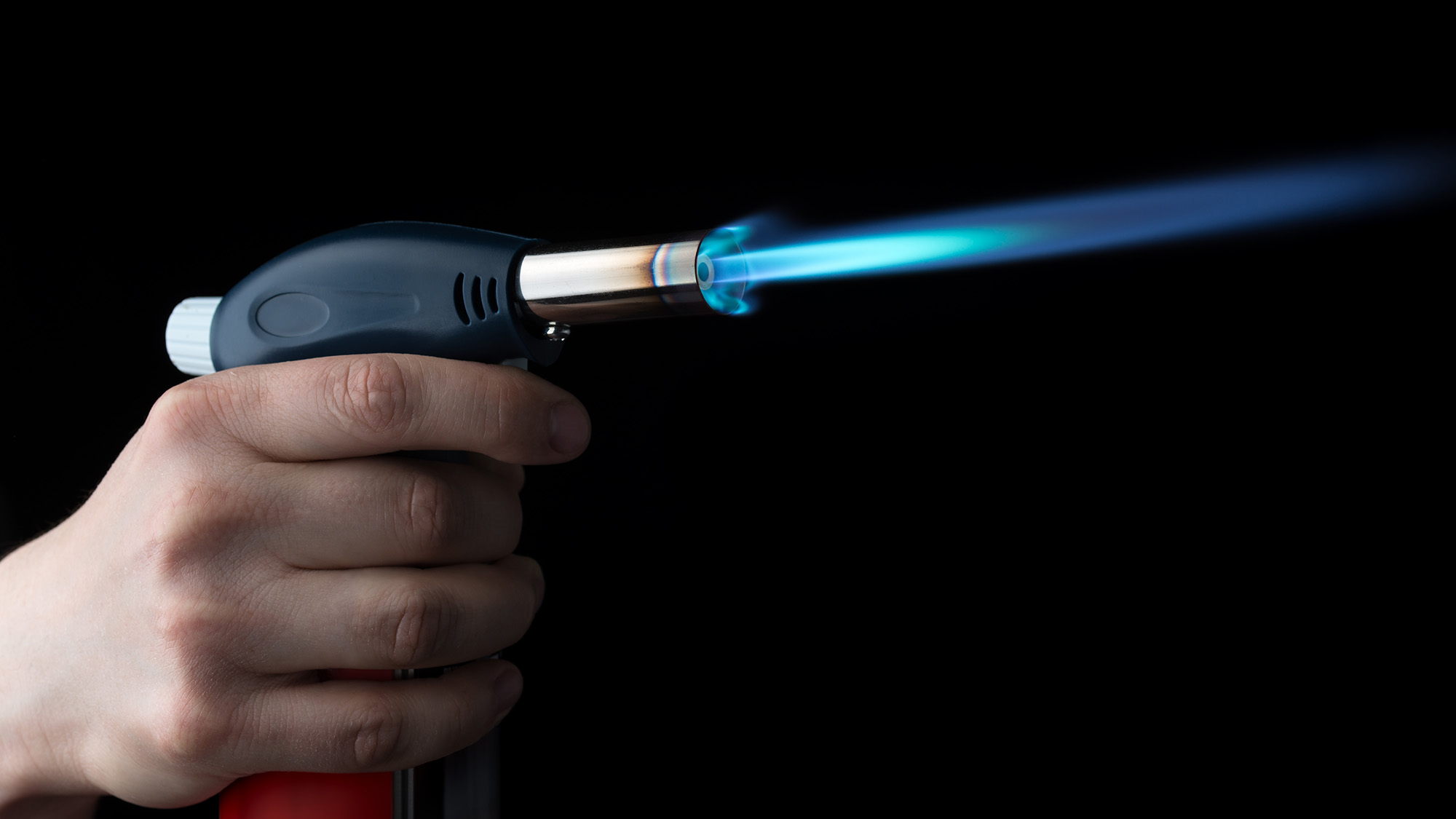
Although you might think using an open flame to thaw a pipe is a quick method to get your water flowing again, it’s a dangerous mistake to make. “Blowtorches, lighters, propane torches, and similar tools can ignite wood framing, insulation, or nearby materials,” states DNA Plumbing.
And with U.S. homes built with combustible materials, there is a real risk of a house fire. What’s more, open flames heat the pipes too quickly, posing the added risk of sudden expansion and cracking.
2. Avoid heating the pipe too quickly
As mentioned above, too much heat, too quickly, can overheat the pipe and cause thermal shock. “As the outside of the pipe warms faster than the frozen water inside, pressure builds, causing cracks,” explains DNA Plumbing.
You might not notice the damage immediately, but leaks can occur as the water thaws. Instead of trying to thaw your frozen pipes quickly, the best approach is to proceed slowly, as it will reduce the risk of cracks becoming worse once the temperature drops again.
3. Don’t close your faucets
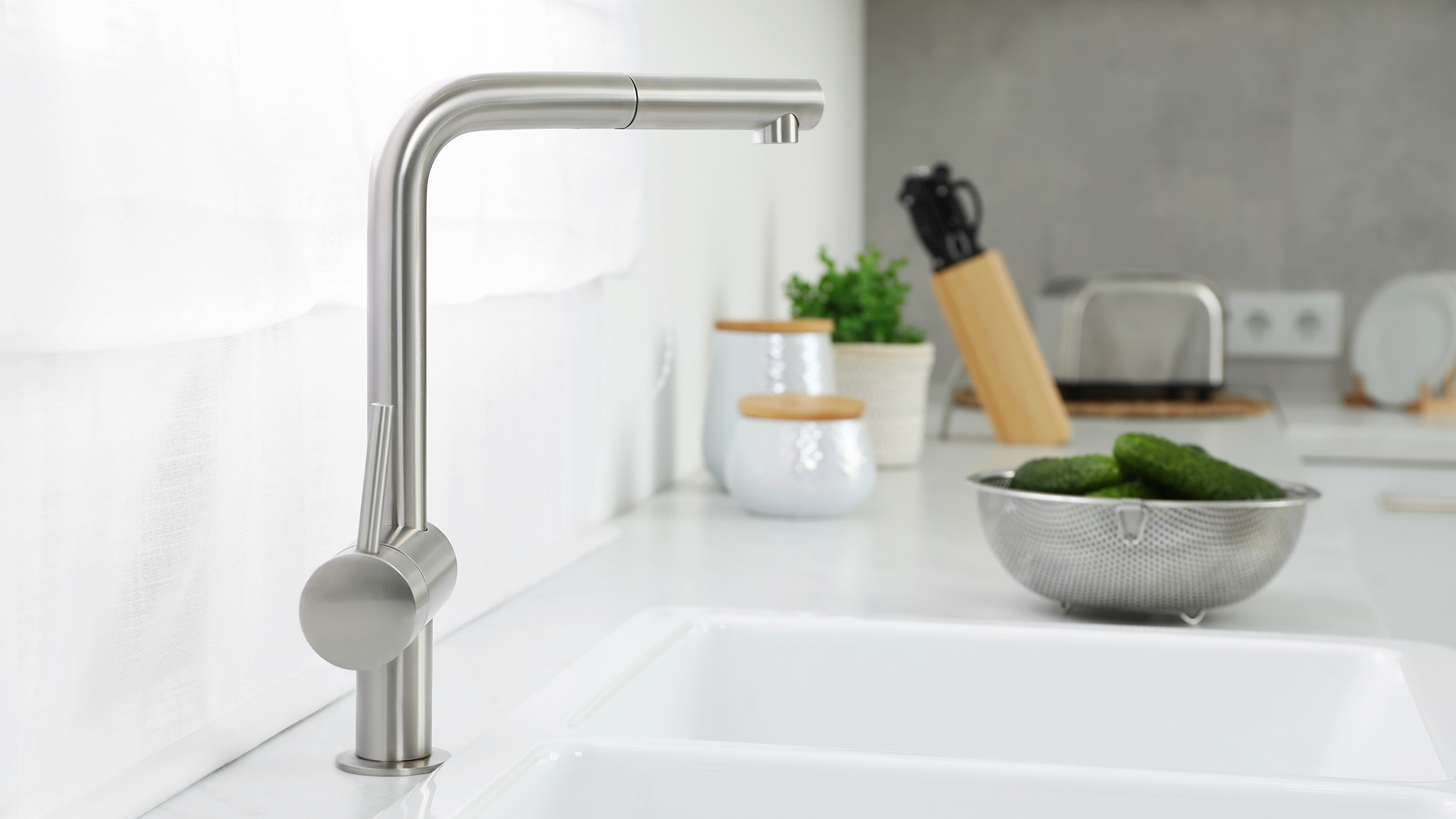
Your natural habit will be to keep your faucets closed to prevent wasting water. However, when your pipes are frozen, this practice turns on its head. Why’s this? Keeping your faucets open helps to relieve built-up pressure once the water begins to thaw and will reduce the risk of cracks.
4. Don’t leave heat sources unattended
Never leave electrical heat sources, such as hairdryers and space heaters unattended when thawing frozen pipes. They pose serious electrical hazards when used near water and can cause shocks or electrical fires. There’s also the added issue of applying too much heat too quickly and creating cracks in the pipes.
You can use the hairdryer hack to defrost frozen pipes, but take it gently and be patient.
5. Don’t ignore the warning signs of pipe damage
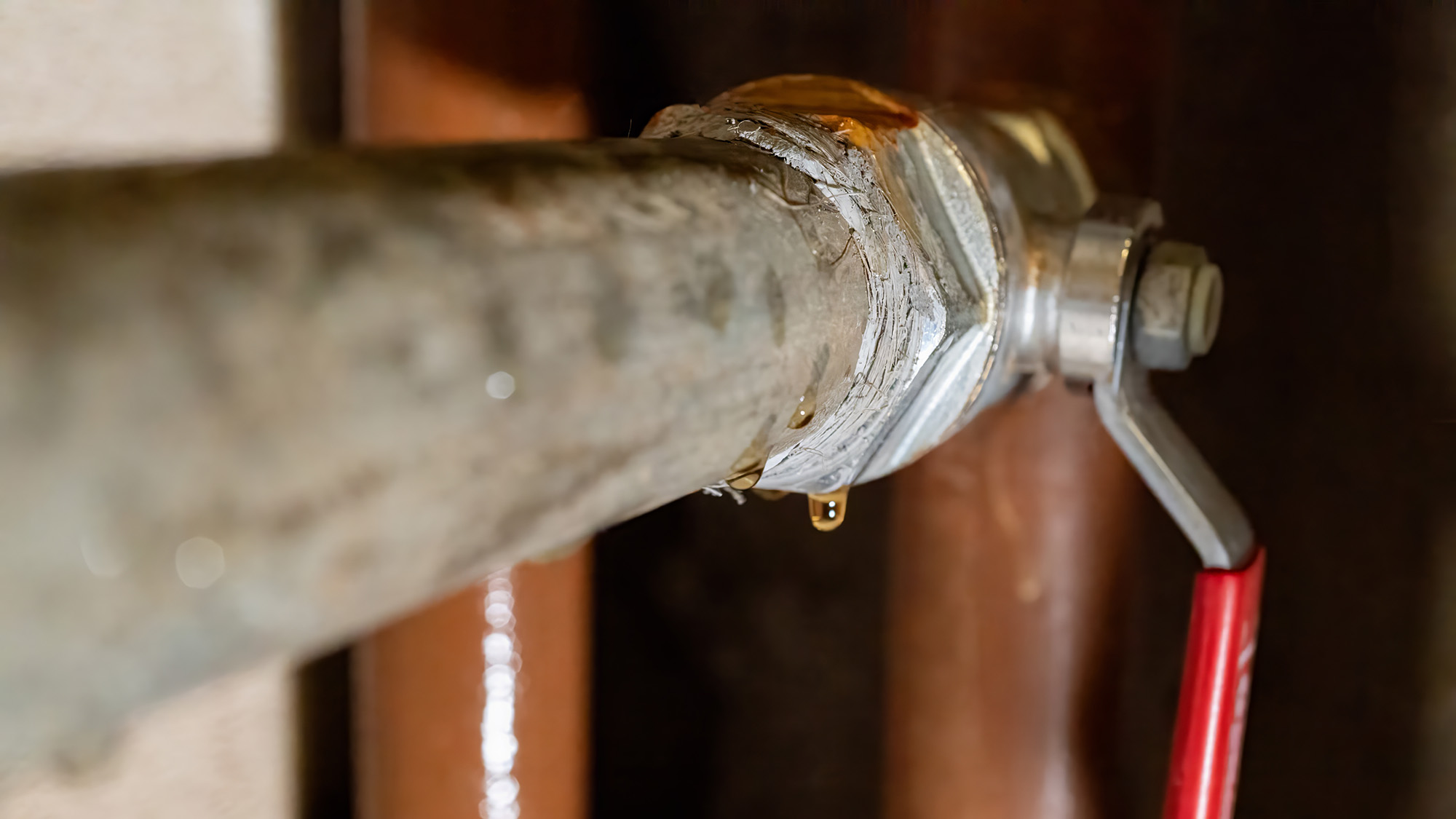
Once your pipes have thawed, whether you left them to defrost in their own time, or you used a method to speed up the thawing process, don’t forget about them.
DNA Plumbing warns that homeowners often overlook signs of pipe damage, even after the water has started flowing again. It recommends checking for bulging sections, frost rings that don’t melt evenly, or unexplained dripping. “A pipe that froze once is likely to freeze again if the underlying issue isn’t fixed,” it explains.
It states that ignoring the warning signs can make future damage more severe.

Follow Tom's Guide on Google News and add us as a preferred source to get our up-to-date news, analysis, and reviews in your feeds.