
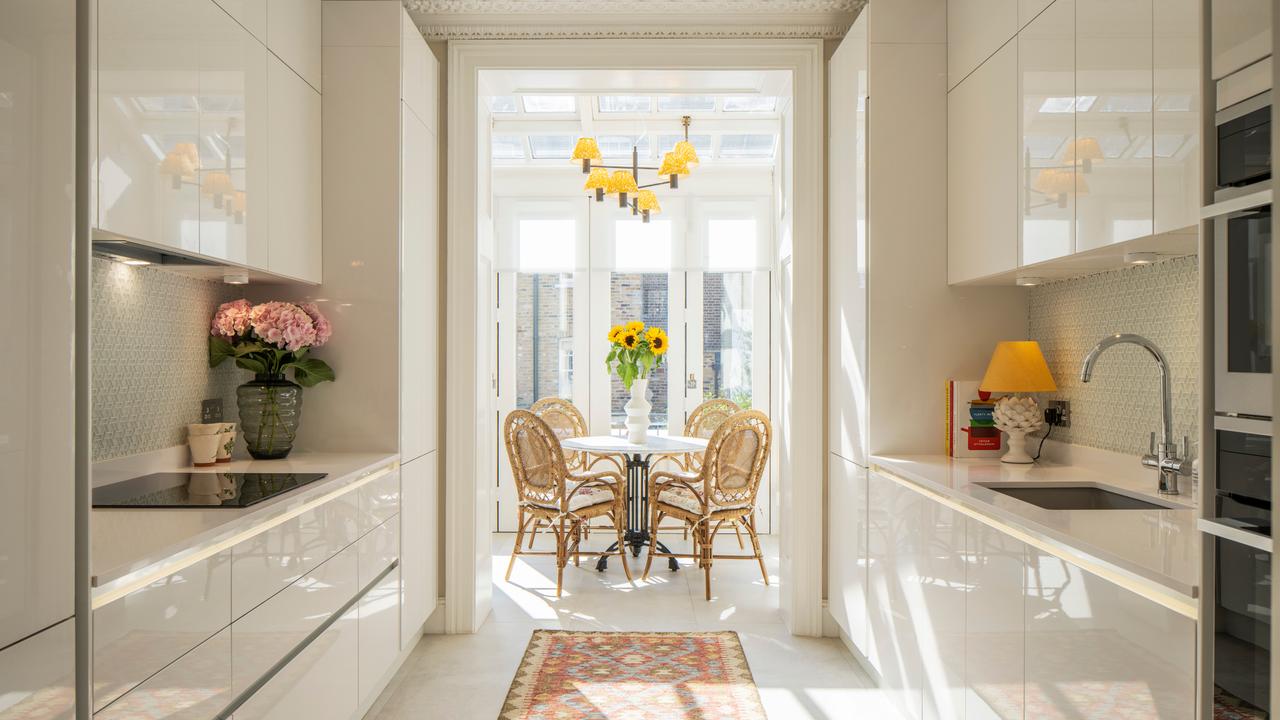
When it comes to compact kitchen spaces, there are plenty of creative ways to make the space function at its best while being as ergonomically pleasing and as efficient as possible. In fact, designing a compact kitchen often calls for greater ingenuity. Every millimeter counts, and each decision, even of the smallest detail, has a noticeable impact on how the room looks and works.
However, there are some rules we often hear bandied about that quite simply aren’t true. Outdated storage advice and rules in the day-to-day functioning of a kitchen, which can end up limiting your options rather than improving them, and we are way past a lot of these old ideas that “should” make our spaces better. In actuality, small kitchens benefit most from flexibility, tailored solutions, and a willingness to think outside the box.
Guidelines are always handy — and often a good place to start in many ways — but depending on the space, these five things are small kitchen myths and need not apply to your kitchen. Read on to find out what you should still consider, and what you can ignore.
Myth 1: Kitchen Islands Are Only for Large Kitchens
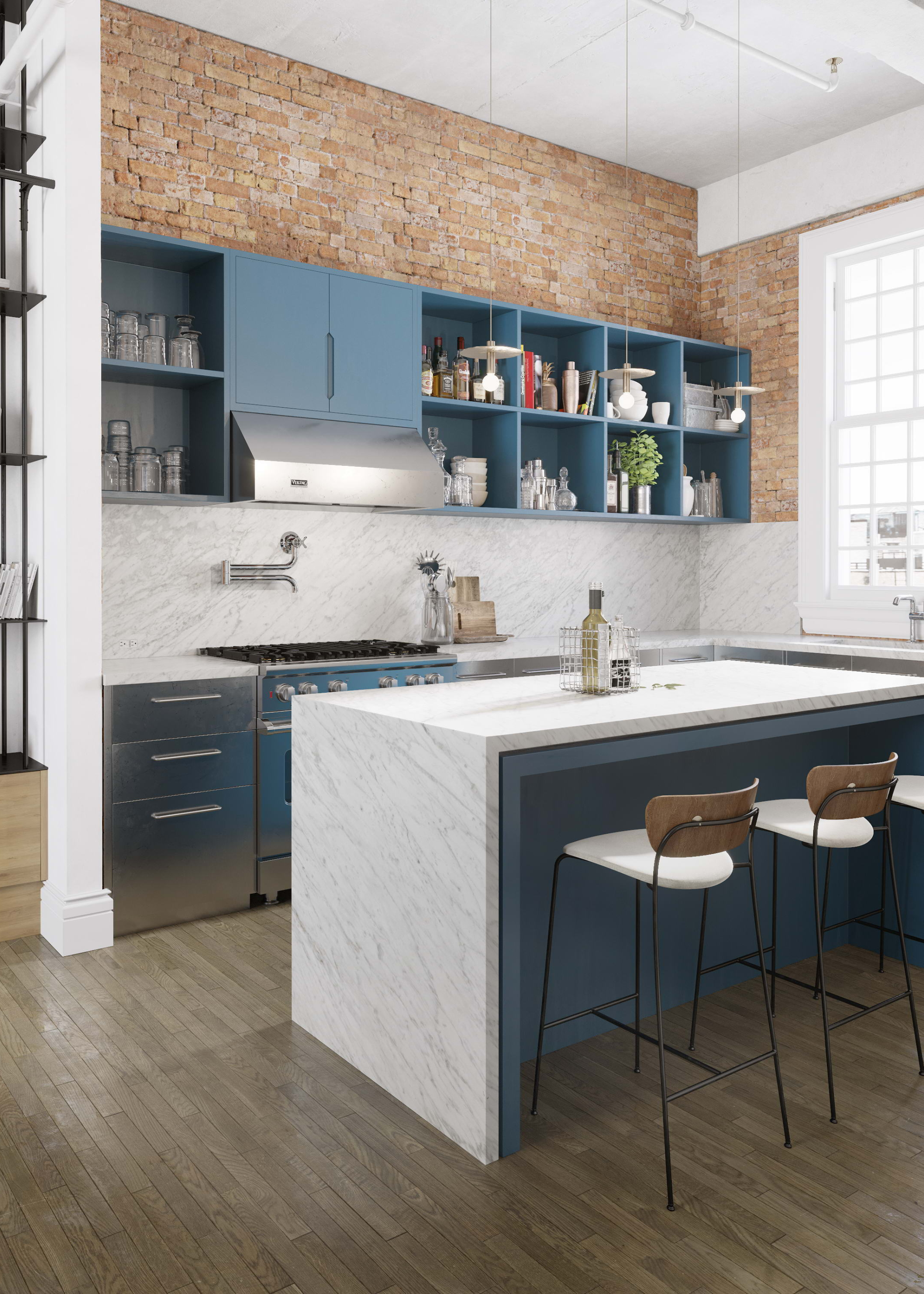
Sound that buzzer — this is just not true. While it’s easy to associate kitchen islands with the larger-than-life open-plan spaces, they are far more adaptable than they're given credit for. In fact, when designed well, an island is just as effective, and can be transformative, in a smaller kitchen.
“Kitchen islands aren't just for large kitchens. With a little creativity, a bespoke island that is small but mighty will allow you to maximize space in the smallest of spaces,” says Al Bruce, founder of Olive & Barr. “Those who are tight on space but dreaming of an island might want to consider a harvest table or baker's tables, as they can easily be positioned around the kitchen to suit the task in hand. Perfect for smaller kitchens, harvest/butcher's tables come with a range of creative storage solutions, such as built-in chopping boards, oak slat shelves, and easy-access drawers, as well as wooden worktops for that extra counter space.”
Fred Horlock, design director at Neptune, agrees that scale, rather than size, is what really matters. “Kitchen islands are an obvious choice for large kitchens, but small kitchens shouldn't be overlooked,” he says. “An island can easily become a casual dining space in place of a dining table, especially if you have a dedicated dining room. If space is very limited, even a large chopping block or antique freestanding island can help complete a space and reduce an empty void in the middle of a mid to small-sized room.” So it’s not about whether your kitchen is big enough for an island; it’s about choosing the right type, size, and placement to suit your space.
Get more bang for your buck with this freestanding solid wood kitchen island from Habitat that gives a great range of additional storage, from cupboard and drawers to shelving — as well as added countertop space.
Myth 2: Follow the Work Triangle
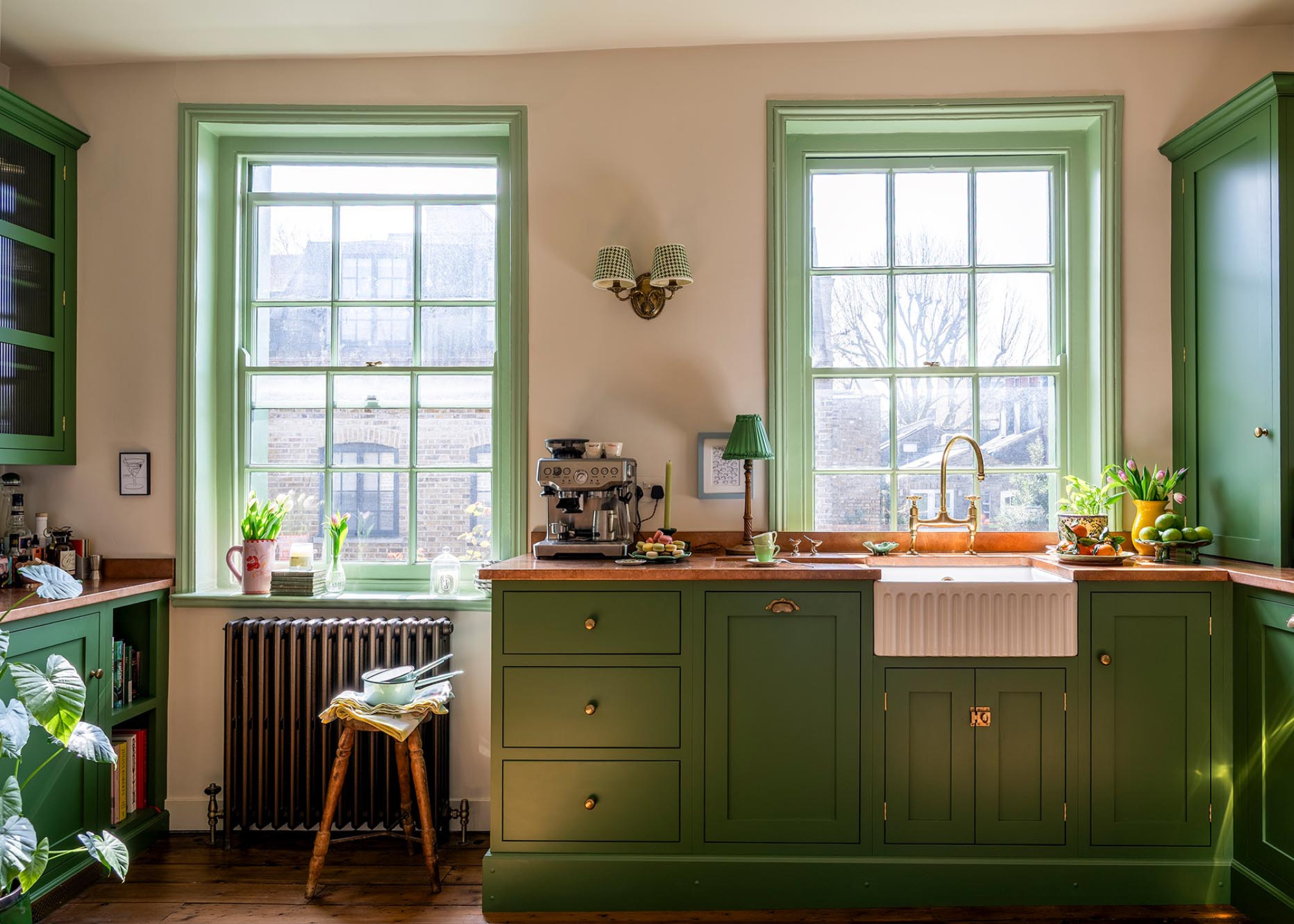
The classic kitchen ‘work triangle’ between the sink, hob, and fridge is often spoken about like it’s a strict rule, maybe even essential, but it’s really more of a guideline from a different era of kitchen design.
“In smaller kitchens especially, it’s usually more about proximity than geometry,” says Louise McGarry, creative director of Studio Braw. “Everything being within easy reach tends to matter far more than forming a perfect triangle. Galley kitchens or single-wall kitchens might technically break the rule entirely, but they can still work brilliantly because the space is so efficient. These days, we tend to think more in terms of kitchen zones — prep, cooking, cleaning, and storage — and making sure everything you need is close at hand. In a compact kitchen, good flow and smart placement will always win over sticking rigidly to an old rule.”
Richard Misso, creative director of The Stylesmiths, agrees that while the triangle still has its place, it’s no longer the defining principle. “The fridge–sink–cooktop triangle is fine as a basic idea, but modern kitchens aren’t one-person, one-task rooms anymore,” he says. Instead, he also suggests focusing on clearly defined work zones, alongside unobstructed traffic paths. This is particularly important in smaller layouts where multiple people may be moving through the space at once.
In a small kitchen, usability will always trump theory, and prioritizing how the space actually feels to move around and use will result in a layout that works much harder (and much more naturally) than any perfectly measured triangle would.
A single stool makes the perfect perch beside a window.
Myth 3: Symmetry Is Key
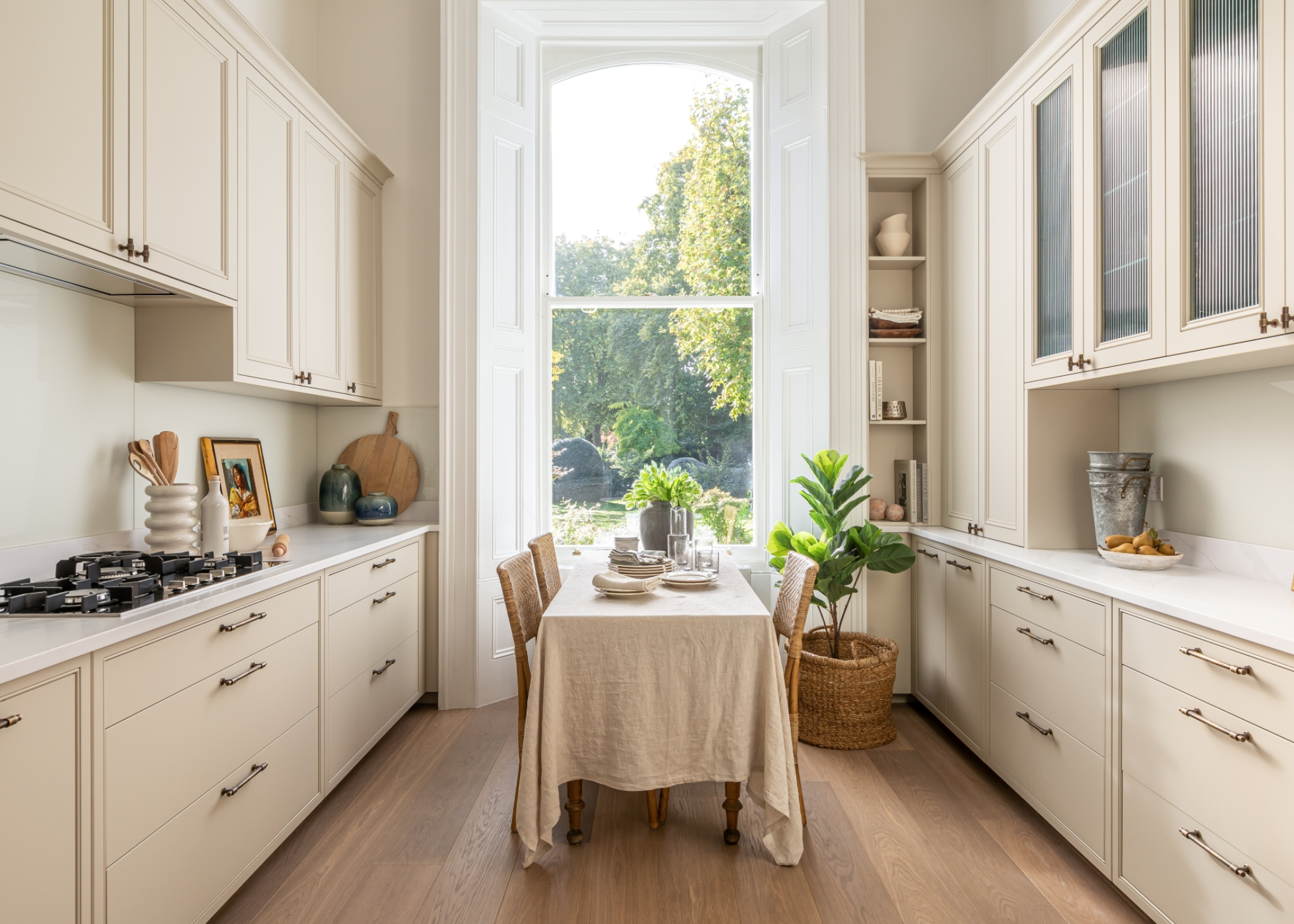
Sometimes, people assume that symmetry in kitchens is the secret to a well-designed space, but be warned, in smaller kitchens, it can end up doing more harm than good. While perfectly balanced layouts may look rather pleasing on paper, in reality, they feel rigid and just aren’t very practical.
“Symmetry looks lovely on paper, but in smaller kitchens it isn’t always the most practical approach,” says Louise. “If you force everything to be perfectly balanced, you can end up compromising storage or squeezing appliances into awkward spaces. We tend to think more about visual balance rather than strict symmetry.
"That might mean mixing cabinet widths, offsetting shelving, or combining open and closed storage so the room still feels harmonious without being overly rigid,” she says. In compact spaces, especially, functionality should always come first, and a slightly asymmetrical kitchen layout often allows you to make much better use of the space, plus it can actually feel more relaxed and interesting, too.
“Symmetry is less of a driver in smaller spaces, as you tend not to have the viewpoints to appreciate it," adds Fred. "Instead, focus on any available architecture and build the kitchen around these. A sink centered on a kitchen window, for example, makes the space feel considered and maximizes light into the space."
Make the most of artisanal pieces and antiques for added interest in your space.
Myth 4: Everything Has to Be Fully Fitted
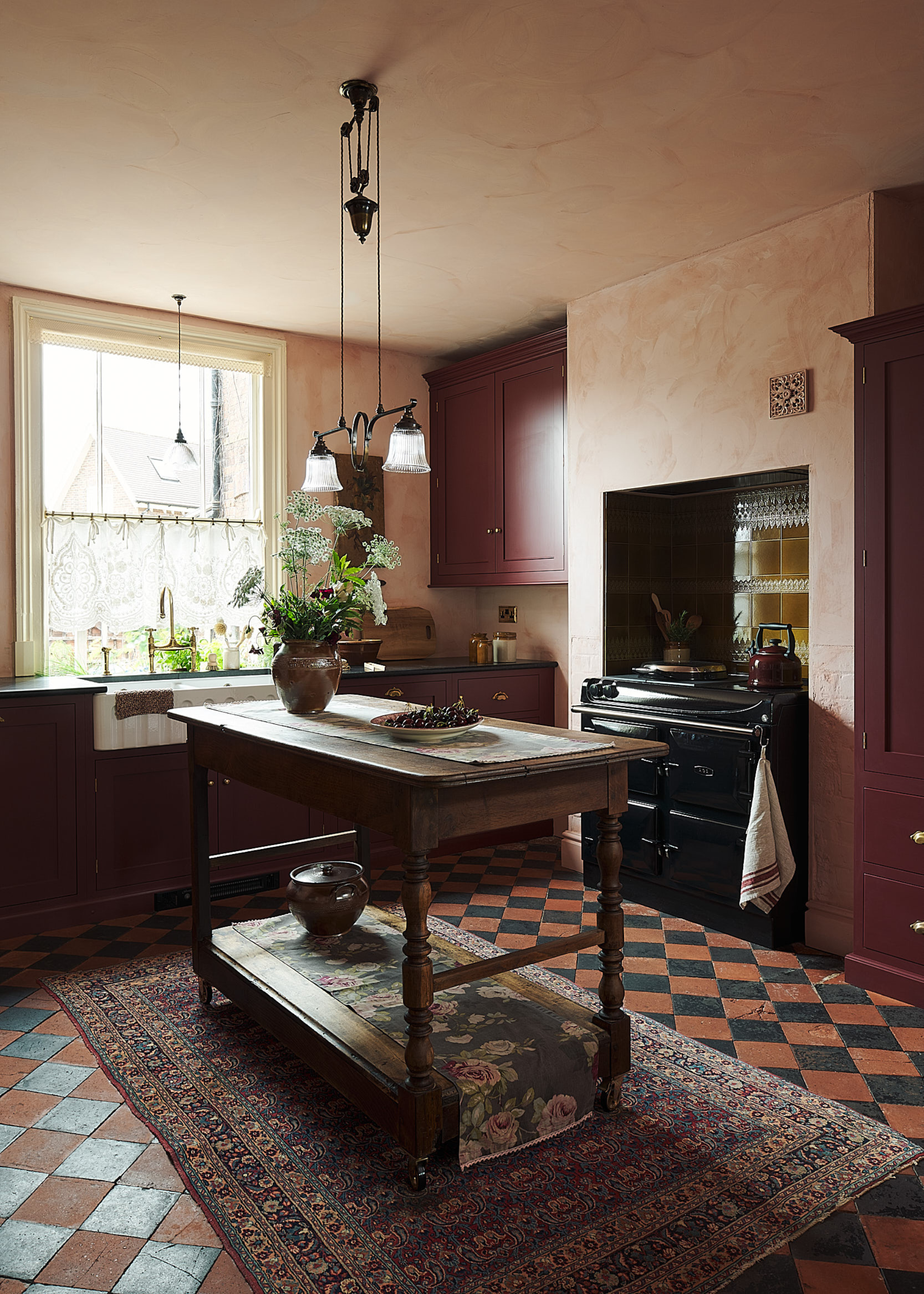
There is a long-standing belief that a “proper” kitchen should be entirely fitted — I’m talking seamless cabinetry, uniform finishes, and everything built in. However, this absolutely does not need to be the case.
“Increasingly, we’re moving away from the completely fitted and uniform feel and leaning into kitchens that feel a bit more like furnished rooms,” says Louise. “Introducing pieces that feel more like furniture — whether that’s a freestanding dresser, a prep table, or even an antique element — can bring warmth and character. A slightly imperfect or collected look often makes a kitchen feel much more inviting and personal.”
I think that this is the way forward — with a nod to the past, ample character, and individuality, this concept emanates honest beauty and material. Breaking away from wall-to-wall cabinetry can allow the room to breathe. From freestanding butcher’s blocks to vintage tables, these one-offs offer added prep space, storage, and break up the lines of solid kitchen units — proving that a kitchen doesn’t need to be fully fitted to be functional.
Treating the kitchen as a lived-in space with a mixture of freestanding and fitted pieces will totally relax the atmosphere.
The minimalist design of Next's Malvern Kitchen Larder Unit is sleek and modern, offering ample additional storage and versatility.
Myth 5: High-Gloss Cabinets Are Best Because They Reflect Light
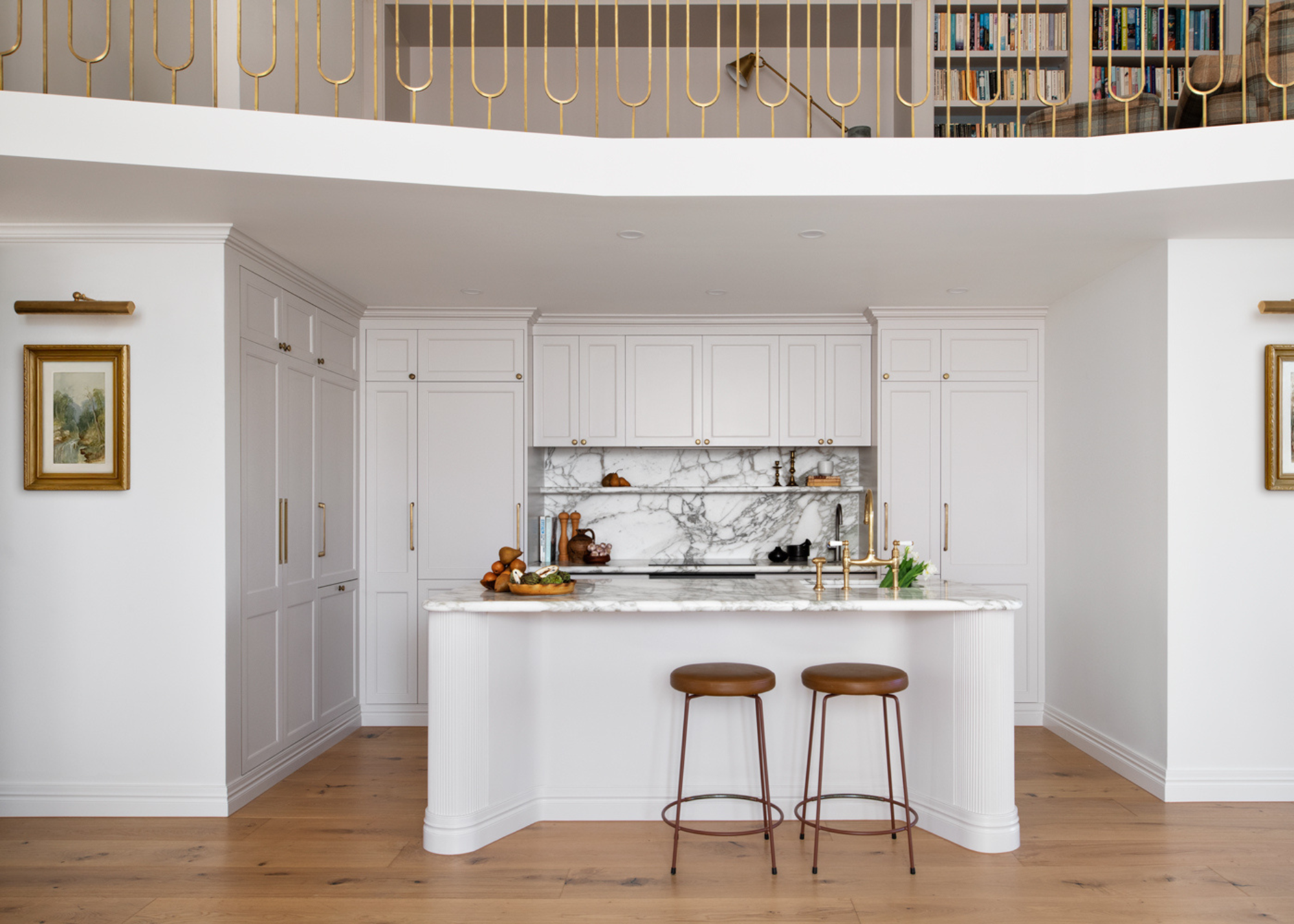
Some say to maximize light in a small kitchen, high-gloss cabinetry is the best way forward — in terms of the more light that’s bounced around, the larger the space will feel. And while there may be some truth in their reflective qualities, it is not the only solution, nor the best solution.
High-gloss finishes can be a bit of a double-edged sword. They may allow the light to bounce around the space, but as Richard, from The Stylesmiths, points out, “They show every fingerprint, scratch, and ripple, especially in dark colors.” In a hardworking kitchen, that can quickly become frustrating, particularly in smaller rooms where surfaces are constantly used and on show.
Instead, many designers favor softer finishes that diffuse the light subtly and evenly across the space. It’s much more forgiving on the eye, easy to clean, and less likely to age quickly. Consider the artificial lighting you plan to use with this in mind and curate a balanced level of brightness as well as ambience.
Opting for pendants like this will keep the headspace light and open.
Designing a small kitchen isn’t about following a set of rigid rules, or even about making it as light and bright, no matter what. So many of these long-standing “musts” were created for a completely different way of living, and as our homes have evolved over time, our approach to designing them should evolve, too.
When we let go of outdated ideas that no longer serve us, we open our minds to the opportunity of curating our very own place to gather and enjoy in a way that is genuinely the most user-friendly for whoever lives there and whoever visits.
Speaking of myths, these are the kitchen color myths I've never bought into, either, which could also be holding back the design potential of your space. And for more design ideas for your kitchen and beyond, sign up for the Livingetc newsletter, and all of the latest will be delivered directly to your inbox.