
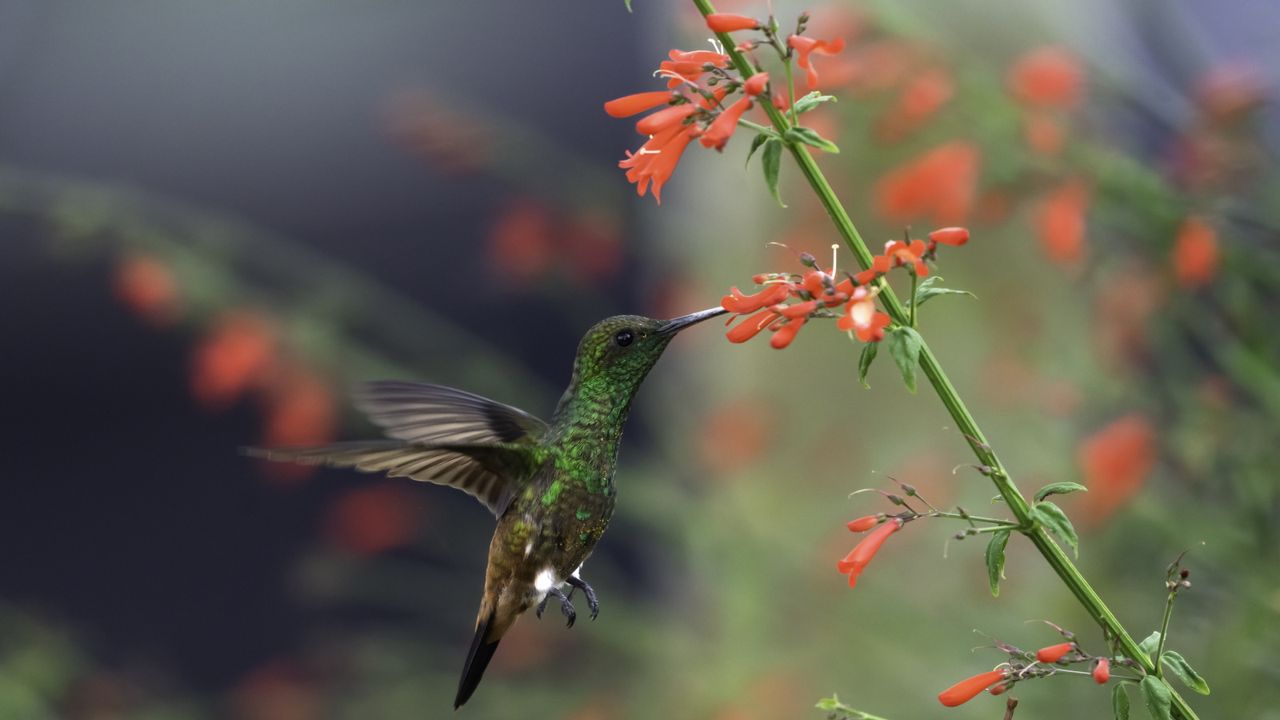
As gardens hit their lush, midsummer stride and borders brim with bloom, there’s no greater thrill than the sudden whirr of a hummingbird darting through dappled shade. These jewel-like visitors may be fleeting, but the right flowering shrubs can turn a cool, sheltered corner into a reliable nectar stop.
While sun-loving blooms often steal the spotlight, there are plenty of shade-tolerant shrubs that offer the rich, tubular flowers hummingbirds depend on – even in the quieter, leafier parts of the yard.
Hummingbirds require nectar. The energy it provides is essential for their intense metabolic demands. They rapidly beat their wings at about 40–80 beats per second as they flit from one flower source to another (or whilst they are at a feeder, just like this beautiful glass one from Amazon). With that in mind, choosing the right plants can make all the difference – and below, you’ll find five expert-approved shrubs that will keep them coming back.
1. Impatiens
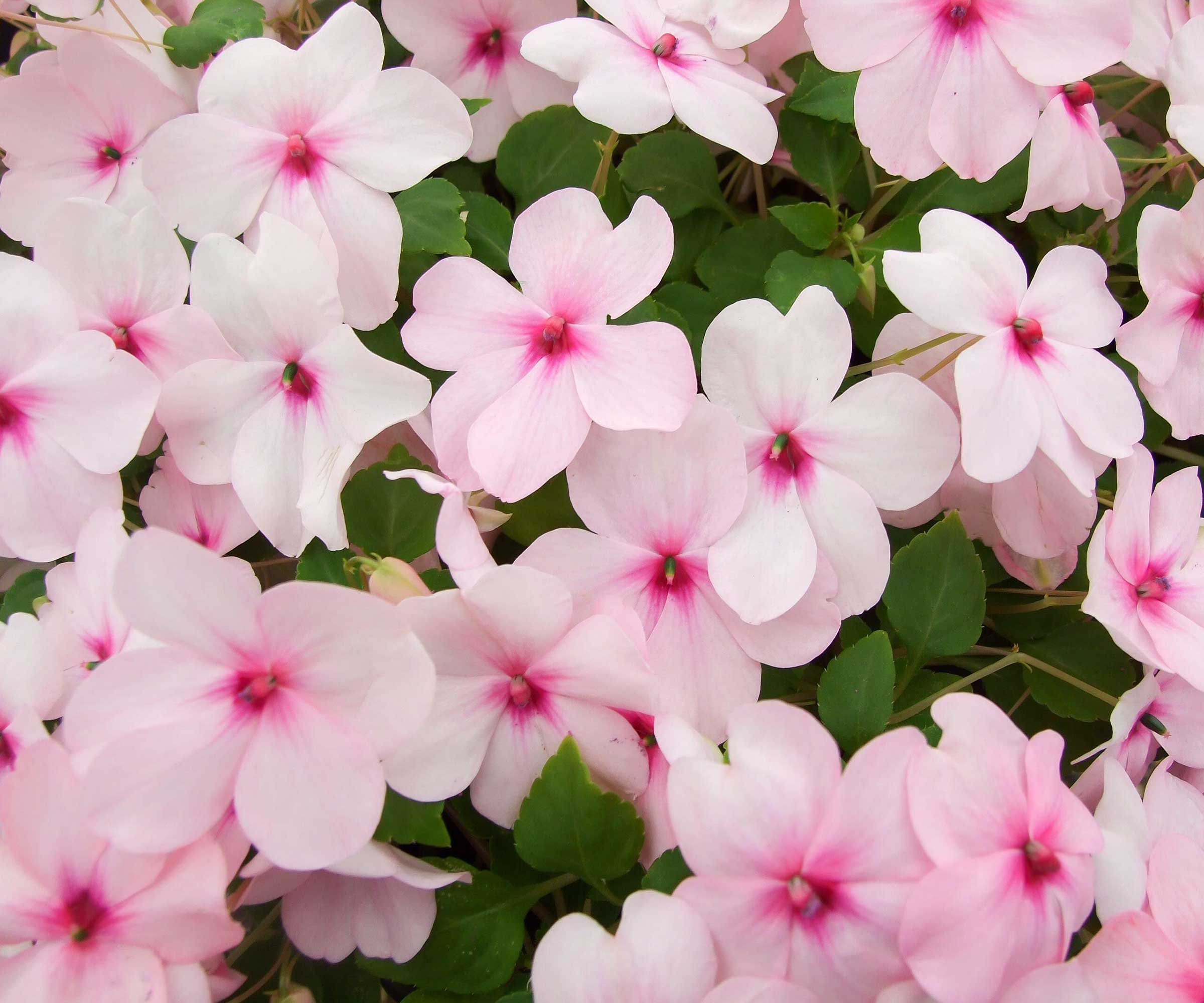
Ben Team, editor-in-chief of FootstepsInTheForest.com, recommends impatiens – especially Impatiens walleriana – for attracting hummingbirds in shaded spaces.
‘Available in an array of colors, these flowers grow as perennials in the southern portions of the U.S., but they’re typically treated as annuals in cooler climates,’ he says.
Hardy in USDA Zones 10–11, impatiens are best planted out in late spring once the risk of frost has passed, quickly bulking up into neat, floriferous mounds.
By midsummer, when many shade borders can begin to feel a little flat, impatiens come into their own – producing a steady stream of nectar-rich blooms in pinks, purples, reds and whites that hummingbirds will repeatedly return to.
Their shallow, open flowers make feeding easy, particularly in sheltered corners where birds feel safe lingering a little longer. They don't love windy yards, so it's worth bearing in mind that there are shrubs and plants that will make hummingbirds feel safe.
They make vibrant bedding plants and are among the best container choices for shade, ideal for brightening patios, porches, and north-facing window boxes. For a long season of color, keep plants well-watered and deadhead lightly to encourage continuous flowering right through to the first fall chills.
Try the 'Candy Box' impatiens mix, available from Burpee, for a painterly blend of pink and purple tones.
2. Cardinal Flower
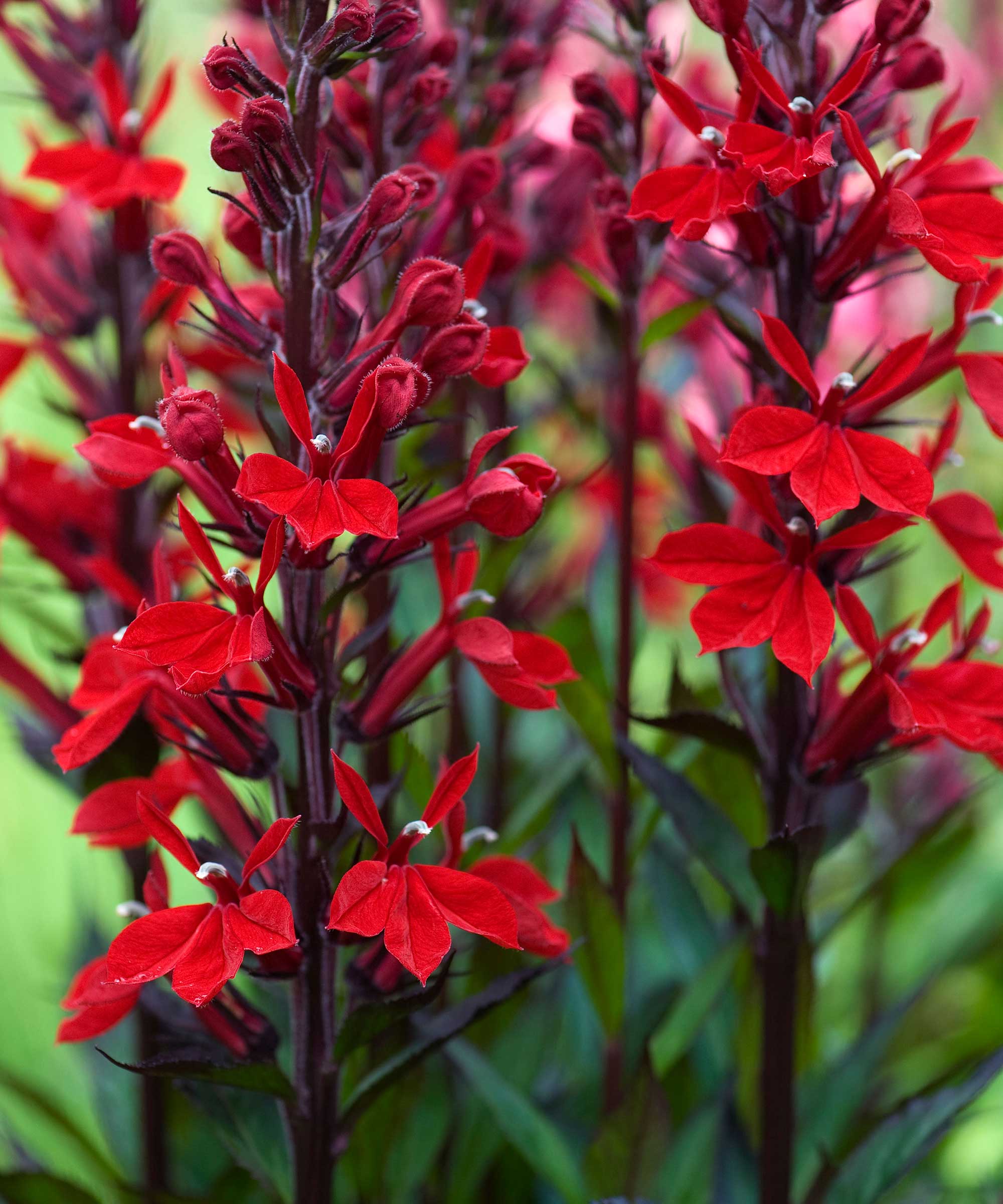
Taylor Kennedy Frenchi, a conservation biologist at Texan by Nature, says, 'One plant that is well-loved by hummingbirds is the cardinal flower (Lobelia cardinalis), which has elongated, tube-like blossoms that are vibrant red.
'This native bellflower grows well in shady conditions and blossoms from summer to fall,' she says, adding that it requires moist conditions.
You can buy cardinal flower seeds from Amazon. It's a wonderful plant for attracting butterflies, too.
Shop Hummingbird Feeders
This beautiful glass feeder has a vintage-style design and looks beautiful hanging from a hook or tree branch. Visiting birds can access the nectar via flower-shaped feeding ports.
For a solar hummingbird feeder camera to watch these ethereal birds feeding in your yard, you won't find better value than this model.
This beautiful blown glass feeder would make a striking addition to any backyard.
3. Bleeding Heart
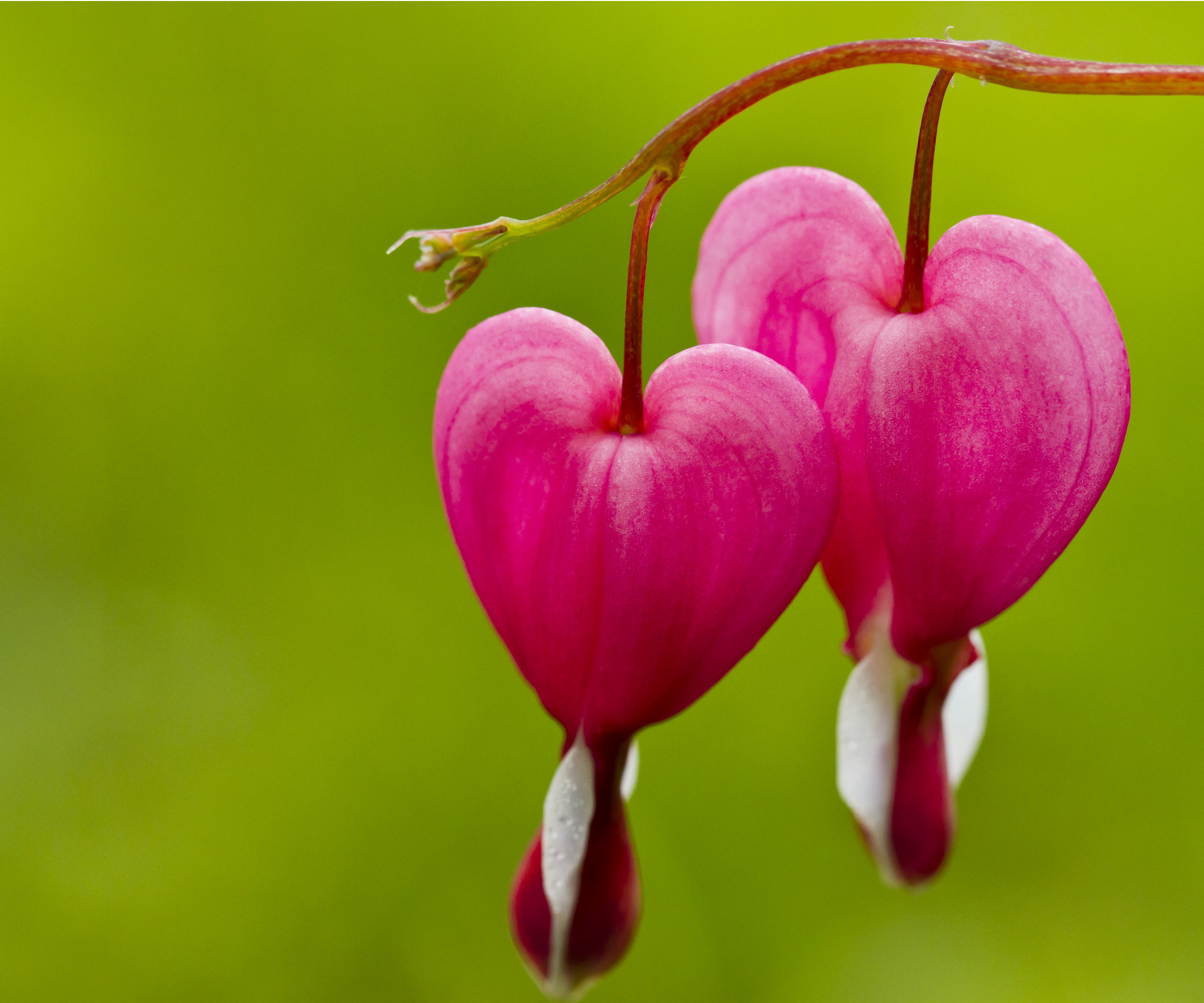
Wildlife expert Tommy Wylde recommends Dicentra spectabilis for shady gardens looking to charm hummingbirds.
‘This plant has heart-shaped, pink-to-red flowers that dangle enticingly from a stem,’ he says. ‘The color and shape of the flowers make them perfect for attracting hummingbirds, especially in late spring when these shade-loving blooms are at their peak.’
Bleeding hearts thrive in part to full shade and prefer consistently moist, well-drained soil. A top dressing of compost in early spring encourages strong growth and prolongs flowering, while mulch can help keep roots cool as temperatures rise.
Hardy in USDA Zones 3–9, they perform beautifully in woodland borders, shady beds, or tucked alongside ferns and hostas. You can shop for bleeding heart plants at Amazon.
4. Coral Honeysuckle
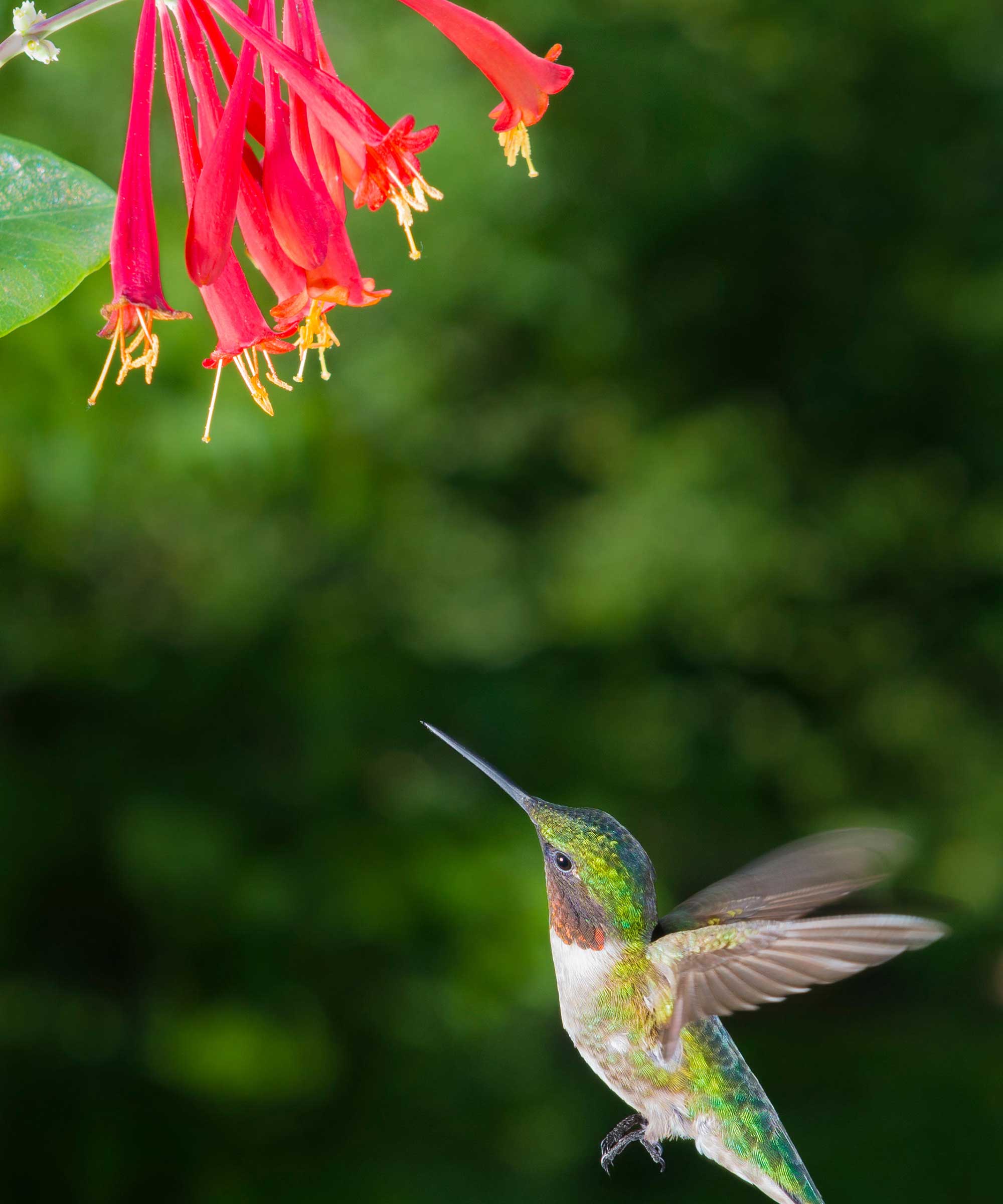
You could also plant coral honeysuckle (Lonicera sempervirens) – a suggestion from Christina. Although this climbing plant may bloom best with full sun, it can also grow in filtered light, she says.
'With evergreen leaves, this vine produces bright, red tubular flowers in the shape of a trumpet’s horn, providing a perfect fit for a hummingbird’s long bill to retrieve sweet nectar.
'This vine can be pruned and trained to follow a trellis or tree as it grows up, or can be planted as a ground cover,' she continues. It can tolerate most types of soils, apart from dry sandy ones, she adds.
You can find coral honeysuckle plants from Burpee.
5. Foxglove
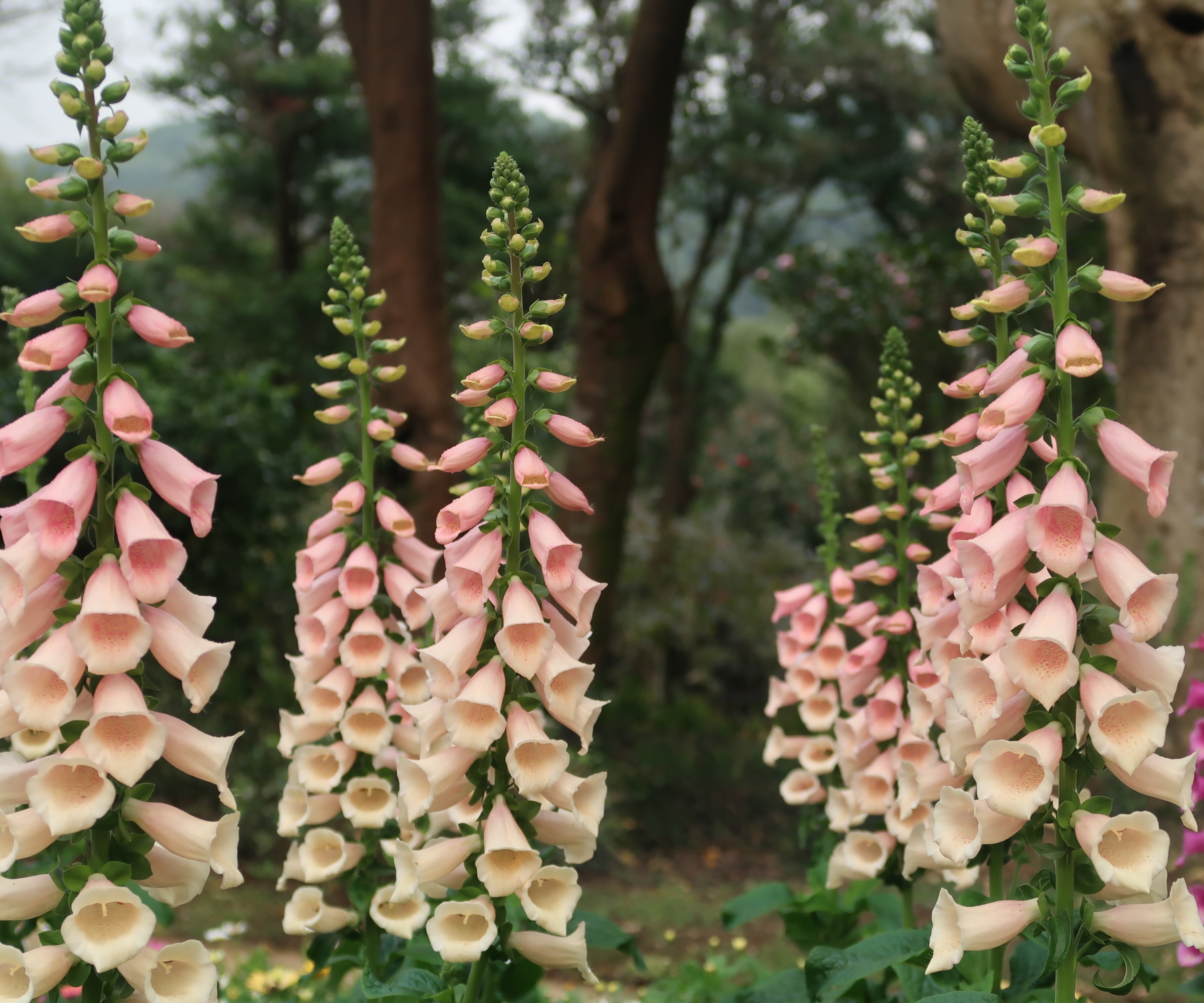
Foxgloves are another suggestion from Tommy Wylde, who calls them a ‘hummingbird magnet.’
Digitalis produce tall spikes of tubular flowers in shades of pink, purple, and white, perfectly shaped for hummingbirds to hover and sip nectar with ease. Their vertical blooms are especially attractive because birds can feed while remaining partly hidden from predators, making shady borders or woodland edges ideal planting spots.
You can find the most beautiful 'Artic Fox' lemon cream foxglove from Fast Growing Trees.
Foxgloves thrive in partial shade and need well-drained soil, Tommy notes. ‘The plants need to be watered during dry spells, and add a layer of mulch to keep the roots cool.’
Hardy in USDA Zones 4–10, foxgloves are typically grown as biennials, forming rosettes in the first year and sending up striking flowering spikes in the second.
If you're looking for more ways to attract these winged wonders, consider planting native spring flowers to attract hummingbirds, or learning how to make hummingbird food – it's easy with our guide.
If you love inspiring garden ideas, outdoor advice, and the latest news, why not sign up for our newsletter and get the latest features delivered straight to your inbox?