
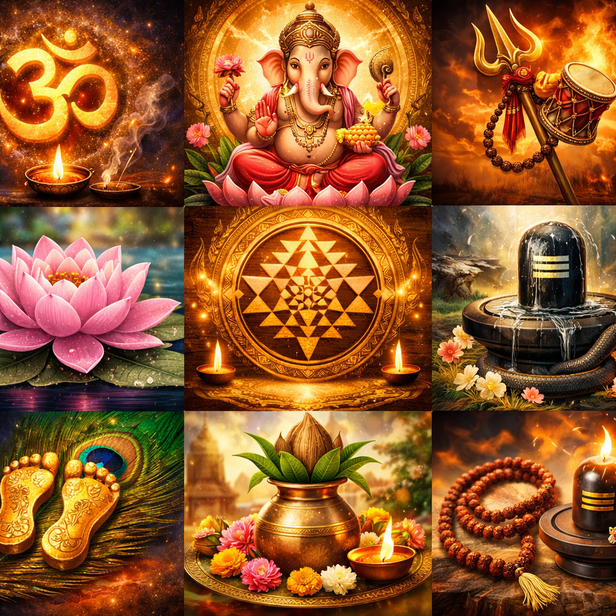
Hinduism is full of symbols with ancient wisdom and profound spiritual meanings. These holy symbols are more than just ornamental pieces; they are potent symbols of inner awakening, life's cycles, and divine energy. Each sign, which may be found in temples, rituals, and everyday activities, shows a tale about consciousness and life. By comprehending these symbols, we can get a deeper spiritual connection and discover the hidden meanings of long standing customs.
Om
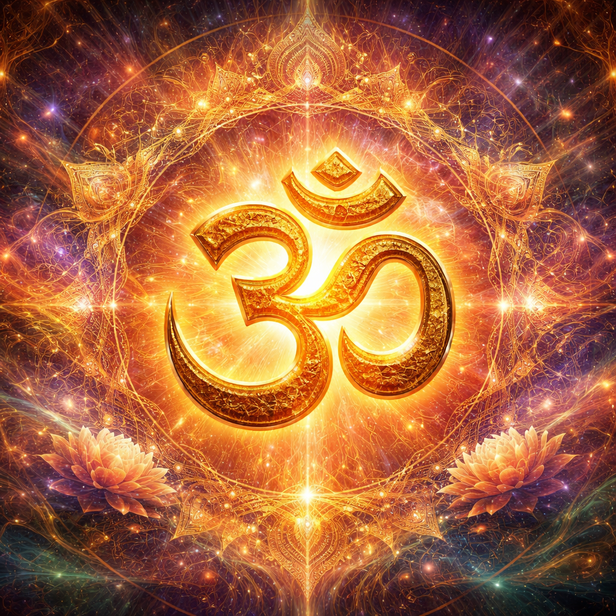
In Hindu philosophy, the symbol of Om is regarded as the source of all creation. It stands for the sound that unites all living things and vibrates throughout the cosmos. Om chanting is thought to promote spiritual alignment, serenity, and clarity. It reminds followers that everything in the world is united by a single divine force and represents the unity of mind, body, and soul.
Swastika
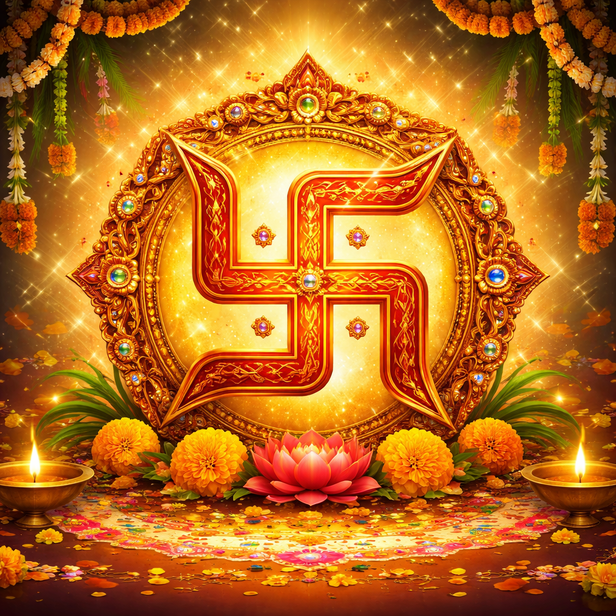
One of the most respected and ancient symbols in Hinduism is the Swastika. It stands for wealth, good fortune, and excellent energy. It is thought to bring supernatural benefits into homes and lives and is frequently drawn during festivals and rituals. In contrast to its misconception in contemporary history, the Swastika originally represented harmony, balance, and the unceasing flow of life.
Trishul
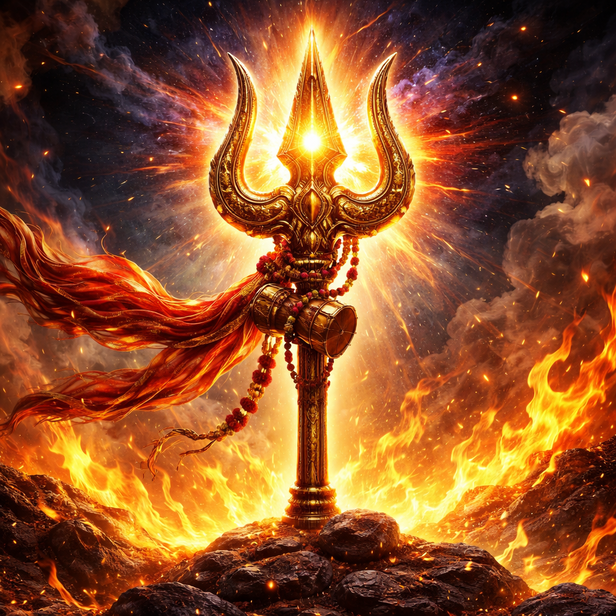
The universe's balance is symbolized by the Trishul, who is closely linked to Lord Shiva. Its three prongs represent the past, present, and future as well as creation, preservation, and destruction. In a spiritual sense, it represents overcoming ignorance, attachment, and ego. The Trishul reminds followers that attaining inner serenity and spiritual development requires striking a balance between thoughts and deeds.
Lotus
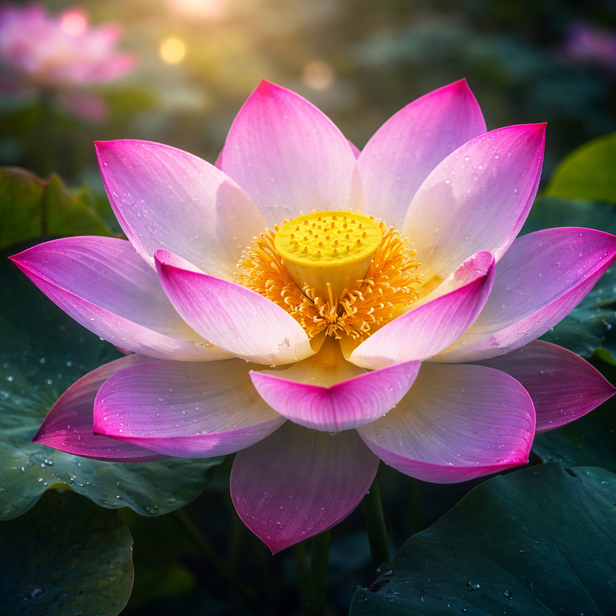
In Hinduism, the lotus is a powerful symbol of enlightenment and purity. It grows in muddy waters, but its surroundings have no effect on how wonderfully it blooms. This symbolizes the capacity to overcome hardship and obstacles in life. Numerous gods are shown sitting on lotuses, which stand for both spiritual awakening and celestial beauty. It emphasizes that inner power and clarity are the sources of true growth.
Tilak
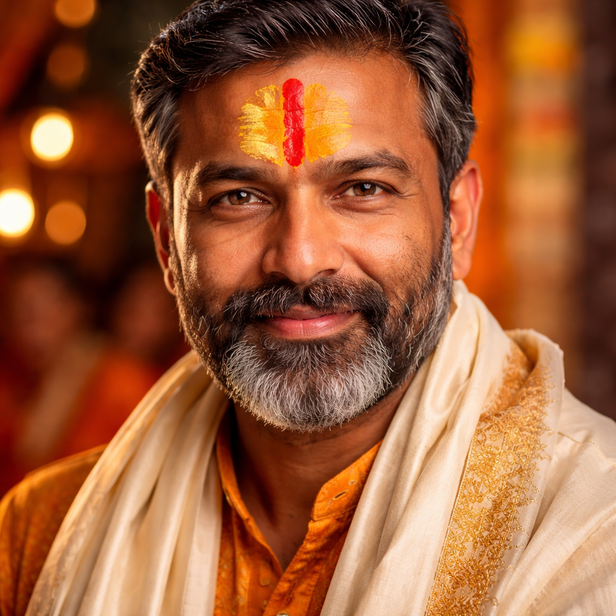
During ceremonies and prayers, a sacred mark called the Tilak is placed on the forehead. It is frequently connected to the third eye and symbolizes spiritual concentration and the awakening of inner consciousness. While each tilak represent different customs and beliefs, they all serve the same function of establishing a connection between the human and holy energy. Wearing a tilak serves as a daily reminder to maintain discipline, mindfulness, and spiritual awareness.
These holy symbols are more than just outdated indicators; they are keys to knowing the most profound realities of life. Every one of them conveys a message of purity, harmony, and divine connection. How much of the symbols' wisdom we actually take in and use in our daily lives is the true mystery, not the symbols themselves.
Explore the latest trends and tips in Health & Fitness, Spiritual, Travel, Life Hacks, Trending, Fashion & Beauty, and Relationships at Times Life!