
There are some journeys people plan, and then there are some journeys people feel chosen for. Anyone who has spoken to a true pilgrim knows this feeling. They will tell you that certain sacred places are not reached by convenience alone. Tickets can be booked, routes can be mapped, hotels can be reserved, and still, the journey may not happen. Then one day, without force, without struggle, everything opens. Time clears. Obstacles move. The road calls. This is why devotees often say, “You do not just visit. You get called.”
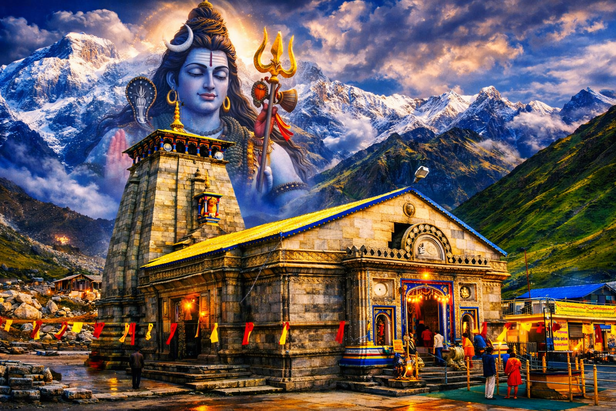
Kedarnath
Kedarnath is not just a temple in the mountains. It is a reminder that some truths cannot be accessed casually. The climb is difficult, the weather uncertain, and the journey humbles even the strongest.
For many devotees, Kedarnath represents the kind of grace that comes only when a person is inwardly ready. In life too, this is true. Not every meaningful experience comes when we want it. Some doors open only when ego softens, patience grows, and the heart becomes quiet enough to receive.
Vaishno Devi
People often go to Vaishno Devi when life feels heavy, uncertain, or emotionally crowded. The climb becomes more than physical. It turns into a conversation between tiredness and faith.
That is why this place lingers in people’s memory. It speaks to a universal human condition: the need to keep walking even when the answer is not yet visible. Devotees feel called here not only by the Goddess, but by the part of themselves that still believes endurance can become prayer.
Kashi
Varanasi is not comforting in a simple way. It is sacred because it refuses to hide reality. Here, devotion, death, ritual, noise, surrender, and eternity exist side by side.
Many believe Kashi calls a person when they are ready to stop living on the surface. This is what makes it powerful. It forces a deeper question: what are you really holding on to? In a world built on distraction, Kashi reminds people that spiritual maturity begins when one stops running from impermanence.
Tirupati
At Tirupati, devotees often wait for hours, sometimes much longer, for just a brief darshan. Yet they leave fulfilled. Why? Because the journey quietly teaches something modern life keeps making us forget: not everything valuable can be rushed.
Tirupati feels like a call because it invites surrender, not control. And surrender is misunderstood. It is not defeat. It is the wisdom to know that effort matters, but grace still has the final word. Many devotees return feeling lighter, as if they were reminded that devotion is not about demanding outcomes, but about trusting what is larger than one’s plans.
Vrindavan
Vrindavan is not only a place of temples. It is a place of emotional memory. Devotees say one does not simply decide to go there. One is drawn, often by longing that cannot be explained logically.
This is why Vrindavan feels different. It speaks to love, absence, sweetness, and surrender. It reminds people that not all spiritual experiences come through discipline alone. Some come through tenderness. Some through heartbreak. Some through the sudden realization that the soul also needs intimacy with the divine, not just instruction.
Final Thoughts
When devotees say, “You do not just visit, you get called,” they are saying something deeper than a religious phrase. They are acknowledging that sacred journeys are not only about geography. They are about readiness. A holy place does not become holy only because it is ancient, famous, or powerful. It becomes holy because it meets a person at the right moment in their inner life. Perhaps that is the real call: not from the mountain, temple, or river, but from the soul that knows it is time to return to something greater than daily survival. And when that call comes, people do not merely travel. They arrive.