
It looks harmless at first a leftover bone, a happy dog chewing peacefully. But what if this “normal treat” is actually hiding a serious danger? Many pet owners don’t think twice before giving cooked bones, believing it’s a natural reward. However, the truth is far more serious than it appears. Once cooked, bones become brittle and can splinter easily inside a dog’s mouth and stomach. What seems like a loving gesture can quickly turn into a life-threatening risk. The most painful part is that many owners only realize the danger when it is already too late to prevent harm.
Splintering Danger: The Silent Weapon
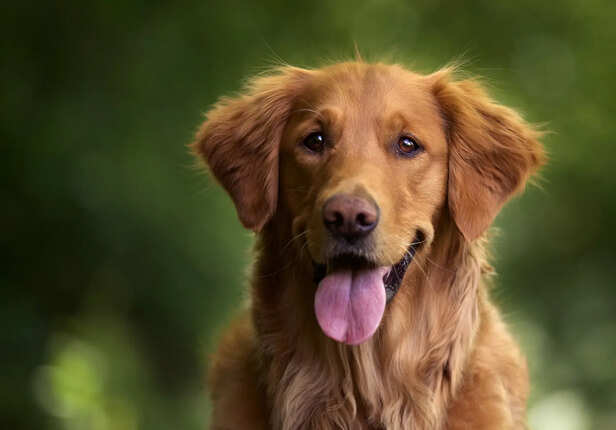
Cooked bones become extremely dangerous because they do not bend or soften. Instead, they break into sharp, knife-like splinters. These pieces can easily injure your dog’s mouth, throat, or internal organs. Even a small bite can create serious internal damage. Many owners never realize the risk until symptoms appear. What looks like a harmless chew can quickly turn into a medical emergency. This is the most immediate and hidden danger of cooked bones.
Internal Injuries: The Hidden Threat
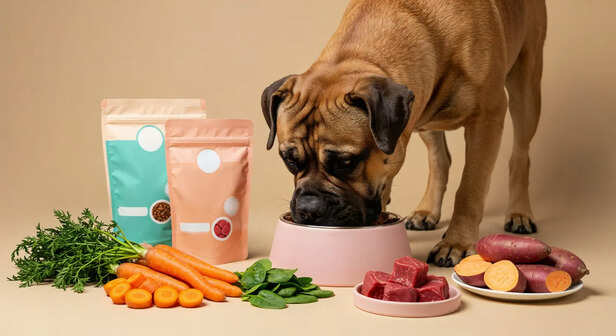
When swallowed, sharp bone fragments can cut or puncture the esophagus, stomach, or intestines. These injuries may not show immediately but can become life-threatening over time. Internal bleeding and infection are serious risks. Dogs may appear fine at first, making it even more dangerous. By the time symptoms show, the condition can already be severe. This silent damage is what makes cooked bones one of the most dangerous foods for dogs.
Blockages: When Food Stops Moving

Large pieces of cooked bone can get stuck in the digestive tract, causing blockages. This prevents normal digestion and leads to vomiting, loss of appetite, and severe discomfort. In many cases, surgical intervention becomes necessary. Blockages are especially dangerous because they develop slowly but can escalate quickly. Owners often mistake early signs for mild illness, delaying treatment. Early recognition is crucial to prevent serious complications and ensure the dog’s safety.
Dental Damage: Broken Teeth Risk
Cooked bones are extremely hard and can easily crack or break a dog’s teeth. This leads to pain, infection, and expensive dental treatment. Dogs may struggle to eat or show signs of discomfort after chewing. Unlike soft treats, bones do not adapt to pressure, making them risky for strong chewers. Dental injuries are often overlooked but can severely impact a dog’s quality of life. Prevention is always safer than treatment in such cases.
Safe Alternatives: Better Choices Exist
Instead of cooked bones, safer alternatives like dental chews or vet-approved raw bones are recommended. These options satisfy chewing instincts without the risk of splintering. Dental treats also help maintain oral hygiene and reduce plaque. Raw bones may still carry some risks and should always be given under supervision. The key is choosing safety over tradition. A simple switch in treat choice can prevent serious health emergencies and protect your dog’s long-term wellbeing.
Celebrate the bond with your pets, explore Health & Nutrition, discover Breeds, master Training Tips, Behavior Decoder, and set out on exciting Travel Tails with Times Pets!