
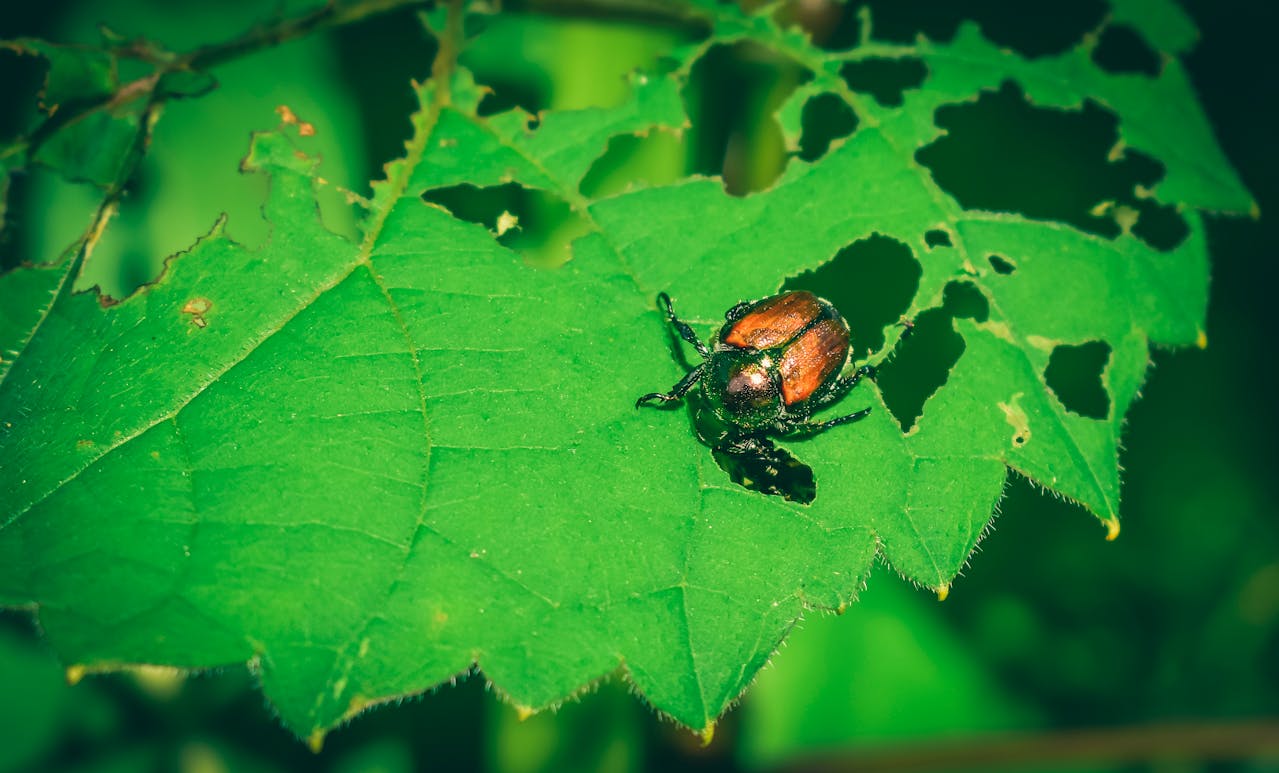
Gardens across America can turn into battlefields faster than expected when pests show up uninvited. Aphids, slugs, beetles, and caterpillars do not wait politely before they move in and start feeding. Many gardeners rush into action with sprays, traps, and homemade remedies that seem harmless but often create bigger problems.
Plants weaken, beneficial insects disappear, and pests come back stronger than before. Smart pest control requires timing, balance, and strategy rather than panic reactions.
1. Overusing Chemical Sprays That Kill Everything in Sight
Chemical sprays often feel like the fastest solution when pests take over garden beds. Many gardeners reach for broad-spectrum pesticides that wipe out aphids, beetles, and even helpful pollinators in one shot. This approach may look effective at first, but it creates long-term damage to the garden ecosystem. Beneficial insects like ladybugs and lacewings disappear, leaving pests with fewer natural enemies.
Once the balance breaks, pest populations rebound even stronger within weeks. Plants also suffer stress from repeated chemical exposure, especially vegetables like tomatoes and peppers. Smart gardeners target specific pests instead of spraying everything blindly. Precision treatments protect the garden’s natural defense system and reduce future infestations.
2. Ignoring Early Signs of Pest Damage
Small holes in leaves, sticky residue, or curled edges often signal the beginning of a pest problem. Many gardeners overlook these early warnings and assume plants will recover on their own. Pests multiply quickly, and a few insects can turn into a full invasion in less than a week. Delay always gives pests the advantage.
Early detection changes everything in pest control success. Regular leaf inspections help catch aphids, mites, and caterpillars before they spread across entire beds. Quick action using gentle treatments like neem oil or insecticidal soap stops infestations early. Healthy gardens rely on fast response rather than late intervention.
3. Overwatering That Attracts Unwanted Insects
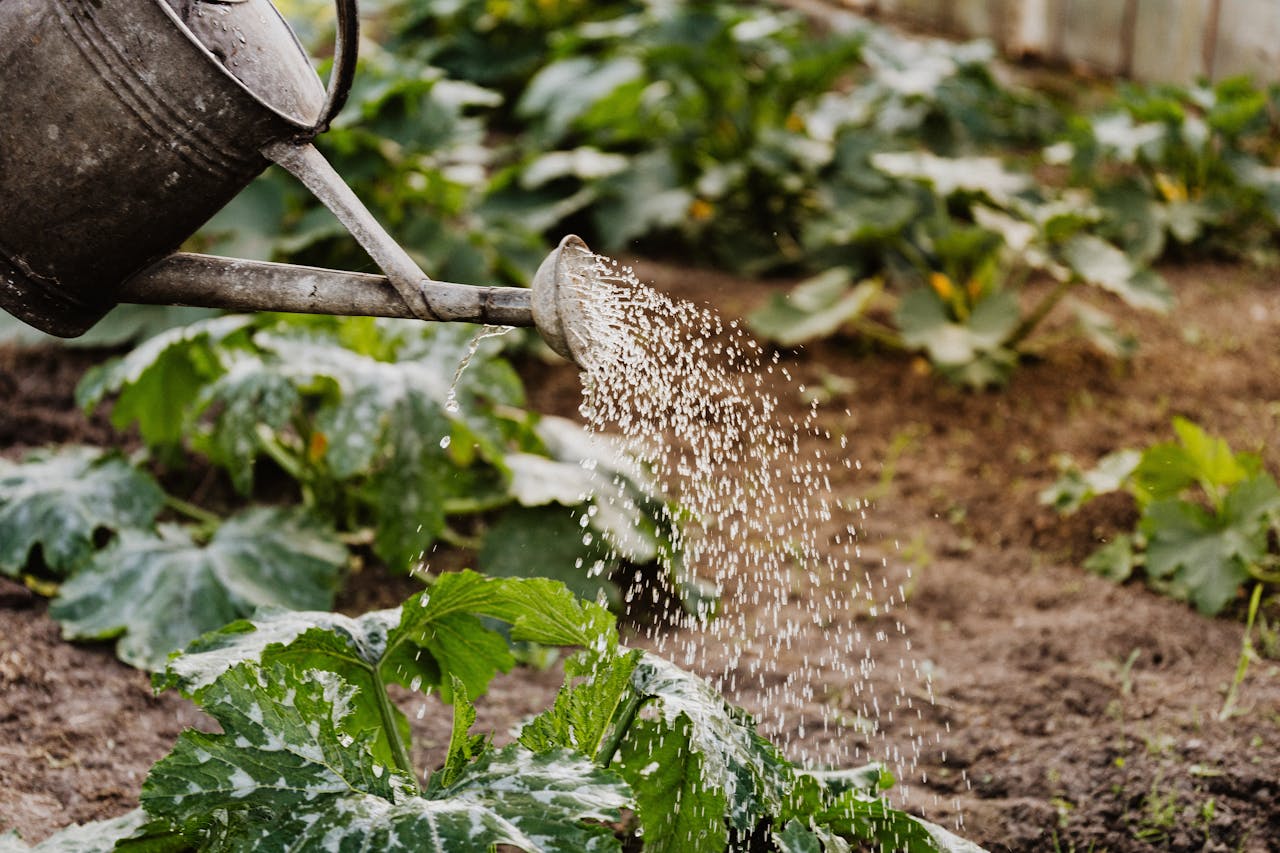
Excess water creates a perfect environment for pests that thrive in damp soil. Fungus gnats, slugs, and root-feeding insects love soggy conditions that weaken plant roots. Many gardeners believe more water equals healthier plants, but that assumption leads to soft growth and pest-friendly environments. Overwatered soil also reduces oxygen flow, which stresses roots and slows plant recovery.
Dry, well-balanced soil discourages many common pests naturally. Watering schedules should match plant needs rather than fixed routines. Drip irrigation and deep watering methods help keep moisture at the root zone without creating surface swamp conditions. Strong plants growing in balanced soil resist pest attacks far more effectively.
4. Relying Only on One Pest Control Method
Some gardeners stick to one solution, such as sticky traps or a single spray product, and expect full protection. Pests adapt quickly and learn how to avoid predictable defenses. Aphids may move to untouched areas, while beetles find weak spots in plants that receive no protection. This one-track approach rarely delivers lasting results.
Integrated pest control strategies work far better in real gardens. Combining physical removal, natural predators, and targeted treatments creates layered protection. Crop rotation and companion planting also reduce pest pressure over time. A flexible approach keeps pests guessing and reduces long-term damage.
5. Misidentifying Beneficial Insects as Pests
Not every crawling or flying insect harms plants, yet many gardeners eliminate helpful species by mistake. Ladybugs, praying mantises, and parasitic wasps play a huge role in controlling harmful pest populations. Mistaking these allies for threats disrupts natural pest control and leads to more infestations later. Misidentification often happens when gardeners react quickly without research.
Learning basic insect identification transforms garden health over time. Beneficial insects reduce the need for chemical treatments and keep pest numbers in check naturally. Gardeners who protect these allies build stronger ecosystems that self-regulate. Observation and patience often outperform aggressive removal strategies.
Smarter Pest Control Builds a Stronger Garden Ecosystem
Successful pest control depends on balance, timing, and awareness rather than quick fixes. Gardens thrive when gardeners avoid overreaction and focus on long-term ecosystem health. Chemical overuse, missed early signs, excess watering, single-method reliance, and insect misidentification all weaken plant defenses. Each mistake compounds over time and creates recurring pest cycles that become harder to break.
Gardens reward patience and smart decisions with healthier growth and fewer pest problems. Careful choices today prevent major infestations tomorrow, saving time, money, and plant loss. Strong ecosystems develop when gardeners work with nature instead of against it.
What pest control mistake has caused the most frustration in the garden, and what strategy finally helped turn things around?
You May Also Like…
Which Plant Pairings Naturally Reduce Pests and Improve Yields
Why Some Gardens Attract More Pests
What to Plant for Natural Pest Control Without Sprays
9 Plants That Attract Beneficial Insects Even in Cold Weather
The post 5 Pest Control Mistakes That Backfire Quickly appeared first on Frugal Gardening.