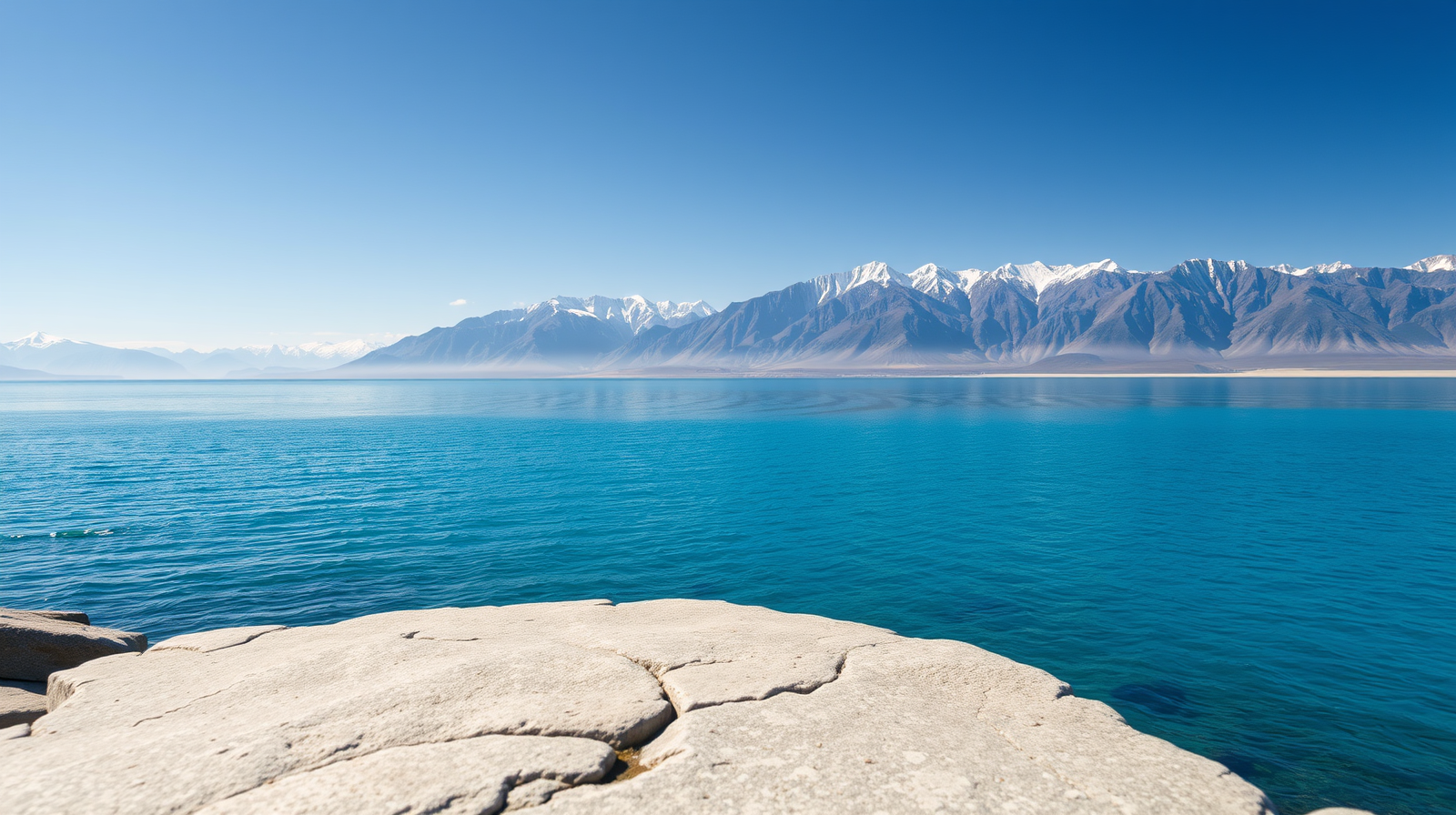
Most lakes seen today are geologically young, carved out by moving ice during the last Ice Age and destined to fill with sediment or dry up within a few thousand years. Scientists generally only call a lake ancient if it has held water continuously for more than one million years without drying out or silting up completely, and by that standard, only around twenty lakes on the entire planet qualify. Because these lakes have remained isolated from other water bodies for such long stretches of time, many have become home to fish, snails and other species found nowhere else on earth.
Get breaking news anytime, anywhere. Download the TOI app now!
5 oldest lakes on Earth
Lake Baikal, the oldest lake on the planet
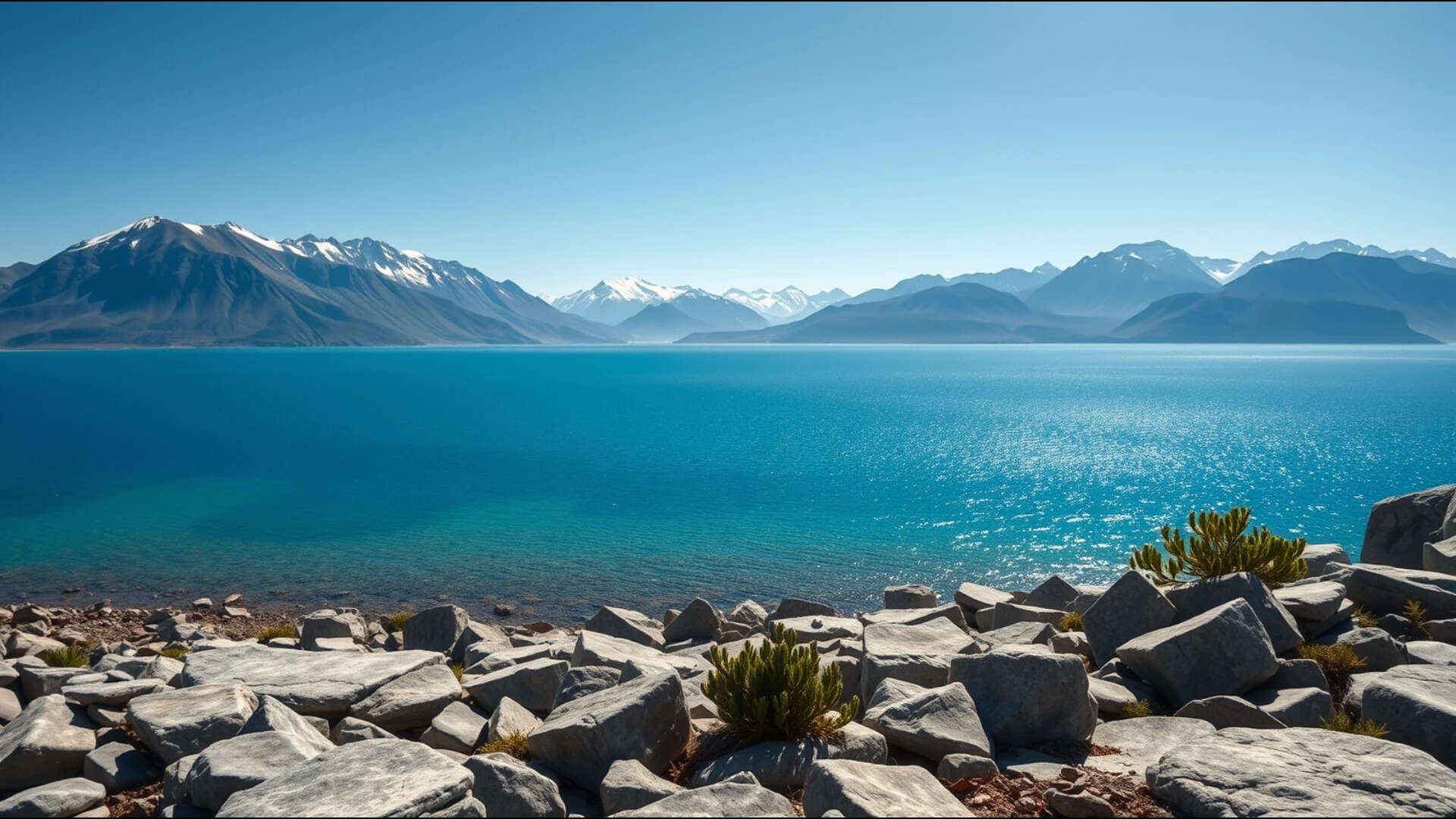
Lake Baikal in southeastern Siberia holds the title of the world's oldest lake, estimated at between 20 and 25 million years old. According to UNESCO's World Heritage Centre , the lake formed inside a continental rift, a deep crack in the earth's crust that continues to widen even today, which helps explain why it has never filled in with sediment the way most ancient basins eventually do. Baikal is also the deepest lake on earth, reaching around 1,642 metres at its lowest point, and holds close to one fifth of all the unfrozen fresh surface water on the planet. Its isolation has produced remarkable biodiversity, including the Baikal seal, one of the only seal species in the world that lives exclusively in freshwater.
Lake Issyk-Kul, a lake that never freezes
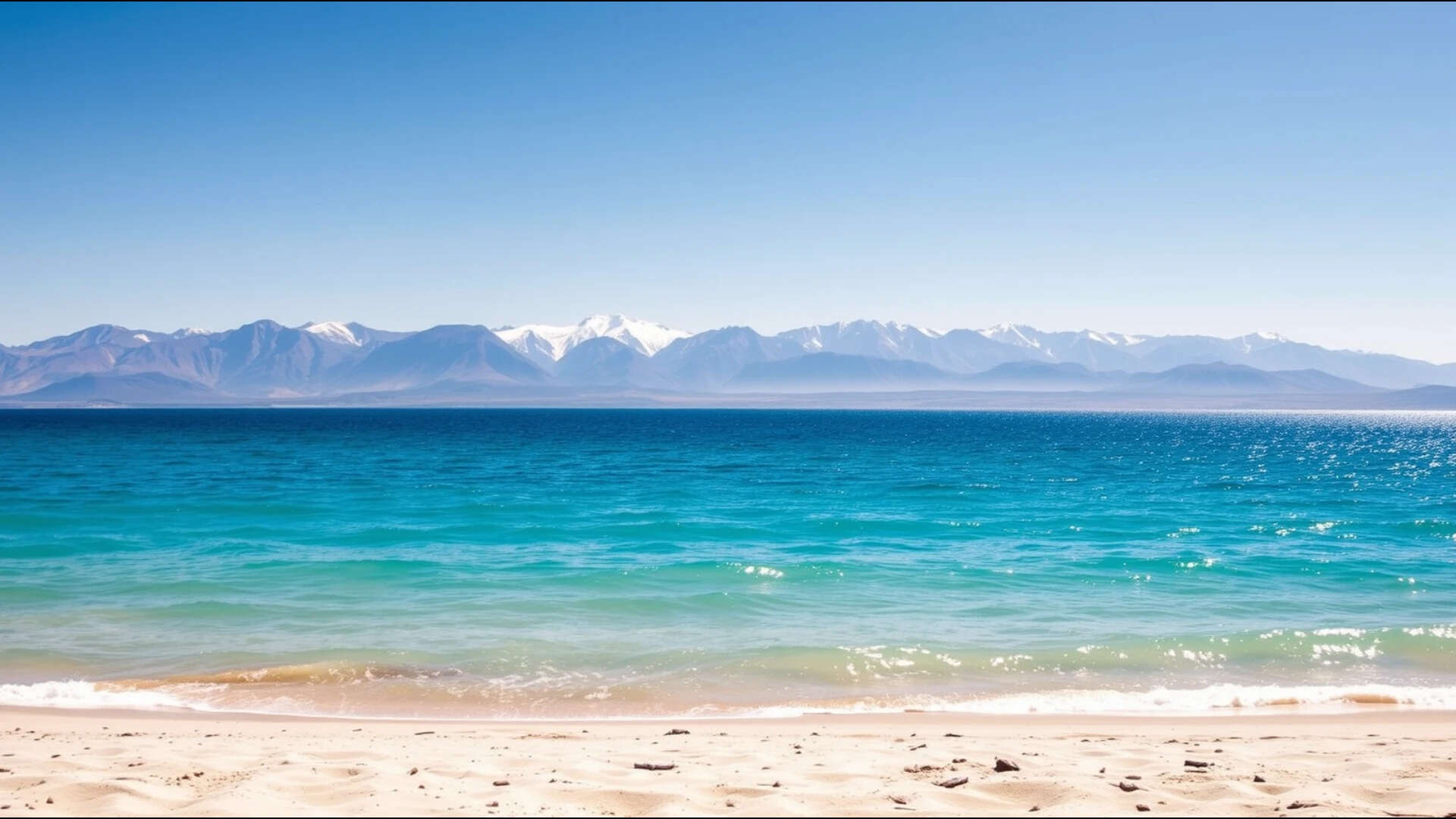
High in the mountains of Kyrgyzstan, Lake Issyk-Kul formed roughly 20 million years ago when folding terrain created a large basin that gradually filled with water. Despite sitting in a cold, high-altitude environment, the lake never freezes, since its water carries a slight salinity and is warmed from below by hot springs. Divers exploring its depths have recovered remains from at least three ancient civilisations, including bronze tools and pottery preserved in its cold water.
Lake Tanganyika, Africa's longest freshwater lake
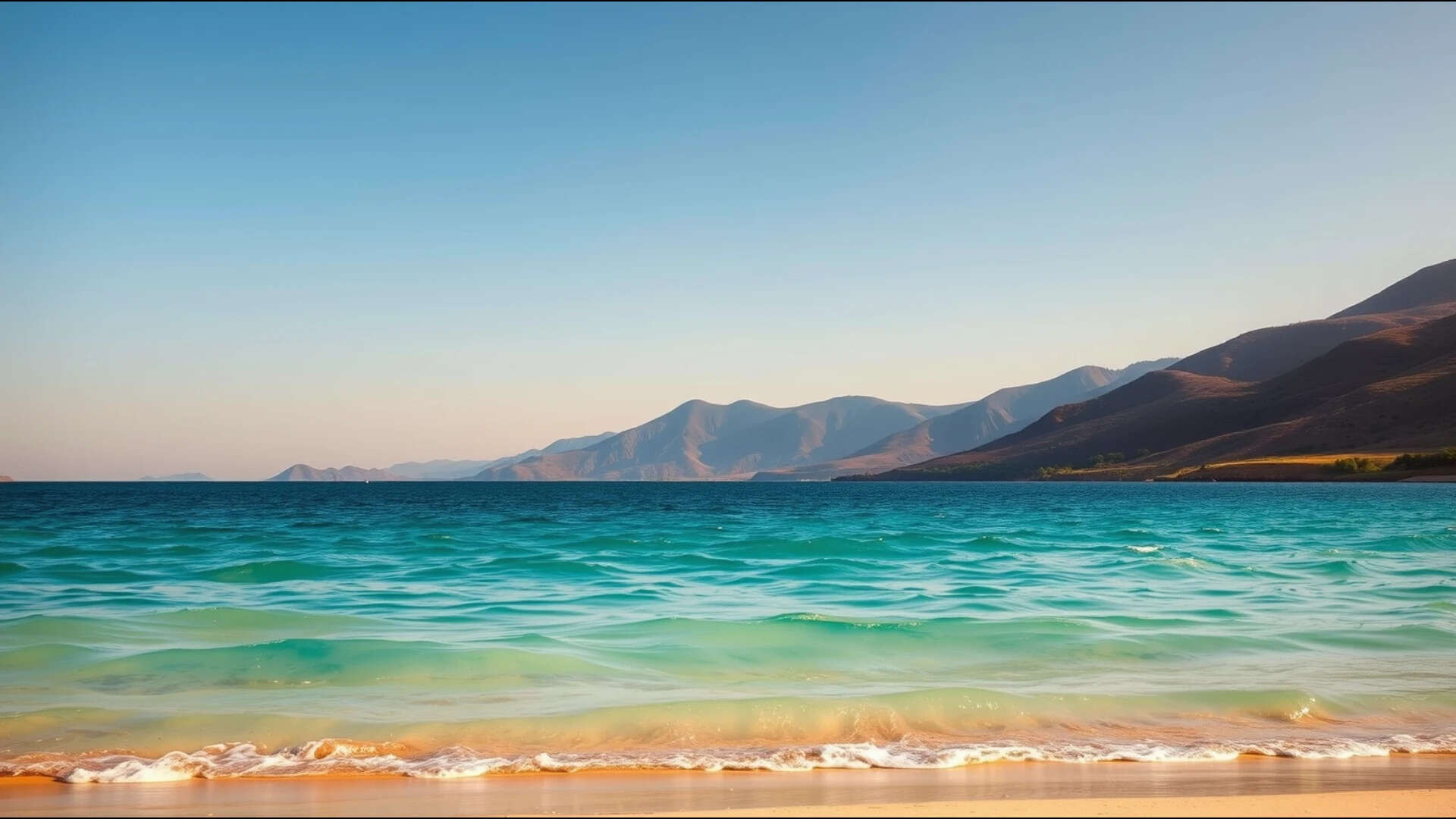
Estimated at between 9 and 12 million years old, Lake Tanganyika is the longest freshwater lake in the world and the second deepest, reaching around 1,470 metres at its lowest point. Shared by four different countries, it holds roughly 16 per cent of the world's available fresh surface water and supports hundreds of unique species, including around 250 types of cichlid fish, most of which live within the top 240 metres of the lake, since deeper layers contain almost no oxygen.
The Caspian Sea, technically the world's largest lake
Though commonly called a sea, the Caspian is technically the largest lake on earth, entirely enclosed by land. More than five million years old, it was once part of a far larger ancient body of water known as the Paratethys Sea. Its brackish water is roughly one-third as salty as ordinary seawater, and rising temperatures are currently causing it to evaporate at a concerning rate, placing growing pressure on the endangered Caspian seal population that depends on it.
Lake Malawi and its record-breaking fish diversity
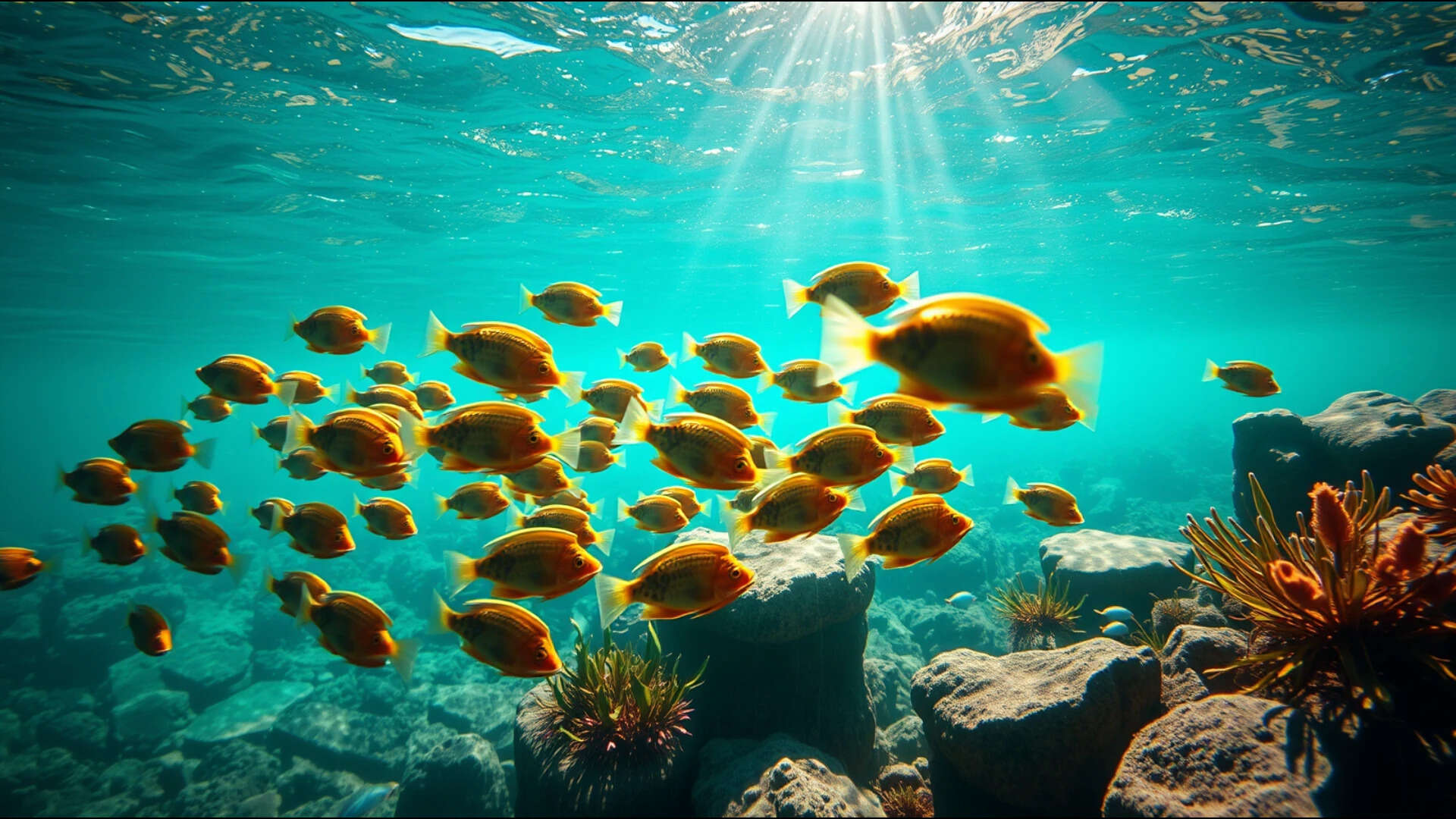
At around 4.5 million years old, Lake Malawi holds the world record for fish diversity in a single lake, home to more than 700 species of cichlid fish alone. Its water levels have shifted dramatically over its history, and researchers estimate that between roughly 145,000 and 60,000 years ago, the lake lost as much as 95 per cent of its total water volume before eventually recovering.
Why these ancient lakes matter beyond their age
Ancient lakes function as long-running natural laboratories, preserving sediment records that help scientists reconstruct climate history stretching back millions of years, while also sheltering species that evolved in near-total isolation. Most lakes on Earth vanish within a geological blink, filled by sediment or dried out entirely, which makes the small handful that have survived for millions of years a genuinely rare category, one shaped as much by shifting tectonic plates and widening rifts as by simple geological luck.