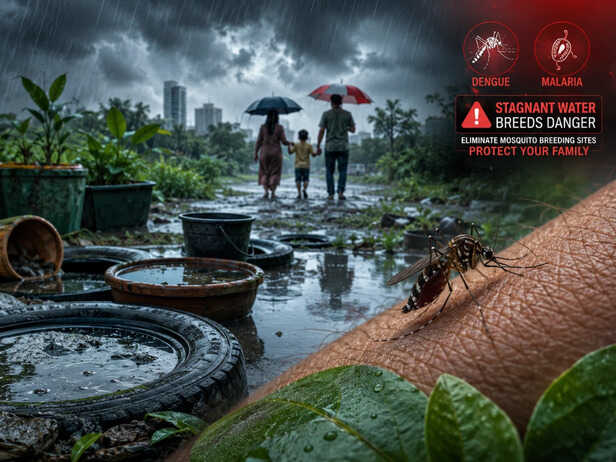
Monsoon showers may offer relief from the summer heat, but they also bring a rise in bacteria, viruses, and mosquitoes that thrive in damp conditions. Waterlogging, contaminated drinking water, and increased humidity create the perfect environment for diseases to spread quickly. While many seasonal illnesses begin with mild symptoms, ignoring them can lead to serious complications. Staying alert, maintaining hygiene, and seeking timely medical care can make all the difference. Here are five monsoon diseases everyone should know about and the best ways to reduce the risk.
Dengue: A Fever That Can Turn Serious
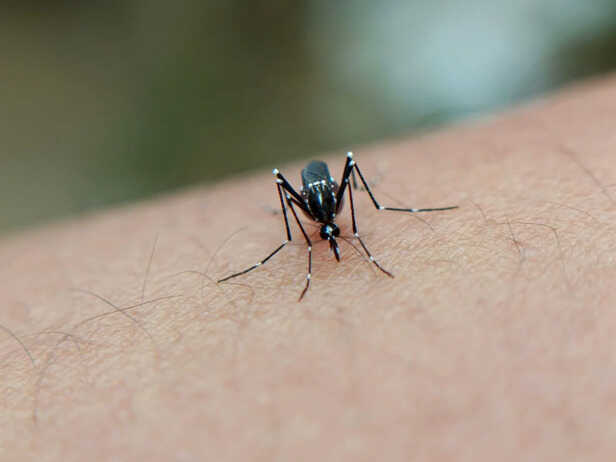
Dengue is one of the most common illnesses during the rainy season. It spreads through the bite of infected Aedes mosquitoes, which often breed in clean, stagnant water found in flower pots, coolers, buckets, and discarded containers. Symptoms include high fever, severe headache, muscle and joint pain, skin rash, nausea, and fatigue. In severe cases, dengue can lead to bleeding complications and dangerously low platelet counts. To stay protected, remove stagnant water around your home, wear full sleeve clothing, use mosquito repellents, and install window screens. If you develop persistent fever or severe body pain, consult a doctor instead of self-medicating.
Malaria: More Than Just Chills And Fever
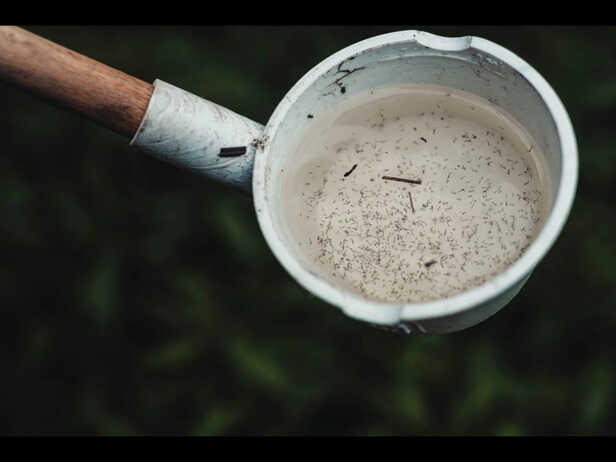
Malaria remains a significant health concern during the monsoon because mosquitoes multiply rapidly after rainfall. The disease is caused by parasites transmitted through the bite of infected Anopheles mosquitoes. Early symptoms often include fever with chills, sweating, headache, weakness, and body aches. If left untreated, malaria can affect vital organs and become life threatening. Sleeping under mosquito nets, using insect repellents, and preventing water accumulation are effective ways to reduce the risk. Early diagnosis and proper medication are essential for recovery.
Typhoid: Watch What You Eat And Drink
Heavy rains often contaminate drinking water and street food, increasing the spread of typhoid. The infection is caused by Salmonella bacteria and spreads through contaminated food and water. People with typhoid may experience prolonged fever, stomach pain, weakness, loss of appetite, headache, and digestive issues such as constipation or diarrhea. Drink only clean or boiled water, eat freshly cooked meals, wash fruits and vegetables thoroughly, and maintain proper hand hygiene before eating. Avoid food from unhygienic vendors during the rainy season whenever possible.
Leptospirosis: The Hidden Risk In Floodwater
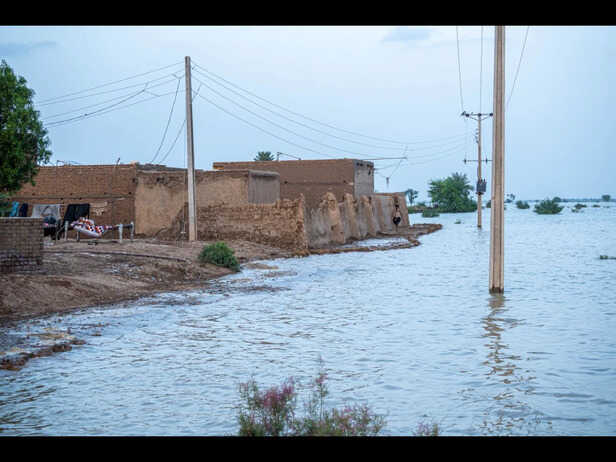
Leptospirosis is less talked about but becomes more common during heavy rains and flooding. It spreads when people come into contact with water or soil contaminated by the urine of infected animals, particularly rats. Symptoms can include fever, headache, muscle pain, vomiting, red eyes, and weakness. Severe infections may damage the liver, kidneys, or lungs if treatment is delayed. Avoid walking barefoot in floodwater, wear waterproof footwear if exposure is unavoidable, and wash thoroughly after coming into contact with dirty water. Seek medical attention if flu-like symptoms appear after flood exposure.
Viral Gastroenteritis: Protect Your Gut
Stomach infections are extremely common during the monsoon because germs spread easily through contaminated food, water, and unclean hands. Viral gastroenteritis often causes diarrhea, vomiting, stomach cramps, nausea, and dehydration. Young children and older adults are particularly vulnerable because dehydration can develop quickly. Drink safe water, eat freshly prepared food, wash your hands regularly, and avoid raw or uncovered food. Oral rehydration solutions can help replace lost fluids, but severe symptoms require medical evaluation.
Stay One Step Ahead Of Monsoon Illnesses
The rainy season should be enjoyed without compromising your health. Most monsoon diseases are preventable with simple habits such as maintaining cleanliness, eliminating mosquito breeding spots, drinking safe water, and eating hygienic food. Pay attention to early symptoms instead of waiting for them to worsen. Timely medical care and preventive measures can help you and your family enjoy the season while staying safe from avoidable infections.
Unlock insightful tips and inspiration on personal growth, productivity, and well-being. Stay motivated and updated with the latest at My Life XP.