
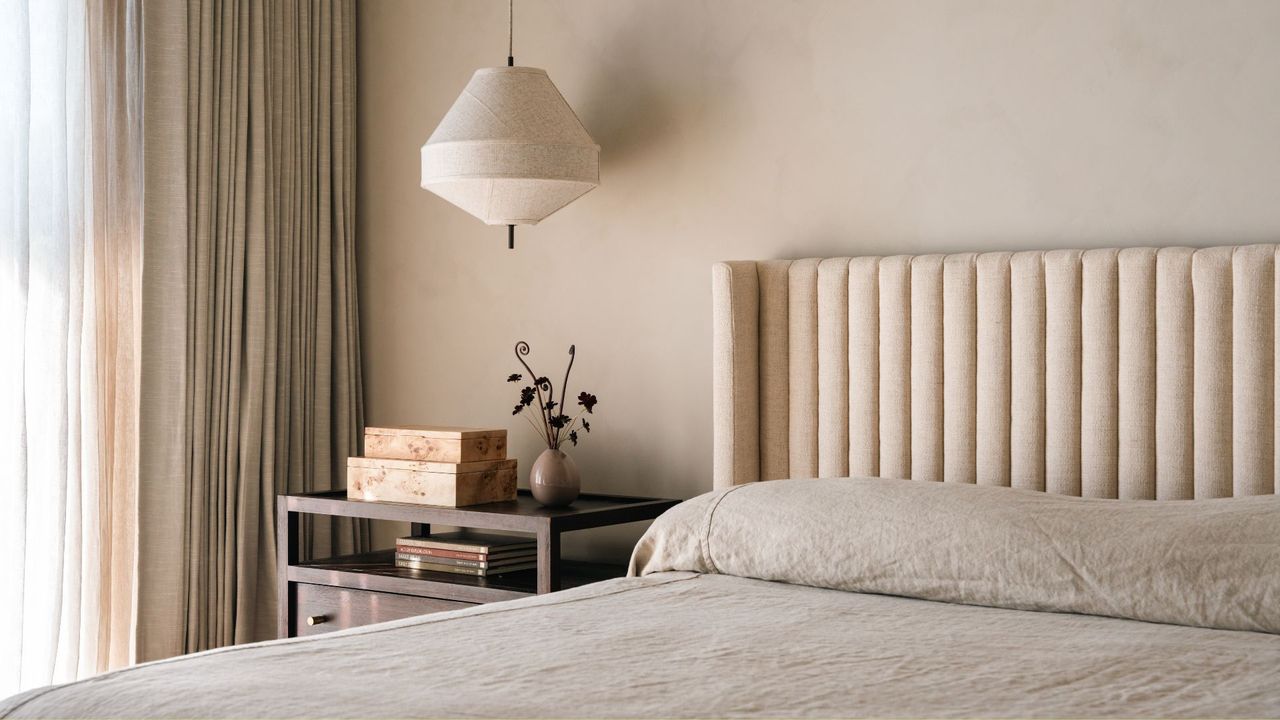
I recently ventured to York with Button & Sprung to see how a mattress is made. And while experiencing (and even partaking) in the design process of this sleep essential was interesting, I was especially taken aback by all the misconceptions around mattresses.
Common myths like memory foam, cooling technology, and firm mattresses being the best options are actually false. Skimping on size and flipping your mattress are also not necessarily the best practices. So, to help you sleep better, we've broken these myths down.
Here's what you should know before you invest in your next mattress.
1. Memory Foam Offers Superior Effort

Adam Black, co-founder of Button & Sprung, tells me the best support you can get from a mattress is not from memory foam. "We were led to believe that this was a wonder material that would solve all our sleep problems. In reality, this is a highly processed, oil-based material packed with harmful chemicals that affect our short and long-term health and sleep," he explains.
"The reason there are so many foam mattresses is that they are cheap to produce, not because they are better. The best support, which is also the cleanest for our health and wellbeing, comes from a natural mattress with pocket springs; a responsive system which lifts and holds you rather than giving you the sinking feeling of memory foam."
In this case, he explains that pressure points are cushioned rather than squashed, such as the shoulders and hips. "The natural materials allow your body to breathe and cool rather than sweating from the memory foam," he advises. So if you're choosing a mattress, pick one crafted from materials you recognize.
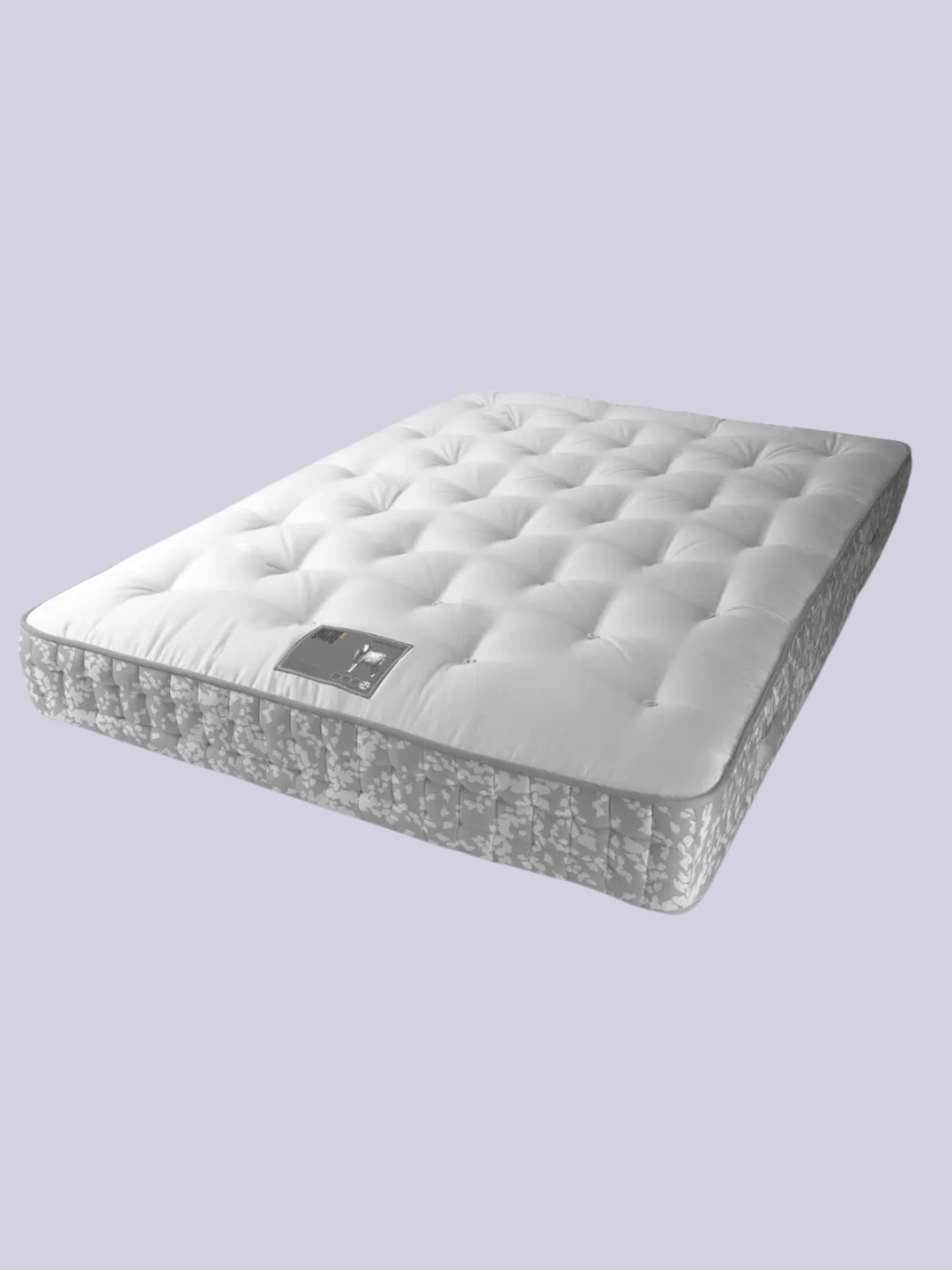
Filled with wool, cotton, and hemp, Button & Sprung mattresses are natural and so comfortable to sleep on.
2. Firm Mattresses are Better for Back Support
"This is the biggest mattress myth we encounter. Customers coming in with bad backs who have been led to believe they need to opt for a firm or ‘orthopaedic’ mattress," says Adam.
"We now know more about supporting joints and managing back care, and find that our customers benefit from trying a range of mattresses which are supportive but have a softer, more forgiving ‘start’ and a firmer feel underneath."
For this reason, Adam always encourages customers to come into the showroom and be guided by experts who work hard to understand how you sleep and what your requirements are. So, if you're debating hard beds vs soft beds, it's best to try before you buy.
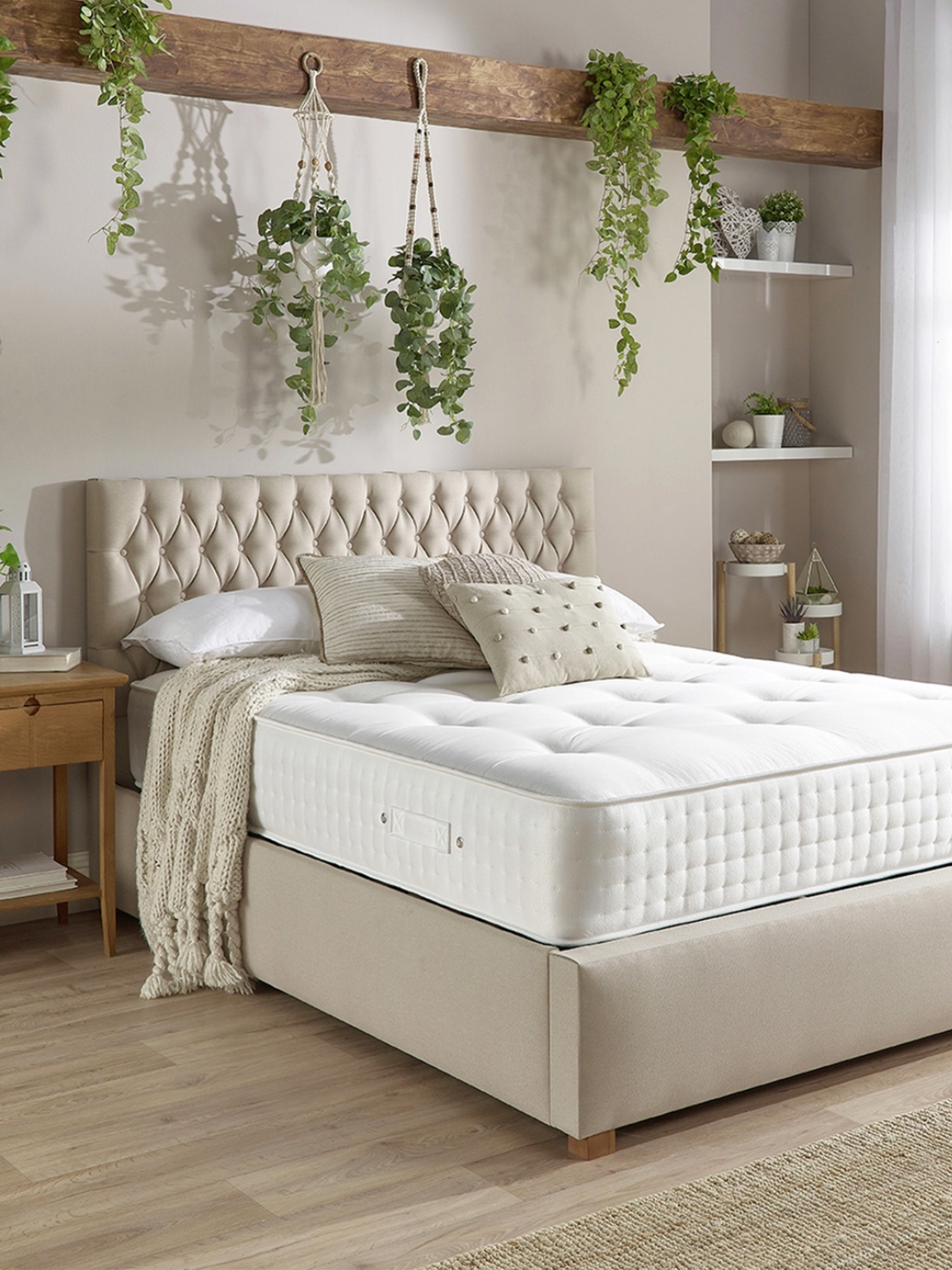
Layered with wool, cashmere, and silk, the Aspire 3000 Natural Mattress features medium firmness.
3. Cooling Technology Is Good for Heat Regulation
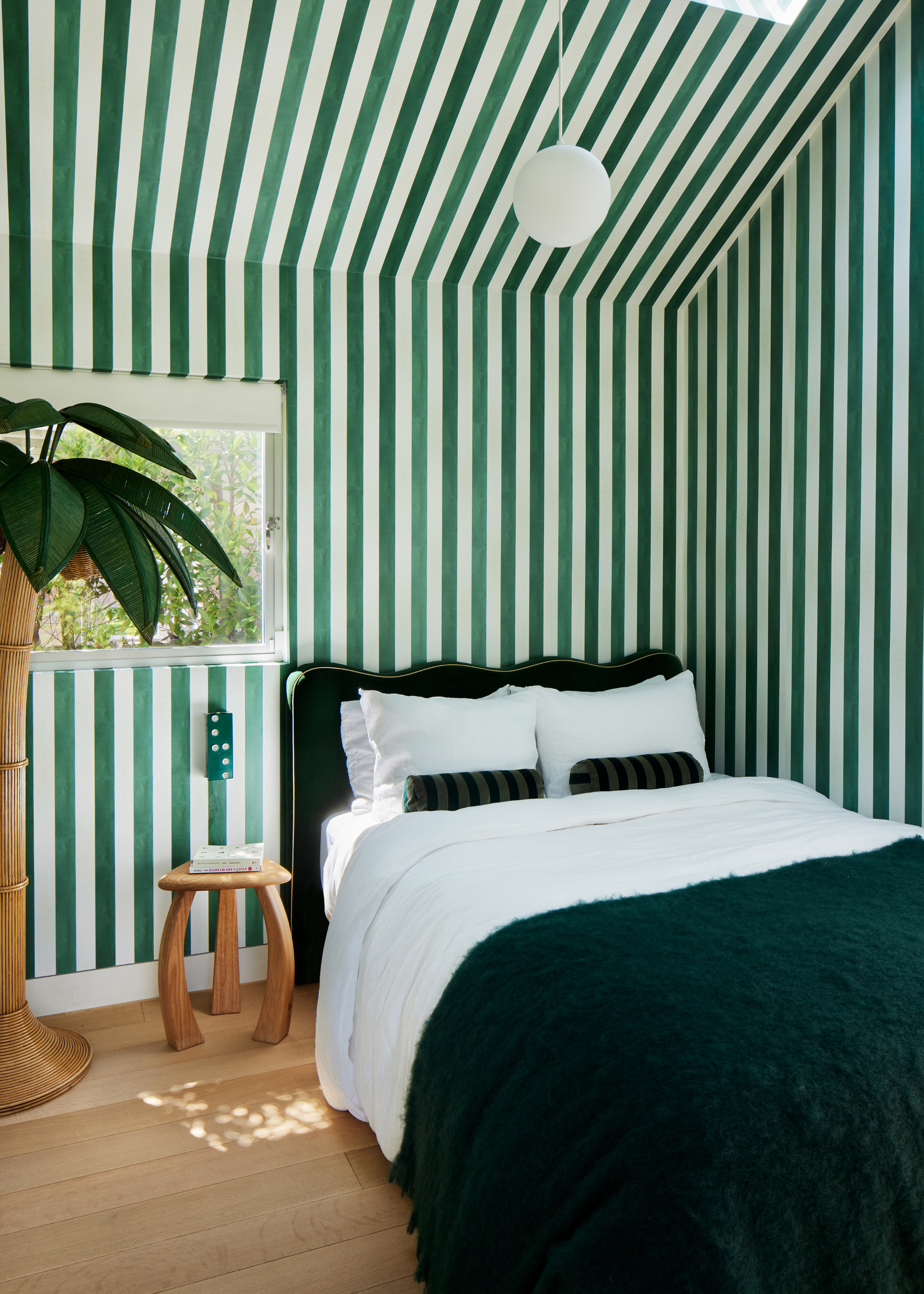
According to Adam, any mattress that boasts specific cooling surfaces should be avoided. "These materials are heavily engineered and are ultimately still crafted from foam or synthetic, which will never be breathable or cooling. In fact, it's exactly the opposite," he says.
"Foam is a non-breathable membrane, and air does not pass through. It may feel cool to the touch in the showroom, but memory foams get into contact with your body heat – providing the very opposite effect!"
While we all sweat in our sleep, Adam explains that natural materials such as wool, hemp, flax, and cotton are nature’s air conditioning. "They will regulate your body temperature and stay beautifully breathable throughout the seasons. Don’t buy into ‘high tech’ advances and instead look to the tried and trusted materials and manufacturing methods that have stood the test of time."
At the end of the day, a natural bedscape is always the best. Especially if you're designing a low-cortisol bedroom for better sleep.
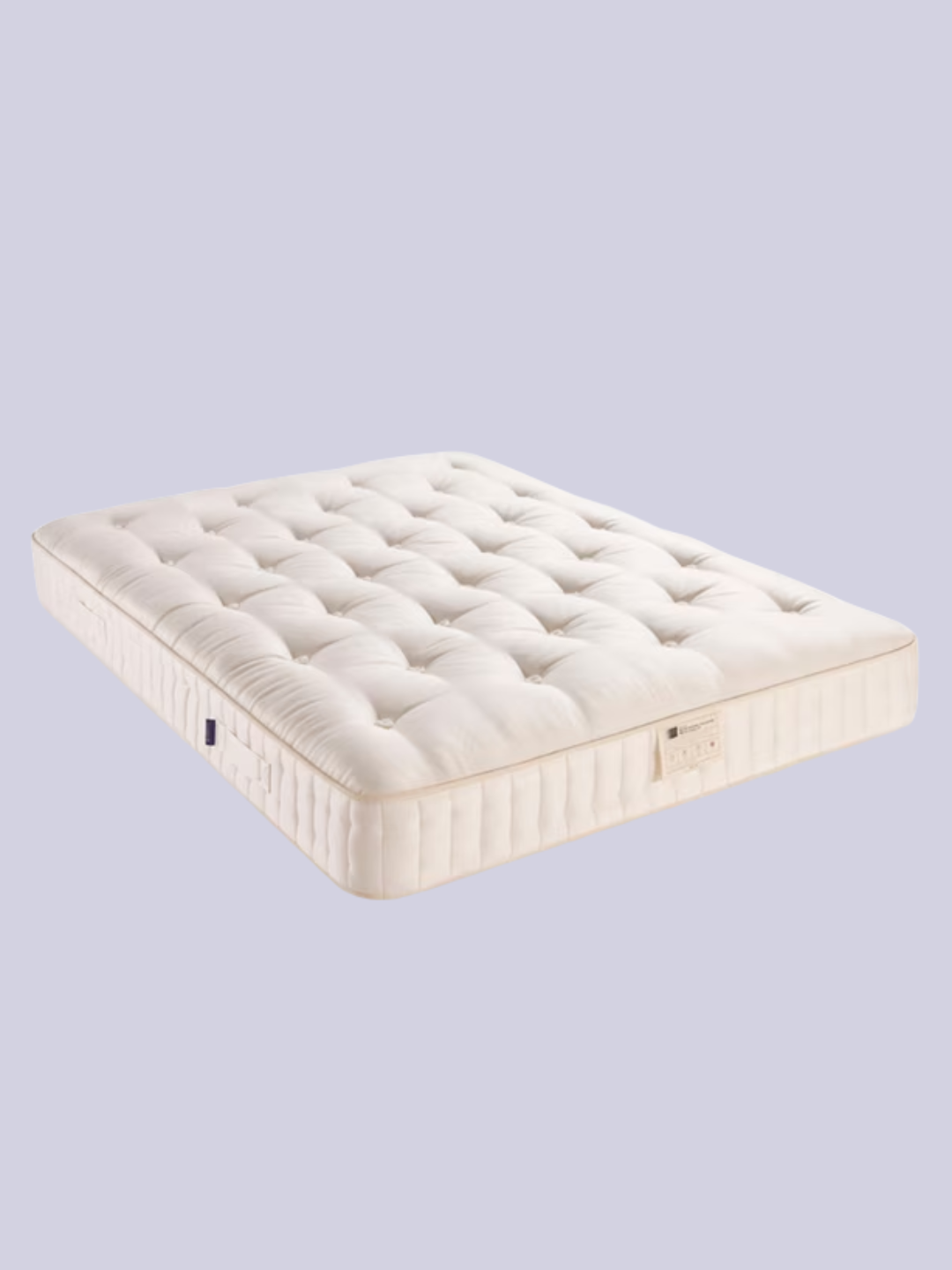
Designed with traceable wool and homegrown hemp fibres, the John Lewis British Natural Collection is a great place to look for a bedroom refresh.
4. All Mattresses Must Be Flipped

"Each mattress will have its own specific care routine, and if you learn what this is at the point of purchase, your mattress will last you a long time. Some are rotated, some are flipped. Some are designed as single-sided mattresses, and some are double-sided," says Adam.
"A natural mattress should be brushed and not vacuumed, and we always recommend a protector to minimize staining. Understand how to clean your mattress, as prevention of damage is certainly easier than cure."
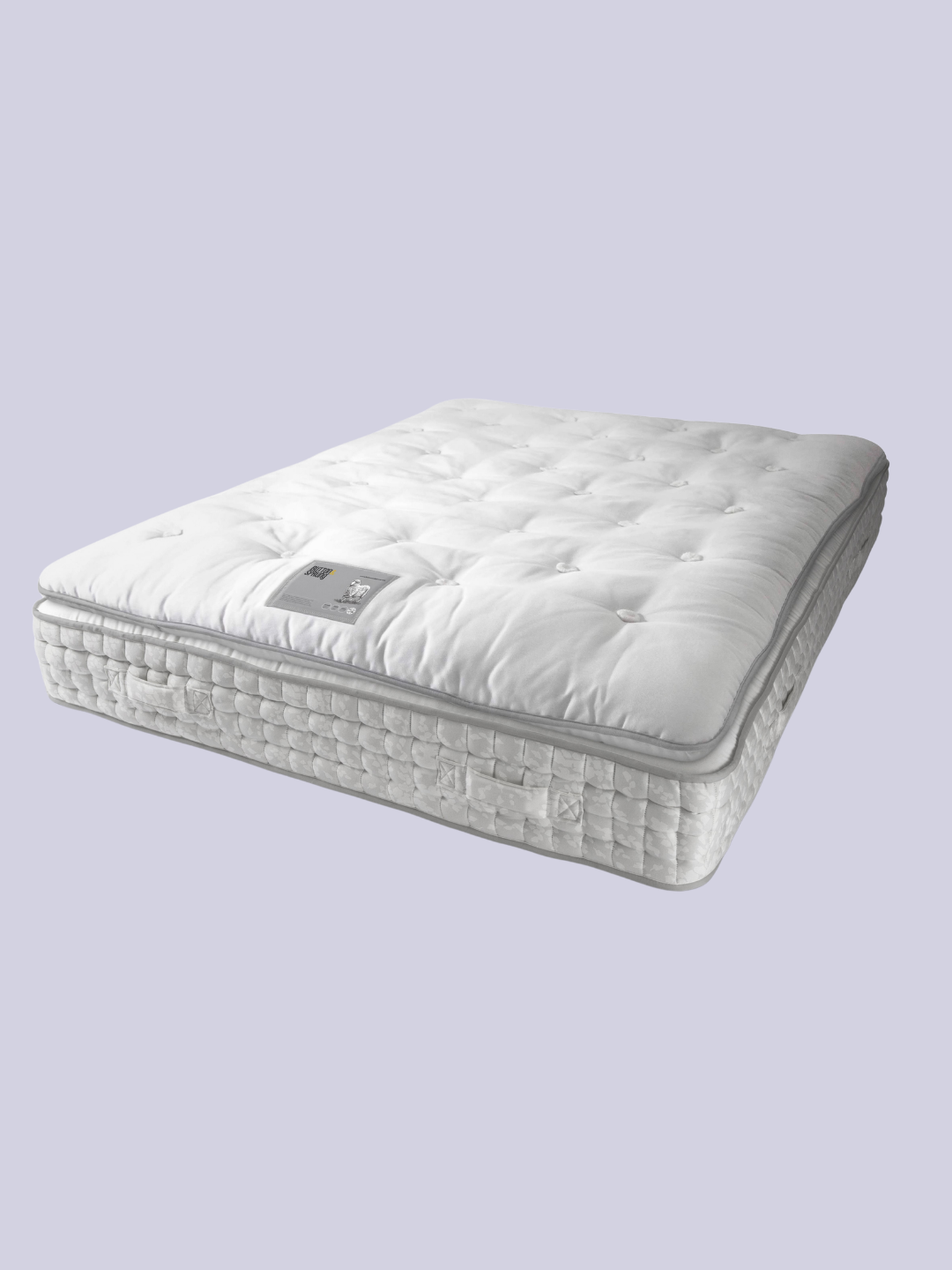
Having lay down on this mattress myself, I can say for certain that the cushy eight layers are a total dream.
5. It's Okay to Skimp on Size
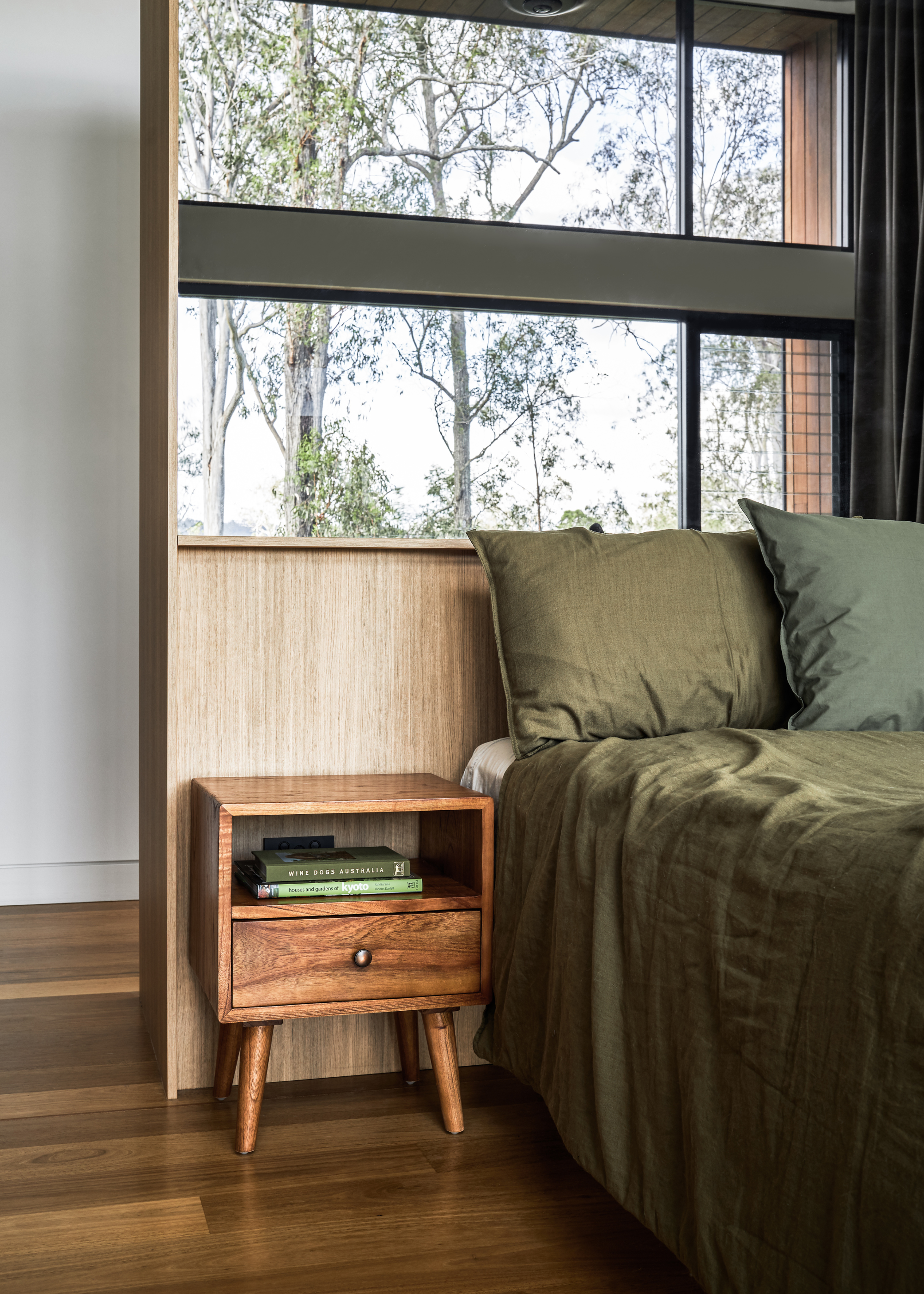
Mark Tremlett, founder of Naturalmat, which makes made-to-order mattresses, tells me that another common mattress myth is that downsizing won't affect your sleep. "Knowing what you need from a bed is so important, and getting the size right is a great place to start. However, we always say, go as big as your room can handle; no one ever regretted getting the bigger bed," he notes
And since bespoke beds are one of the biggest bedroom trends of the year, I wouldn't be surprised to see traditional metrics like double, king, and queen being swapped for exacting specifications.
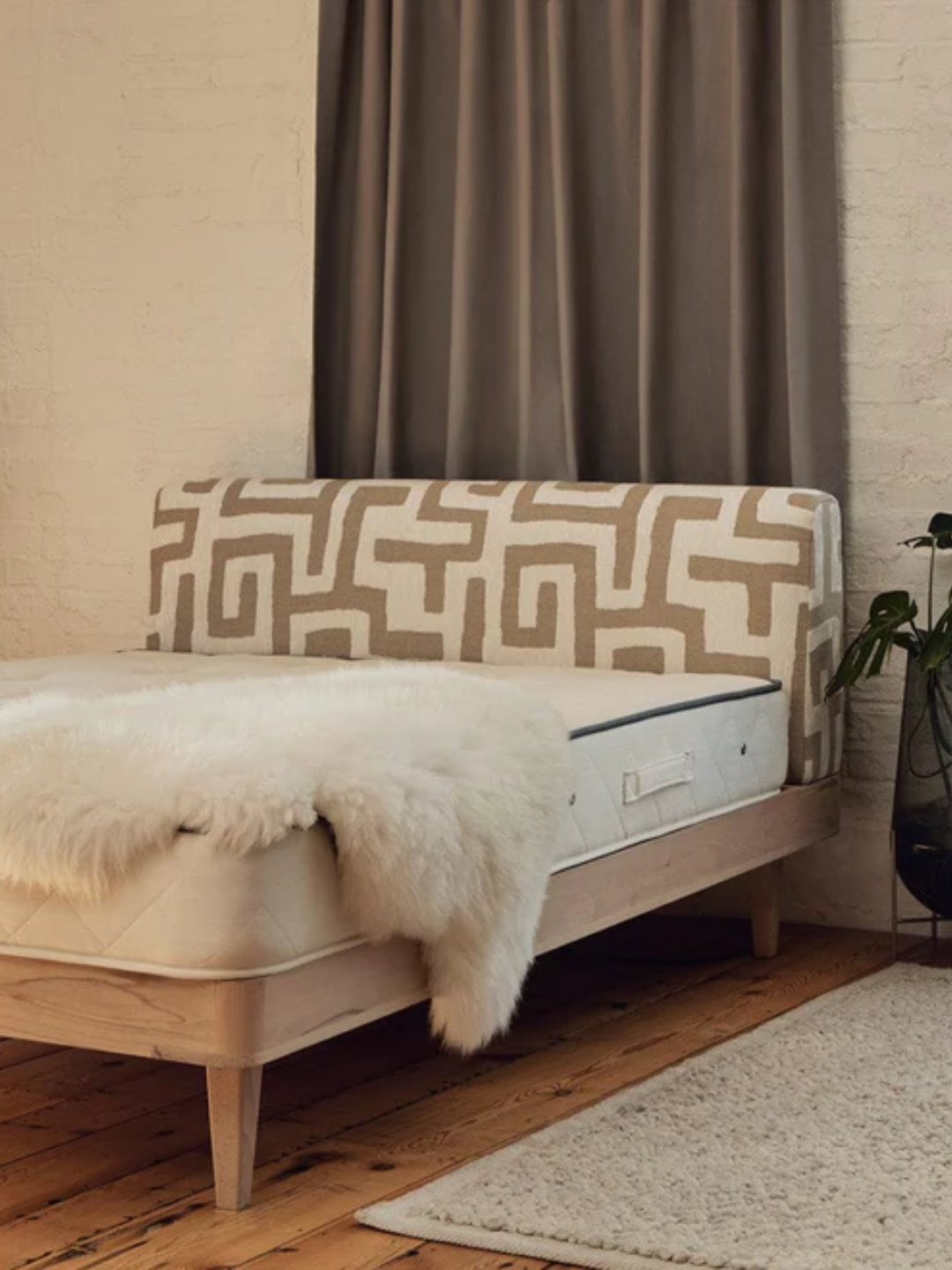
This Cashmere Mattress is a brilliant natural option for soft tension. On the other hand, the Lambswool Mattress works for medium tension, and the Mohair Mattress for firmness.
FAQs
How Often Should You Replace a Mattress?
The shelf life of your mattress largely depends on how well you take care of it. However, on average, it's important to replace your mattress every seven to nine years. Or, when you feel like your bed has lost most support.
Can a Mattress Topper Fix a Sagging Mattress?
No, a mattress topper cannot fix a sagging mattress. Since most mattress toppers are fairly slim, it'll end up sinking into the divots on your mattress. The best thing to do with a lumpy mattress that's no longer supportive is replace it.
Now, to prepare for the summer, here are some hot sleeping mistakes you might be making. And in the meantime, subscribe to the Livingetc newsletter for more interior wellness advice.