
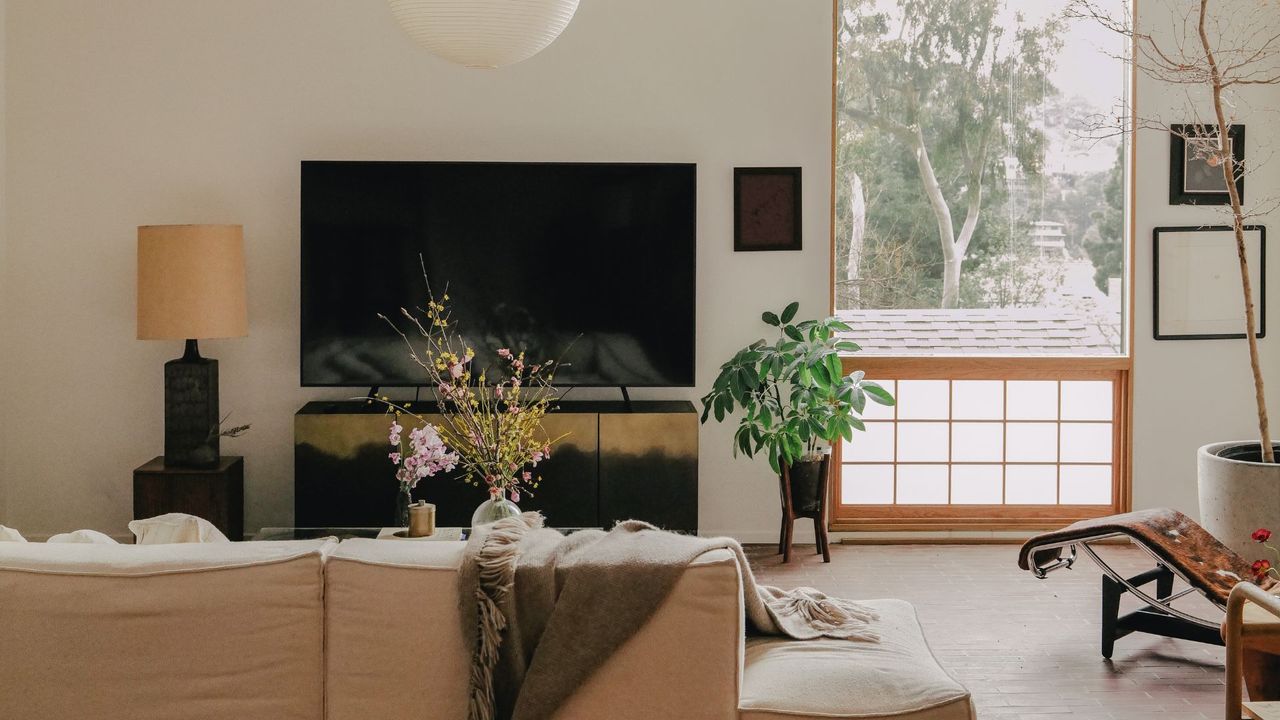
Japan's wellness culture has always been ahead of the curve. Think the bathing ritual of ofuro, the purpose of a genkan, consuming seasonal plates, designing the changing year into your home, and adopting the shinrin-yoku mindset.
Some of these concepts involve adopting Japanese design principles into your home to help it soothe your senses, while the others take a more direct approach to slowing you down.
Here's a better look at what each of these wellness rituals entails and how it can enrich your daily routine.
1. Ofuro — The Bathing Ritual
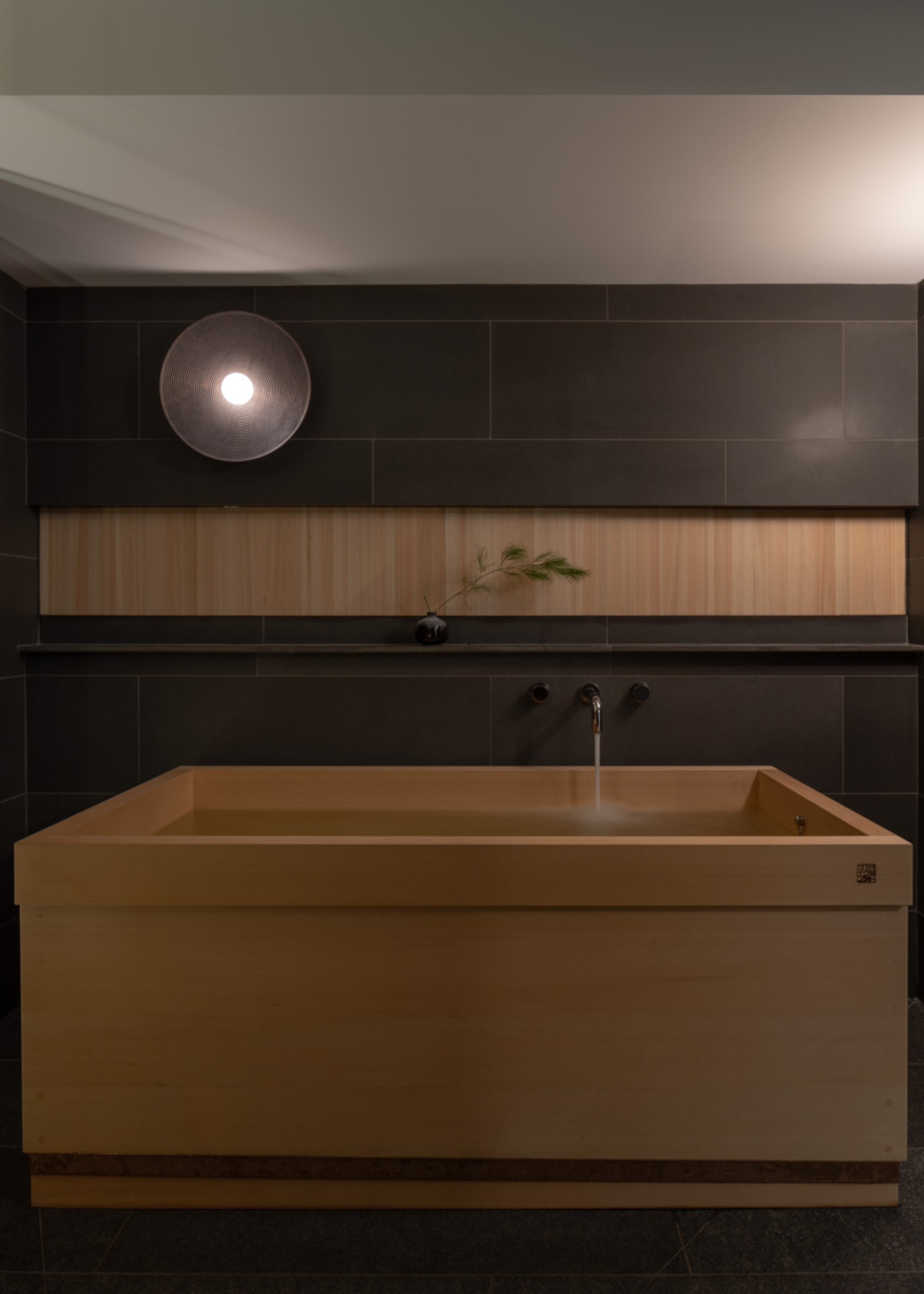
"In Japan, bathing is not about getting clean — that happens before you enter the tub," says interior designer Yoko Kloeden. "The ofuro is a daily ritual of restoration: a deep soak in hot water designed to release the tension of the day and signal the transition from public life to private calm. For many people, stepping into a Japanese soaking tub is the best part of coming home."
Yoko explains that this extends into the tradition of yakutō (medicinal baths), where seasonal plants are added to the water. "On the winter solstice, whole yuzu citrus fruits are floated in the bath — their volatile oils improve circulation, warm the body, and guard against colds," she notes.
"On Children's Day in May, iris leaves (shōbu) are added for their calming properties. Year-round, nyūyokuzai — bath additives replicating the mineral composition of famous onsen hot springs — are an enormously popular part of everyday home life."
She finds the bathroom deserves the same design attention as a kitchen. "A deeper soaking tub, a separate wet area for washing, natural materials such as hinoki cypress, and proper ventilation."
So, if you're letting home wellness trends influence the way you design your bathing space, let ofuro take the reins.
2. Genkan — The Art of Arriving Home
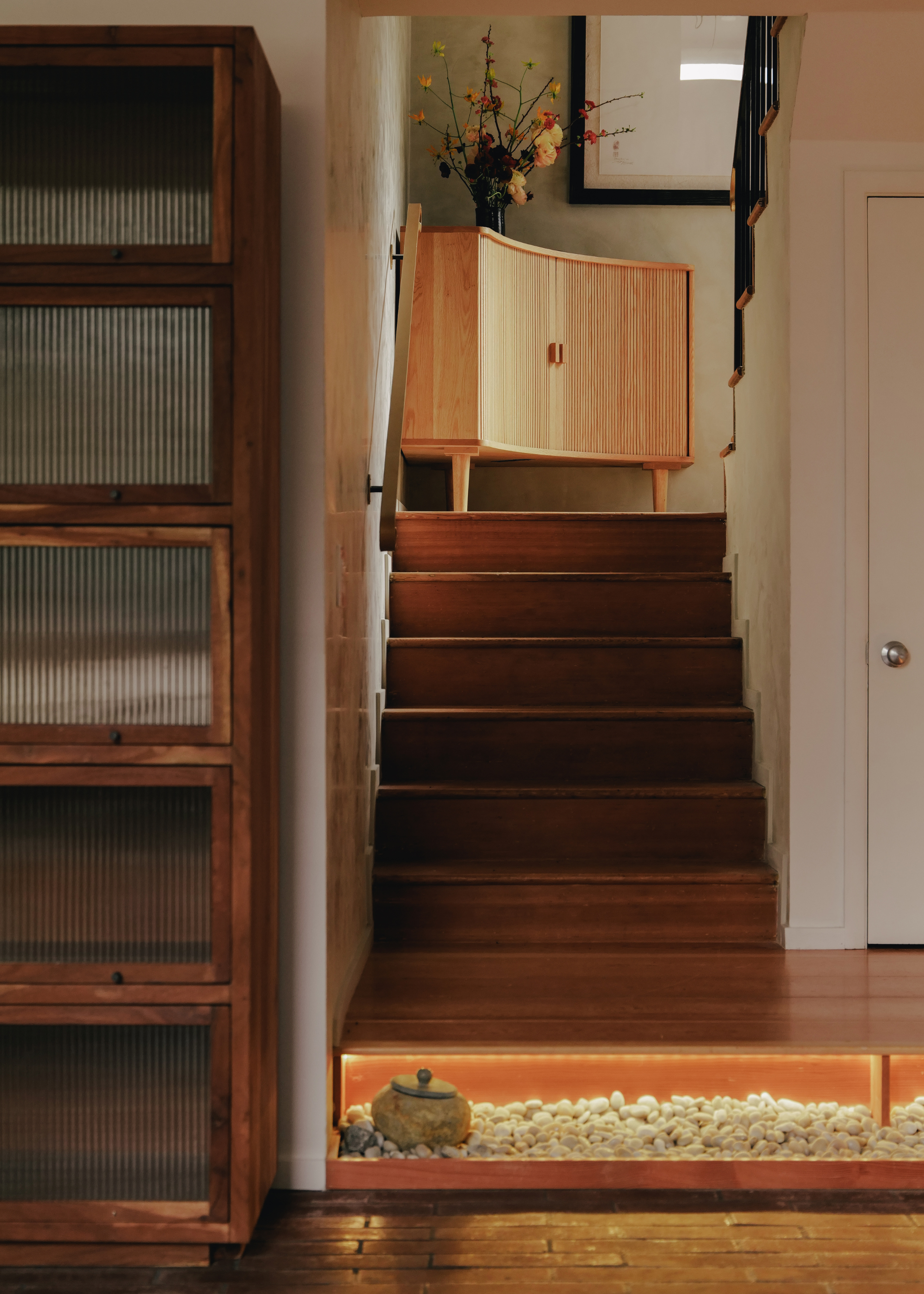
"Every Japanese home has a genkan — a sunken entrance area, set lower than the rest of the house, where shoes are removed before stepping up into the home. At its most basic, the practice is about hygiene. You do not bring the mud and dirt of the outside world onto surfaces where you sit, sleep, and eat," says Yoko.
"But the physical step up also creates a psychological threshold in the form of a moment of pause between the outside world and the interior. You shed what you have been carrying, literally and figuratively, before entering."
She explains that this dedicated entrance zone, with built-in storage, a level change underfoot, and enough space to pause, turns arrival into a conscious transition. It might not seem like a wellness ritual at its core, but taking moments to pause, even if just for a beat, can ease the pace of your day.
3. Kisetsu No Gyōji-Shoku — Eating with the Seasons
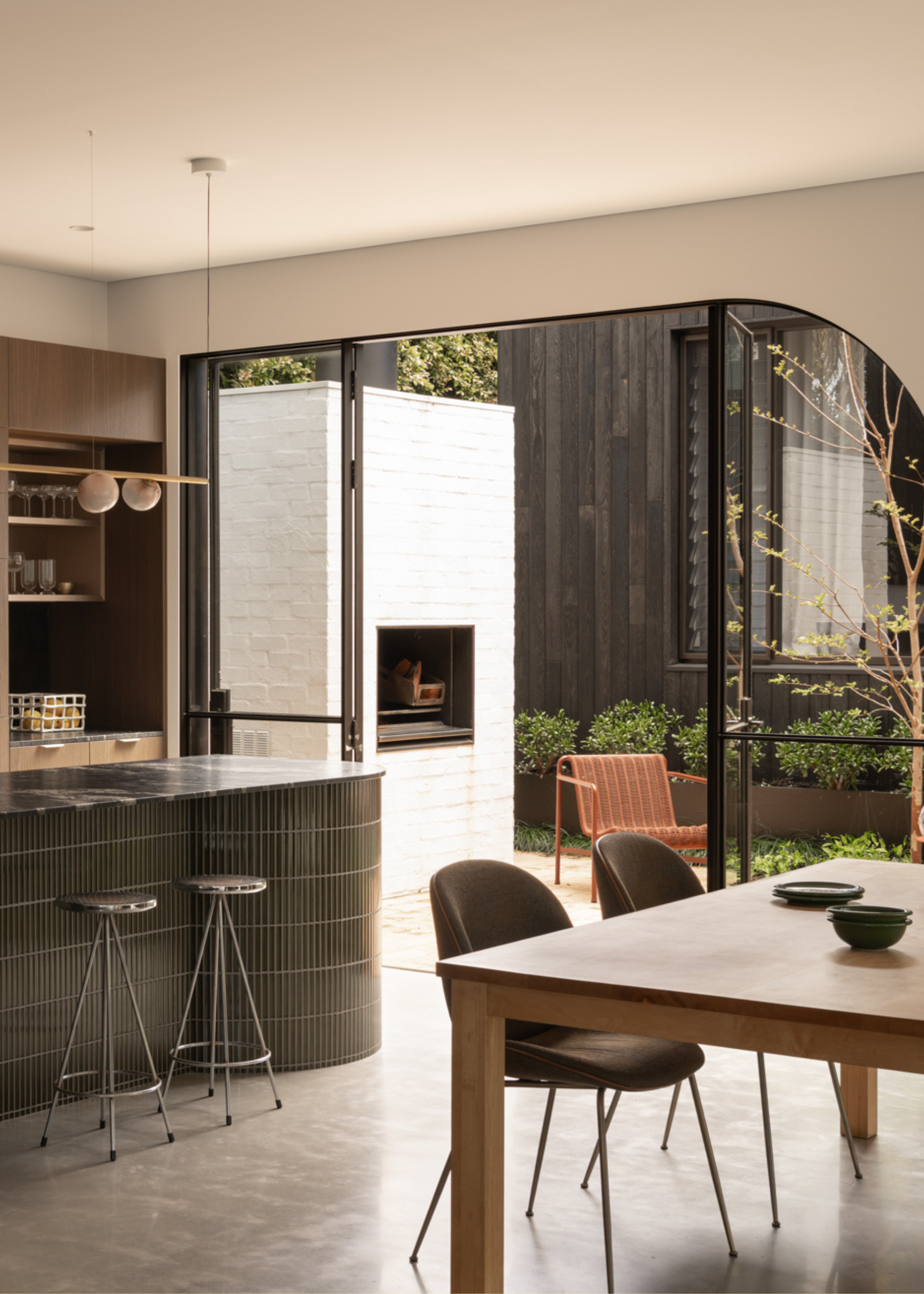
"In Japan, the domestic kitchen is deeply tied to the calendar. Specific dishes are prepared at specific turning points of the year, not as nostalgia, but as preventive wellbeing," Yoko explains.
"On 7th January, nanakusa-gayu (seven-herb rice porridge) is eaten to rest the stomach after New Year. Each herb in this recipe has a medicinal property, from aiding digestion to reducing inflammation. In midsummer, eel is eaten on doyō no ushi no hi (the Day of the Ox) to combat summer fatigue with its high vitamin and protein content."
According to her, these are practical, seasonal responses to what the body needs, and they shape a food culture built around fresh, local produce rather than frozen convenience. So, how does this trickle into your modern kitchen design ideas?
"A Japanese kitchen designed for this way of eating prioritizes preparation space over storage volume, and favors daily shopping and fresh ingredients over large freezers and bulk buying."
Try hanging kitchen baskets for seasonal produce or harvest baskets if you're elevating your wellness routine by taking the backyard to table. The Nurture Book by Daylesford offers seasonal recipes, and so does What to Cook & When to Cook It by Georgie Mullen.
4. Shitsurai — Seasonal Interior Resets
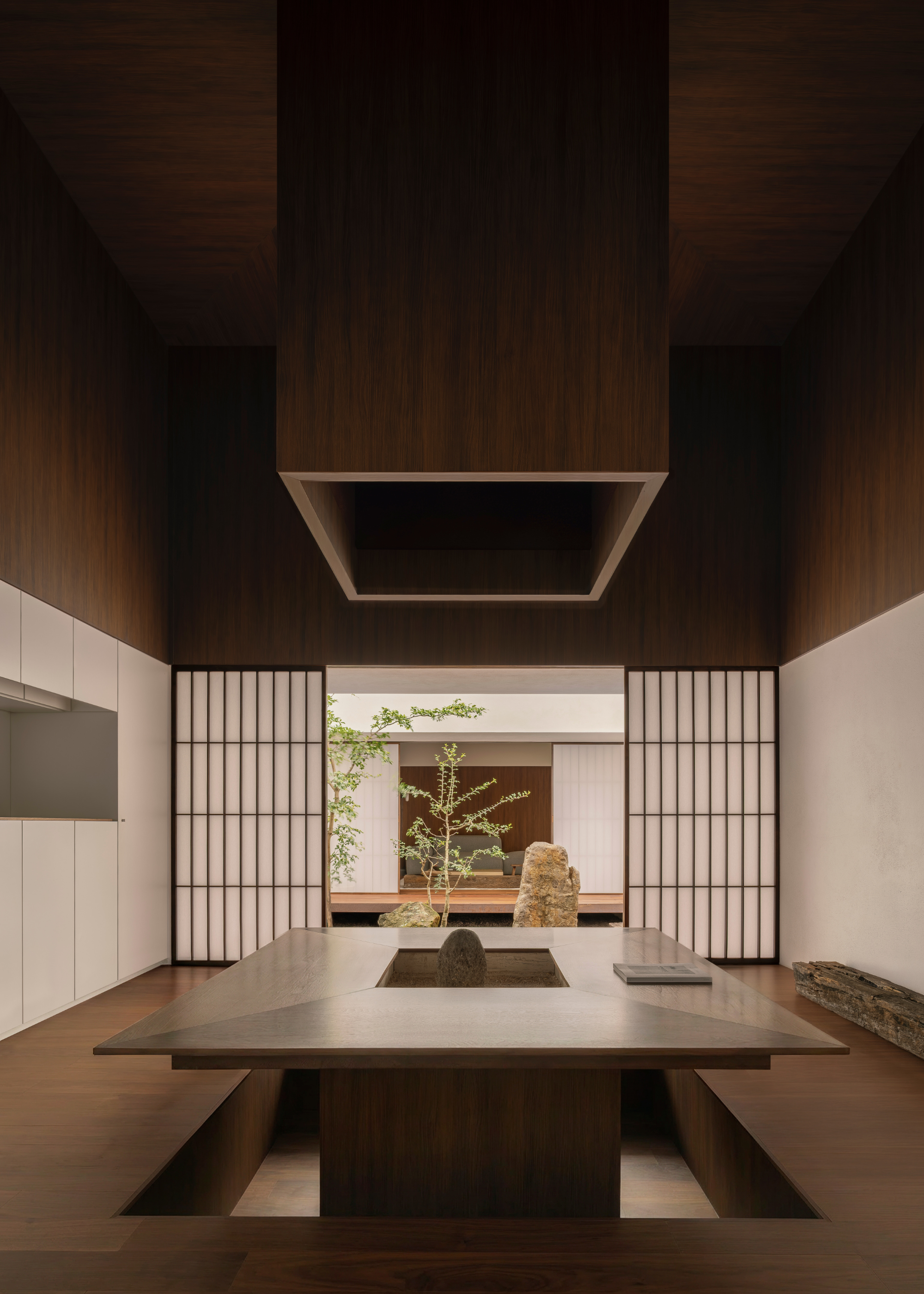
"Shitsurai (室礼) is the Japanese wellness practice of changing a home's displays, textiles, and objects in tune with the seasons. A scroll painting in the alcove is swapped as autumn arrives. Cushion covers shift from linen to wool. Even your ikebana should reflect what is blooming now, not what is always available," says Yoko.
"The home is never 'finished'. It is a living composition that moves through the year with its inhabitants. Homes benefit from surfaces designed for display that can be refreshed — a dedicated niche, open shelving, or a console that invites rotation rather than permanent arrangement."
Transforming your home into a space that feels like an extension of the season outside is such a beautiful way to create space for wellbeing. That's exactly why I'm currently resetting my home for summer. And, take it from me, it makes all the difference in how you feel.
5. Shinrin-Yoku — Forest Bathing through Design
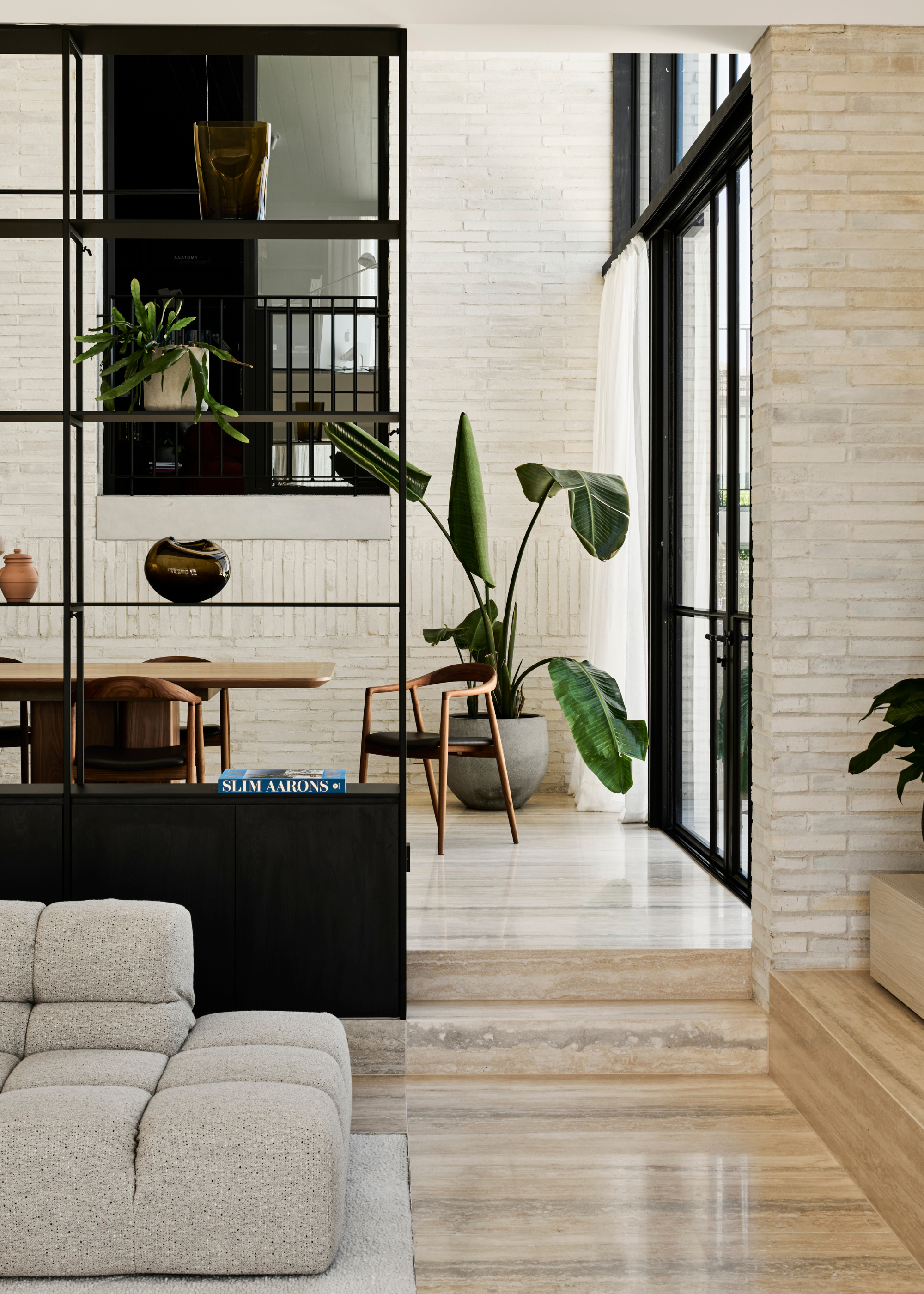
"Shinrin-yoku, or forest bathing, was formalized in the 1980s, but the instinct behind it runs through centuries of Japanese domestic design. Traditionally, the garden is designed first and the house positioned to face it," says Yoko.
"Rooms are oriented toward greenery, windows frame specific views, and the boundary between interior and garden is blurred through transitional spaces and planting that comes right up to the threshold."
This Japanese wellness ritual is built on designing forest bathing interiors to blur the boundaries between indoors and outdoors by feeling rooted in nature. And Yoko tells me that research in environmental psychology confirms what Japanese designers have long understood.
"Daily visual and sensory contact with nature lowers cortisol, reduces stress, and improves mood. Even in an urban home without a garden, orienting living spaces toward planting and using natural materials indoors, like timber, stone, clay, and linen, can bring this principle to life."
Items to Add to Your Wellness Routine

If you don't want to stop at cooking seasonal produce, and you want to take it one step further by bringing Japanese cooking into your home, this is a gorgeous place to start.
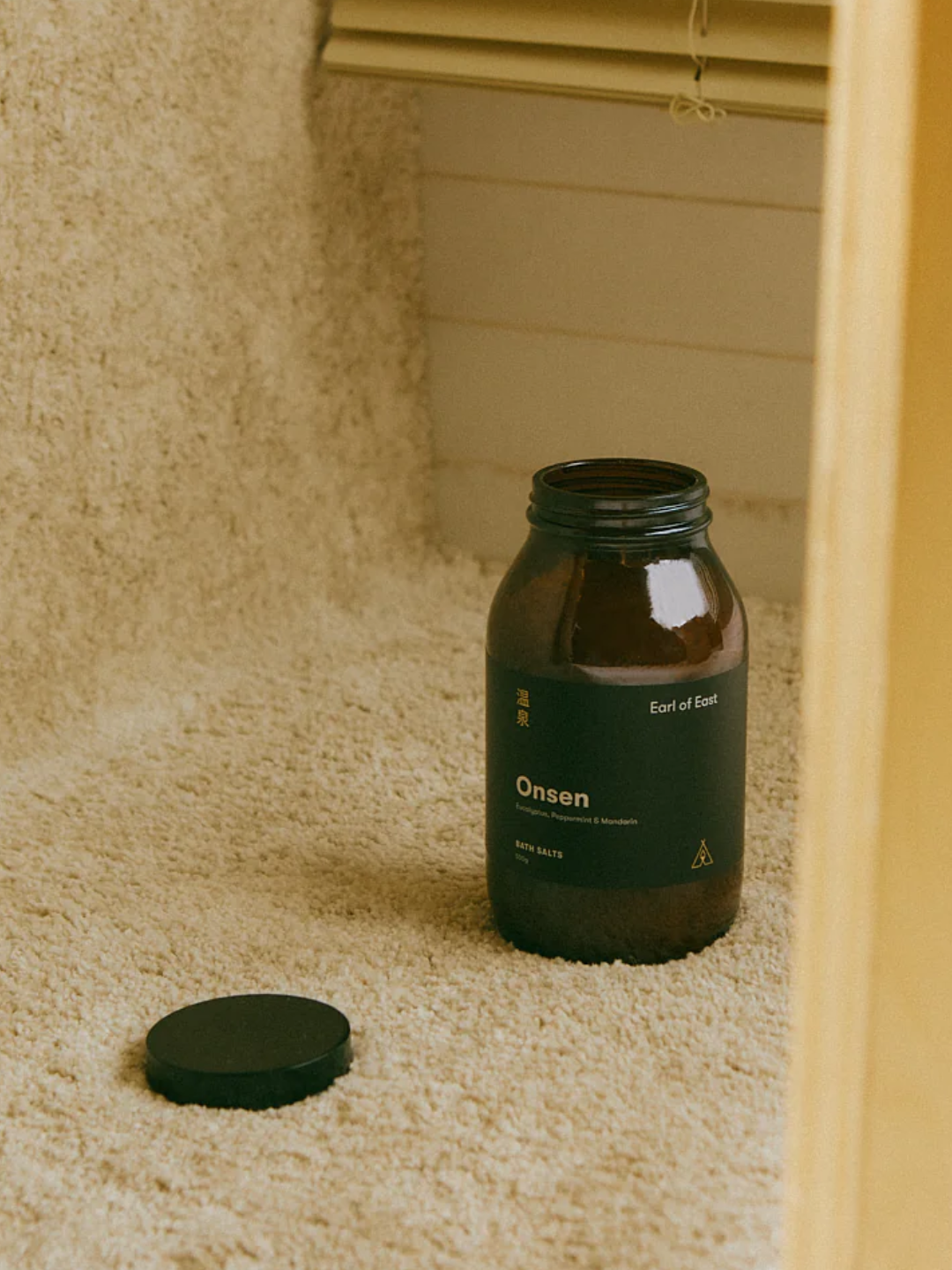
A major part of my wind-down routine for sleep is a relaxing bath. It's the way I cap off my week, and I've got my eye on these bath salts since I can't get to an onsen in Japan just yet.
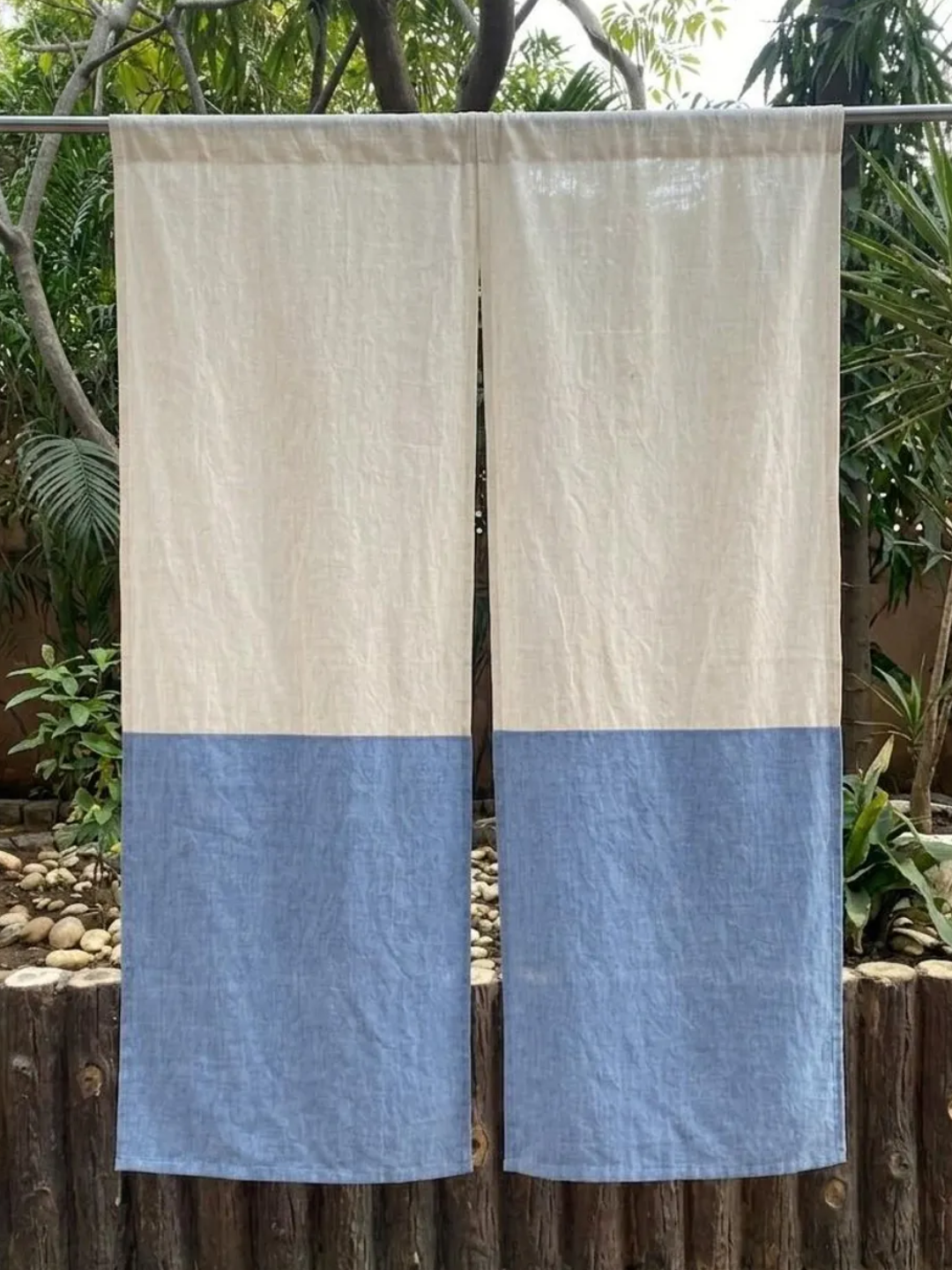
Using traditional Japanese noren feels like a dreamy way to decorate your home for summer. It brings a sense of airiness to your bare indoor thresholds.
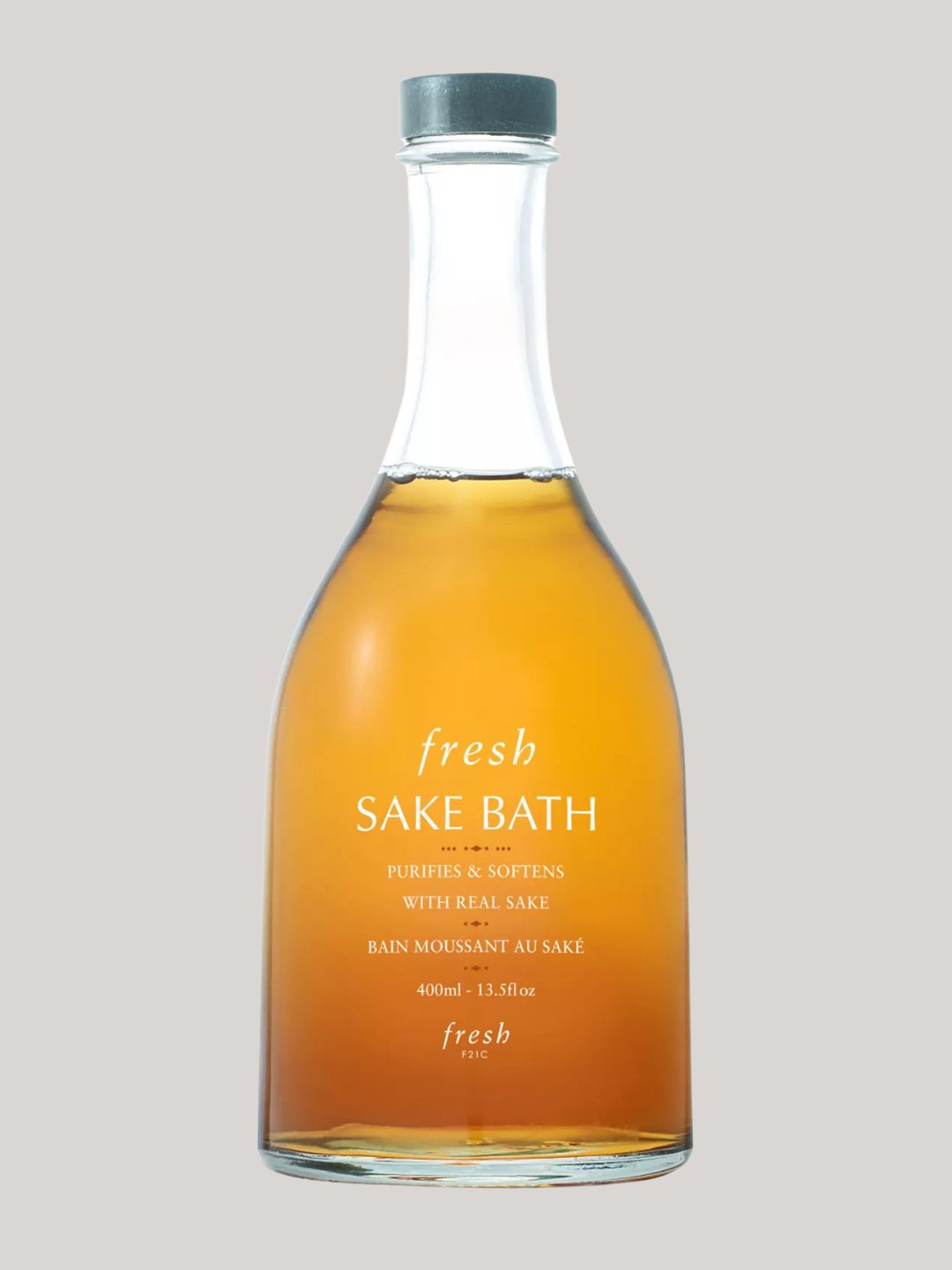
Another bath-time wellness product that I've been thinking about is this Sake Bath Elixir. Paired with a MUJI candle scenting my space, I predict the most relaxing bath ever.
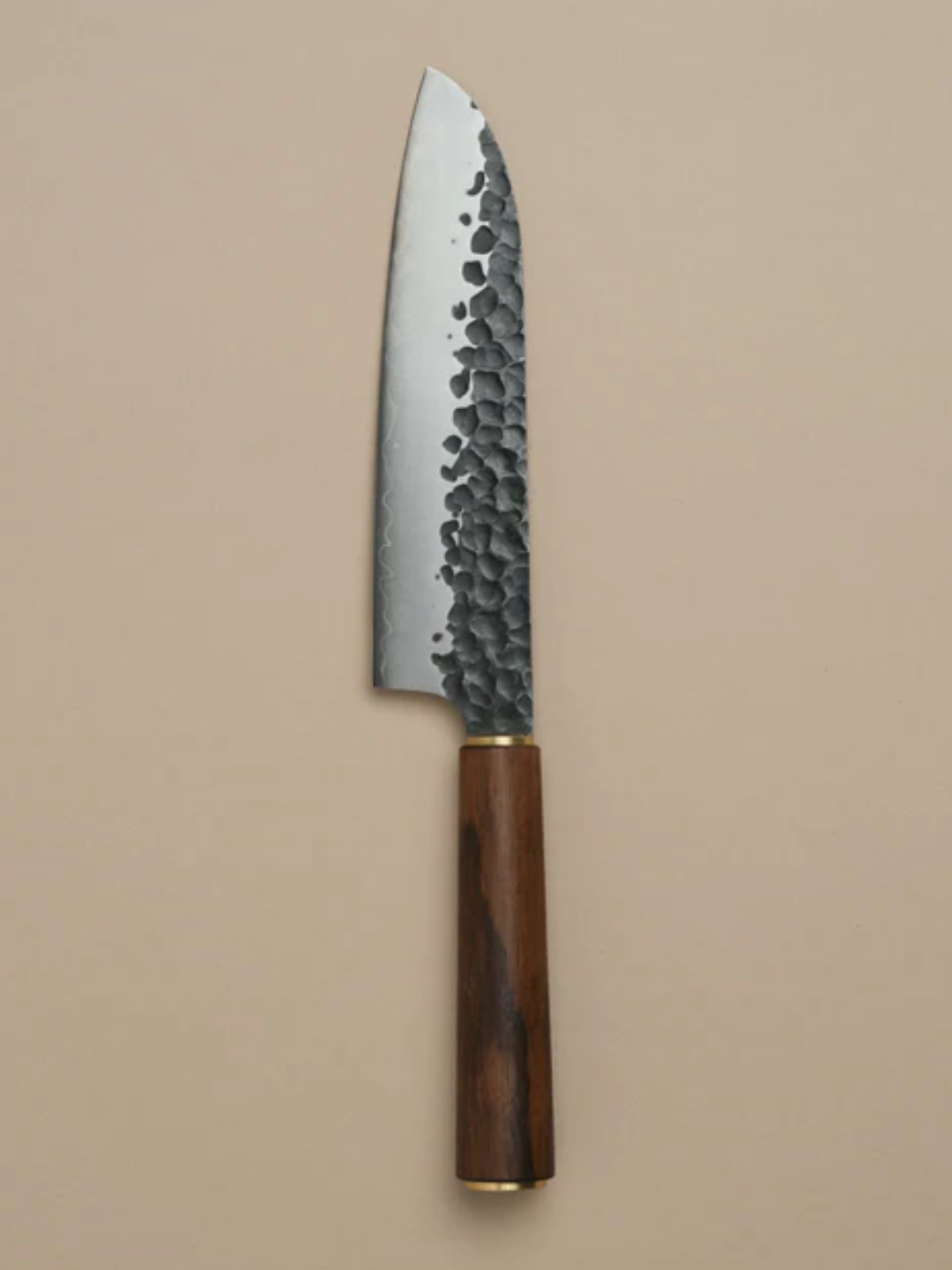
Japanese knives are known to be some of the best. And if, like me, you find the almost hypnotic act of dicing vegetables to be therapeutic, this is a beautiful piece to invest in.
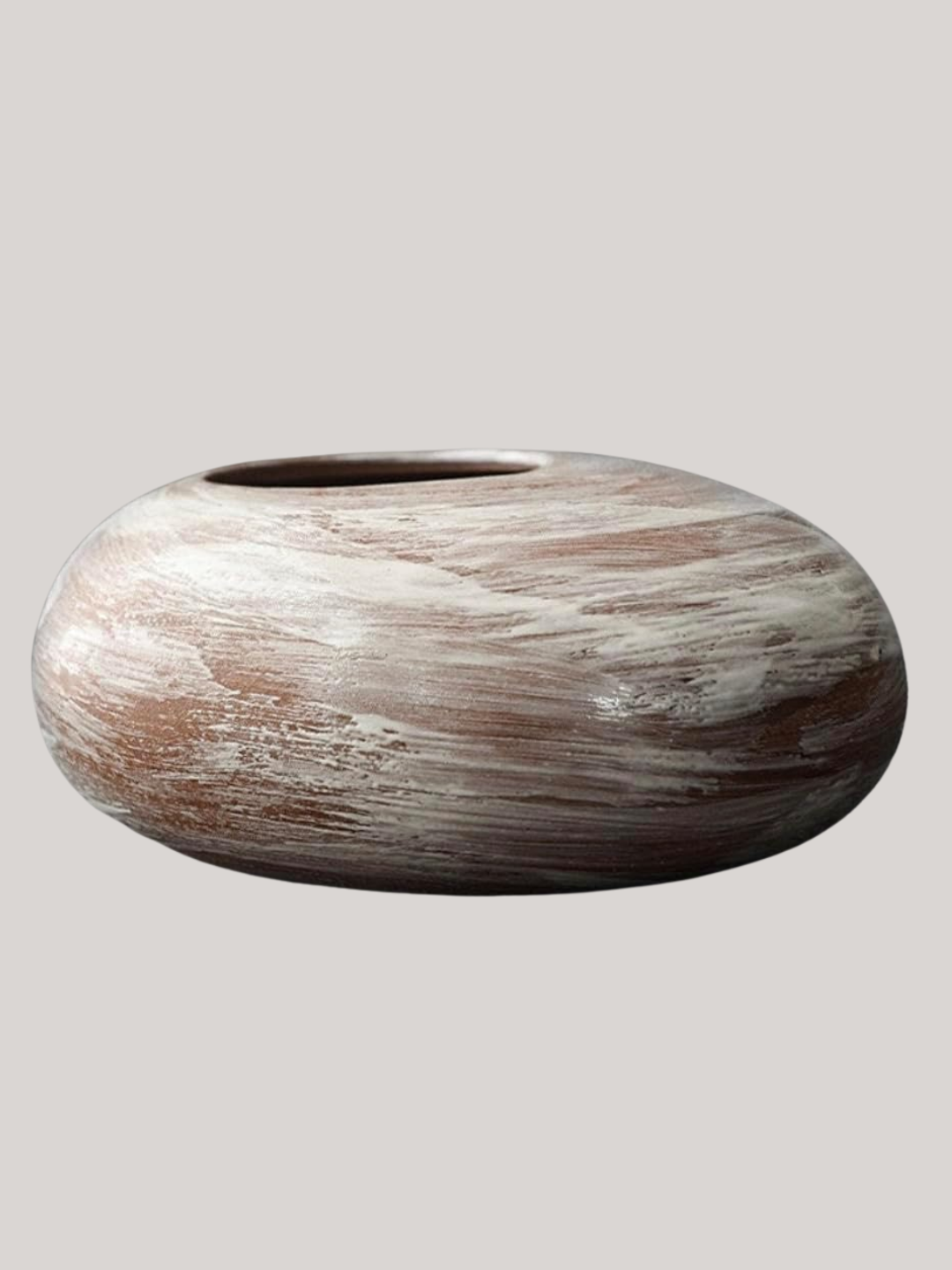
Having recently gotten into the art of ikebana, this is another way I transition my home with the seasons. And if you're looking for a suitable base, this handmade vase feels like a natural way to style your flowers.
Speaking of the way interior design ties into the wellness of a space, Japanese spatial planning is another creative concept that can breathe a sense of calm into your home.
And to keep up with all the beautiful ways you can bring wellness to the forefront of your living space, sign up for the Livingetc newsletter.