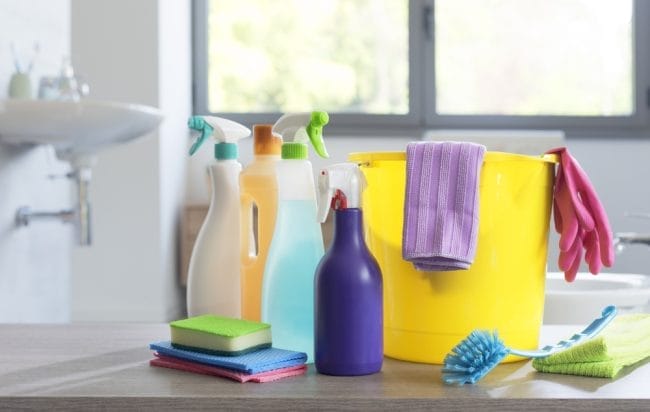
Open the cabinet under your kitchen sink right now. If you are like most people, it is a chaotic jumble of half-empty spray bottles, old sponges, and maybe a few trash bags. We treat this space as the “catch-all” for anything cleaning-related. But there is a hidden danger lurking in that dark, often damp cabinet.
Certain household chemicals, when stored in close proximity or in a humid environment like the under-sink area, can degrade, leak, or react with one another. I have spoken to safety experts who warn that this seemingly innocent storage habit can lead to toxic fumes or even spontaneous combustion. Before you shove that new bottle of bleach in there, let’s look at the five things you need to evacuate immediately.
The Bleach and Ammonia Time Bomb
You have probably heard that you should never mix bleach and ammonia. But did you know you shouldn’t even store them next to each other? Bottles can leak. Vapors can escape. If these two common cleaners mix, they create chloramine gas, which can cause severe respiratory damage or even be fatal.
Furthermore, the environment under a sink is often prone to temperature fluctuations and moisture. This can weaken plastic containers over time, increasing the risk of a leak. Keep bleach in a cool, dry place away from other cleaners, and ideally, lock it up if you have kids or pets. Storing them side-by-side is a game of chemical roulette you do not want to play.
The Flammable Rag Hazard
Many of us keep a pile of old rags or microfiber cloths under the sink for quick cleanups. If those rags have been used with oil, furniture polish, or solvents, they become a fire hazard. Oily rags can actually spontaneously combust if they are bunched up in a confined space where heat cannot escape.
Oxidation produces heat, and in a dark, unventilated cabinet, that heat can build up until the fabric ignites. It sounds like something from a movie, but it is a documented cause of house fires. Wash oily rags immediately or store them in a sealed metal container, not in a pile under the sink.
Dishwasher Pods Are Moisture Magnets
Those convenient little pods are designed to dissolve in water. The problem is, the area under your sink is often the most humid spot in the house due to the plumbing pipes sweating or minor leaks. If moisture penetrates the bag or box, the pods can start to dissolve and stick together.
This isn’t just a waste of money; it creates a concentrated chemical goo that is dangerous to touch. More importantly, the bright colors look like candy to children and pets. Because the under-sink cabinet is at ground level and often easy to open, it is the worst possible place to keep these poisoning hazards. Move them to a high shelf.
Harsh Drain Cleaners
If you have a bottle of heavy-duty drain opener sitting there “just in case,” check the bottle. These chemicals are highly corrosive. If the bottle tips over or the plastic degrades, the liquid can eat through the cabinet floor and damage the pipes you are trying to protect.
Even worse, the fumes from these strong acids or bases can react with other cleaners in the tight space. Drain cleaners are not meant for long-term storage in a non-ventilated area. Honestly, you are better off not using them at all, but if you must, keep them in the garage or a well-ventilated utility room.
Reorganize for Safety, Not Just Tidiness
It is tempting to prioritize convenience, but chemical safety requires a bit of distance. The under-sink cabinet should be for benign items: trash bags, unopened sponges, and dish soap. Everything else—especially the corrosive, flammable, or reactive stuff—needs a new home.
Take ten minutes today to clear out the danger zone. Your lungs, your pipes, and your peace of mind will thank you. It is a small shift that significantly lowers the risk of an accidental household emergency.
Check Your Cabinet
Go look under your sink right now. Did you find any of these items sitting next to each other? Tell me what you removed in the comments!
What to Read Next…
- 6 Household Cleaning Chemicals That Trigger Asthma in Seniors
- 8 Household Cleaning Products Linked to Lung Issues in Older Adults
- 10 Cleaning Products That Quietly Harm Your Lungs
- 7 Warning Signs of Silent Heart Attacks Women Often Ignore
- Cardiologists Warn: The Sleeping Position That Puts Stress on an Aging Heart
The post 5 Items You Should Never Store Under Your Sink (Chemical Reaction Risks) appeared first on Budget and the Bees.