
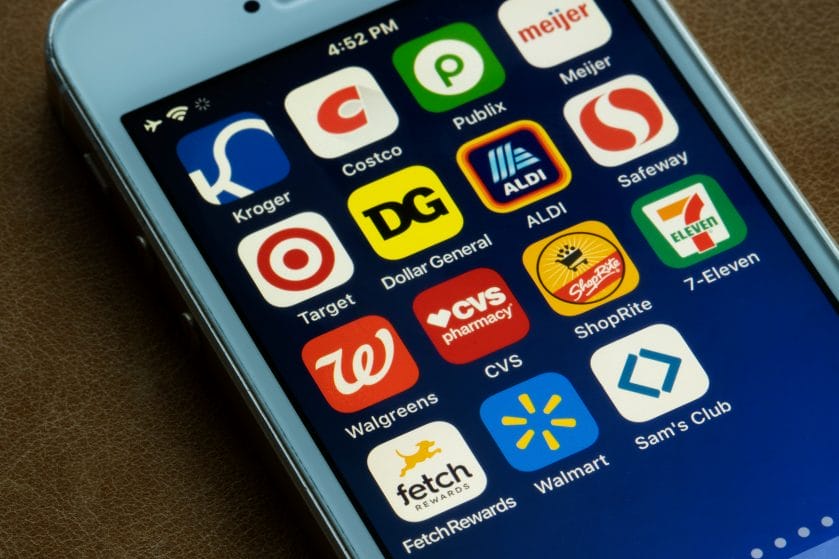
Our phones are cluttered with apps we rarely use, and downloading yet another app for a grocery store can feel like unnecessary digital bloat. However, modern grocery apps have evolved beyond simple digital coupon clippers. In 2026, the major chain apps have become essential tools for inventory management and inflation hedging. If you are ignoring the app because you don’t want to “clip coupons,” you are missing out on five powerful features that justify the storage space on your device.
1. Digital-Only “Loss Leader” Activation
The days of walking in and getting the sale price automatically are fading. Stores now gatekeep their deepest discounts—the “loss leaders”—behind digital activation. You might see a sign for $1.99/lb ground beef, but the fine print says “Must use App.” These deals are often significantly below market cost, designed solely to drive app engagement. Without the app, you pay the standard price. Having the app allows you to “clip” these specific high-value offers that are invisible to the analog shopper.
2. Aisle-Sorted Shopping Lists
One of the most time-saving features of modern apps like Kroger, Walmart, or Wegmans is the integrated map functionality. When you build your shopping list within the app, the software automatically sorts your items by aisle number specific to your local store’s layout. It turns a chaotic list into a streamlined route, preventing you from backtracking across the store three times. This efficiency not only saves time but also reduces the “wander factor” that leads to impulse buying.
3. Purchase History for Easy Reordering
Grocery shopping is largely repetitive; we buy the same eighty percent of items every week. The app tracks your purchase history, creating a personalized database of your staples. This feature allows you to reorder your essentials with a single tap, ensuring you never forget the milk or the specific brand of dog food your pet likes. It acts as an external memory bank, reducing the mental load of meal planning and list-making.
4. Real-Time Fuel Point Tracking
For chains with gas rewards programs, the app provides a real-time dashboard of your fuel points. This transparency allows you to strategize your fill-ups. You can see exactly when your points expire and how close you are to the next discount tier. Some apps even allow you to transfer pharmacy prescriptions or answer surveys to earn bonus fuel points instantly, a feature that is impossible to access without the digital interface.
5. Pharmacy Management and Refills
Grocery store pharmacies are often integrated into the main shopping app, providing a centralized hub for health management. You can scan a prescription bottle to request a refill, track the status of the order, and receive a notification when it is ready for pickup. This prevents the frustration of waiting in line at the pharmacy counter only to be told the prescription isn’t ready yet. Furthermore, many apps offer specific “digital coupons” for pharmacy items or bonus grocery points for every prescription filled, linking your health needs to your grocery savings.
A Tool for Modern Savings
In an increasingly digitized economy, the refusal to engage with store apps is no longer a badge of simplicity but a financial liability. These platforms have evolved from clunky digital coupons into sophisticated inventory and budget management tools that unlock the store’s deepest discounts. Dedicating a small amount of digital storage space to these apps grants you access to a tier of savings and convenience that the analog shopper simply cannot reach
What to Read Next
6 Foods Often Mispriced in Delivery Apps vs. Stores
Do Loyalty Apps Track Your Habits to Change Prices?
8 Apps That Help You Compare Grocery Prices in Real Time
Is Dynamic Pricing Costing You More on Delivery Apps?
The Only 4 Grocery Apps Actually Worth Your Phone’s Battery Life
The post 5 Grocery App Perks That Are Actually Worth the Storage Space appeared first on Grocery Coupon Guide.