If you or a loved one is over 75, medications that once seemed routine may now carry serious risks. Blood thinners—also called anticoagulants—are widely prescribed to prevent strokes and heart attacks, but they come with a critical trade-off. As the body ages, the risk of bleeding complications rises significantly, especially when multiple health conditions are involved. That doesn’t mean these medications should be avoided, but it does mean they need closer scrutiny than ever before. Here are five common blood thinners that are now considered “high risk” for seniors 75+.
1. Warfarin (Coumadin): The Original Blood Thinner With Ongoing Risks
Warfarin has been used for decades and is still commonly prescribed today. However, it requires constant monitoring because even small dosage changes can lead to dangerous bleeding.
Older adults are especially sensitive to warfarin, and fluctuations in diet or other medications can increase risk. The drug also has a narrow therapeutic range, meaning it’s easy to fall outside safe levels.
2. Dabigatran (Pradaxa): Higher Bleeding Risk in Older Adults
Dabigatran is a newer blood thinner that doesn’t require as much monitoring as warfarin. But research shows that higher doses can increase the risk of major bleeding in patients over 75. This is especially concerning for seniors with kidney issues, since the drug is heavily cleared through the kidneys.
As kidney function declines with age, the medication can build up in the body. Because of this, dabigatran is often flagged among high-risk blood thinners for seniors when not carefully adjusted.
3. Rivaroxaban (Xarelto): Convenient but Not Risk-Free
Rivaroxaban is popular because it’s taken once daily and doesn’t require frequent blood tests. However, studies show it may carry a higher risk of certain bleeding events in older adults.
In patients aged 75 and older, non-major but clinically significant bleeding is more common. Its once-daily dosing can also lead to higher peaks and troughs in the bloodstream. That variability is why some experts still classify it among high-risk blood thinners for seniors.
4. Aspirin (When Used as a Blood Thinner): Often Underestimated
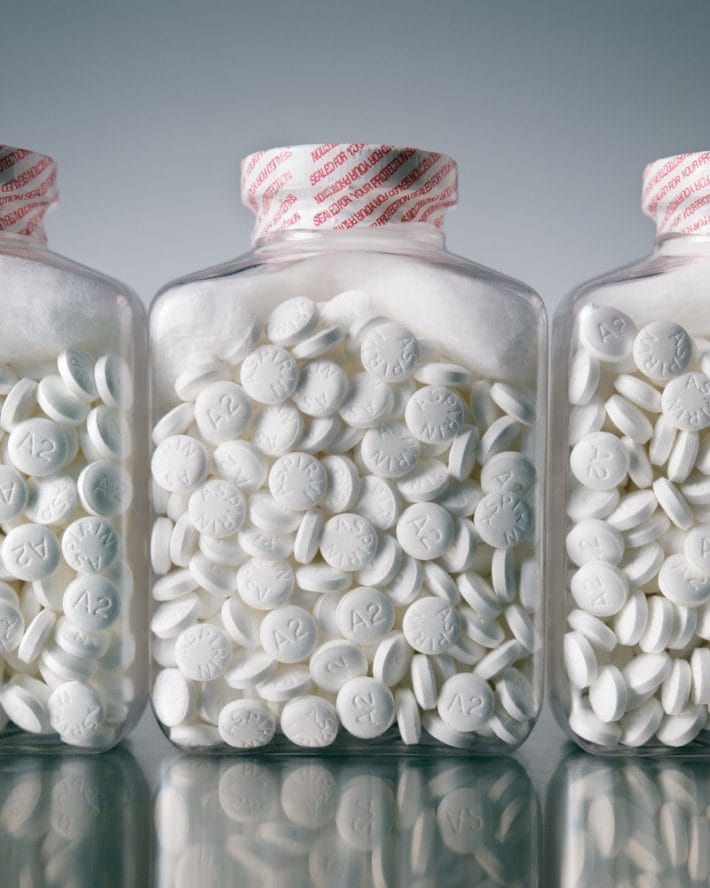
Many people don’t think of aspirin as a serious anticoagulant, but it absolutely can be. When used regularly to thin the blood, aspirin increases the risk of gastrointestinal bleeding.
For seniors, especially those over 75, that risk becomes significantly higher. Unlike prescription anticoagulants, aspirin is often taken without close medical supervision.
5. Dual Therapy (Combining Blood Thinners): A Dangerous Mix
One of the biggest risks isn’t a single drug—it’s combining them. Taking multiple blood thinners at once, such as aspirin with another anticoagulant, dramatically increases bleeding risk. Older adults are particularly vulnerable because they often take several medications simultaneously.
Polypharmacy—using many drugs at once—is a major contributor to complications in seniors. This is why combination therapy is often considered the most serious category of high-risk blood thinners for seniors.
The Real Takeaway: It’s About Balance, Not Fear
Blood thinners save lives by preventing strokes and heart attacks, especially in older adults. In fact, stopping them can sometimes increase the risk of stroke or death more than continuing them. The goal isn’t to avoid these medications—it’s to use them wisely and safely. When it comes to high-risk blood thinners for seniors, knowledge is one of the most powerful protections you have.
Have you or a loved one had to adjust blood thinner medications after 75? What changes made the biggest difference?
What to Read Next
7 Common Medications Linked to Long-Term Cognitive Decline
The Cannabis Trap: Why Your Morning Medication Might Be Reacting With Your Evening Edible
Six of The Most Dangerous Medications Still Prescribed to Seniors
The 10 Common Drugs That Just Got Significantly Cheaper Under New Medicare Rules
The Pharmacy Ghost: How Scammers are Using Your Medicare Account to Fill ‘Phantom’ Prescriptions