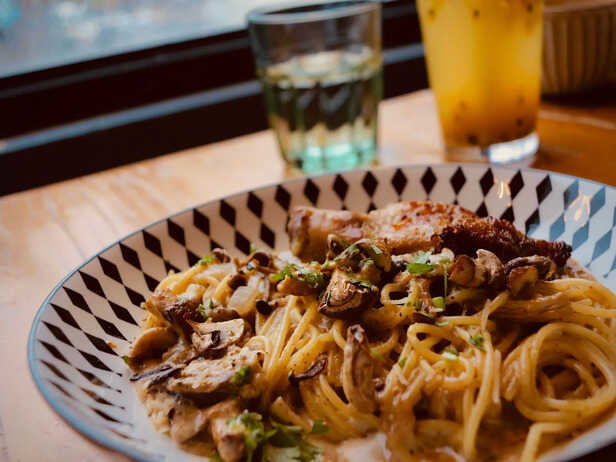
Burnout does not just make people tired. It makes simple things like cooking, eating, and even deciding what to have for dinner feel strangely overwhelming. That is why comfort meals matter. They are not about perfection or complicated recipes. They are about warmth, familiarity, and giving yourself something easy during difficult days. In 2026, more people are openly talking about emotional exhaustion and how small routines, including food, can help make stressful days feel more manageable. Sometimes a simple bowl of pasta or warm soup genuinely feels more comforting than motivational advice from someone waking up at 5 a.m. voluntarily.
Why Comfort Food Feels Different on Hard Days
Some meals fill your stomach. Comfort meals do something else entirely. They create familiarity during overwhelming days. They slow things down when life feels mentally loud. Sometimes they become the only soft moment inside a stressful week. Burnout has become an increasingly common experience among younger adults. Constant productivity pressure, financial stress, academic demands, social comparison, digital overload, and emotional exhaustion affect many people daily. On burnt-out days, even simple tasks can feel unusually heavy, including cooking.
That is partly why comfort meals matter. Comfort food is not necessarily about eating perfectly or creating restaurant-level recipes. Often, it is about choosing meals that feel emotionally grounding, easy to manage, and physically comforting without demanding too much energy.
Psychologists and nutrition experts sometimes discuss how familiar foods may create feelings of emotional security because they are connected to memory, routine, or positive experiences. While food cannot solve burnout itself, comforting meals can help create small moments of care during difficult periods.
And honestly, when your brain feels like twenty browser tabs playing different emotional crises simultaneously, warm food starts feeling surprisingly therapeutic.
Creamy Pasta That Feels Familiar
Pasta remains one of the most universal comfort meals for a reason.
It is warm, filling, affordable, and adaptable depending on mood or energy level. On burnt-out days, people often gravitate toward foods that feel predictable and emotionally safe, and pasta naturally fits that category. Creamy pasta dishes especially create a sense of comfort because soft textures and warm flavours often feel soothing after emotionally draining days. This does not mean comfort pasta needs to become overly complicated. In fact, simpler versions often feel more comforting precisely because they require less effort.
Butter pasta, garlic cream sauces, mac and cheese, baked pasta, or simple tomato-based dishes all work because they create warmth and satisfaction without demanding perfection. There is also nostalgia involved. Many people associate pasta with childhood meals, family dinners, or low-stress moments from earlier periods in life. Comfort meals often work emotionally because they remind people of stability during moments when life feels uncertain.
Soup That Slows Everything Down

Warm soup can create a calming and restorative feeling during stressful days.
Soup has always existed at the centre of comfort food culture across different countries and traditions.
Part of its emotional appeal comes from the experience itself. Soup naturally encourages slower eating, warmth, and restfulness. The steam, texture, and warmth create physical comfort that many people crave during emotionally exhausting periods. Chicken soup, tomato soup, ramen, lentil soup, vegetable soup, or simple broths all offer different forms of comfort depending on personal preference.
Interestingly, soup also works well for burnt-out days because it usually feels manageable. Complex cooking can feel overwhelming during emotional exhaustion, but soups often require fewer steps and less pressure.
Many people also find repetitive cooking tasks calming. Stirring ingredients slowly or letting soup simmer quietly can create moments of mental stillness during stressful periods.
There is something psychologically comforting about meals that feel gentle rather than demanding.
Human beings really looked at boiling ingredients in water thousands of years ago and accidentally invented emotional support in a bowl.
Breakfast Food at the Wrong Time Somehow Helps
One of the most underrated comfort meals for burnt-out days is breakfast food eaten outside breakfast hours.
There is a reason people crave pancakes, eggs, toast, waffles, oatmeal, or breakfast sandwiches when emotionally exhausted. Breakfast foods often feel simple, nostalgic, and low-pressure.
Unlike elaborate dinners, breakfast meals usually carry fewer expectations. They feel softer somehow.
Many breakfast foods are also connected to routines and familiarity. Morning meals often represent calmness, home, or slower moments before stressful days begin. Recreating those foods later can feel emotionally grounding.
Breakfast meals also tend to be quick and accessible, which matters when burnout reduces motivation or energy.
Toast with eggs, warm oatmeal, cereal, scrambled eggs, or pancakes may not seem emotionally significant on paper, yet comforting food rarely works through logic alone.
Sometimes people simply need meals that feel emotionally safe instead of impressive.
Rice Bowls That Feel Balanced and Easy

Rice bowls provide warmth, flexibility, and comfort without requiring complicated preparation.
Rice bowls have become increasingly popular comfort meals because they combine simplicity with flexibility.
Rice itself feels grounding and filling for many people across different cultures. Combined with vegetables, eggs, chicken, tofu, sauces, or leftovers, rice bowls become adaptable meals requiring minimal emotional energy to prepare.
Burnout often reduces decision-making capacity. Psychologists sometimes refer to this as decision fatigue, where even basic choices begin feeling mentally exhausting after prolonged stress.
Rice bowls work well because they simplify food preparation without sacrificing satisfaction. People can use whatever ingredients are available without worrying about perfect presentation or recipes. This flexibility reduces pressure while still creating meals that feel complete and nourishing.
Many comforting meals succeed not because they are exciting but because they feel manageable. Gen Z especially seems increasingly drawn toward meals that balance convenience with emotional comfort rather than highly performative cooking trends online. Which honestly makes sense. After spending all day surviving notifications, deadlines, and existential uncertainty, nobody wants dinner to behave like a competitive reality show challenge.
Grilled Sandwiches and Melted Comfort
Grilled sandwiches continue surviving every food trend because they deliver comfort almost immediately.
The combination of warm bread, melted cheese, crispy texture, and familiar flavours creates sensory comfort that feels emotionally satisfying during difficult days.
Grilled cheese sandwiches especially remain iconic comfort foods because they are deeply associated with simplicity and care. Many people connect them to childhood meals, home environments, or moments of being looked after.
Comfort food often works through emotional memory as much as taste itself.
Adding tomato soup, roasted vegetables, eggs, or simple fillings can make grilled sandwiches feel slightly more substantial without losing their emotional familiarity.
Another reason toasted sandwiches help on burnt-out days is that they feel achievable. Burnout often makes people feel emotionally disconnected from routines they normally manage easily. Completing small, comforting tasks like preparing a warm meal can sometimes restore feelings of stability or normalcy.
The meal does not need to be perfect to feel comforting.
Why Gen Z Talks About Comfort Food Differently

Younger generations increasingly connect food with emotional wellness and self-care.
Younger generations often discuss food differently from previous generations. Food is increasingly connected not only to nutrition and fitness but also to emotional well-being, mental health, self-care, and burnout recovery. Social media has amplified these conversations significantly.
Many Gen Z users openly discuss emotional exhaustion, anxiety, overstimulation, and the importance of slowing down. Comfort meals naturally fit into those conversations because they provide emotional familiarity during stressful periods.
Importantly, younger audiences also seem less interested in perfection around food culture. Strict wellness trends still exist online, but many people increasingly value balance, emotional comfort, and realistic eating habits over constant optimisation. This shift matters because burnout itself often intensifies guilt around rest, eating, or slowing down. Comfort food becomes healthier emotionally when people stop treating every meal like a moral performance. Sometimes a warm bowl of pasta is simply a warm bowl of pasta, not a personality failure requiring nutritional self-interrogation under fluorescent kitchen lighting.
Small Comforts Still Matter
Burnout rarely disappears overnight. Emotional exhaustion affects motivation, routines, relationships, focus, and even basic self-care habits in ways many people underestimate.
That is partly why comfort meals matter more than they may seem. They create moments of familiarity when life feels unstable. They reduce pressure during emotionally difficult days. Most importantly, they remind people that care does not always need to be dramatic or complicated to matter. Simple meals like creamy pasta, soup, breakfast food, rice bowls, or grilled sandwiches continue to comfort people because they feel emotionally grounding as much as physically filling.
In 2026, younger generations are increasingly redefining self-care in realistic ways. Instead of perfection, many now prioritise softness, manageability, and emotional honesty during stressful periods. A comfort meal cannot solve burnout completely. But sometimes it can help create enough warmth, calmness, or familiarity to make difficult days feel slightly easier to move through. And honestly, in a world where people answer emails while half-asleep and treat exhaustion like a personality trait, sitting down with a genuinely comforting meal might be one of the healthiest rebellions left.
Unlock insightful tips and inspiration on personal growth, productivity, and well-being. Stay motivated and updated with the latest at My Life XP.