Given how well received our deep dives into the ‘vintage’ drivers and fairway woods that refuse to leave the bags of savvy golfers were, the message from our readers was clear: what about the irons?
While woods are often seen as the high-tech engine of the set, irons are the heart. They require a specific blend of turf interaction, feel, and distance control that, frankly, some manufacturers nailed a decade ago. In an era where a new set of sticks can cost as much as a used car, looking backward isn't just about nostalgia - it's a tactical strike against the law of diminishing returns.
Here are five sets of irons that modern technology still struggles to eclipse, proving that you don't need a four-figure budget to play world-class golf...
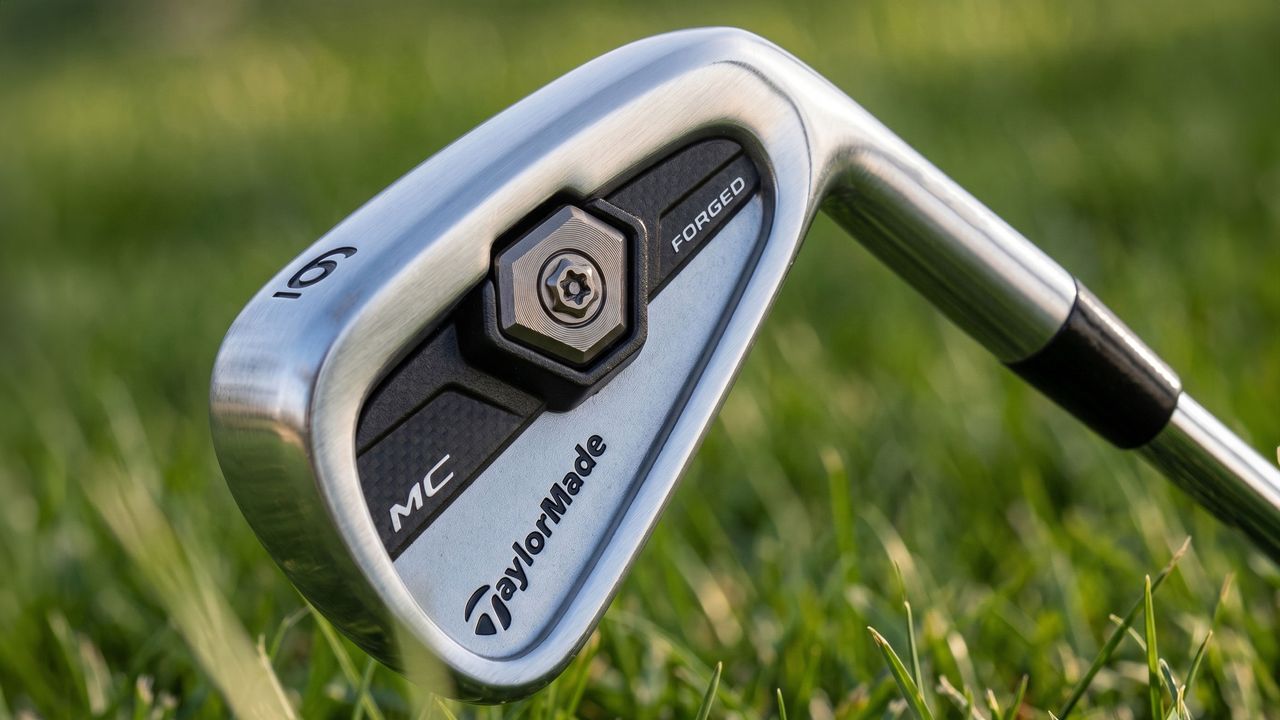
1. TaylorMade Tour Preferred MC (2011)
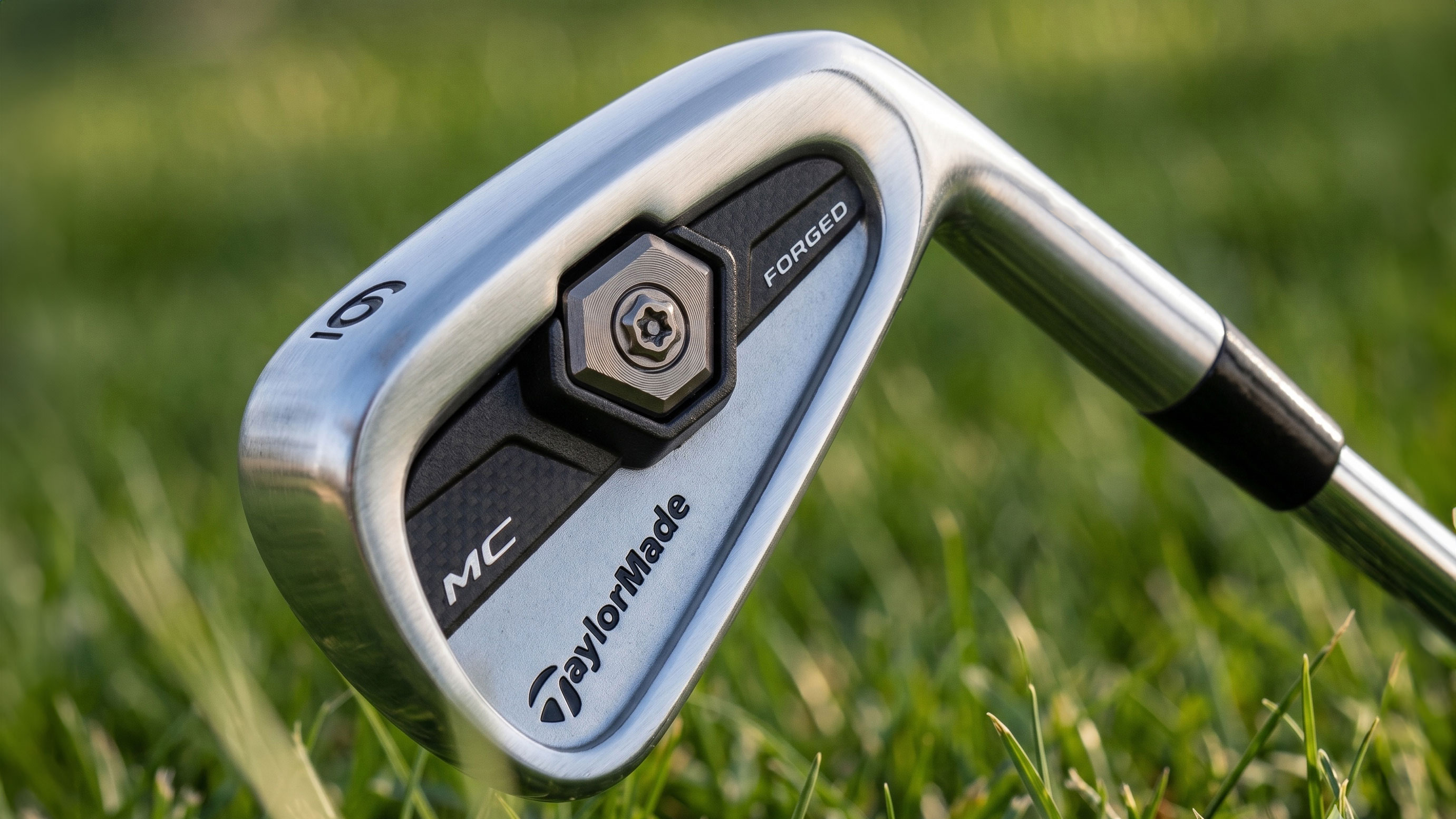
The 2011 Tour Preferred MC remains, for many purists, the greatest ‘player’s cavity’ iron TaylorMade has ever produced.
It sat perfectly in the ‘Goldilocks’ zone between the ultra-precise MB blade and the more forgiving CB, offering a compact, shallow muscle-cavity profile that even today looks exactly as a Tour iron should.
The real genius of this model was the 'Precision Weighting Port' located in the center of the cavity. Unlike the ‘Speed Pockets’ or hollow-body constructions found in later iterations, this port allowed for incredible precision in swing-weighting and CG placement without compromising the purity of the 6-step net forging process.
Forged from 1025 carbon steel, the 2011 MC delivered a dense, soft feedback and consistent turf interaction that modern, distance-focused irons often sacrifice. It is a masterclass in clean, maneuverable design that proves you don't need a slot in the sole to create a world-class iron.
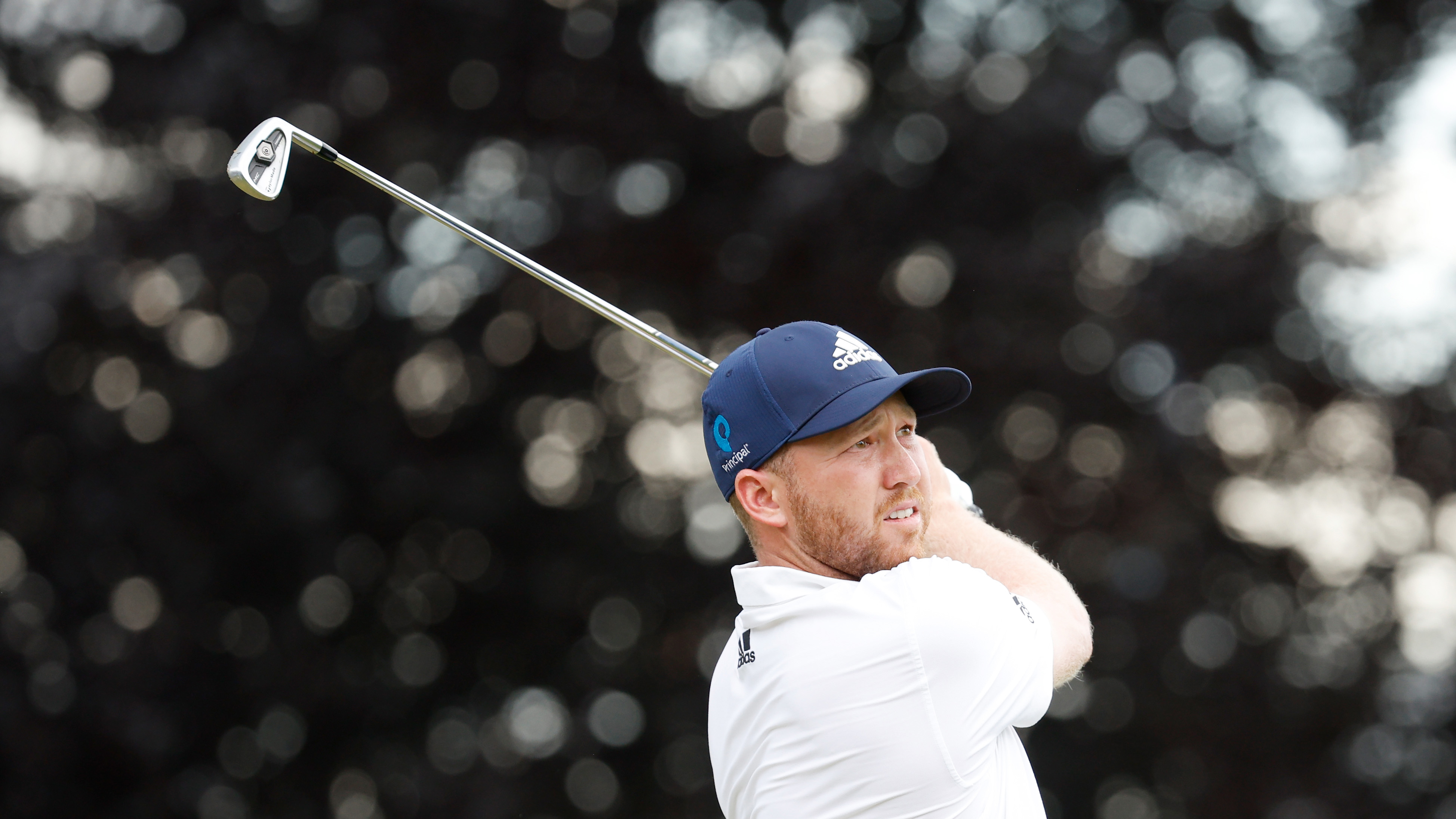
Even until as recently as last year, PGA Tour player Daniel Berger had the MC irons in the bag. A testament to their ability to stand up against modern irons ten times the price!
2. Ping i210 (2017)
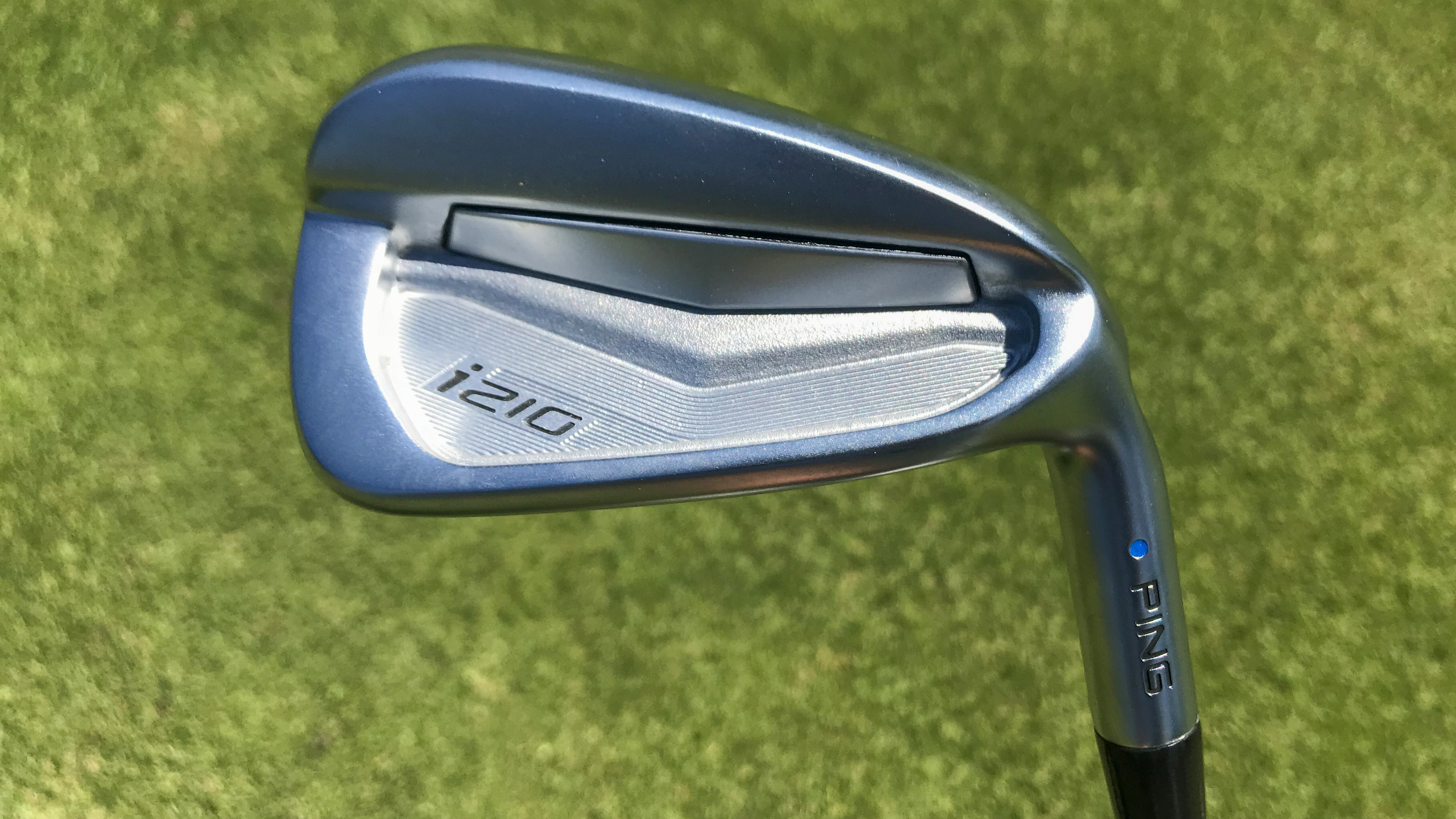
If you look at the bags of Ping staff players today, you might be surprised at how many refused to let go of the i210s long after the follow-up i230s were released. Why? Because the i210 offered a level of consistency and a soft, muted feel that is incredibly hard to replicate.
The secret was a larger, 50% softer elastomer insert that activated at impact, ensuring a pure sensation while returning significant energy to the ball. Combined with the Hydropearl 2.0 finish - which sheds water to improve consistency from the rough, a technology I personally swear by - the i210 became the ultimate ‘players' cavity.’
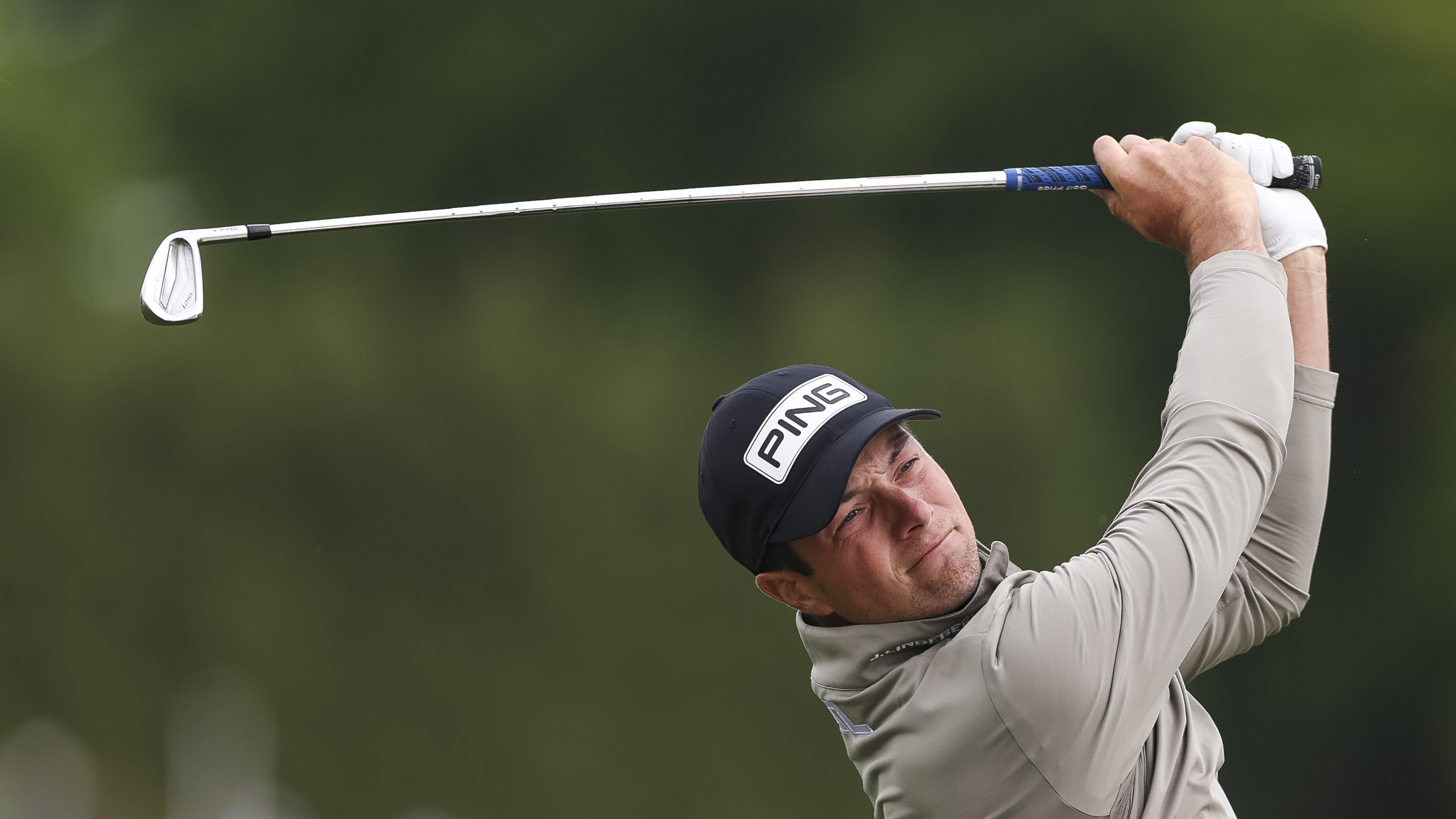
It provides just enough help without ever feeling like a "game improvement" club, offering a high-launch, high-spin profile that allows you to hold greens from almost any lie.
3. Titleist 690 MB (2003)
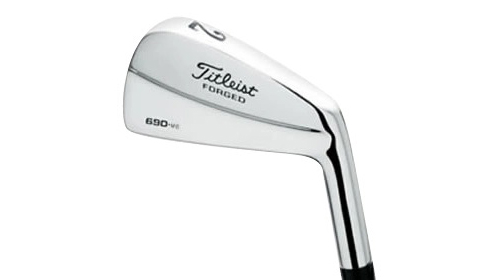
Still the best blade ever made. End of discussion. Move on.
4. Callaway X Forged (2007)
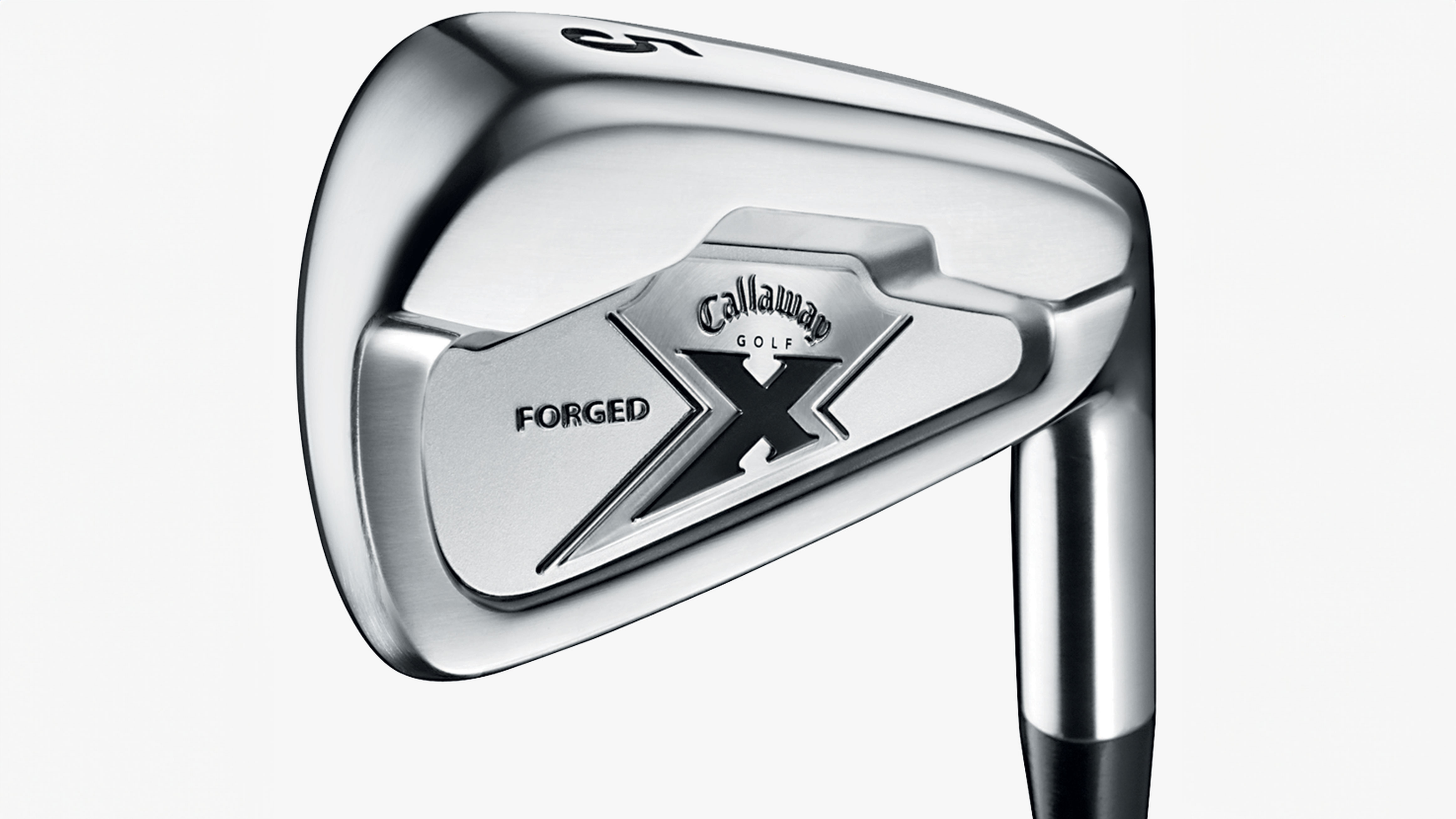
Designed by the legendary Roger Cleveland, the 2007 X Forged is a genuine cult classic. These irons were forged using a specialized ‘Triple Net’ process that resulted in incredible precision and a dense, pure feel that few modern clubs have matched.
The fun thing about these is that despite the incredible quality of the forging, the adhesive for the badge in the cavity was notoriously poor. As friend of Golf Monthly and tour pro Robert Rock pointed out to me, the badges would often simply fall out over time!
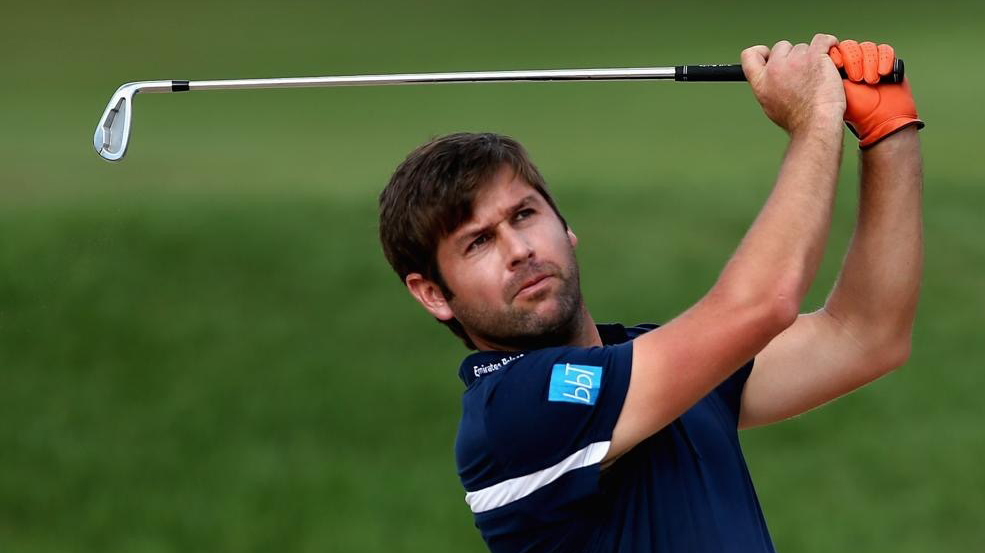
Although technically a flaw, this left you with the coolest ‘unbranded’ mystery irons ever. Without the logo, the clean, raw cavity looks like a custom tour-only prototype - rugged, industrial, and arguably more stylish than the day they left the factory!
5. Mizuno JPX 919 Hot Metal (2019)
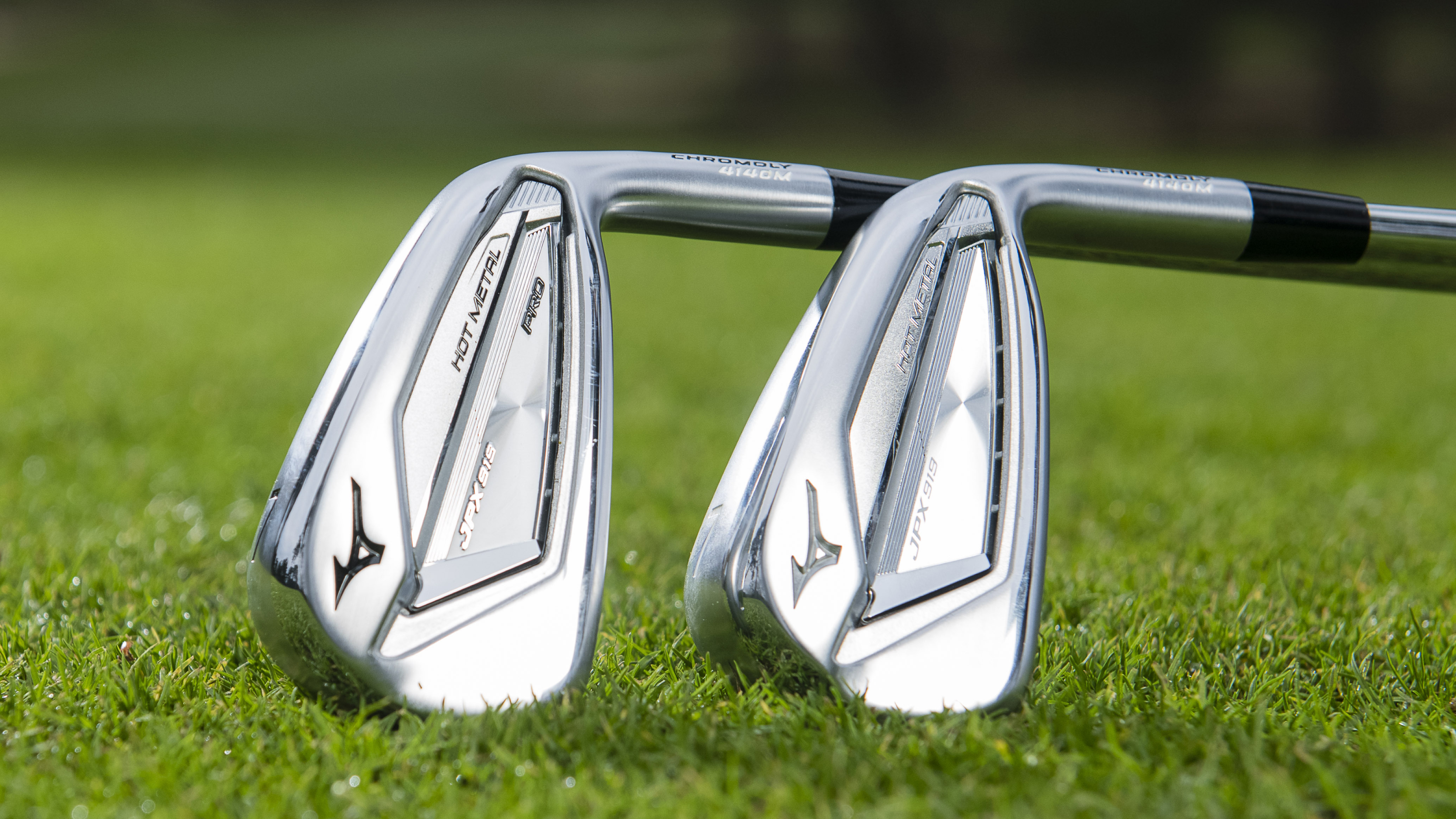
Mizuno is the undisputed king of feel, but with the JPX 919 Hot Metal, they proved they could dominate the distance category too. By utilizing Chromoly 4140M, Mizuno created a high-strength, multi-thickness face that launched the ball with staggering speed.
Unlike many modern distance irons that feel ‘clicky’ or hollow, the 919 Hot Metal maintained a surprisingly solid feedback thanks to its ‘Stability Frame’ and re-engineered sound ribs. It bridged the gap between the weekend warrior needing help and the low-handicapper wanting a bit more zip. It set a benchmark for the 'players-distance' category that many manufacturers are still trying to reach today.
Final Thoughts
These five sets prove that new doesn't always mean better.
Whether it's the legendary status of the 690 MB or the ‘accidental’ coolness of the badge-less X Forged, these irons have earned their place in the pantheon of great equipment.
They remind us that while technology will always march forward, a truly great design is timeless. If you can find a set of these on the second-hand market in good condition, grab them - your scorecard will thank you.