

When choosing a cat, health is just as important as appearance or personality. Some cat breeds are more prone to inherited genetic disorders due to selective breeding while others have stronger, more diverse gene pools. Cats with fewer genetic health issues live longer, require fewer medical interventions and enjoy a better quality of life.
Domestic Shorthair

Domestic Shorthair is considered one of the healthiest cats in the world. Because they are not selectively bred then they benefit from a wide genetic diversity. This mixed lineage significantly reduces the risk of inherited diseases. They are hardy, adaptable and generally long-living cats.
Siamese cat
Despite their distinctive looks, Siamese cats are surprisingly healthy. Ethical breeding practices have reduced earlier genetic issues, making modern Siamese cats robust and energetic. With proper care, they often live well into their teens or beyond.
Bengal cat
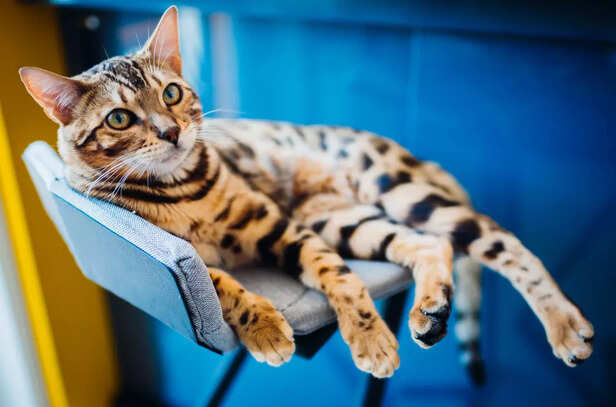
Bengal cats are known for their athletic build and strong immune systems. Responsible breeders screen for heart conditions keeping genetic disorders relatively low. Their active lifestyle also contributes to overall physical fitness and longevity.
Bombay cat
Bombay cats are generally healthy due to careful breeding and a stable genetic background. They have few breed specific inherited conditions and are known for their muscular build and resilience.
Russian Blue
Russian Blues are prized not only for their elegant silver coat but also for their excellent health. They have very few known hereditary diseases and live long, healthy lives when well cared for.
While no cat breed is completely free from health risks, some are naturally less prone to genetic disorders. Choosing breeds with strong genetic diversity and adopting from responsible breeders greatly improve the chances of welcoming a healthy, happy cat into your home. Regular vet checkups, a balanced diet and a stress free environment further support long term feline health.
Celebrate the bond with your pets, explore Health & Nutrition, discover Breeds, master Training Tips, Behavior Decoder, and set out on exciting Travel Tails with Times Pets!
Frequently Asked Questions (FAQs)
-
Are mixed-breed cats healthier than purebred cats?
Yes mixed breed cats have fewer genetic disorders due to greater genetic diversity.
-
Can diet and care reduce genetic health risks?
While genetics cannot be changed, proper nutrition, exercise and vet care prevent complications and improve overall health.
-
How can I ensure I’m adopting a healthy cat?
Choose ethical breeders or shelters, ask for medical records and schedule a vet check soon after adoption.