
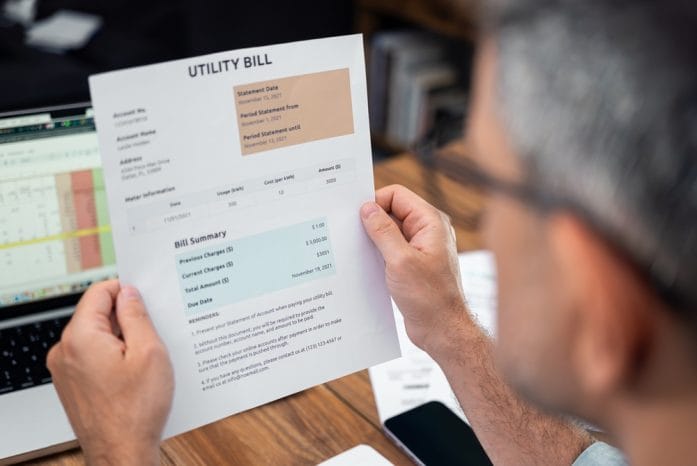
Prices grabbed headlines this year, but not every increase showed up in the usual inflation reports. Many households noticed their budgets tightening even when headline inflation looked like it cooled off. That gap comes from a quieter trend: essential bills rising in the background while attention stayed elsewhere. These increases hit recurring expenses that families cannot easily avoid or downgrade.
The result shows up in bank accounts rather than news alerts. From housing-related costs to digital services, multiple categories climbed in small but persistent steps. Each increase alone may look minor, but together they reshape monthly budgets in a serious way.
1. Property Taxes Climb Even When Home Values Cool
Property taxes continue to rise even when real estate markets slow down, creating frustration for homeowners across many regions. Local governments adjust tax rates to cover budget gaps, school funding, and infrastructure costs. Many municipalities also reassess home values after previous housing booms, locking in higher taxable values. Homeowners often feel blindsided because appraisals do not always reflect current market softness.
This year, many households saw double-digit increases in their annual tax bills despite stable or slightly declining home prices in some areas. These increases affect mortgage escrow payments, which raises monthly housing costs without warning. Even renters feel the impact because landlords often pass along higher tax costs through rent adjustments. The trend turns housing into a steadily rising expense even when the market cools.
2. Insurance Premiums Surge Across Home and Auto Policies
Insurance companies adjusted premiums upward this year due to rising repair costs, severe weather events, and higher claims payouts. Car insurance stands out as repair parts and labor costs continue to rise faster than general inflation. Homeowners insurance also increased sharply in regions facing wildfires, flooding, or storm damage risks. Many policyholders renewed contracts only to find significantly higher monthly payments.
Insurers also tightened underwriting rules, which reduced discounts and pushed some drivers into higher risk categories. That shift increased costs even for people with clean driving records or long-term loyalty. Homeowners saw similar changes when insurers reassessed risk exposure tied to climate events or local rebuilding costs. These increases turned insurance into one of the fastest-growing household expenses this year.
3. Utility Bills Rise as Energy and Infrastructure Costs Stack Up
Electricity, natural gas, and water bills all moved upward this year as utility companies faced higher generation and maintenance expenses. Energy providers passed along fuel price fluctuations and infrastructure upgrade costs directly to customers. Many regions also approved rate hikes to modernize aging power grids and water systems. Households noticed these increases most during seasonal spikes in heating and cooling usage.
Even small rate changes created noticeable differences in monthly bills because usage patterns stayed consistent. Air conditioning in summer and heating in winter amplified those increases further. Water utilities also raised rates in several cities due to drought management and system repairs. These combined pressures made utilities one of the most consistent upward cost trends in household budgets.
4. Health Insurance Premiums Rise Faster Than Wage Growth
Health insurance premiums increased again this year, continuing a long-term trend that outpaces wage growth in many sectors. Employers shifted more costs to employees through higher monthly contributions and increased deductibles. Individual marketplace plans also reflected rising medical service costs, prescription drug prices, and administrative expenses. Many households saw premiums rise even when they avoided major medical claims.
Out-of-pocket costs also climbed alongside premiums, which created a double impact on family budgets. Higher copays and deductibles discouraged some people from scheduling routine care, which adds long-term risk. Insurers cited hospital pricing, staffing shortages, and pharmaceutical costs as key drivers behind the increases. These changes made healthcare one of the most financially stressful recurring expenses this year.
5. Subscription and Digital Service Costs Stack Up Quietly
Streaming platforms, cloud storage services, and digital subscriptions all raised prices this year while adding tiered pricing structures. Companies introduced ad-supported plans at lower entry points but pushed premium tiers higher at the same time. Many users upgraded unknowingly due to automatic plan changes or feature adjustments. These small increases often went unnoticed because each service charges separately on monthly statements.
The total impact grows quickly when households subscribe to multiple services across entertainment, productivity, and security tools. Music, video, gaming, and software subscriptions all contributed to this slow upward creep. Companies justified increases by pointing to content production costs, server expansion, and artificial intelligence features. These changes turned digital convenience into a steadily rising fixed expense category.

What These Hidden Increases Reveal About Household Budgets
These five bill categories show a clear pattern: essential services increased costs even when inflation headlines suggested stability. Households felt the pressure not through one dramatic jump but through layered increases across multiple recurring payments. Each category—taxes, insurance, utilities, healthcare, and subscriptions—moved upward for different reasons, yet the combined effect strained monthly budgets.
What recurring bill increase hit hardest for you this year, and which one feels most out of control right now? Let’s talk finances below in our comments section.
You May Also Like…
Pennsylvania Seniors Say Grocery Bills Still Haven’t Dropped Despite Slower Inflation
California Seniors Face Insurance Renewal Shock as Housing and Utility Costs Continue Climbing
How Utilities Affect Colorado’s Low Property Tax Rate
The Jaw-Dropping Hospital Shock: Why Part A Bills Are Higher for May Admissions
The post 5 Bills That Quietly Got More Expensive This Year While Everyone Was Watching Inflation appeared first on The Free Financial Advisor.