

In a world where we instinctively associate childbirth with mothers, nature sometimes tells a different story - not to defy logic, but to remind us that survival and care take many shapes. Across the tapestry of life, a few remarkable species turn our assumptions on their head: here, fathers are the ones who carry, nurture, and even release new life. These are not just curiosities; they reflect evolutionary strategies that carry deep lessons about role, responsibility, and the diverse pathways life finds to thrive.
Seahorses
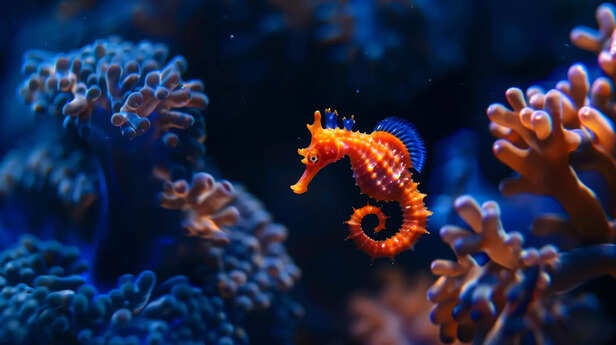
When we talk about male birth in the animal kingdom, seahorses are the first that come to mind. In these delicate, upright fish, the female deposits her eggs into a specialized pouch on the male’s abdomen. Inside that pouch, the eggs are fertilized and receive oxygen and nutrients as they develop. After a gestation that can last weeks, the male undergoes muscular contractions and releases fully formed miniature seahorses into the water. It’s a reversal that forces us to rethink the roles we take for granted in reproduction - a biological duet where the male carries life after life until it’s ready to emerge.
But the truly powerful truth beneath this reversal isn’t simply “male gives birth.” It’s a story of shared investment, where both parents contribute to the continuation of life in ways that benefit the whole.
Pipefish
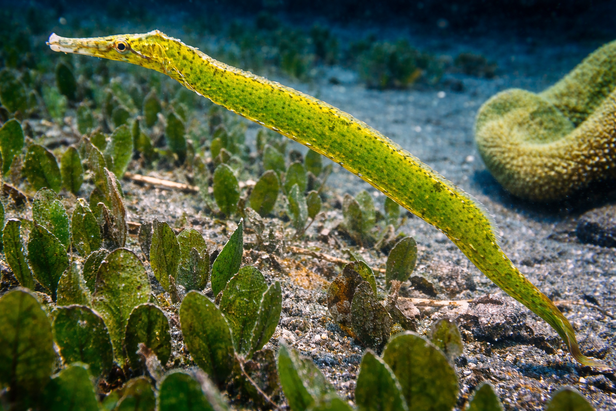
Closely related to seahorses, pipefish take the concept of male pregnancy and diversify it. In some species, males carry eggs in pouches similar to seahorses. In others, the eggs adhere to the male’s belly or tail, and he guards and nourishes them until hatching.
This variation shows us that evolution doesn’t always follow a single blueprint, even within related species, the mechanisms of care can shift, offering a range of biological options. It’s a vivid reminder that nature often finds multiple solutions to the same challenge: ensuring offspring survive in a competitive world.
Sea Dragons
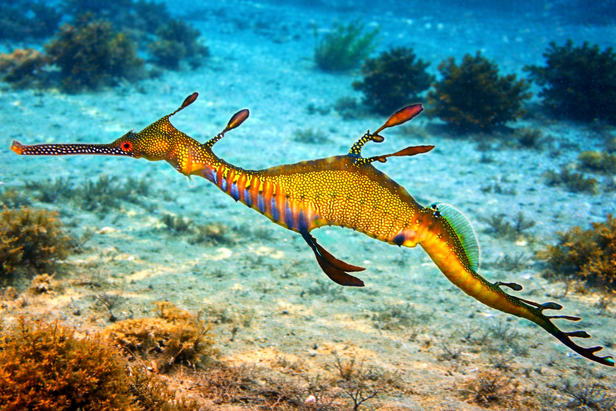
In the swaying underwater forests of kelp and seagrass, sea dragons carry fertilized eggs on their bodies. Unlike seahorses, these ornate relatives don’t have an enclosed pouch. Instead, the mother sticks the eggs onto a brood patch on the male’s tail, where he protects and oxygenates them until they hatch.
This visual - a father literally walking through the ocean carrying his children, forces us to reconsider what protection and nurture can look like. It unifies strength and beauty with responsibility.
Darwin’s Frog
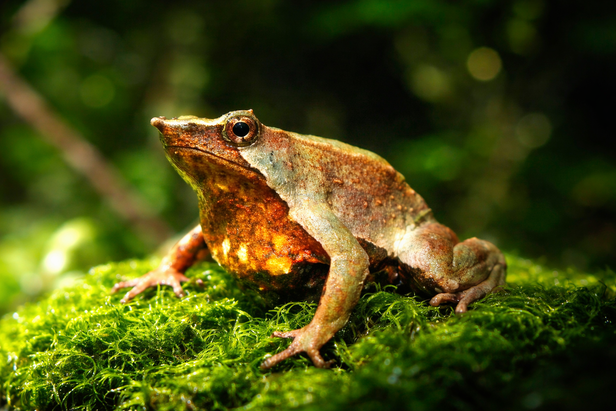
Perhaps the most startling example comes not from the sea but the forest floor. In Darwin’s frog, after the female lays her eggs, the male collects them and places them inside his own vocal sac. There, the eggs hatch and develop into tadpoles, and later, froglets. When they are ready, they emerge from the father’s mouth.
The scene might seem strange or even uncomfortable, yet it is profound in its metaphor. Life here is not just carried but inhabited within the father, blurring the lines between protector and provider. It’s a biological act that calls us to reflect on the depth of parental commitment in its most literal sense.
Midwife Toads
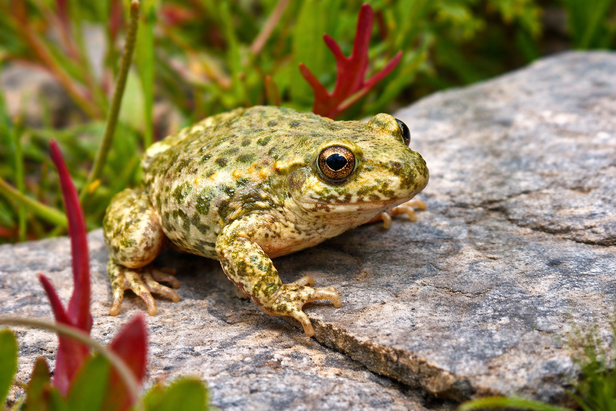
In the family of midwife toads, males take on the work of physically carrying strings of fertilized eggs wrapped around their legs. Until the eggs are ready to hatch, the father toad moves through his world with this burden, not as an inconvenience, but as a testament to his role in keeping the next generation safe.
Here, male contribution isn’t just support, it’s constant motion with life entwined to their very bodies. It mirrors those moments in human life when duty and love are inseparable from the person carrying them.
What These Fathers Teach Us
Beyond the wonder and surprise these species evoke, there’s a deeper resonance in their stories. In each case, male pregnancy or care flips a biological expectation, not for shock value, but because that strategy works. It enhances survival, spreads risk, and allows both parents to contribute to reproduction and care in unique ways. These animals force a question within us: Are our assumptions about roles rooted in biology or tradition? When nature shows such diversity, it reflects that life isn’t about rigid norms - it’s about adaptation, cooperation, and shared responsibility. And in that reflection, perhaps we see a bit of ourselves - challenged, expanded, and invited to think beyond the ordinary.