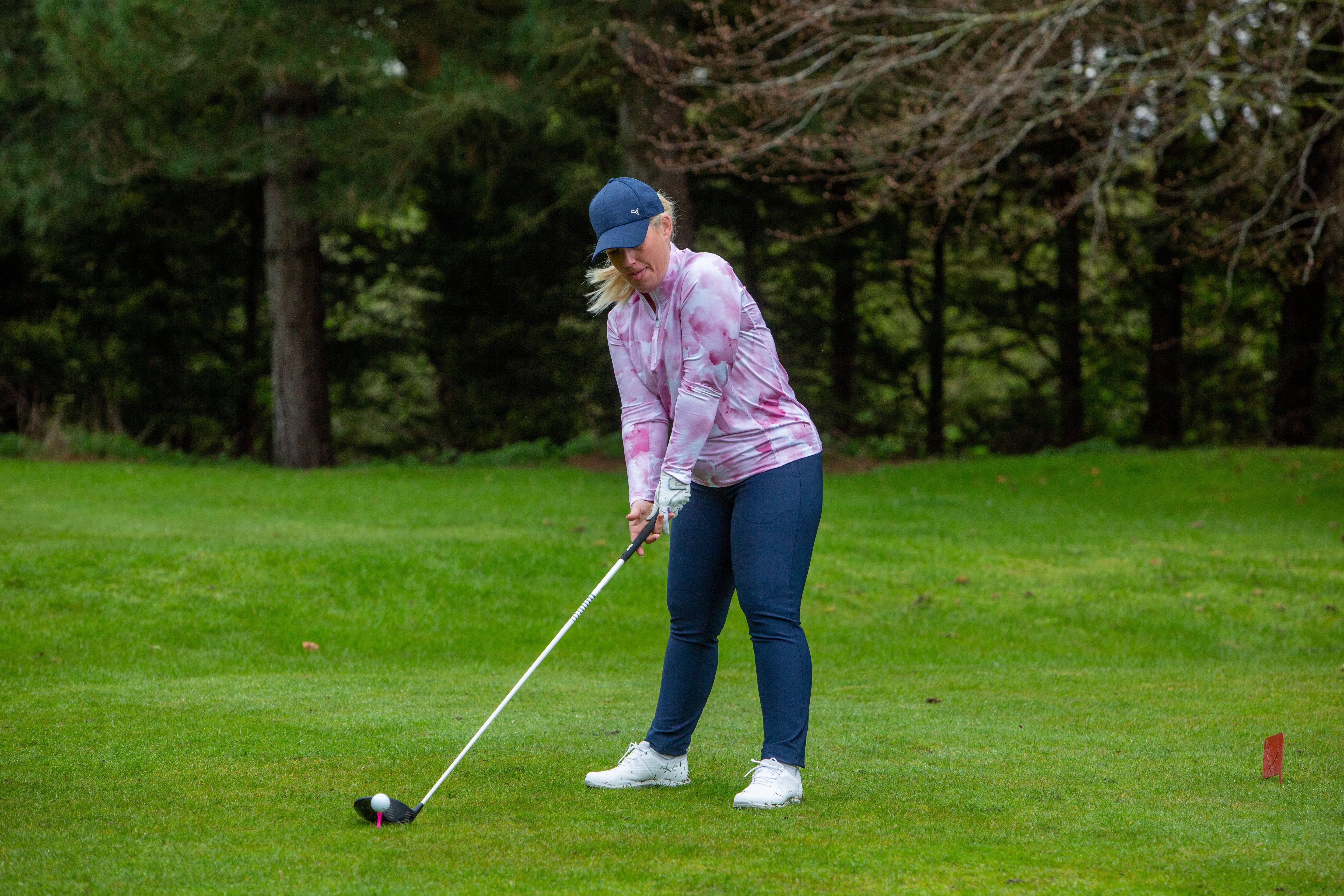
How many times have you played a new golf course for the first time and walked off the 18th green disappointed because you’ve chosen to play it from the forward tees?
I can honestly say that this has happened countless times in my 30 years playing golf. Yet I nearly always choose to play a new course from the forward tees because I’m not a long hitter, so according to the scorecard I should get more enjoyment from this length of course.
Also, I’m often visiting a new golf course to review it from the women’s perspective, so I think it’s important to experience the course with the shorter hitter in mind. The reality is the experience is usually very different from the reviews, especially when it comes to Top 100 Golf Courses.
I look back at tees that boast the most spectacular elevated positions, that bring in the challenges of water hazards and bunkers that get taken out of play from forward tees and lament my choice.
The fact is, many of the greatest golf courses that were ever designed had women, and short-hitters like seniors and juniors, as an afterthought, or gave them no consideration at all.

These ‘classics’ often have very poorly positioned forward tees in awkward places, with the only objective being to shorten the hole for the player, very little consideration given to how much enjoyment they are taking away by placing them to the side of hazards or in peculiar spots.
Let’s face it, when golf first began it was a male-dominated sport so women were quite literally not on the golf course architect’s radar.
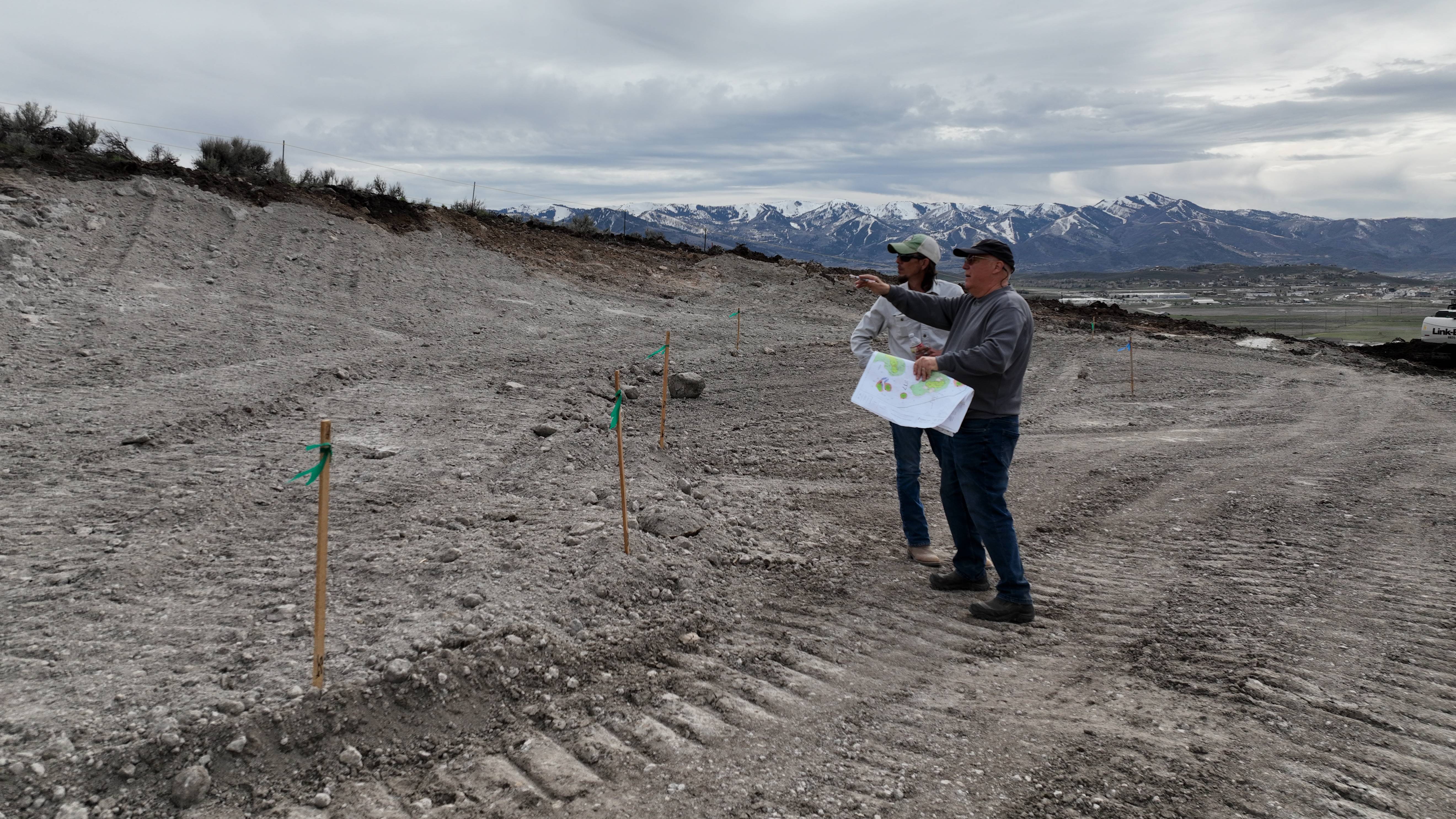
Forrest Richardson is a prominent American golf course architect who is trying to change the mould. As the ASGCA Principal Golf Course Architect President and a Past President of American Society of Golf Course Architects, he has a wealth of experience and shares his views on golf course architecture and the importance of designing golf courses for everyone.
How did you get into golf course design?
I got hooked on miniature golf at an early age. As a kid I’d beg my parents and my uncle to stop and let me play whenever we drive past one of the little courses in the Burbank, California area. Apparently, I was relentless. At age eight I played my first ‘real course’ and, from there, I found out that someone actually designed golf courses.
After pursuing some design classes, and entering television as an art director, I eventually came back to golf. My first break came in 1985 when the Solheims (Karsten and John A. Solheim, at Ping) allowed me to survey and suggest work at Moon Valley Country Club, which they had bought. From there I was asked to help a local resort and residential builder with a new course. I literally was being ‘thrown into’ the profession, and it really scared me at the time.
How much importance do you place on the view from the forward tees for the shorter hitters and women's perspective with your designs?
My wife Valerie and I started playing golf a few years after we met. I understood the reality of her swing speed being different, even though at the time I had never heard the term ‘swing speed’. I just knew she enjoyed playing from forward tees, and she reminded me when I started designing that they shouldn’t be afterthoughts.
Today I recall those reminders well. Arthur and Jann Little also had a profound impact on my work, at least for the past decade or more. The Littles were among the first to really cry out that 5,000 yards was way more than most short hitters could handle, and certainly that length does not allow those players to enjoy the same approaches and course that others do.
Today, I take even more care with forward and interim tees. I believe in scoring success. Golf is entertainment, why would we want players to have a rough time?
Would you agree that a lot of the most famous and historic courses have forward tees that are an afterthought, poorly positioned because back when golf was in its infancy few women played and it was a male-dominated sport?
Yes, it’s obvious. All tees should appear as if they ‘belong’, at least that’s my goal.
In your opinion, what makes a fun yet fair golf course design for women?
It’s not just length, but also making sure there are bunkers and interesting features to make the game interesting. I think that is a real missed opportunity - building a forward tee and then forgetting to make the shot interesting.
How have your designs had to change to accommodate the modern player hitting the ball further?
When we work for a club with lots of low handicap players, we have to consider new back tees and perhaps shifting some bunkers. I try to manage that with the easier parts of a course - roughs and tall grass.
To me, that’s the best way to take a driver out of certain players’ hands on a few holes - give them a smaller target, and make the penalty significant. Native grasses are a sure one-shot deficit, so I’m more inclined to try that before an expensive bunker renovation, or even a new back tee. As it’s been said, it’s a game of how near...not how far.

Would you like to see technology reigned in a little to prevent courses from having to be super long?
Yes, I support the rolled-back ball. When you control the ball, even a little bit, it’s just one part of the game you’re dealing with. One single item that a golfer carries. If you mess too much with clubs, you’re dealing with 14 or more things. I realise it may appear to effect manufacturers of balls, but in reality it will give them a new product.
To me, having various ball types simply makes sense. If a golfer chooses to stay with the ‘tour approved’ ball, so be it. If not, and the player wants a bit more length for the casual game, that’s a personal choice. Everyone wins, and we can take away that 20-30 yards that now places some elite players way out there at 330-340 yards. That’s crazy.
What is your personal design style/ethos and what do you enjoy designing into your courses?
I design based on the site, the culture and the players who will use the course. Add to that the considerations of budget, maintenance limitations, labour especially, and all sorts of site constraints.
Every golf project is unique, truly. There is no one-size fits-all approach. When we see designers start to have one look and feel, it becomes repetitious. That’s never good in any art form.
Have you ever co-designed a golf course with an LPGA Tour player or used them for input?
Amy Alcott and I have met several times about working on projects, but it’s never come about. But, we’ve met so many times, and have a true friendship, that it sure seems as if we’ve worked together. I’d welcome the opportunity.
In a male-dominated industry, what would you say to young women who are interested in golf course architecture and perhaps following in your footsteps in this career?
I met a young woman recently who is passionate about golf design. My advice was simple: Don’t think you're all that different just because you’re a woman.
Instead, focus on reading about the great work, spend time visiting courses and, most of all, do great work that breaks the mould. If you do those things, no one will care whether you’re a man or woman.
Who inspired you the most when you were learning this trade? Did you shadow anyone or have any specific golf course architects who influenced you?
Arthur Jack Snyder was my mentor, and I met him when I was still in high school. We wound up working together for 25 years, which was a joy and a whole lot of why I am what I am when it comes to golf design.
Desmond Muirhead was also a friend and mentor. And, Pete Dye, who I knew, but never worked with. I respected and followed his work when he first started.