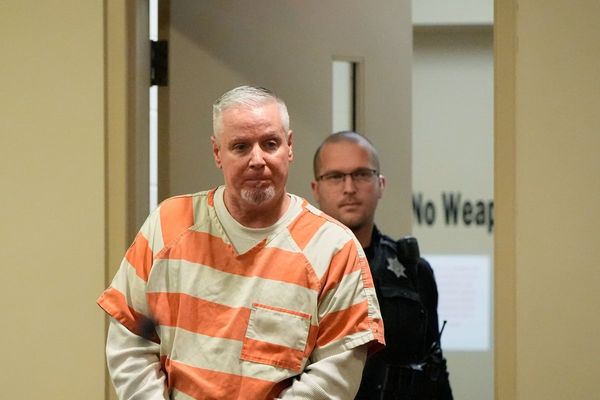
In the 60th year of the rivalry and last game played in Oakland between the Chargers and Raiders, Los Angeles was unable to pull out a win and keep their playoff chances high.
Here are four things we learned from the Chargers’ 26-24 loss to the Raiders in Week 10.
L.A. doesn’t deliver in the biggest game of the season
A few days after the biggest performance of the year, quarterback Philip Rivers failed to guide the Chargers to victory in a must-win game.
Under duress all night long, Rivers tossed a trio of interceptions. While one of them was due to tight end Hunter Henry tripping while going over the middle of the field, the other two were a result of poor decision-making and Rivers’ regression as a passer.
When it came to needing him as a hero by leading his offense down the field to get at least a field goal to win it, Rivers was unable to pull through. In an awful manner, he threw seven straight incomplete passes (one negated by penalty) with the eighth getting picked off to seal the deal for Oakland.
Rivers became the first player to go 0-for-7 or worse passing on the final drive of a game in at least the last 40 seasons, per Elias Sports.
Rivers’ performance was arguably his worst of the season. But the nation finally got to see one of the reasons why Los Angeles has lost some of their contests this season, and that’s because there have been clear signs of regression to his game, leaving many wondering if this is it for him and the Chargers after this season.
Once again, the offensive line needs to be addressed
Rivers is to be blamed for the Chargers’ loss, but the pass protection was just as poor. Facing a Raiders defensive line that struggled at getting to opposing quarterbacks, their Thanksgiving came early as they feasted on Los Angeles’ offensive line.
Trent Scott played right tackle in place of Sam Tevi, but it didn’t take long until the Bolts lost their other starting offensive tackle. Russell Okung went down with a groin injury, leaving the team no choice but to put in third-round selection Trey Pipkins.
Oakland quickly exploited their inexperience, as their young edge rushers had no issue getting around the offensive tackles, primarily Scott. As a result, they sacked Rivers five times and brought him down a total of 10 times.
The talent and depth along the offensive line are worrisome, which is having many fans pointing the finger at general manager Tom Telesco. Whether it’s not valuing the position or struggling the evaluate it, it has been an issue for years now.
RB Melvin Gordon is thriving under the new OC
Shane Steichen has been the new play-caller for two games, and since he took over, Gordon has looked like the player we saw in 2018. Steichen wanted to create a more balanced offense, which involved getting the running game going and the results have shown.
Gordon rushed for a season-high 108 yards and a touchdown, adding 25 more through the air. But aside from getting him in position to thrive, the way Gordon is running the football is a completely different style than what we saw in the first few games since he returned from his holdout.
Gordon looked loose with the ball in his hands, he was seeing the holes that were created for him and he was bouncing around and running through tackles, which was a refreshing sight.
Defense shows up but fails to execute when it matters most
The Chargers defense knew they were going to have their hands full facing a potent Raiders offense, which was led by rookie running back Josh Jacobs.
For nearly all of the game, the unit played a physical brand of football, limiting Jacobs to 53 yards on 15 carries. That was, until he scampered for 18 yards to give Oakland a two-point lead, which ultimately ended being enough to win the game.
Prior to Jacobs’ rushing touchdown, the Raiders were able to drive down into Chargers territory with ease in less than three minutes. Instead of playing aggressive, Los Angeles remained in their zone coverage. That left the middle of the field open, which is where quarterback Derek Carr had success.
That has been a common theme for the Bolts, though. While they have done an excellent job keeping opponents off the scoreboard (19.4 points per game allowed), their defense has gone soft when the game is on the line, and that has hurt them.