
Owning a car offers convenience, independence, and comfort in everyday life. For many people, buying their first vehicle is a significant financial decision that requires careful planning and research. Unlike experienced car owners, first time buyers may not always be aware of the practical factors that determine whether a vehicle will be reliable and affordable in the long run. A well informed purchase decision can save money, reduce future maintenance problems, and ensure a better driving experience. Instead of rushing into a purchase, it is important to examine several essential aspects of the car before signing the deal. From setting the right budget to checking safety features, these considerations can help first time buyers make a confident and smart choice.
Below are some of the most important things to check before buying your first car.
Set a Realistic Budget and Understand Total Costs

The first step before buying a car is determining how much you can realistically afford. Many buyers focus only on the purchase price, but the total cost of owning a car includes several additional expenses such as insurance, fuel, maintenance, registration, and servicing. It is important to calculate your monthly budget and ensure that the vehicle will not create financial pressure in the future. A slightly cheaper car with good mileage and low maintenance costs may be a smarter choice than an expensive model with higher operating expenses. If you are planning to buy the car through a loan, evaluate the interest rate, monthly installment, and repayment period carefully. A balanced financial plan will help you enjoy the ownership experience without unnecessary stress.
Check Fuel Efficiency and Maintenance Costs
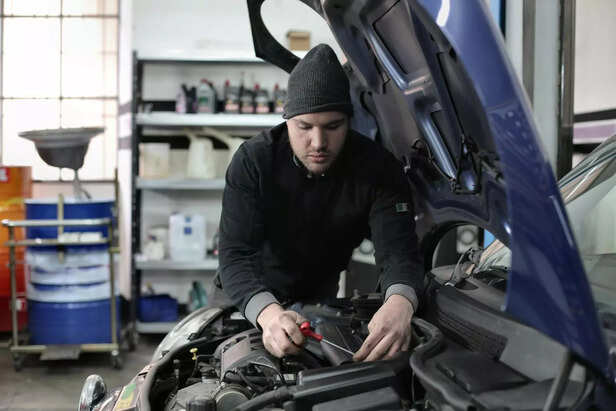
Fuel efficiency is one of the most important considerations for first time car buyers, especially if the vehicle will be used for daily commuting. Cars with better mileage consume less fuel and help reduce long term expenses.In addition to fuel consumption, maintenance cost is another key factor that many buyers overlook. Some vehicles require expensive spare parts or frequent servicing, which can increase ownership costs over time. Researching the average mileage, service intervals, and cost of spare parts can give you a clearer idea of the long term financial commitment. Choosing a vehicle known for reliability and lower maintenance can save significant money over the years.
Evaluate Safety Features and Build Quality

Safety should always be a top priority when selecting your first car. Modern vehicles come equipped with various safety features that help protect both the driver and passengers in case of an accident. Basic safety features such as airbags, anti lock braking systems, and electronic stability control are important for safe driving. Additionally, checking the build quality and crash safety ratings of the vehicle can provide insight into how well the car performs during collisions. A strong body structure combined with advanced safety technology can significantly reduce risks on the road. Investing in a car with reliable safety features ensures peace of mind for both the driver and family members.
Take a Proper Test Drive Before Finalizing

A test drive is one of the most important steps before purchasing a car, yet many buyers treat it casually. Driving the vehicle yourself allows you to understand how it performs under real conditions. During the test drive, pay attention to aspects such as steering control, braking response, seat comfort, suspension quality, and visibility. These factors directly influence the overall driving experience. It is also helpful to test the car in different traffic conditions if possible. Checking whether the vehicle feels comfortable and easy to control can help ensure that it suits your driving style and daily usage needs.
Making a Smart First Car Purchase
Buying your first car is a memorable experience, but it should also be a well planned decision. Taking the time to carefully evaluate important factors can help avoid common mistakes that many first time buyers make. Setting a realistic budget, checking fuel efficiency, evaluating safety features, and taking a proper test drive are essential steps before finalizing the purchase. These checks ensure that the vehicle you choose is practical, reliable, and suitable for your lifestyle. A thoughtful buying decision not only improves your driving experience but also ensures long term financial comfort. With the right preparation and research, your first car can become a valuable and enjoyable investment for years to come.