When drafting a will, thoughts instinctively turn to significant assets such as properties, bank accounts, and cherished family heirlooms.
However, crucial smaller details are frequently overlooked, potentially leading to significant future complications.
Emma Bryson, a senior associate within Michelmores' disputed wills and estates team, has identified four common omissions that frequently escape people's minds during the will-writing process.
Addressing these often-forgotten elements could pre-empt considerable confusion and stress for loved ones further down the line.
1) Alternative or replacement beneficiaries

Clearly naming alternative or replacement beneficiaries in your will is a sensible back-up plan that most of us forget to do.
“If the donee, who is the recipient of the gift under the will, dies before the testator [the person who makes a legally valid will], and there isn’t a replacement beneficiary, then that gift will fail and that legacy will fall into the residue,” explains Bryson.
“That means it will fall into the pot of everything else that’s left in the estate, and that might not be what the testator wanted.”
You aren’t legally obligated to name alternative or replacement beneficiaries in your will, but it’s usually advised by solicitors.
“If you don’t name an alternative or replacement beneficiary, there are obviously some risks, because if they die before you, you then lose control as to what happens with that gift,” advises Bryson.
2) Funeral and burial wishes
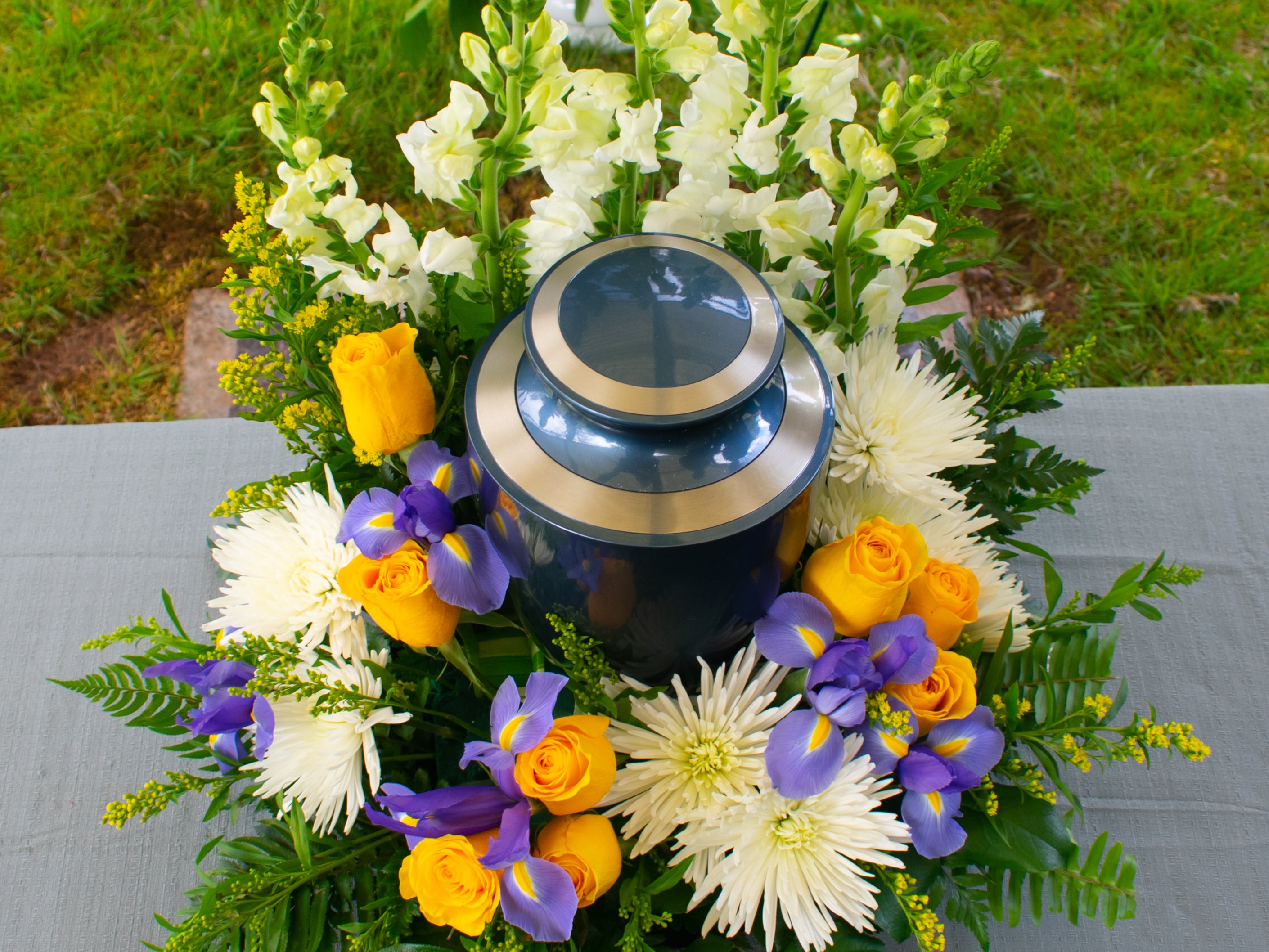
Outlining your funeral and burial wishes in your will can help reduce stress for your loved ones by providing clear guidance for arrangements.
“We think it’s really important for a testator making their will to think about if they would like to be buried or cremated and how they’d like that to take place,” says Bryson.
“Often this may have been communicated verbally to relatives or friends, but there’s always a risk that those relatives might forget, or they may have pre-deceased the testator, meaning that the testator’s funeral or burial wishes might not be put into effect.”
However, she notes that funeral and burial wishes are not legally binding.
“They are just wishes, so you cannot bind somebody or compel your executor to carry out your funeral and burial wishes in a certain way,” explains Bryson.
“However, they are still really important because if there is ever a dispute about who the executors are or how that person should be buried or cremated, then the court will consider the deceased’s wishes as one of the factors when deciding what should happen.”
Many people outline their funeral and burial wishes near the start of their last will and testament.
“There’s no set specific place for a funeral or burial wishes to be included in a will, but usually you see them included at the start, after the testator’s name and address,” says Bryson.
3) Execution of a will

When sorting out something as important as a will, following all the protocols and getting all the fiddly bits of admin right matters.
“The execution of a will is very particular. If something’s not quite right regarding how the will is signed and witnessed, then the will be completely invalid,” says Bryson. “For a will to be valid it must be signed by the testator who intended by their signature to give effect to the will.
“It also must be made or acknowledged by the testator in the presence of two or more witnesses present at the same time, and each witness must attest and sign the will or acknowledge their signature in the presence of the testator.
“If any of those things don’t happen, then you don’t have a valid execution. So, it’s very specific and often people get it wrong, unfortunately.”
This is why it can be helpful to seek professional guidance about this.
“You will have more of a safety net for this if your will is prepared professionally and is executed by the testator in the presence of their solicitor,” says Bryson.
4) Digital assets

“Digital assets are often overlooked in wills but are really important to consider because we’re in an increasingly digital age,” says Bryson.
“When you’re making a will, I think it’s more common for people to think about their physical assets like their house, jewellery, properties etc, but I think it’s really important to also think about digital assets – like cryptocurrency, online businesses, social media accounts and websites – if you want pass these to a certain beneficiary or a particular person.
“Especially if you have more of a social media presence, you might want to pass your Instagram account, for example, onto somebody.”
Martin Lewis issues hotel cancellation advice over jet fuel concerns
Scrap ‘unaffordable’ state pension triple lock, urges Tony Blair
Domestic abuse expert explains economic abuse and how to get help
What you can do today to tackle debt and ward off personal insolvency
Mortgage approvals soar as house buyers seek to avoid higher rates
Best children’s savings accounts for 2026 - where to find the top interest rates